-
Architects: FAR WORKSHOP
- Year: 2018

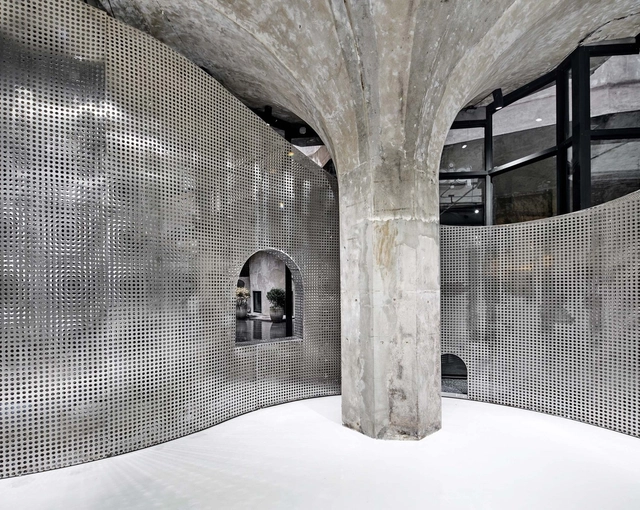
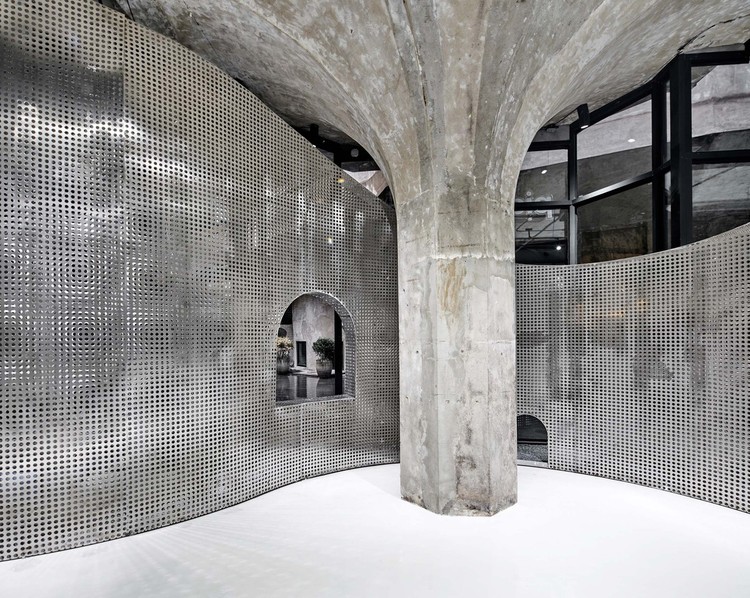
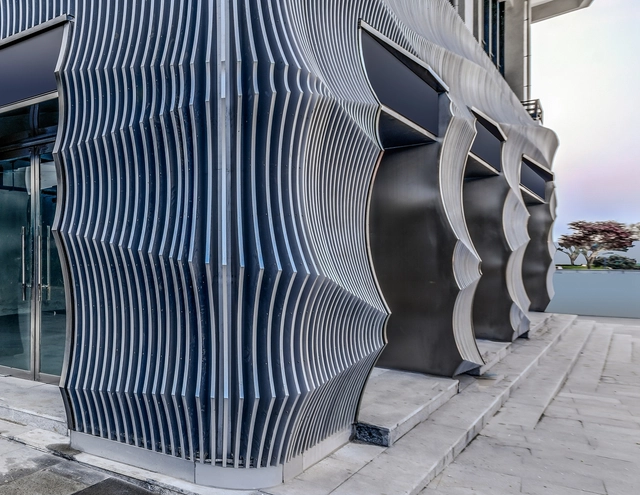
The use of steel in architecture is considered as one of the most innovative construction developments in history, allowing architects to create structures in scales they never thought they could. Fast-forward a few centuries, and steel remains as one of the most crucial materials in architecture. But there is a lot more to the material than just tensile strength and durability, some architects were well-aware of steel's potential and transformed it into lighting fixtures, facades, decorative elements, and finishes.
Here are 15 projects where architects looked beyond steel as structural support and explored its diverse possibilities in architecture.

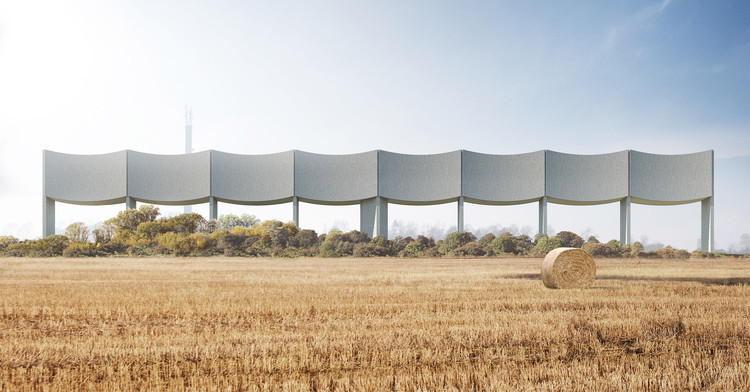
A series of concave concrete panels hoisted on slender plank-like columns sit amongst the vast rural plains of Sweden, silently redefining the typology of an otherwise utilitarian structure. White Arkitekter's recent proposal for a water tower in Varberg is a slim horizontal structure, deviating from the typical, vertical and round design. Titled VÅGA, it features two tanks for storing water within its unique shape that may actually be better suited to its purpose.

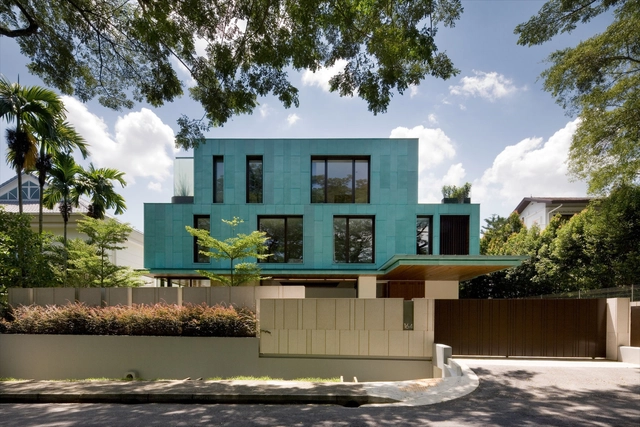
Patinated copper, also called oxidized, is a metal coat that "ages well" with excellent weathering resistance. Due to its capacity for transformation over time, when coming into contact with atmospheric conditions, the material does not require major maintenance, giving a unique aspect to the facades.
In addition to orange-colored plates, this material also gives off a blue / green appearance through a controlled chemical oxidation process. Its coloration is defined by the amount of crystals contained in the surface of the material. With the appearance of natural light, the panels display various shades and nuances of color.


Flagship stores excite both fashion shoppers and designers alike due to their role as visionary laboratories for the latest trends and stimulating retail experiences. Architects have developed various ways to dress haute couture stores, from distinctive icons in the day to seductive night-time images. The images accompanying this article, created by the Portuguese architect and illustrator André Chiote, help to explore the graphic potential of famous brands like Dior, Prada and Tod's. The illustrations clearly reveal the various techniques of playing with diaphanous layers, intimate views inside or the contrast of light and shadow.