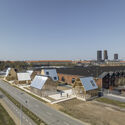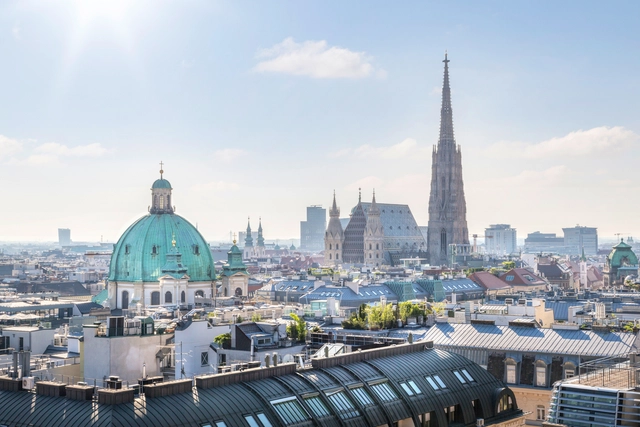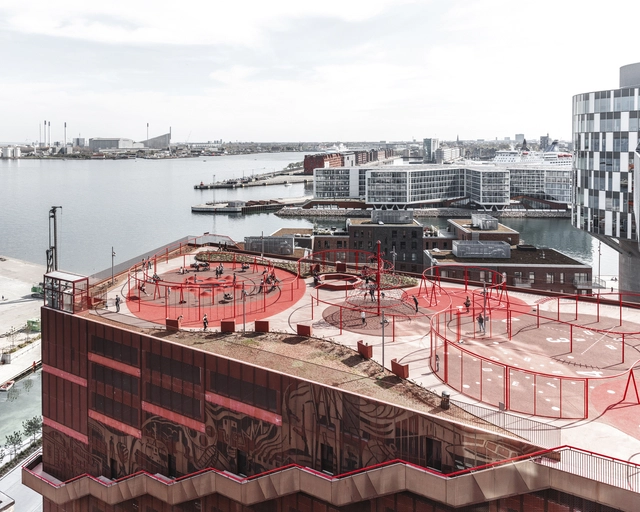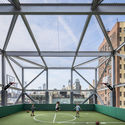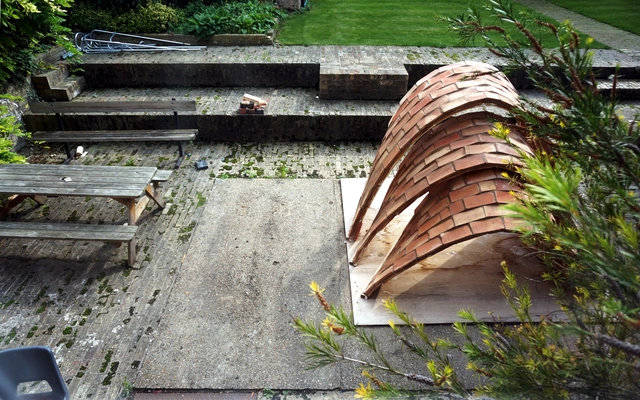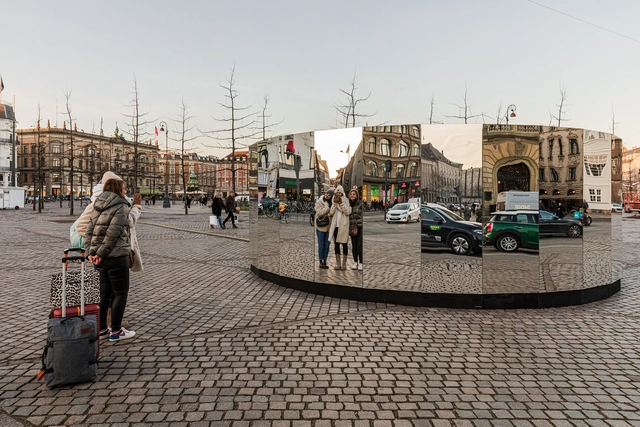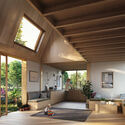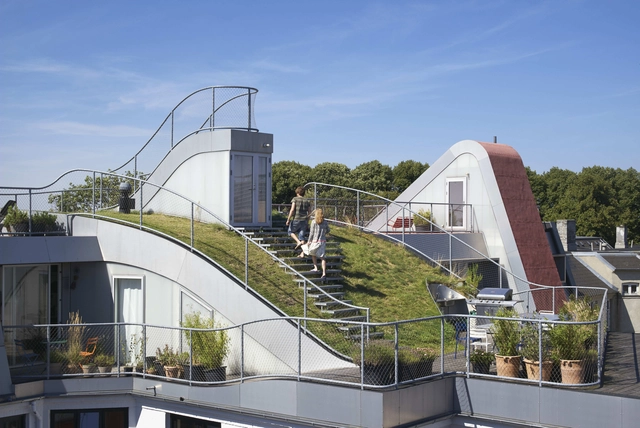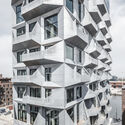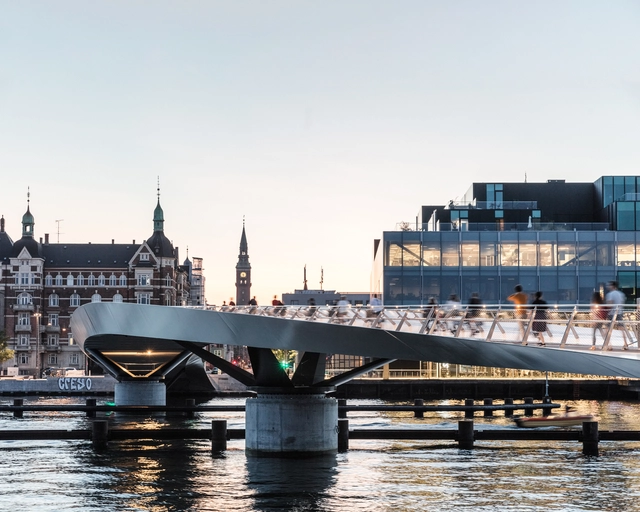
In increasingly denser urban environments, there is a new-found interest in underused spaces as opportunities for further development. Representing up to 25% of cities' land area, rooftops are among the most exciting spatial resources. From sustainable infrastructure and urban farming to social spaces and cultural venues, the article looks into the potential of creating a multi-layered city through the activation of urban rooftops.
As one of the major signature events taking place in connection with Copenhagen as the UNESCO World Capital of Architecture in 2023, Open House Copenhagen has revealed more than 50 sites included in its program. The event represents an invitation for visitors to take a look inside iconic buildings that are typically only visible from the outside. Included in the list are examples of floating architecture on Refshaleøen, one of Arne Jacobsen’s masterpieces, along wth unusual spaces such as the interior of a power plant or an underwater passage tunnel. Open House Copenhagen takes place on the weekend of March 25–26 2023. The event is open for everyone and is free of charge, but registration is required.
The Danish Architecture Center (DAC) has announced that the first permanent exhibition on Danish Architecture will open on March 24, 2023, in Copenhagen. The exhibition titled “So Danish!” tells the story of the evolution of architecture in the country, starting from the Viking Age and continuing to the present day. By presenting this history, it aims to help visitors understand the role and influence of architecture in the Danish democratic society.
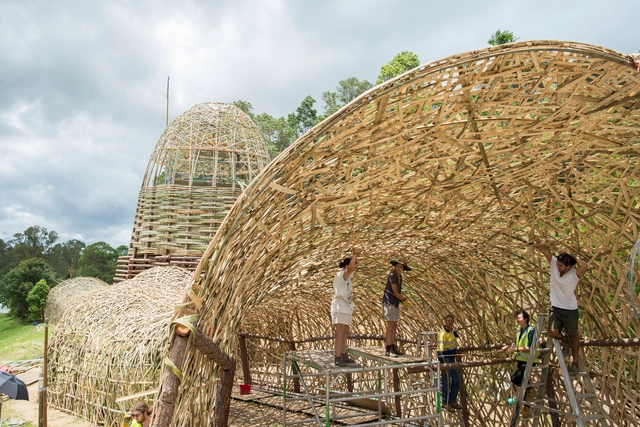
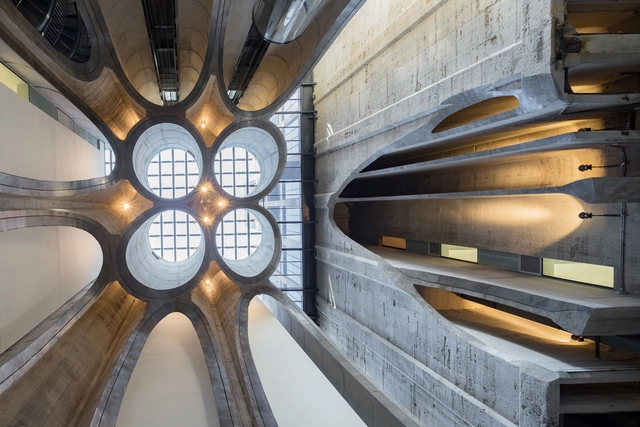
Hulking, imposing, and utilitarian, silos are an enduring urban feature, structures typically used for the storage of materials in bulk. They are important physical elements of the agricultural industry, storing grain, fermented feed, and other foodstuffs. These tall, typically cylindrical forms remain the subject of architectural fascination — from being symbols of technological progress for Modernist architectural figures of the early 20th century, to in contemporary times, instigating inventive approaches to adaptive reuse.
The UIA World Congress of Architects 2023 is an invitation for architects from all around the world to meet in Copenhagen to explore and communicate how architecture influences all 17 UN Sustainable Development Goals (SDGs). The Science Track of the UIA World Congress has been tasked with the development of the agenda, Sustainable Futures – Leave No One Behind. For more than two years, its international Scientific Committee has been analyzing the various ways in which architecture responds to the SDGs. The work has resulted in the formulation of six themes: climate adaptation, rethinking resources, resilient communities, health, inclusivity, and partnerships for change. ArchDaily is collaborating with UIA to share articles pertaining to the six themes to prepare for the opening of the Congress on July 2, 2023.
The Second Studio (formerly The Midnight Charette) is an explicit podcast about design, architecture, and the everyday. Hosted by Architects David Lee and Marina Bourderonnet, it features different creative professionals in unscripted conversations that allow for thoughtful takes and personal discussions.
A variety of subjects are covered with honesty and humor: some episodes are interviews, while others are tips for fellow designers, reviews of buildings and other projects, or casual explorations of everyday life and design. The Second Studio is also available on iTunes, Spotify, and YouTube.
Historically home to vikings, kings and queens, Copenhagen is a vibrant city that mingles contemporary architecture with traditional waterways, narrow cobblestone streets, old timbered houses and ancient castles. Filled with history, its buildings embody a historic legacy that traces the memory of all the characters, epoques and events in which the city has passed through. How to keep all this history alive? By refurbishing traditional buildings within modern design, Copenhagen respectfully enjoys its historical architecture while adapting to current trends.
Taking a moment to envisage the existing built environment before addressing a clean slate, refurbishment allows architects to repurpose existing structures for a new use, preserving its character and history while reducing the environmental impact of new constructions. Through the most outstanding cases of rehabilitation of classic buildings in the city, the following article analyzes three different strategies for reusing historic buildings through innovative and sustainable design.
Tu Casa by Lutolli Architects + Partners. Image Courtesy of Lutolli Architects + Partners
Architects play an important role in creating healthy, functional and aesthetically pleasing environments. Interior design represents a natural continuation of the same prerogative, and its importance has been accentuated in recent years, from the lockdown forcing many people to remain indoors for extended periods of time, to the rise of remote work. The task of the interior designer is not decorating spaces, but planning for an effective use of space, understanding the needs of the user and highlighting the intrinsic qualities of a space. Acoustics, lighting, material properties and proportions all play a role in achieving a coherent and enjoyable interior space.
This week’s curated selection of Best Unbuilt Architecture highlights interior design projects submitted by the ArchDaily community. From a pastel-colored library in Turkey to a renovated symphony hall in San Diego, US, this selection of unbuilt projects showcases how architects design interior spaces by integrating textures, materials, light, and color in well-proportioned spaces. The article includes projects from Turkey, US, Switzerland, Indonesia, UK, and Denmark.
True beauty in architecture lies in its ability to serve and improve human experience, yet this fundamental principle is not always upheld. Too often, we see “public” buildings that do not integrate into the urban fabric, are disconnected from their surroundings and fail to contribute to a city’s vibrancy and quality of life. Some may be quite beautiful to look at, but if they are not functional, comfortable, and welcoming to the people they are meant to benefit, their value as public spaces becomes rather questionable. Architectural icons like the Sydney Opera House and Bilbao Guggenheim Museum, for example, are celebrated not just for their stunning silhouettes or breathtaking interiors, but because they enhance culture and city life, enrich the community, and offer diverse opportunities for interaction and public involvement. It is this holistic, human-centered approach to design that allows these landmarks to become integral parts of a city’s identity, one that is embraced and owned by its citizens.
When we google 'housing in Copenhagen', the first thing that pops up are the most common questions asked by users: how much does it cost to live in Copenhagen? Is it difficult to find housing in Copenhagen? It's true, living here is significantly more expensive than the European average, especially in its most central district: Indre By. Although the housing prices are adapted to the salaries of its citizens –and the quality of life index is consistent with this high cost–, it's still complex for a foreigner to settle permanently in the city.
However, there is a serious commitment from the authorities and stakeholders to kindly open the city to new inhabitants, offering affordable housing designed by its best architects –both in suburbs and in refurbished downtown areas. In 2023, Copenhagen will be the UNESCO-UIA World Capital of Architecture and the host of the UIA World Congress of Architects, so a large number of people will be able to see firsthand what it's like to inhabit the city in projects of great architectural quality, which not only integrate wisely into its vibrant urban life, but also propose innovative ways of living.
Denmark has continually topped the survey for the happiest countries, according to the World Happiness Report. For urban designers, Copenhagen, the capital of Denmark, has become one of the most cited case studies regarding carbon-neutral infrastructure, pedestrian and bike-friendliness, and the outstanding qualities of its public realm. According to the Dansk Arkitektur Center, over 10,000 architects are expected to visit Copenhagen in the following year, to join the guided tours, exhibitions, debates, and cultural events that put design and architecture in the spotlight.
Cities evolve over countless years, each moment of change building up to larger societal and architectural shifts. Metropolises across the world are constantly subject to social, political, economic, or environmental forces that alter their fundamental identity - a character that is meant to be dynamic. As cities develop in size and impact, advancements in the understanding of cities and urbanism grow more complex.
Cities are formed from a sequence of narratives, characteristics, relations, and socio-spatial values that reflect the identity of the place. The livelihood of the city also depends on its people and a mutual relationship with them. Along with their communities and their circumstances, cities morph to reflect their residents' needs and values.
JAJA Architects won the competition organized by Metroselskabet, Denmark, to develop resource-efficient and climate-friendly metro stations. The winning team takes a comprehensive and holistic approach, looking at both material-optimized and sustainable design solutions and the character of the journey that passengers take to reach their destination. The proposal is centered around three core elements: Materials, Mobility Hub and Climate Campaign. While aiming to reduce CO2 emissions, the team also seeks to create an enjoyable and easy-to-navigate space for the many daily passengers. Snøhetta, 3XN/GXN, and Effekt also participated in the competition.