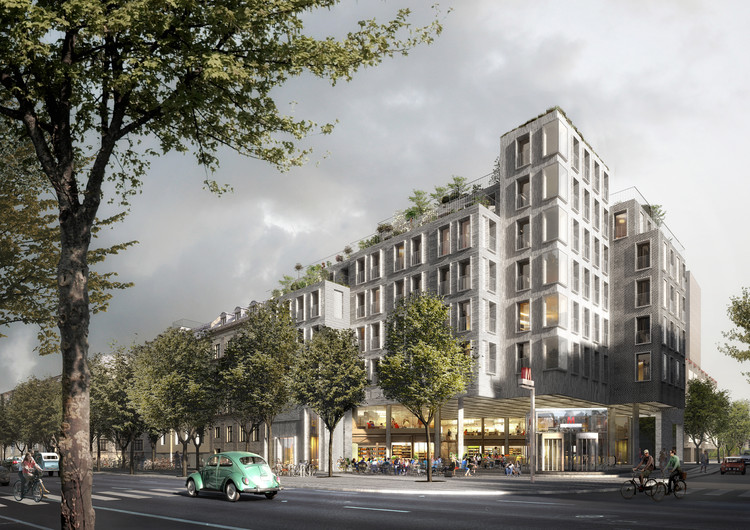
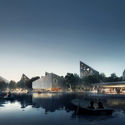
As architecture is increasingly reliant on renderings to convey its message and depict the unbuilt, many practices turn to seasoned 3D artists to help them portray their designs in the most favourable light; thus they externalize visualizations to a handful of firms.
Architects, not Architecture decided to open their archive to help us cope with the current situation of not being able to go out as usual and create a source of inspiration and entertainment through sharing one of the unique talks from their previous 35 events, which have never been published before – including those of architects like Daniel Libeskind, Peter Cook, Richard Rogers, Massimiliano Fuksas, Kim Herforth Nielsen, Tatiana Bilbao, Benedetta Tagliabue, Mario Botta, Anupama Kundoo, and Sadie Morgan.
Every week, Archdaily will be sharing one of the Architects, not Architecture. talks which they are currently publishing online in the form of daily full-length video uploads as part of their “new event”: Home Edition 2020
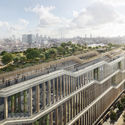
Architecture practice Cobe has created a new design center concept for multinational organization and automaker Geely in Sweden. The 14,000-m² project is made in part to form the setting for Geely Design’s development of the new electric car brand Lynk & Co. The center will be a multi-purpose building designed to perform as a four-story machine.
Another year, another successful ArchDaily Building of the Year Awards! With more than 95,000 votes gathered over the past 20 days, the results of the 2020 edition are in! Once more, the award has proved to be the largest architecture prize centered around people’s opinion. Crowdsourced, the most relevant projects of the year were both nominated and selected by our readers.
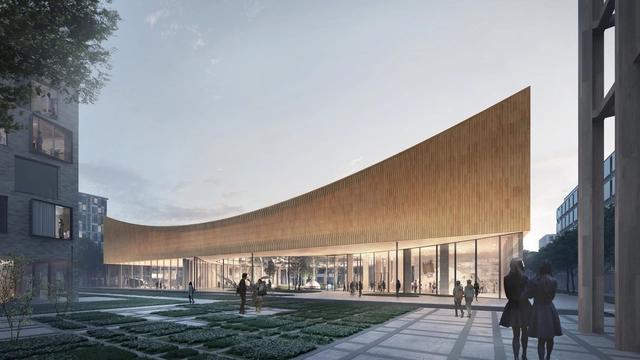
Danish architecture firm COBE has won an international competition for a new science museum in the Swedish university city of Lund. The museum will be sited in the middle of the new urban district around Science Village Scandinavia, which is an international research environment dating back to the tenth century. The new science center will be fully CO2-neutral and aims to become an icon of sustainability.
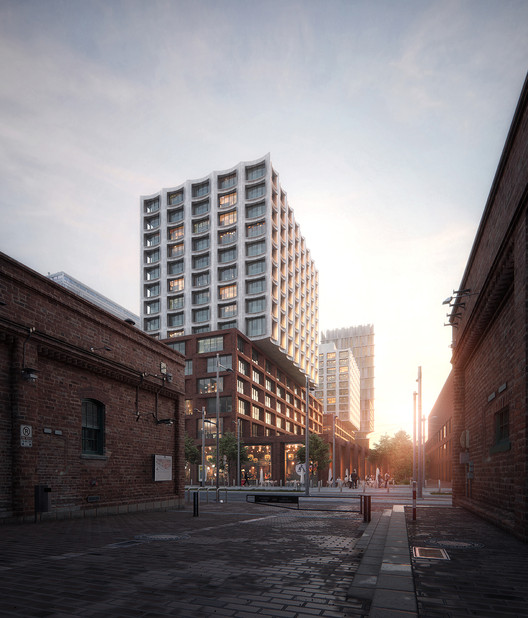
Danish architectural firm COBE has designed a new mixed-use affordable housing development in downtown Toronto. Working with architectsAlliance, the team has designed three buildings that contain over 760 market rental units, 30% of which are affordable. Sited in one of the fastest growing areas of Canada, the new community project is designed to achieve LEED Gold certification. The development aims to combine spaces for recreation, living and working.
Europahafenkopf. Image Courtesy of COBE Architects
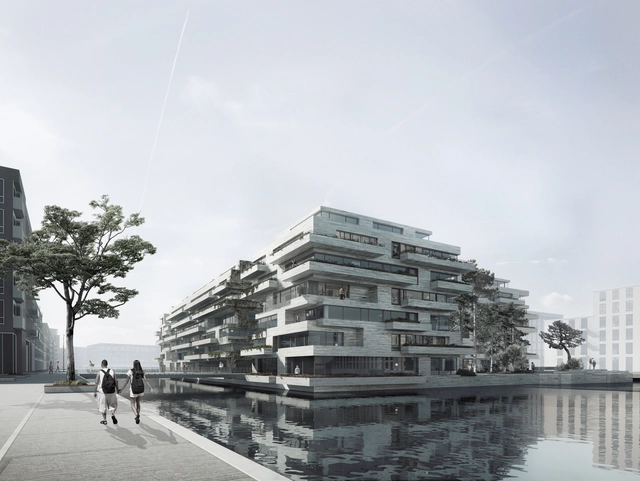
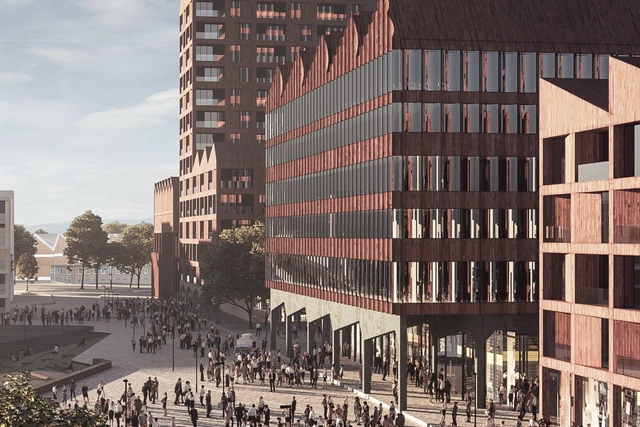
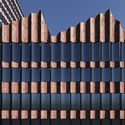
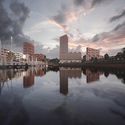
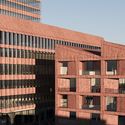
Danish practice COBE Architects have broken ground on a new mixed-use development along Bremen Harbor in northwest Germany. Titled Europahafenkopf, the project aims to transform the city's industrial port to a new city quarter. The design includes four buildings housing residences, offices, commercial space, and a car park. Located at the end of the harbor, the project was made to connect the historical city core with Bremen’s new neighborhood.
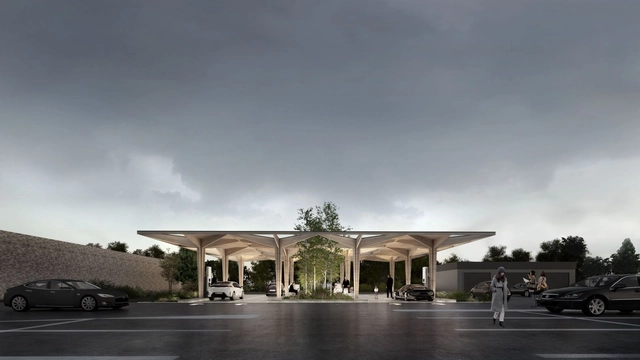
In our modern day society where every minute counts, Danish architecture firm COBE, in collaboration with Danish automotive technology company, CLEVER, has designed a new modular ultra-fast charging station for electric vehicles. These stations will not only aim to reduce the typical 45-minute charging time but also serve as a place where drivers can relax.
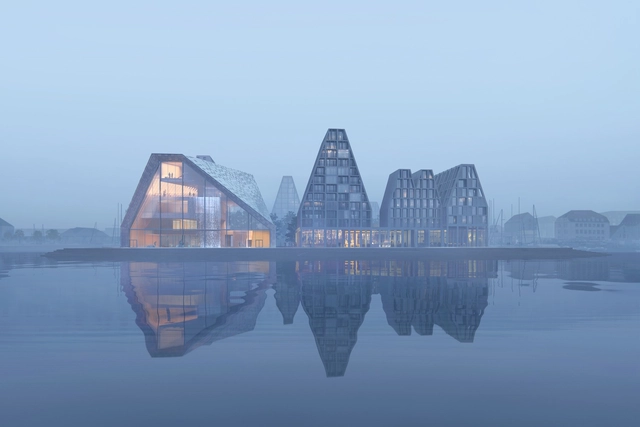
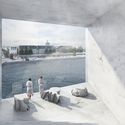
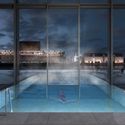
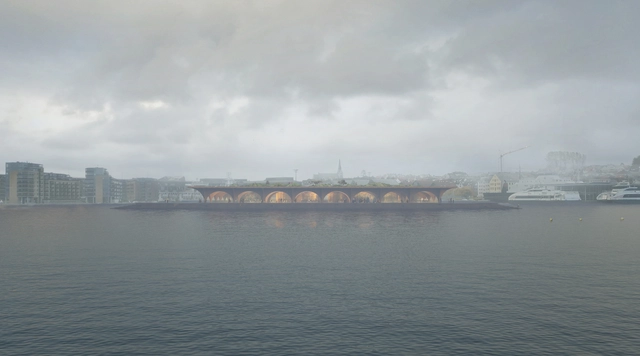
Soon the people of Stavanger, Norway will get to see the LERVIG beer brewing process at the new 11,000 square meter visitor center and brewery designed by Danish architects COBE. An iconic focal point on what was once an industrial pier, the building will offer many new amenities to central Stavanger. The brewery will be encircled by public spaces such as a harbour bath and Norway’s first west-coast ‘street-food’ market, complete with a green roof above. From these periphery spaces, guests will be able to view the brew tanks and fermentation process happening in the heart of the building.
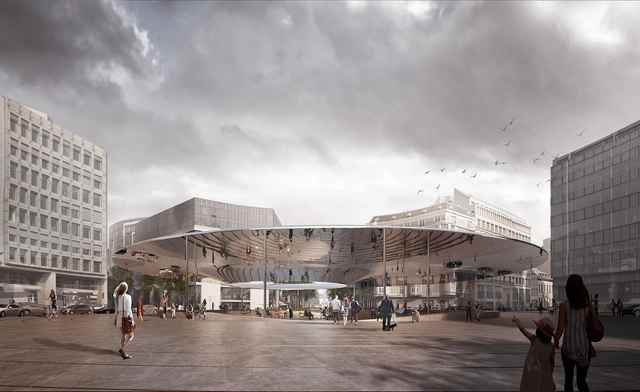
The Danish/Belgian team of COBE and BRUT has been selected as the winner of an international competition for the transformation of the Place Schuman, the entrance to the European Union headquarters in the European Quarter of Brussels, Belgium.
Aimed at creating a new “urban agora” for the city, the architects borrowed the shape of the European Parliaments’ hemicycle to create an iconic reflective roof structure that will unite all citizens and institutions of the EU within one central meeting point.
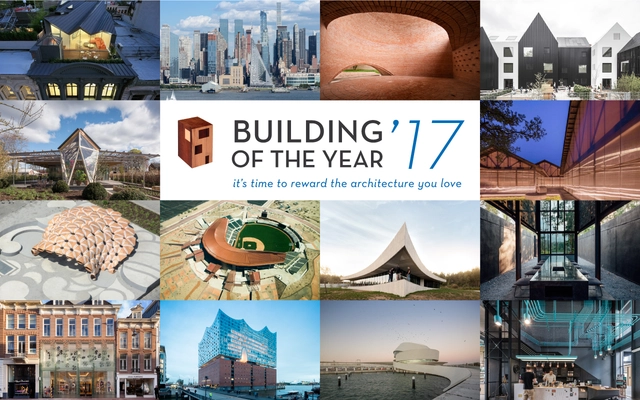
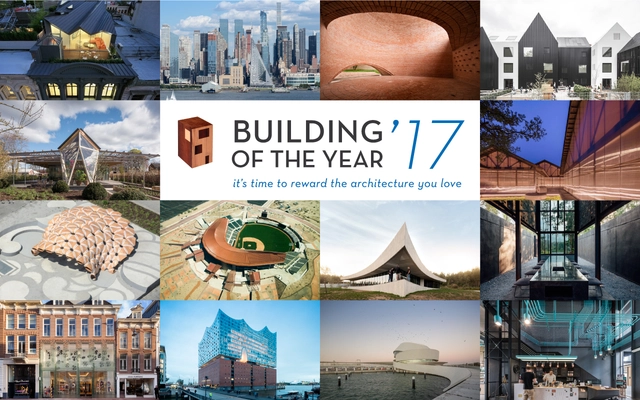
After two weeks of nominations and voting, last week we announced the 16 winners of the 2017 Building of the Year Awards. In addition to providing inspiration, information, and tools for architecture lovers from around the world, ArchDaily seeks to offer a platform for the many diverse and global voices in the architecture community. In this year's Building of the Year Awards that range of voices was once again on display, with 75,000 voters from around the world offering their selections to ultimately select 16 winners from over 3,000 published projects.
Behind each of those projects are years of research, design, and labor. In the spirit of the world's most democratic architecture award, we share the stories behind the 16 buildings that won over our global readership with their urban interventions, humanitarianism, playfulness, and grandeur.
With two weeks of nominations and voting now complete, we are happy to present the winners of the 2017 ArchDaily Building of the Year Awards. As a peer-based, crowdsourced architecture award, these winners were chosen by the collective intelligence of over 75,000 votes from ArchDaily readers around the world, filtering over 3,000 projects down to the 16 best works featured on ArchDaily in 2016.
In being published on ArchDaily, these 16 exemplary buildings have helped us to continue our mission, bringing inspiration, knowledge, and tools to architects around the world. This award wouldn't be possible without the hundreds of firms that choose to publish their projects with ArchDaily every year, or without those who take part in the voting process to become part of our thousands-strong awards jury. To everyone who took part—either by submitting a project in the past year, or by nominating and voting for candidates in the past weeks—thank you for giving strength to this award. And of course, congratulations to all the winners!
Read on to see the full list of winning projects.
https://www.archdaily.com/804859/winners-of-the-2017-building-of-the-year-awardsAD Editorial Team
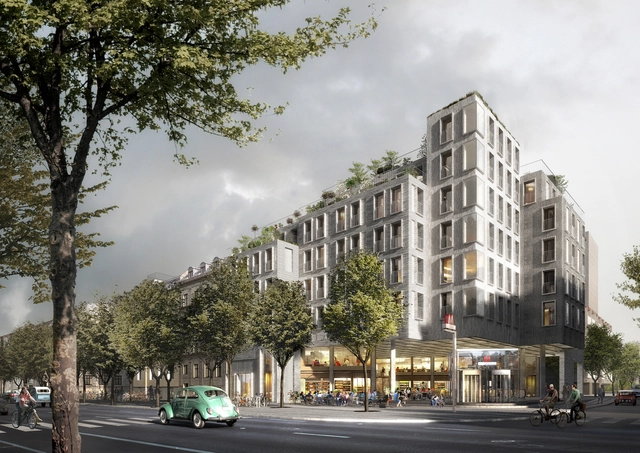
The City of Frederiksberg, along with Real-dania By and Byg Foundation have selected a team led by Danish architects COBE to develop the "House of Food Culture." The project will be constructed on top of the new metro stations in Copenhagen's new Metro City Ring. The House of Food Culture and its townhouses will be built in brick, imitating the neighbouring facade lines and keeping with the style of the historic surroundings.
The House of Food Culture is to be built on top of the entrance to the forthcoming metro station that will host a daily flow of 10,000 people, while focusing on making it the focal point for urban life and a central meeting place.
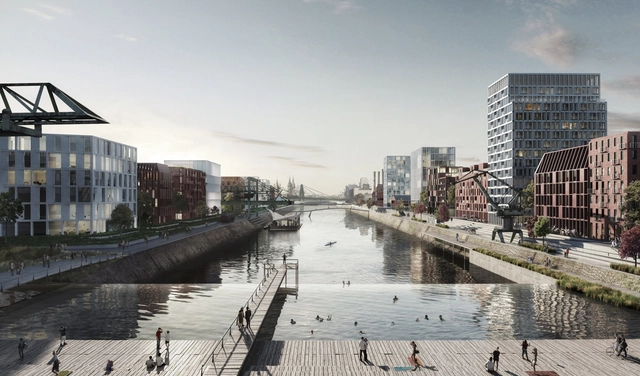
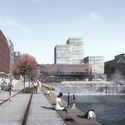
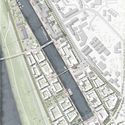
Danish firm COBE has been announced as the winner of a competition for the revitalization of Deutzer Hafen, the harbor district of Cologne, Germany. Unanimously selected over proposals from Lorenzen, Diener & Diener Architekten, Scheuvens + Wachten, and Trint + Kreuder dna, the winning design will transform the old industrial harbor into a vibrant, sustainable neighborhood through the addition of a new city landmark: a new public pool and huge waterfall at the end of the harbor.
The pool will be sustained through environmentally-friendly methods, utilizing collected rainwater and excess heat expelled from buildings to provide the public with an exciting new attraction.
Courtesy of COBE, Vilhelm Lauritzen Architects and Sted
Danish firm Vilhelm Lauritzen Architects has lead a team comprised of COBE, Sted, and Rambøll in the design of a brand new island in Copenhagen's harbor. Situated in the Kronløb water basin in Nordhavn, the monolithic presence of the Kronløb Island references the geological processes by which the topography of Denmark was formed. The floating new district will include parking facilities, housing, and public spaces.
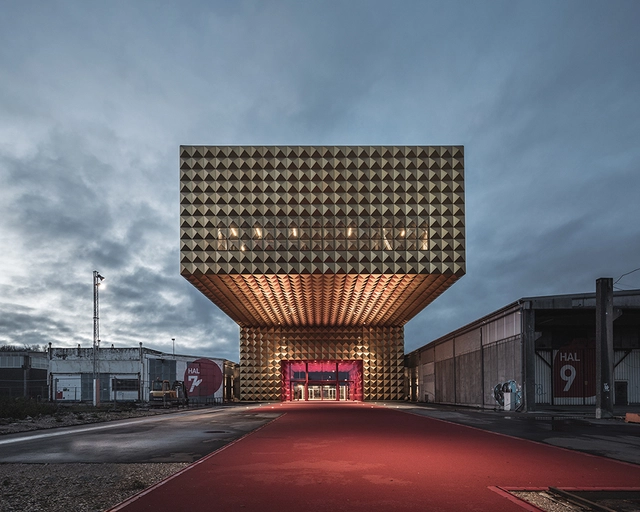
A new museum dedicated to rock, pop and youth culture will open today in the Danish city of Roskilde. Designed collaboratively by Dutch-based practice MVRDV and Copenhagen-based COBERagnarock, as it is to be known, has been described by its designers as "oozing rock’n’roll attitude, with its golden exterior and velvety red interior." The museum is part of ROCKmagneten, a masterplan for the site of a former concrete factory which COBE and MVRDV won together in 2011. The area has since been designated as a creative and cultural neighborhood and the museum, which is now at the heart of this transformation, is set to be open to the public all year round.
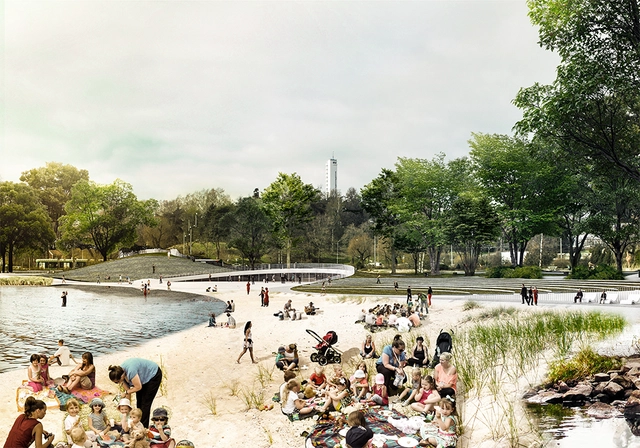
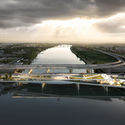
COBE and Lundén Architecture, the Danish-Finnish collaboration that has previously worked together on Tampere's Transport Hub, has revealed a plan to revitalize the Töölönlahti bay area in central Helsinki. Completed for the Finnish creative marketing agency N2, the proposal is a vision of what the area could become after a century of broken promises to clean up the polluted and underutilized area of the city. On their website, N2 estimates that the project would require an investment of €120 million, and if taken up by the government could be completed in time for the 100th anniversary of Finland's independence in 2017.


.jpg?1589997196&format=webp&width=640&height=580)
.jpg?1589997217 "Courtesy of Cobe")
.jpg?1589997246 "Courtesy of Cobe")
.jpg?1589997172 "Courtesy of Cobe")
.jpg?1589997416 "© Rasmus Hjortshøj - COAST")
.jpg?1589997196)







.jpg?1479828101 "Courtesy of COBE")