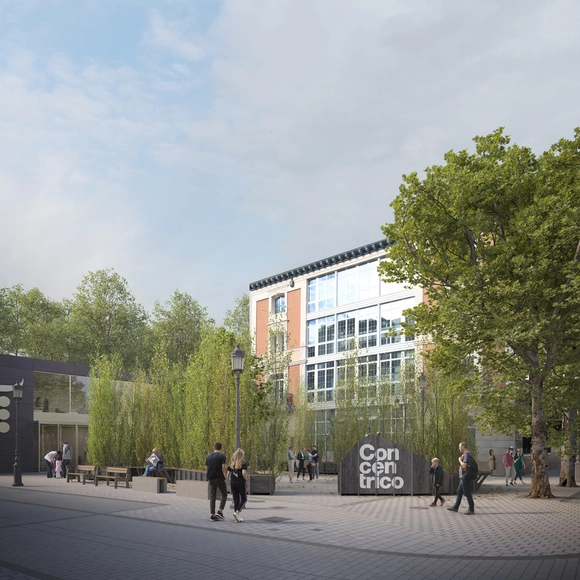
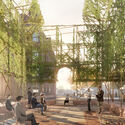
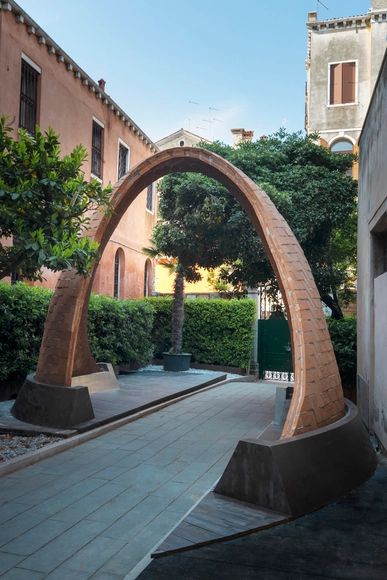
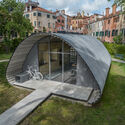
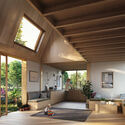
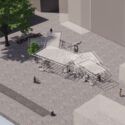
Poplar Assembly / Francisco Javier García García . Image Courtesy of Concéntrico
Now in its 10th edition, Concéntrico, the international festival of architecture and design in Logroño, has announced the winners of the open calls for urban interventions. Responding to the call to ‘Celebrate the City,’ the winning proposals will be temporarily built in Plaza Escuelas Trevijano, in Viña Lanciano of Bodegas LAN, and in Paseo del Espolón in the Spanish town of Logroño. The Festival welcomes visitors between April 25 and May 1, 2024, to explore the city through installations, exhibitions meetings, and performances.
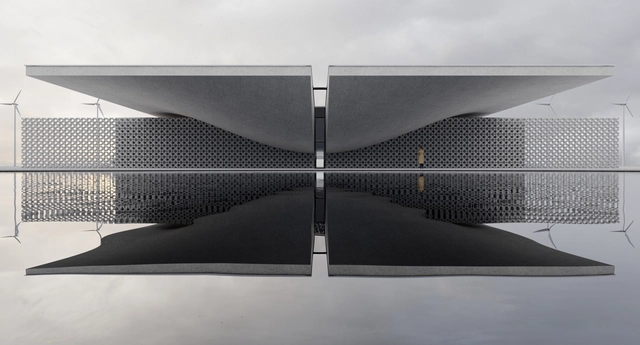
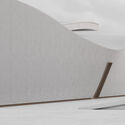
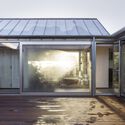
Vitryak Visitor center / MAKHNO Studio. Image Courtesy of MAKHNO Studio
Whether temporary or permanent, pavilions and urban installations represent an opportunity for architects to experiment with different shapes, materials, and textures. The results are often theatrical, welcoming visitors to new types of spaces, and blending the exterior and the interior. Pavilions are often commissioned for events, exhibitions, or cultural programs, offering opportunities to explore innovative materials, construction techniques, and spatial concepts on a smaller scale. Some events, like the Serpentine in UK or the MPavilion in Australia, propose a yearly reimagining of their structures, offering opportunities for established and emerging architects to express themselves. Others, like the Venice Biennale, reuse the permanent garden pavilions, but invite curators to prepare exhibitions to reimagine them for every edition.
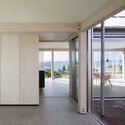
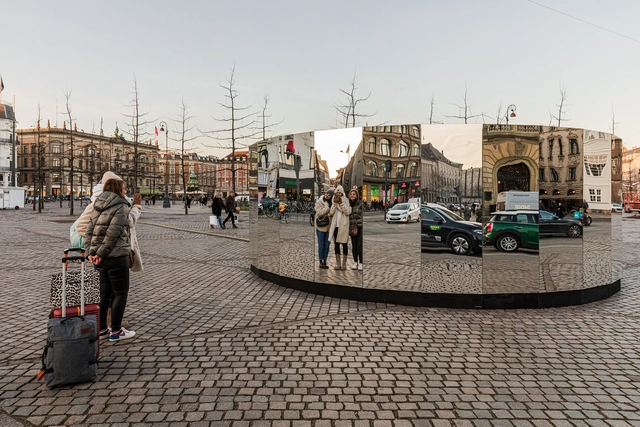
This week's curated selection of Best Unbuilt Architecture highlights projects submitted by the ArchDaily community showcasing pavilions and urban installations proposed in various environments, from urban plazas to agricultural fields or even airports. In Frankfurt, a translucent foliage-covered structure aims to honor the memory of a lost synagogue. in Ukraine, a visitor center reimagines an industrial landscape into an attractive meeting place, while a decentralized installation in the Netherlands hopes to bring communities together by collecting and sharing stories on scents. Whether temporary or permanent, these projects aim to provoke reflection and contemplation, while addressing larger themes of sustainability, resource availability, or the role of social spaces.
The built environment represents, for most of us, the background of everyday life, and yet, when we look at a building, we rarely understand what it is made of. In doing so, we also fail to understand its impact on us and on the larger systems of nature. Office Kim Lenschow aims to draw attention to this and to provoke critical thinking in relation to architecture and the materials that make it. By focusing on small-scale, mostly residential projects, the office seeks to reveal this hidden narrative of materials and cultivate more awareness and engagement with the structures surrounding us. For their involvement in the exploration of materials and sustainable development, Office Kim Lenschow has been selected as one of the ArchDaily 2023 New Practices. Every year since 2020, ArchDaily has curated and highlighted emerging offices that bring a new perspective to the field of architecture and design.
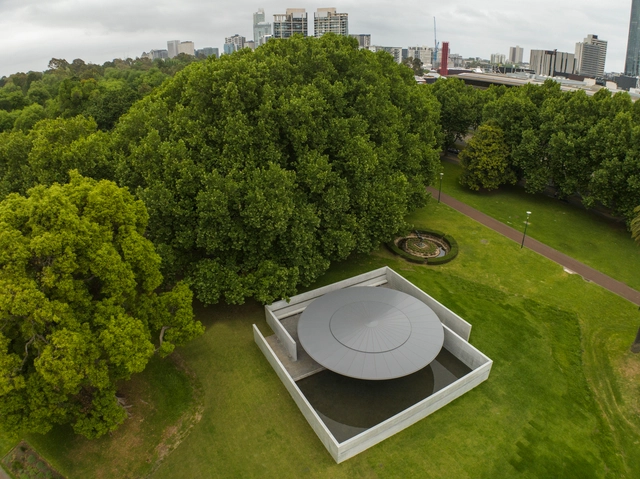
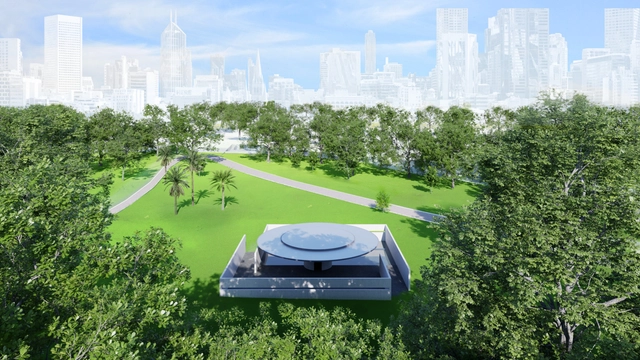
The tenth edition of the MPavilion opens in Queen Victoria Gardens in Melbourne, Australia. The structure was designed by Pritzker Prize-winner Tadao Ando, marking the architect’s first built project in Australia. The pavilion follows his signature use of geometric shapes in harmony with the natural landscape and the precise use of exposed concrete. On November 16, 2023, the official opening inaugurates the space with a public celebration and a wide array of art commissions selected by the Naomi Milgrom Foundation. The MPavilion will remain free and open to the public from 16 November to 28 March 2024, inviting visitors to engage with its diverse cultural program and find opportunities for contemplation and tranquility in its spaces.
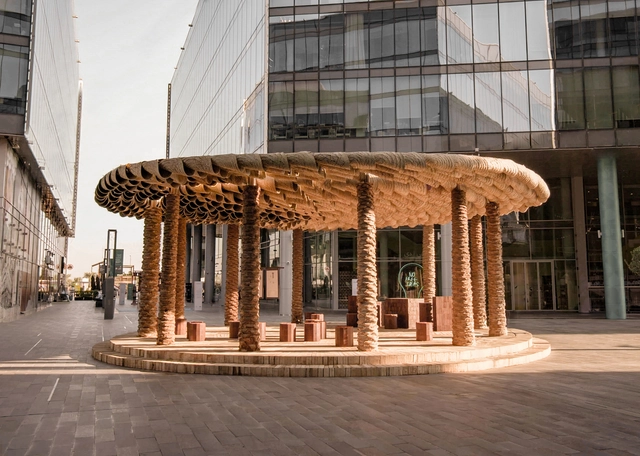
Of Palm / Abdalla Almula. Image Courtesy of Abdalla Almula
Happening between November 7 and 12, Dubai Design Week 2023 brought together over 500 designers, architects, and creative practitioners to explore the relationship between traditional practices and emerging technologies in an effort to create more environmental sustainability and design-led social impact solutions. As one of the most important cultural events in the Middle East, the festival brings forward a wide offering of installations, artworks, and immersive experiences, all exploring important topics of eco-friendly design.
This year’s interventions and installations drew inspiration from the region’s natural ecosystems as well as local traditions and craftsmanship while merging these practices with innovative technologies, biomaterial explorations, and reimagined ways of practicing. Across the interventions, a recurring motif emerges, that of celebrating Middle Eastern heritage and engaging productively with vernacular practices.
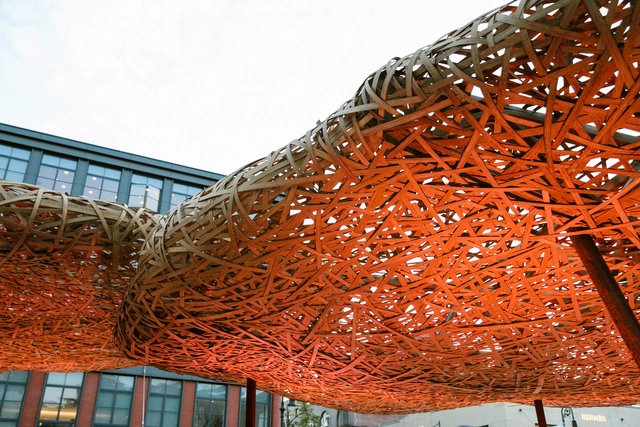
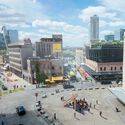
From October 12 to 18, NYCxDESIGN presents the Design Pavilion, a prominent public architectural exhibition in New York. Occurring during Archtober, a month-long celebration of architecture, this year's Design Pavilion highlights three imaginative installations spanning materiality, sustainability, social justice, and more.
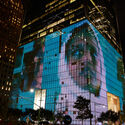
Two tangible installations have been designed to transform Gansevoort Plaza in the Meatpacking District into urban retreats, while the third exhibit offers a digital art projection at the World Trade Center Podium, addressing the nation's history of enslavement and the quest for healing. Along with the pavilions, the Design Talks program highlights and opens discussions on relevant issues of the profession, centering around themes of sustainability, repurposing, and waste reduction.
For the 18th year, the International Architecture Awards has returned to celebrate outstanding architectural achievements globally. Based in Chicago, these awards feature exceptional new buildings, urban planning projects, and landscape architecture of 2023. Additionally, this month, the Chicago Architecture Biennial (CAB 5) is currently taking place in the city. Both the awards and the Biennial attempt to shed light on each country’s architectural, design, cultural, and social trends.
By the time I was 17 years old, I had moved 11 times. Because of my own experience relocating from one place to another, I’ve spent the better part of the last several decades focused on making sure that everyone has a place to call home, that everyone enjoys the human right to housing. But it was not until my time at Enterprise Community Partners, a nonprofit focused on community development and affordable housing, that I realized the methods and materials we employ to realize that human right matter.
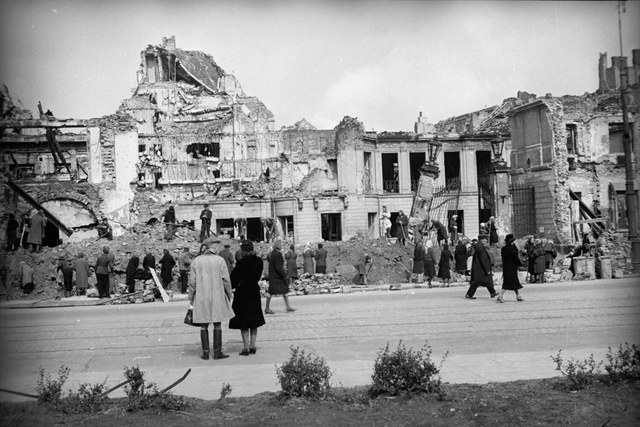
Zofia Chom�towska, Rubble clearance effort at the site of the Blank Palace on Theatre Square, 1945. Image Courtesy of Museum of Warsaw
The exhibition “Warsaw 1945-1949: Rising from Rubble” took place this year at the Museum of Warsaw, exploring the postwar reconstruction and rebuilding process that took place after the war. After the Second World War, Warsaw’s entire urban fabric, architecture, and social and economic status had to be rebuilt from the ground up. Curated by Adam Przywara, the exhibition “offered a new perspective on the myth of the postwar reconstruction of the Polish capital city and one of the most interesting pages in its history.”
From the top floor of the Hilton Hotel at Tucherpark in Munich, you could see the skyline of the city dotted with construction cranes, a reflection of its current state of development. With this backdrop of old meets new, this year’s edition of the Architecture Matters conference started its program under the title “Second City: The New in the Old.” While the title could have been fitting for a preservation conference, Architecture Matters actually brought together a diverse group of architects, urbanists, engineers, city planners, government officials, developers and technologists to discuss forward looking ideas for the built environment. Reduce, reuse, recycle, and the circular construction dominated the discussion across different scales, from city planning to new materials, and tech startups.
Materiality is a determining factor in shaping the character and experience of a building. Playing with the aesthetic and tactile qualities of materials, the design process encompasses their analysis, selection, and arrangement to create purposeful and sensory-rich spaces. Alongside textures and patterns, exploring materiality also involves the study of color possibilities. The versatile role of color in architectural materials extends beyond mere aesthetics, as it can broaden design opportunities and influence emotional responses, functionality, cultural relevance, and environmental performance.
Even though each material has its distinctive inherent color, the addition of artificial or natural pigments can modify them in favor of the project’s identity. Delving into the debate on maintaining raw aesthetics or changing a material’s natural hues, we showcase various projects to study the differences between using natural versus artificial pigmentation of glass, concrete, brick, stone and wood.
There are many building materials that have experienced minimal changes since their initial inception in the field of architecture. However, this does not imply that they are outdated, but rather that their qualities and simplicity make them highly versatile materials also demonstrate the resilience and durability of materials that withstand the test of time. An example of this is brick, a timeless material that has been able to adapt over the years, serving functions such as walls, cladding, and flooring, among others. Under this premise, Louis Khan referred to the expressive possibilities of brick, stating, "Even a brick wants to be something. It aspires."
Thanks to the progress of new technologies applied to materials, disruptive proposals have arisen that converge in new construction systems. On many occasions, these new technologies are combined with materials considered "traditional," generating new concepts in which materials such as brick find new applications and possibilities. One of these new concepts is Flexbrick, a ceramic textile with an industrialized system that combines flexible sheets to wrap architectural spaces. This opens up new possibilities for applications at the forefront of the parametric architecture revolution, using a flexible, adaptable, and sustainable material.
https://www.archdaily.com/1003807/algorithm-based-architecture-flexible-bricks-to-wrap-architectural-spacesEnrique Tovar
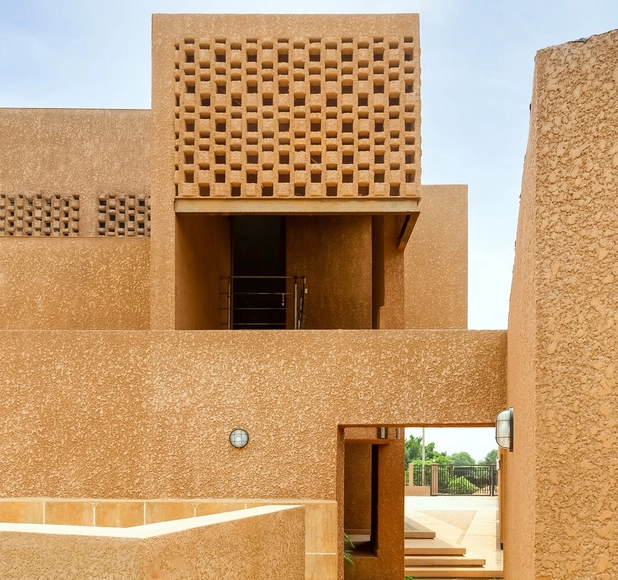
In Lagos, a city with a complex urban fabric that includes historical buildings and vast interpretations of contemporary architecture, lies PatrickWaheed Design Consulting (PWDC). This design practice, Co-led by Adeyemo Shokunbi, aims to contribute to a Nigerian architectural language through the renaissance of local materials. Through explorations anchored in local laterite, they have developed the material as a modern finishing technique, investigated its potential as a natural dye, discovered new ways to employ its thermal properties, and now build the research prospect of other local materials. I had the opportunity to speak with Architect Shokunbi, who discussed the initial inspirations and investigations during the construction of two building projects (Mad House & Abijo Mosque) in Lagos. These projects brought the Laterite finishing technique to life and now help build the case for a Nigerian architectural language.
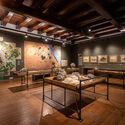
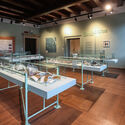
The European Cultural Centre (ECC), a non-profit organization dedicated to fostering cultural exchanges on an international scale, showcased its sixth edition of the Time Space Existence architecture exhibition alongside this year's Venice Architecture Biennale. The 2023 installment was centered on the theme of sustainability in its various forms, encompassing subjects related to migration,digital building technologies and material research, future urban developments, and housing, bringing together architects, designers, artists, academics, and photographers from 52 different countries.
Through diverse mediums and perspectives, participants have explored the philosophical concepts of Time, Space, and Existence. With a total of 217 projects on display, the exhibition is held at Palazzo Bembo, Palazzo Mora, and the Marinaressa Gardens in Venice, throughout the six-month duration of the 2023 Venice Architecture Biennale, running from May 20th to November 26th, 2023. Focusing also on emerging young architects, designers, and researchers, the 2023 edition of the exhibitionis a proactive endeavor to reimagine alternative lifestyles and reconceptualize architecture within the contemporary landscape.
Almost two decades ago, in the downtown corridor of Columbus, Ohio, the century-old landmarked Lazarus Building underwent an extensive renovation to save the department store and restore it to its former glory. Sixty million dollars went into its restoration and transformation into a retail and office complex. During the construction, workers recycled nearly 5,000 pounds of steel, 2,000 pounds of concrete, and significant amounts of carpeting, ceiling tiles, and various wood- keeping 22,000 pounds of debris out of Ohio’s landfills. They also saved more than $25 million dollars by implementing this rigorous recycling process.
The Naomi Milgrom Foundation has revealed the design of its tenth MPavilion, designed by Pritzker Prize-winner Tadao Ando, set to open during Australian summer, on November 16, 2023. Reflecting the architect’s architectural approach, the design unveiled the “use of striking geometric interventions in nature and […] concrete.” Once ready, the intervention will become the architect’s first commission in Australia. Created as a new gathering place situated within Melbourne's cultural and botanical garden precinct, MPavilion 10 responds directly to the park's surroundings by emphasizing spatial purity and utilizing the geometric shapes of circles and squares.
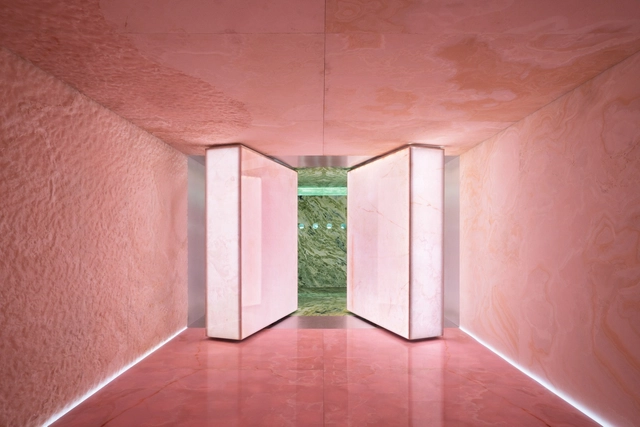
Health Through Water / GROHE SPA. Image Courtesy of GROHE SPA
Milan Design Week represents one of the biggest annual design events in the world, bringing together Salone del Mobile.Milan, the largest furniture and design trade fair worldwide, and Furiosalone, along with many other exhibitions, product launches, conferences, and design-related events. This year’s edition, held between April 17th, 2023 and April 21st, 2023, brought together architects, designers, manufacturers and enthusiasts, both Italian and international. Many architectural offices contributed by collaborating with various brands to develop architect-designed products and to create architectural installations to highlight not only furniture and object design but also the larger context of Milanese architecture and culture.
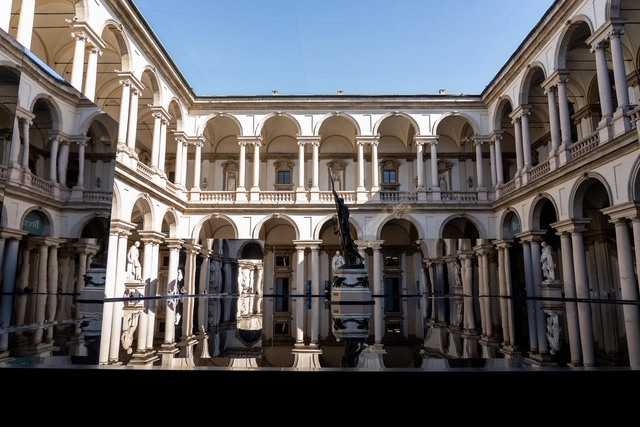
Featuring designs from internationally recognized architecture offices such as OMA, MAD Architects, Stefano Boeri Interiors and CRA-Carlo Ratti Associati, the following selection showcases temporary interventions in both historical and contemporary contexts. The designs present several recurring themes, such as the interest and fascination with the properties of water, be it contained within man-made structures or in its natural state. Many of the participating companies chose to showcase not only their products but also the historical architecture of Milan, by using buildings such as Pinacoteca di Brera, Casa Maveri, or the deconsecrated church of San Vittore e 40 Martiri as a backdrop for their installations.