


-
Architects: architecturestudio
- Area: 3700 m²
- Year: 2019
-
Manufacturers: Kuraray
-
Professionals: CVC, Aclimatar, Estudio MARSHAL, Estudio Jaime Lande y Asoc, Aselec, +4

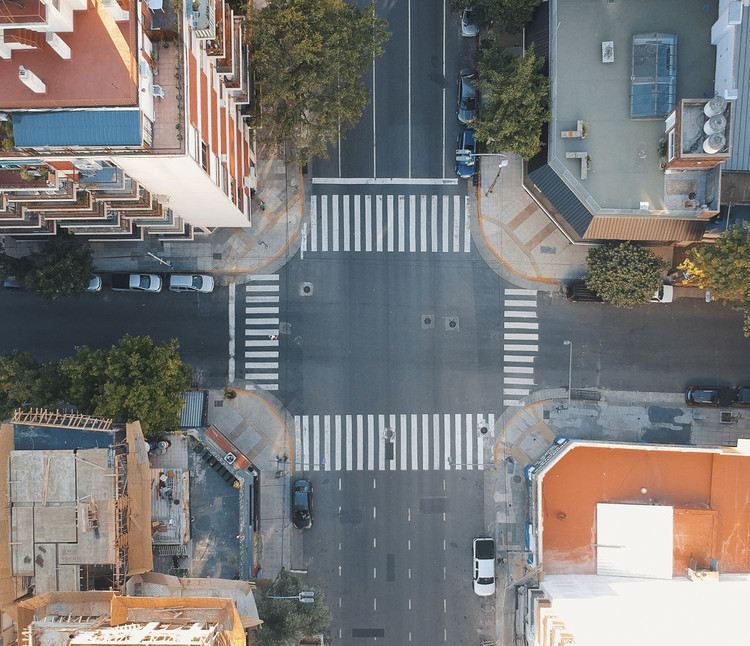
Since March 20, the Argentine government has taken drastic measures to protect the public and curb the spread of COVID-19, including mandatory social isolation. Under these measures, residents and anyone visiting the country must remain indoors and abstain from visiting public spaces until the March 31.
Perhaps nowhere are the effects of the quarantine more notable than on the streets. All cultural, recreational, athletic, and religious events have been cancelled. Public areas like plazas and parks are ghost towns. With the streets closed, balconies have become the new platforms for everything from social interactions and celebrations to protests.
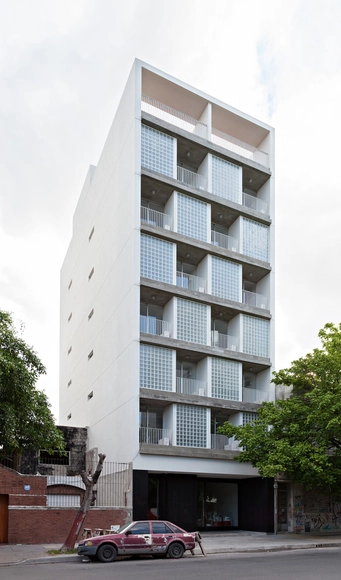
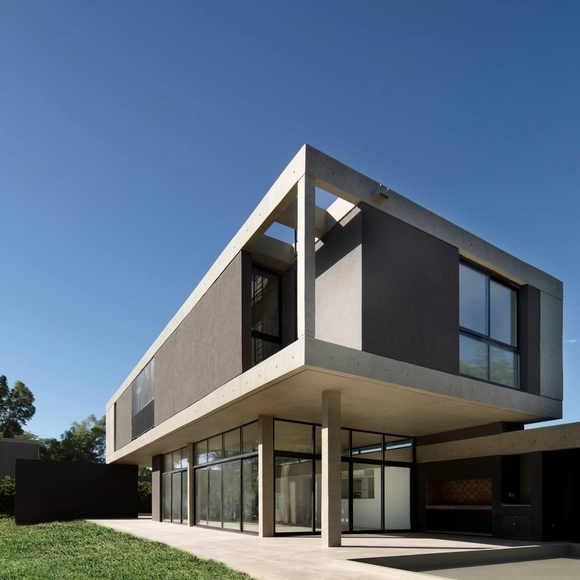

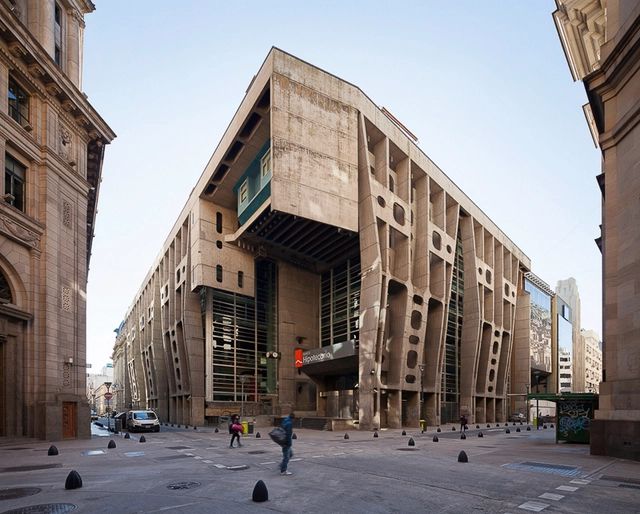
Relatively unknown outside his home country, Clorindo Testa (December 10, 1923 – April 11, 2013) was one of Argentina’s most important 20th-century architects. Consistently defying categorization, Testa had a hand in two of Buenos Aires’ most iconic buildings, the Bank of London and South America, and the National Library, as well as many others throughout his long career. Characteristically enigmatic, Testa would only ever acknowledge Le Corbusier as an influence, saying, “I never paid attention to other architects.” As a former colleague Juan Fontana described, Testa spoke the language of brutalism with an Argentine accent.
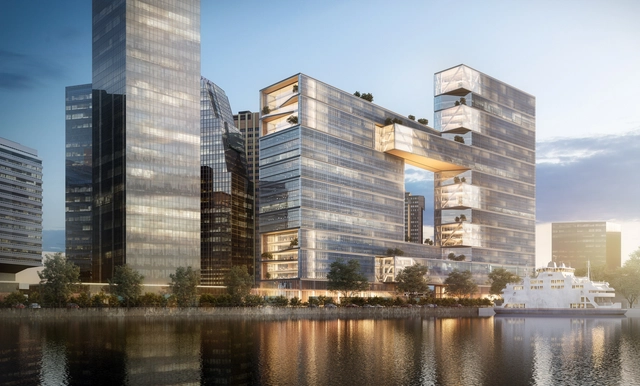
SOM (Skidmore, Owings & Merrill LLP), in partnership with Consultatio Real Estate, presented their project for Buenos Aires titled “Catalinas Rio”, an office building on the banks of the La Plata River that is designed to double as a center of activity and expansion for the Catalinas Norte business district. With a plethora of public green spaces and two trapezoidal buildings linked by walkways and green terraces, the project aims to create a new and vibrant identity for the district and the city as a whole. Construction is due to be completed in 2022.
.jpg?1569833228&format=webp&width=640&height=580)
Under the theme of “Science, Innovation, Art, and Creativity for Human Development. Creative Industries in Digital Convergence”, Buenos Aires will host the Expo 2023. Pablo Pschepiurca, Rodrigo Grassi, María Hojman, and Karla Montauti won the first prize in an international competition to create a bridge and a boulevard for the occasion.
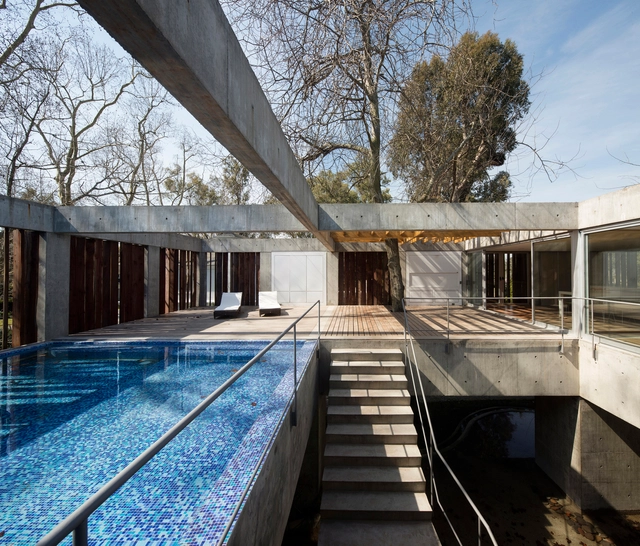
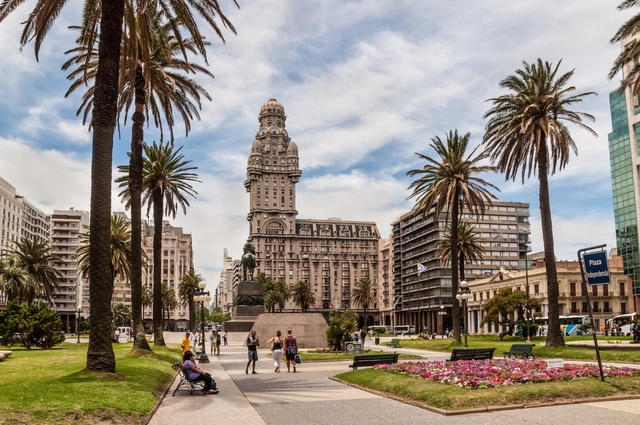
Vienna, Austria has been ranked as the city with the best quality of life in the world for ten consecutive years. The ranking made by multinational consultancy Mercer is dominated by Western European cities in the highest positions, while Vancouver, Canada reached third place, becoming the highest-ranking city in North America for the last 10 years.

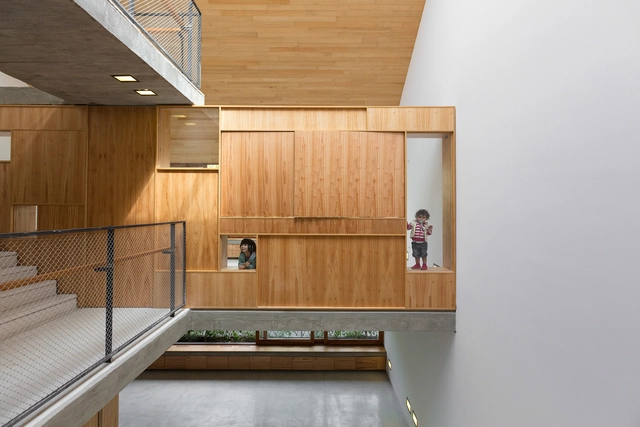
This article was originally published on October 19, 2015. To read the stories behind other celebrated architecture projects, visit our AD Classics section.
The Bank of London and South America (Banco de Londres y América del Sud, or BLAS) in Buenos Aires defies convention and categorization, much like the architect primarily credited with its design, Clorindo Testa. A unique client relationship, guided by the bank’s staff architect Gerald Wakeham, and a supportive collaboration with the firm Sánchez Elía, Peralta Ramos and Agostini (SEPRA) resulted in a building that continues to evoke surprise and fascination.
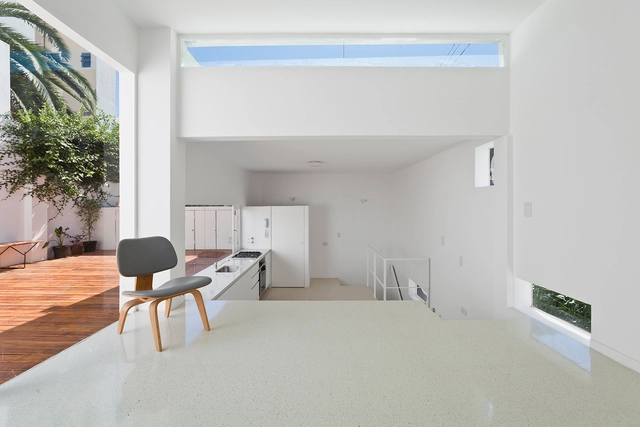
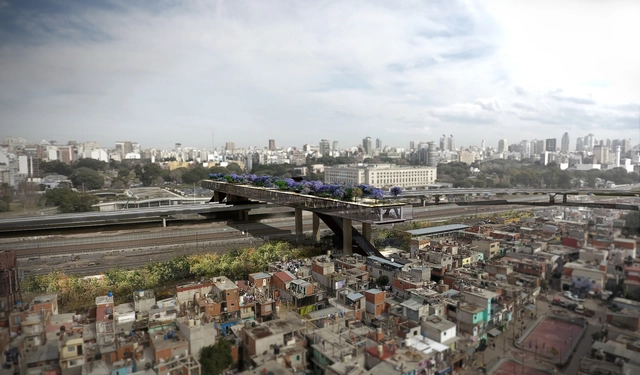
ELEMENTAL, the architecture office led by Alejandro Aravena, has proposed a solution to the physical integration of Villa 31 in the city of Buenos Aires. The building includes a raised linear park that aims to be the new headquarters for the Southern Cone of the Inter-American Development Bank Group and to facilitate access of the residents of the neighborhood to other areas of the city.
Learn more about the project, below.
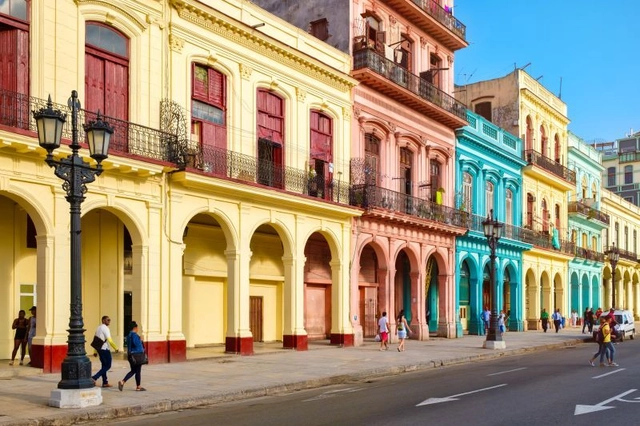
The grays of concrete and pollution are not the only representation of cities and towns in the Americas. As perfect postcard material, many cities in the new world express the vibrancy of the people and places through color. HAUS, ArchDaily's partner, has selected five of these cities, which show us how color can bring light to the day-to-day life of cities.
.jpg?1528436485&format=webp&width=640&height=580)








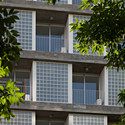

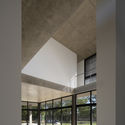
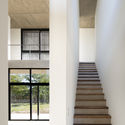

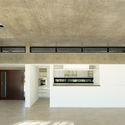

.jpg?1569833193 "Courtesy of Aisenson + ASN/nOISE")
.jpg?1569833520 "Courtesy of Aisenson + ASN/nOISE")
.jpg?1569833251 "Aisenson + ASN/nOISE. Image Courtesy of Aisenson + ASN/nOISE")
.jpg?1569833402 "Courtesy of Aisenson + ASN/nOISE")
.jpg?1569833228)
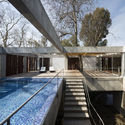

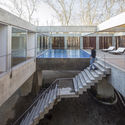
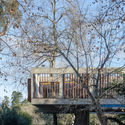

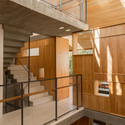



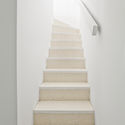


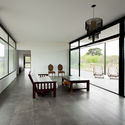
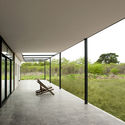
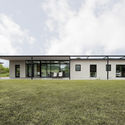

.jpg?1528436544 "© Fernando Schapochnik")
.jpg?1528436606 "© Fernando Schapochnik")
.jpg?1528436629 "© Fernando Schapochnik")
.jpg?1528436594 "© Fernando Schapochnik")
.jpg?1528436485)