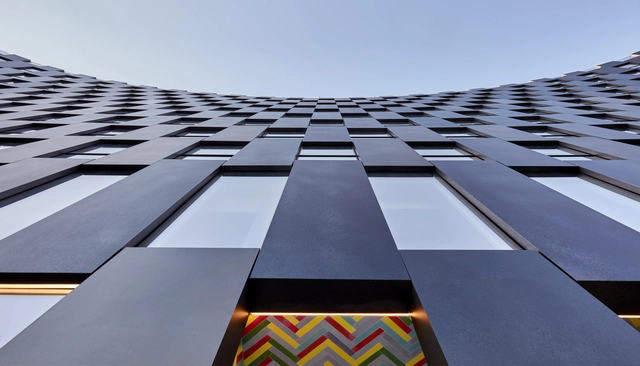
Designed by the Danish architecture office BIG-Bjarke Ingels Group, The Smile made of black blasted stainless steel extends along 126th Street in East Harlem, Manhattan. Inspired by the surface of the moon and the cultural influences of the city district, the T-shaped building fits seamlessly into the surrounding red and brown brick buildings. The interlocking chessboard-like facade panels were manufactured in Cologne, Germany by POHL Facade Division. Flanked by room-high windows, The Smile aims to reflect sunlight and amplitude into the daily lives of its residents.
Last September, the EU launched the New European Bauhaus, an initiative designed to transform the built environment into a more sustainable one with higher social value. The project, shaped through an unprecedented co-design process, is now calling for architects, students, specialists, and citizens to share ideas, examples and challenges to help define the movement's concrete steps.
What kind of cities do we want to live in? What do we believe is important for a good life? And what makes a good home for all of us?SPACE10 with gestalten have teamed up to gather insights from world-renowned experts to explore a better urban future for humanity. Compiled in a book entitled The Ideal City, the findings draw five core principles: The city of tomorrow should be resourceful, accessible, shared, safe, and desirable.
Taking a holistic and multidisciplinary approach to rethinking how we could design, plan, build and share our cities going forward, the publication unfolds projects from 53 different cities in 30 different countries. Discover in this article, excerpts from the book, with the foreword by Bjarke Ingels and the last word by Xiye Bastida.
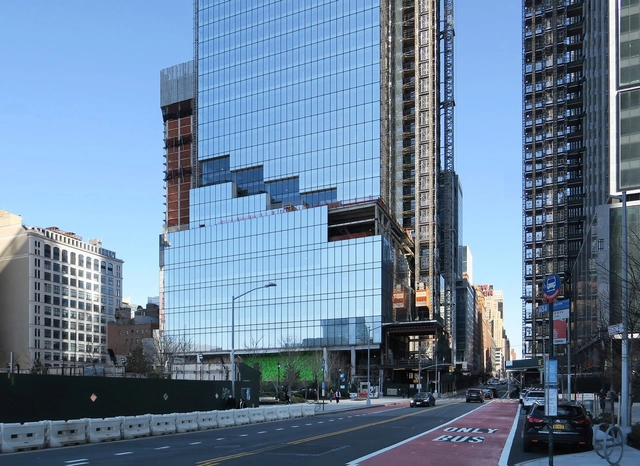
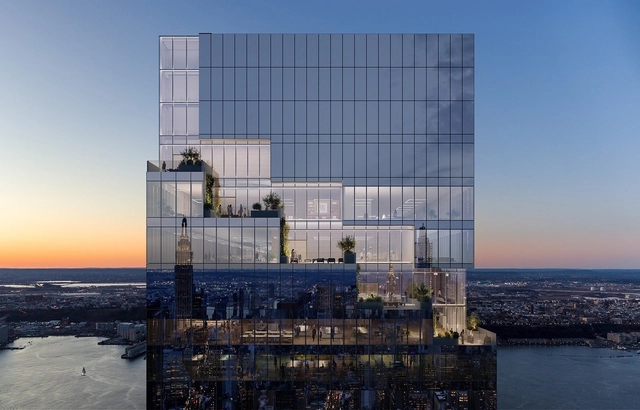
The new "Spiral" skyscraper by Bjarke Ingels Group has topped out at Hudson Yards in New York City. Rising 66 stories, the project towers over 1,000 feet tall with a series of stepped, landscaped terraces that wrap the building. With over 2.8 million square feet of office space and ground floor retail once complete, the tower will feature open floor plans with views across the Financial District and the surrounding cityscape.
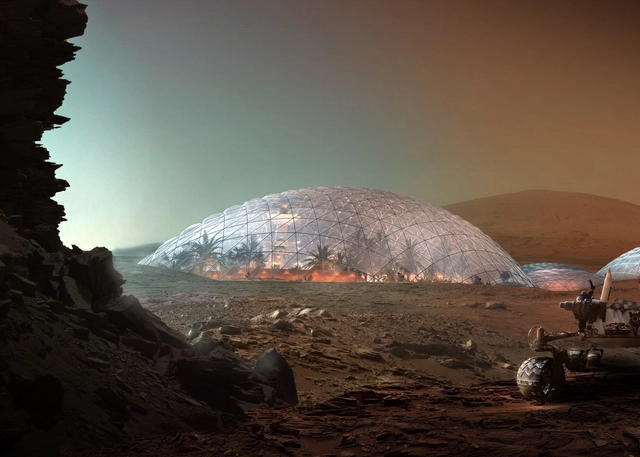
Space has long captured our imaginations. Looking to the ocean above us, writers, scientists and designers alike have continuously dreamed up new visions for a future on distant planets. Mars is at the center of this discourse, the most habitable planet in our solar system after Earth. Proposals for the red planet explore how we can create new realms of humanity in outer space.
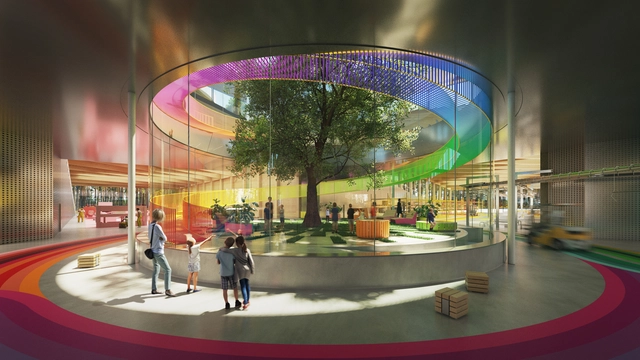
Bjarke Ingels Group and Norwegian manufacturer Vestre have unveiled The Plus, a new project set to become the world’s most sustainable furniture factory. Sited in Magnor, Norway, the factory was envisioned as a village for a community dedicated to the clean, carbon neutral fabrication of urban and social furniture. The Plus aims to be a global destination for sustainable architecture and high-efficiency production.
Netflix released ten of its documentary films, shorts and docuseries free on YouTube for anyone to watch. Included in the set is Abstract: The Art of Design, exploring "the most creative designers" from various fields. The first season of this series goes into the the art, science and philosophy of design. Back in 2017, Netflix launched the documentary series with the aim of demonstrating how design influences all aspects of our lives.
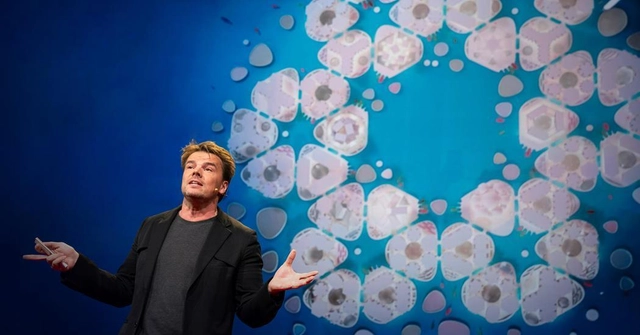
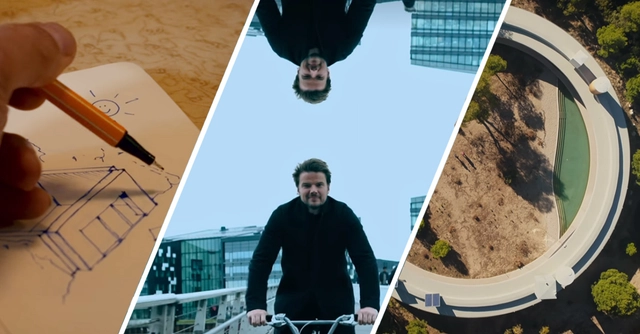
Copenhagen-based architect Bjarke Ingels is not one to shy away from big ideas. Founder of the aptly named BIG (Bjarke Ingels Group), he eschews cohesive style in favor of flexible urban environments — something he believes is vital in a constantly changing world. In a new video produced for the Time Space Existence video series by PLANE -- SITE, Ingels unpacks his approach to design, incorporating humor, surprise and sustainability.
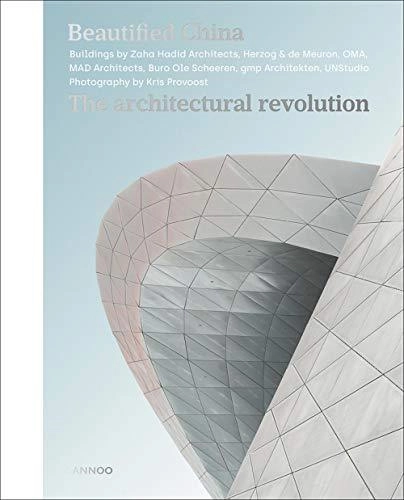
- A photo essay by Belgian architectural photographer Kris Provoost capturing the boldest and most iconic structures of the architectural revolution in China - Striking images of fantastical buildings from unexpected angles and perspectives "Beautified China shows the country's modern architecture in new light" - CNN Style Photo-Series "Provides an abstracted look at China's iconic architecture," - ArchDaily.com.The past decade, internationally renowned architects such as Zaha Hadid, Rem Koolhaas, Ole Scheeren, and Herzog & de Meuron have given their creativity and expertise free rein in China, where the sky is literally the limit, from construction techniques and use of materials
Open More Doors is a section by ArchDaily and the MINI Clubman that takes you behind the scenes of the world’s most innovative offices through exciting video interviews and an exclusive photo gallery featuring each studio’s workspace.
In this installment of the series, we talked with Kai-Uwe Bergmann, a partner at Bjarke Ingels Group (BIG). Despite the size and fame of the firm – BIG has around 500 employees and maintains offices in Copenhagen, New York, Barcelona, and London – he emphasized camaraderie and connection as the most defining characteristics of the company. These traits are doubly emphasized in the open, nonhierarchical layouts of their offices.
https://www.archdaily.com/932400/open-more-doors-bjarke-ingels-groupLilly Cao
After the great repercussions of Bjarke Ingels' meeting with Brazilian President Jair Bolsonaro last week, the Danish architect released a statement on why he came to Brazil. The meeting also brought together a delegation from the Be-Nômade group, which plans to invest in sustainable tourism in the country and the Minister of Tourism, Marcelo Álvaro Antônio. Read on for the text titled "Our Role and Impact in the World.
Bjarke Ingels is one of the most well-known architects of our time. During a conversation in Copenhagen between Ingels and Sky-Frame, he discussed his point of view, creating reality, immense courage and the secret behind his unwavering pragmatism.
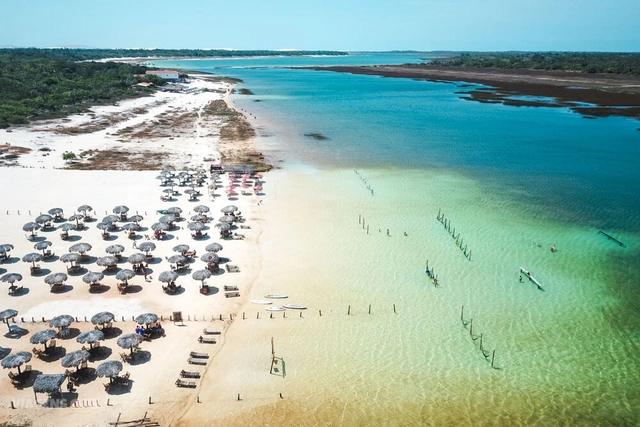
Route of Emotions, site visited by the group Be-Nômade. Imagem via viagenscinematograficas.com.br
Bjarke Ingels, founding partner of BIG, visited representatives of the Brazilian Federal Government this Tuesday. The meeting brought together a delegation from the Be-Nômade group, which plans to invest in sustainable tourism in Brazil, the Minister of Tourism, Marcelo Álvaro Antônio, and the President of the Republic, Jair Bolsonaro.
https://www.archdaily.com/932476/bjarke-ingels-and-brazilian-government-meet-to-discuss-tourism-projects-in-brazilEquipe ArchDaily Brasil
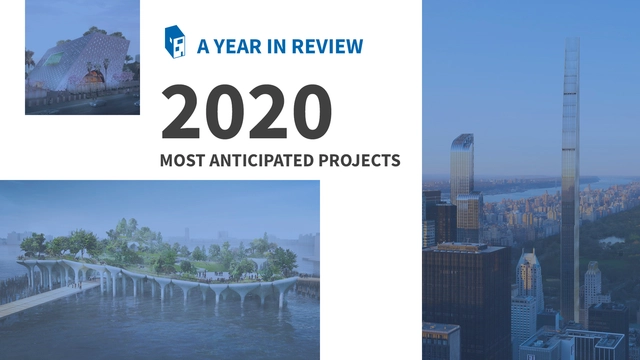
As 2019 winds down, we're taking a look ahead to the projects we're most looking forward to in 2020. With a mix of cultural and commercial programs, the designs are located across five continents, with many under construction for multiple years. Designed across a wide range of scales, they represent a mix of interconnected landscapes, museums, and the world's newest skyscrapers.
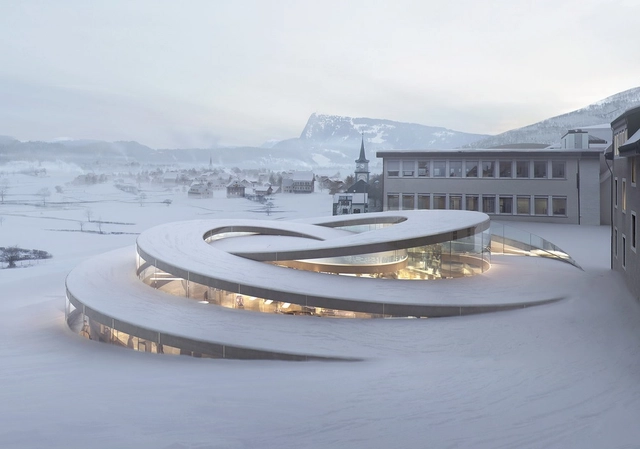
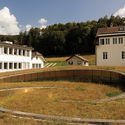
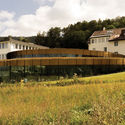
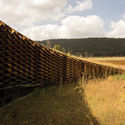
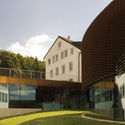
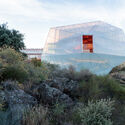
The new museum by BIG for Swiss luxury watchmaker Audemars Piguet is set to open to the public next May. As featured in WSJ. Magazine, the project was designed as an extension to their headquarters in Le Brassus, near Le Chenit. Conceived as a spiraling glass pavilion in the landscape, the design will take visitors on a narrative journey through the company's 139-year history.
The Portico - CityLife Milan. Image Courtesy of lucianR
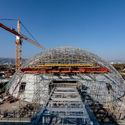
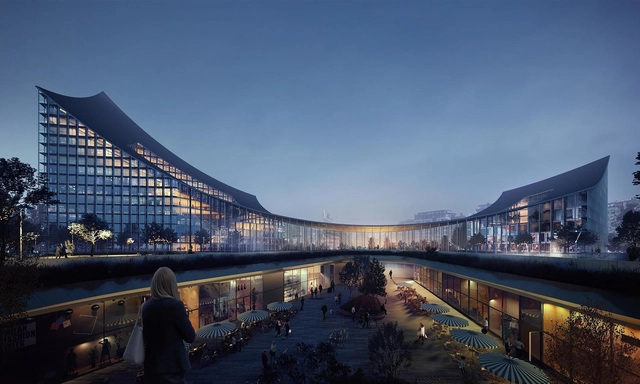
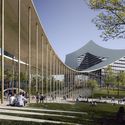
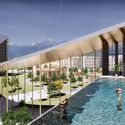
Bjarke Ingels Group have unveiled their design for The Portico, a 53,500-square-meter development on the last two remaining plots of the CityLife masterplan in Milan, Italy. CityLife presented the proposal with two individual buildings connected by a 140m long hanging roof structure to form a generous urban-scale entrance to the city.
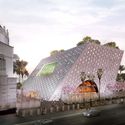
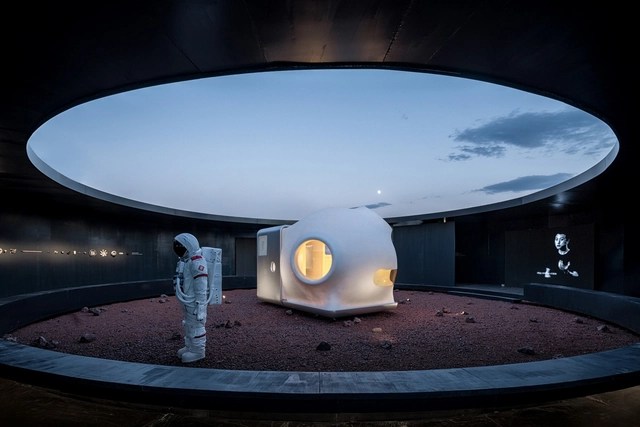
Bjarke Ingels Group has been working on the Mars Science City project after the United Arab Emirates announced the initiative in 2017. The $140 Million USD (AED 500 million) research city aims to serve as a “viable and realistic model” for the simulation of human occupation of the martian landscape. The project is designed with a team of Emirati scientists, engineers and designers from the Mohammed bin Rashid Space Center.











_9372.jpg?1579675860&format=webp&width=640&height=580)
_9441.jpg?1579675926 "© Laurian Ghinitoiu")
_9439.jpg?1579675907 "© Laurian Ghinitoiu")
_9550.jpg?1579676083 "© Laurian Ghinitoiu")
_9372.jpg?1579675860 "© Laurian Ghinitoiu")
_9372.jpg?1579675860)