How did a material conceived for bridges, factories, and large structures find its way to the living room bench, the apartment bookshelf, or the coffee table? Metal has crossed centuries associated with labor, machinery, and monumentality—from the exposed structures of the 19th-century World Expos to the production logic of modern industry. Its presence in the domestic interior is not a given, but rather a cultural achievement: the transformation of an industrial material into an element of everyday, intimate use, close to the body.
How does the design of contemporary interiors create different experiences through its materials? How does the adaptability and reuse of certain materials make it possible to generate contrasting and/or complementary atmospheres within a single space? According to each material's textures, proportions, colors, or properties, interior architecture currently recognizes the opportunity to create environments where materiality plays more than just an aesthetic role. With special attention to the final experience of its users, El Equipo Creativo aims to combine designs where landscape, nature, culture, and art stand out in interior compositions that accommodate broad programs and audiences.
Historically, public bathing was a fundamental necessity for hygiene, giving rise to communal bathhouses in regions where private bathrooms were a rarity. In Japan, for instance, sento bathhouses emerged during the early Edo period, serving as essential facilities when most households lacked their own bathing spaces. Similarly, in other parts of the world where plumbing and water management were considered luxuries, shared public baths became vital components of urban life. Over time, these spaces evolved beyond their functional role, becoming venues for socializing, relaxation, and a temporary escape from daily routines.
However, in the modern era, private bathrooms have become ubiquitous in contemporary homes, effectively addressing the hygiene concerns that once made public bathhouses indispensable. With the rise of alternative social spaces—cafés, fitness centers, bars, and jazz lounges—the traditional communal bath no longer serves the same essential function. While some may still appreciate the social aspect of public bathing, the inconvenience of changing clothes and getting wet in front of strangers can deter many from engaging in the experience.
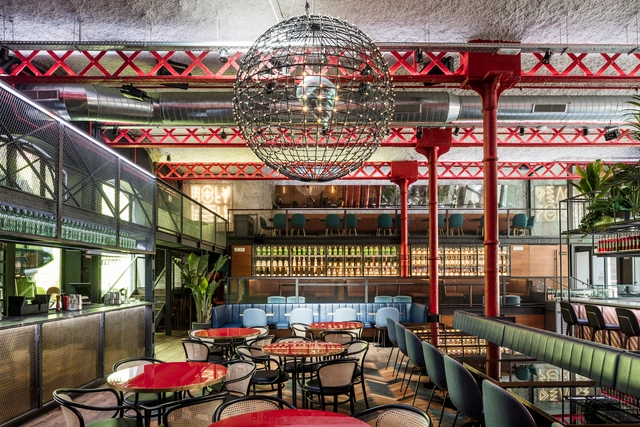
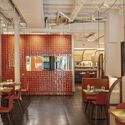
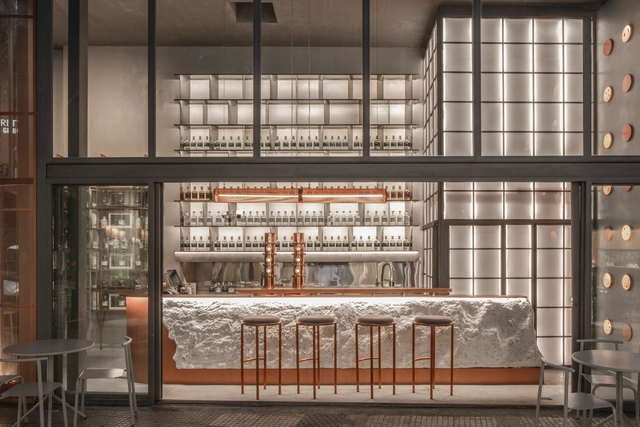
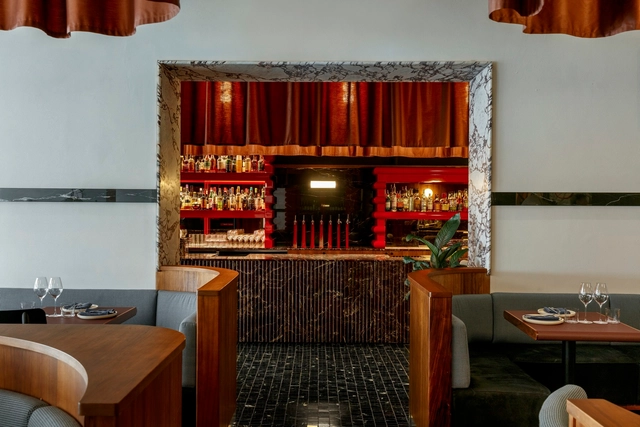
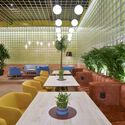
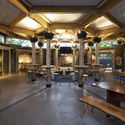
When designing spaces with reduced dimensions, adopting an efficient configuration and distribution is crucial for the user experience and the smooth development of activities and tasks to be carried out. In the case of bars and restaurants, numerous architecture and interior design professionals strive daily to meet the needs of clients, employees, and employers, considering everything from necessary installations and technologies to services, atmospheres, and furniture suitable for the type of gastronomy to be consumed.
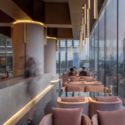
The post-pandemic world has undergone transformations in various aspects, including urban tourism and new modes of travel. With the rise of remote and freelance work, many people now have the freedom to move between cities without needing to establish a permanent residence. This has turned bars, restaurants, and cafés into more than just spaces for consumption: they are now temporary offices and, in many cases, settings for a variety of activities.
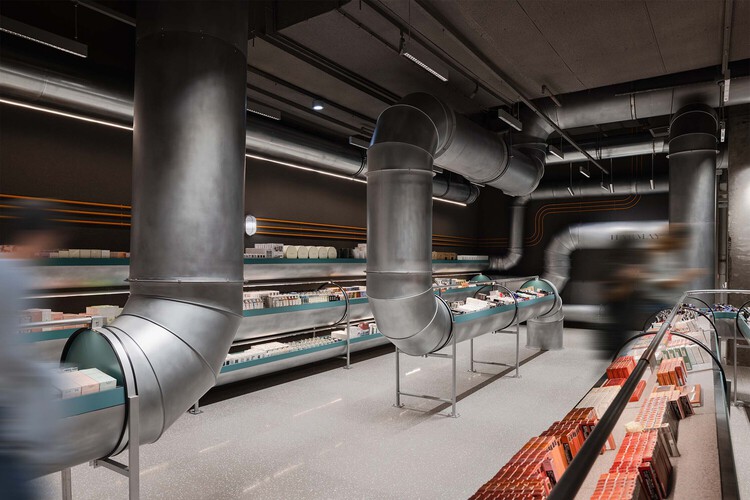
On the other hand, shops and retail spaces have evolved to offer more than just the sale of products or services. They have become part of a holistic consumer experience, fostering an emotional connection with users.
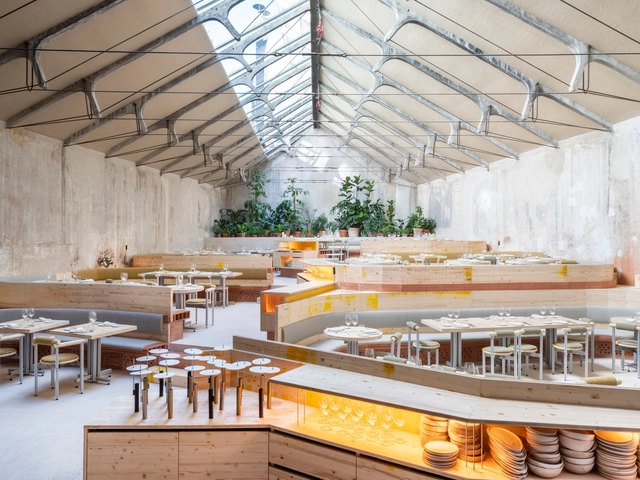
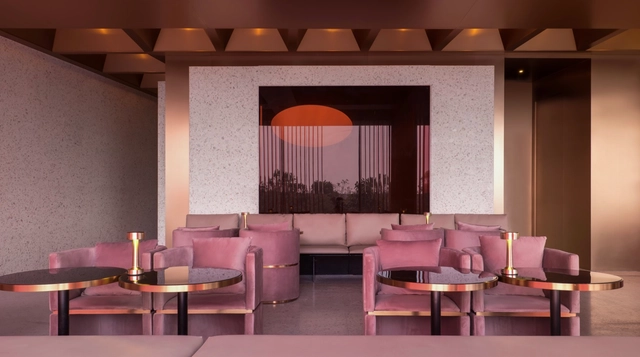
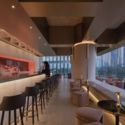
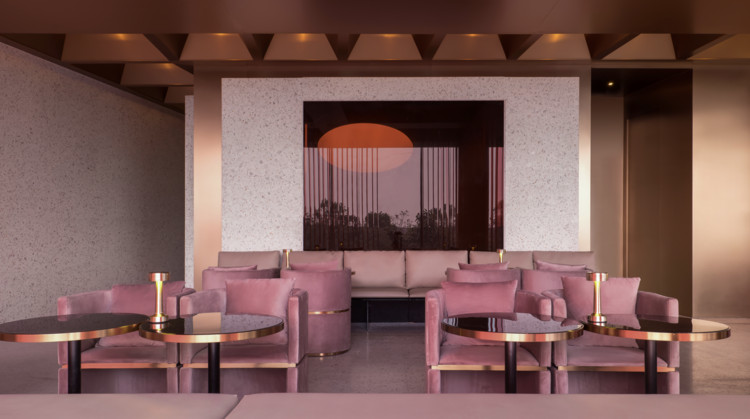
In the competitive world of restaurants – particularly at a time when influencers are gaining more and more control over the sphere of fine dining –, creating a memorable meal experience is crucial for attracting and retaining customers. While factors like food quality and service certainly play pivotal roles in making diners return to their eatery of choice, the impact that restaurant interiors can have on an establishment's longevity should not be overlooked. Among the various elements contributing to a memorable ambiance, color takes center stage. We delve into the significance of striking the right tone in restaurant design through 20 projects from our ArchDaily database.
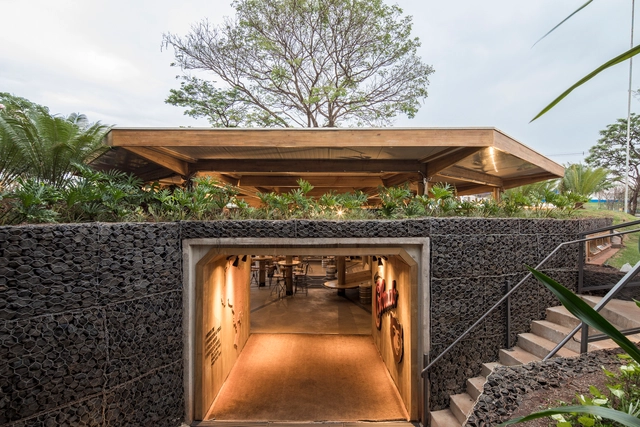
Architecture and cuisine build different relationships, depending on the local culture. When this combination results in stores, it usually enhances the experience of restaurants, cafes, bakeries, and bars.
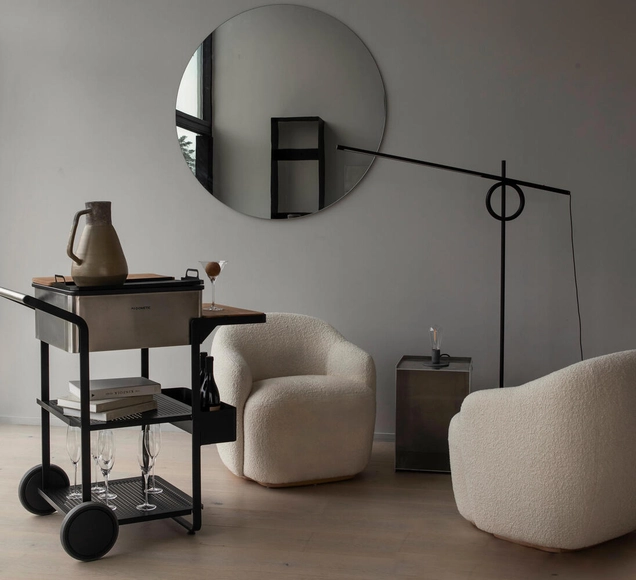
MoBar 50 / Dometic Home. Image Courtesy of Dometic Home
According to a recent survey by spirits industry market analysis firm IWSR, 54% of online buyers of alcohol in the U.S. made their first purchase during the pandemic. Most consumers decided to ‘treat themselves’ to more expensive spirit brands than usual, many opting for the higher shelf bottles in order to finally master the art of home-made cocktails – elaborate, to-be-sipped drinks worthy of the bigger investment. IWSR says that those habits are sticking. Along with them comes the need for an aesthetic plan of attack concerning the display of said pricey bottles: home bar architecture.