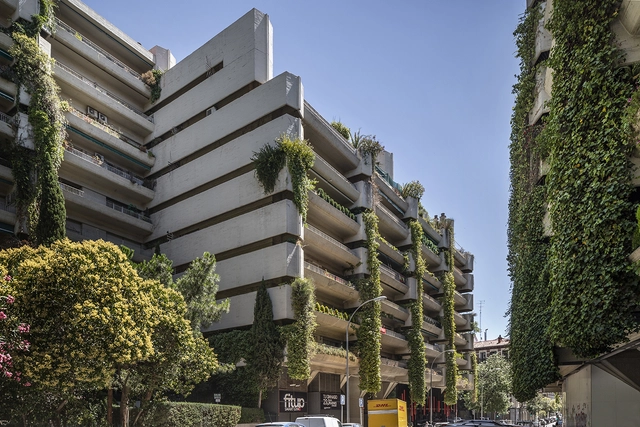
The city of Madrid can be viewed as a place that is representative of all the architectural styles found on the European continent. 16th-century Renaissance buildings and 18th-century Baroque buildings all co-exist in harmony with more modern architectural styles such as Art Deco or the expressive contemporary architecture of recent years. Iconic contemporary architecture firms such as Herzog & de Meuron and Rogers Stirk Harbour + Partners, with projects such as the BBVA Headquarters and Madrid-Barajas Airport Terminal, have all played a part in defining Madrid’s architectural character too, making for a city with highly varied and distinct streetscapes.
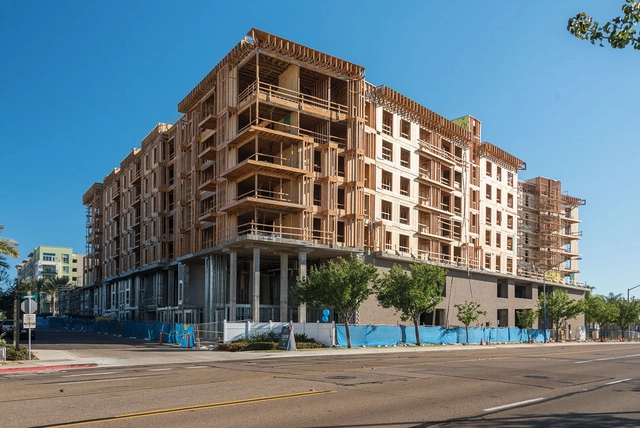
In an ideal world, architects would have free reign to design whatever they imagined. But the reality of the profession is that it comes with strings attached, and our visions are limited by clients, budgets, and perhaps the most dominating force, building codes. These codes have restricted and reshaped architecture so much, that it has forged a new type of building- the “stick frame over podium”, or “five over two” design. The result is a very distinct aesthetic of buildings and a notable monotony that has nearly redefined mid-rise residential architecture across the country.
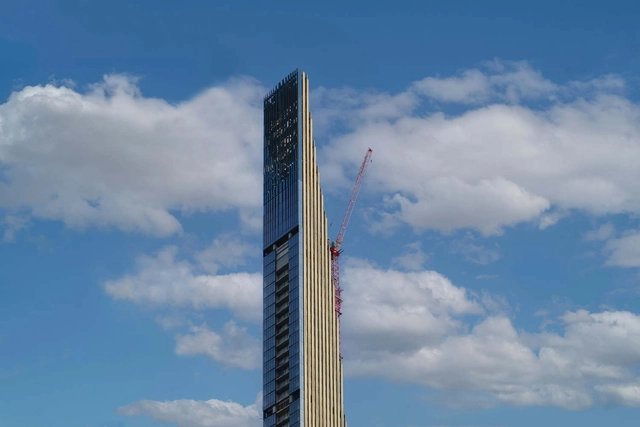
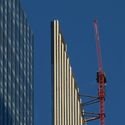
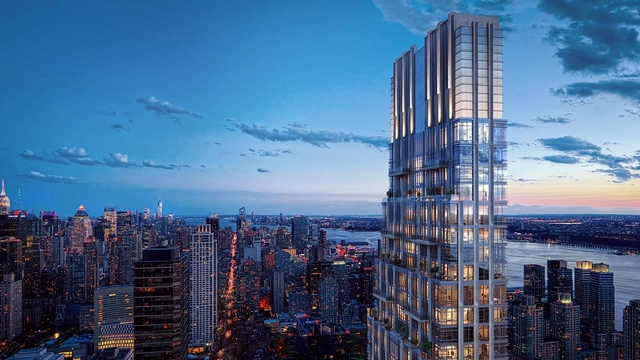
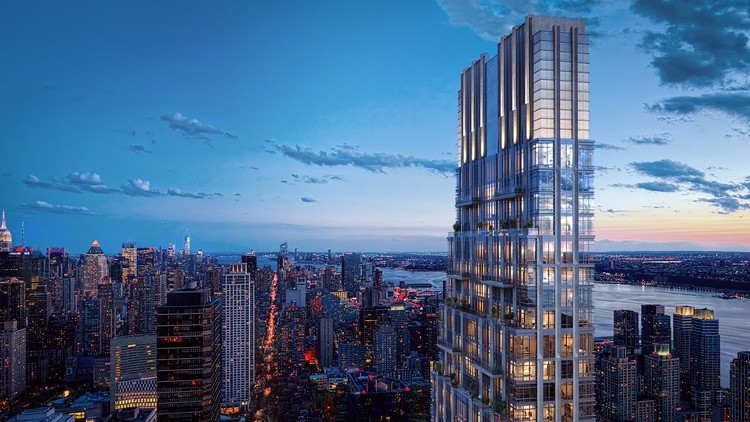
Paul Clemence has released a new series of images, showcasing the on-going construction works on 111 West 57th, designed by SHoP. Located in New York, the residential tower is set to become the second-tallest building in the city by roof height, and the most slender tall building in the world, once completed.
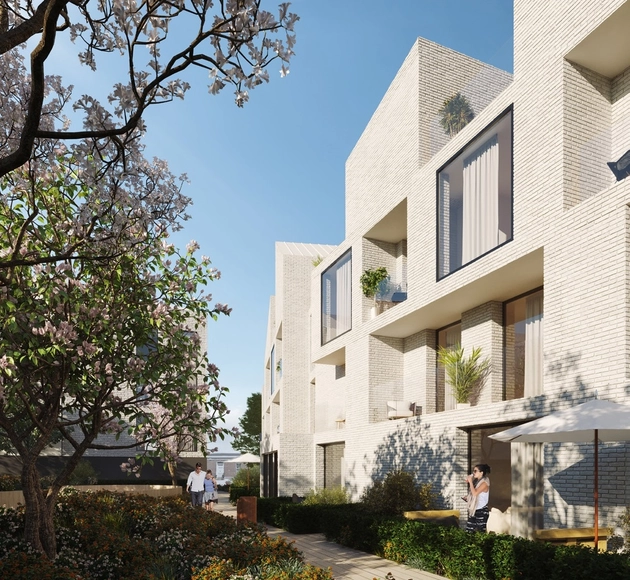
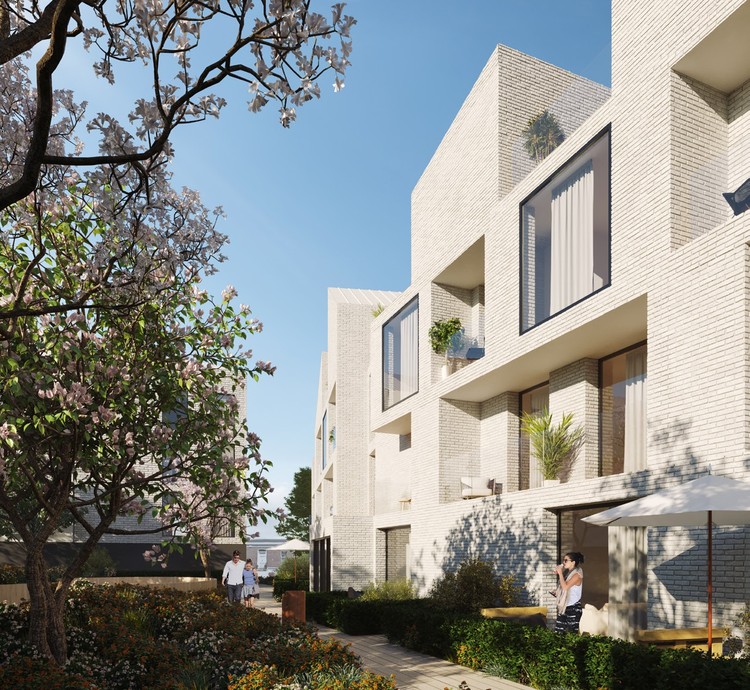
Architecture firm Urban Agency is currently working on the second project in the sister development Merronian Living in Dublin, Ireland. The new residential typology draws on the iconic Dublin terrace and reimagines the spatial potential of the roofscape. Like the first scheme, Merronian Living 2 is premised on architectural integration, drawing inspiration from the surrounding built heritage.
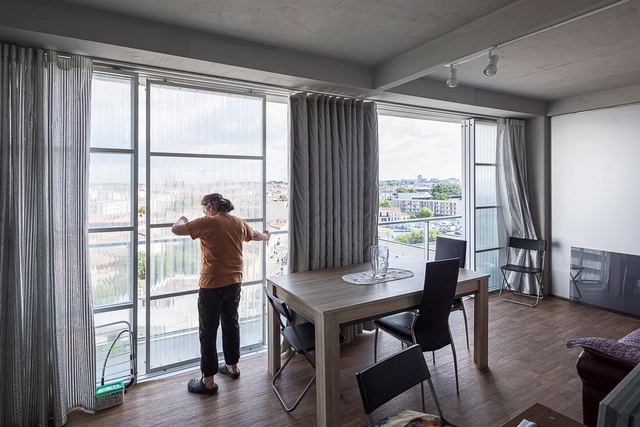
Paulo Mendes da Rocha often says that the function of architecture is nothing more than ‘supporting the unpredictability of life’. Spaces stand everyday life, meetings, landscape, art. Something like a frame, which is often also considered a supporting element of a work of art, since it highlights and, mainly, directs the viewer's gaze to the main object. The phrase of the Brazilian architect combines well with the way that the Lacaton & Vassal office works. The French couple's award raises some questions about how accurate their choices are for the current moment in the world. This includes the philosophy of their work, the design solutions adopted and the material palette generally adopted.
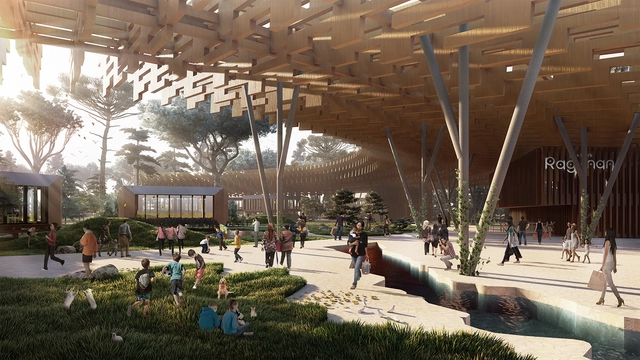
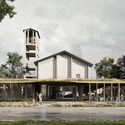
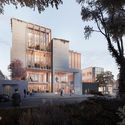
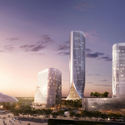
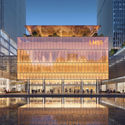
Focusing on competition entries, this week’s curated selection of the best-unbuilt architecture draws from proposals submitted by the ArchDaily Community to highlight award-winning design across the globe. Made for diverse programming, the entries each explore how to build upon the identity of local sites to win their respective competition. Together, they showcase contemporary formal, spatial and conceptual approaches.
The award-winning entries include a range of different projects: a mixed-use redevelopment proposal for a post war suburb of Antwerp, a high-rise on the site of a historic former Police HQ building in downtown Frankfurt, a leafy urban heat island proposal in Abu Dhabi, and a ‘Ireland House’ in Tokyo, which will bring diplomats and state agency personnel together under one roof. These are but a few of the best unbuilt architecture this week.
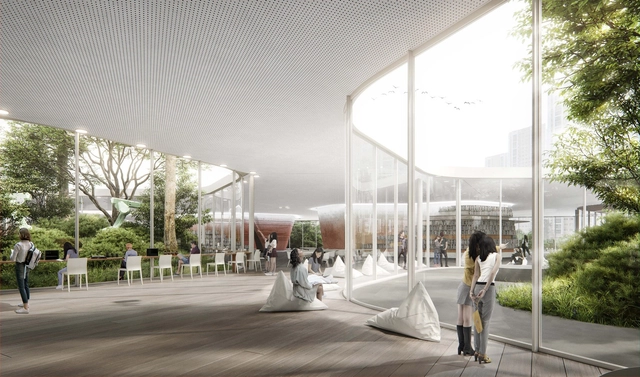
Salon Alper Derinbogaz has created an integrated and open proposal for a new library in South Korea. Named an honorable mention in the Songdo library competition, the project centers on education and innovation for future learners, and a flexible space in which knowledge, making, and technology intermingle. The library was designed to be an environment that will facilitate the construction of new knowledge and ideas
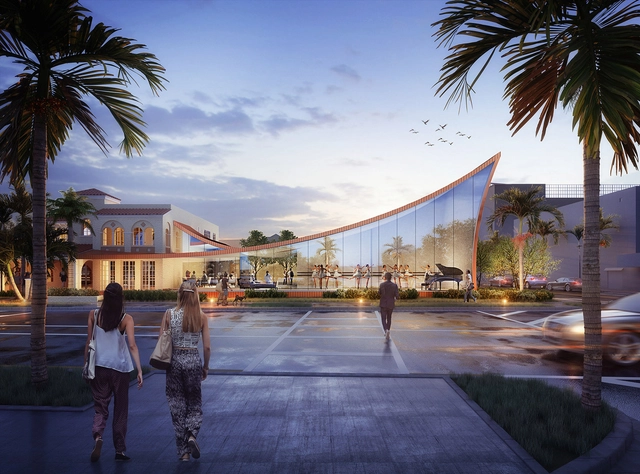
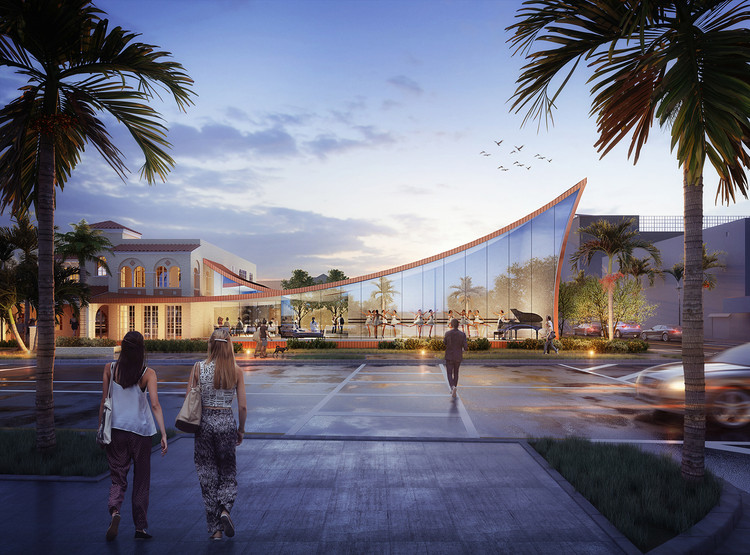
Architecture and design practice Brooks + Scarpa have designed a sweeping new arts & culture center for Hollywood, Florida. Located next to the Kagey Home facility at 1650 Harrison Street in downtown, the project is funded in part through a General Obligation Bond. As a civic place for social interaction, the center is made to bring people closer to art and each other, providing opportunities for new, immersive art experiences.
In recent years, several movements in Brazil and around the world have contributed significantly to society by emphasizing the need to occupy public spaces in the cities to claim quality and freedom of use for the community. The Ocupe Estelita movement in Recife, Brazil, for example, confronted the growing real estate speculation in the region and challenged the aggressive commercial urban planning on the banks of the Capibaribe River. Based on cases like this one, professor, critic, and curator Guilherme Wisnik, in an interview with Fora, addressed the issue of public space as a place of conflict.
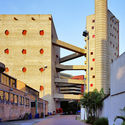
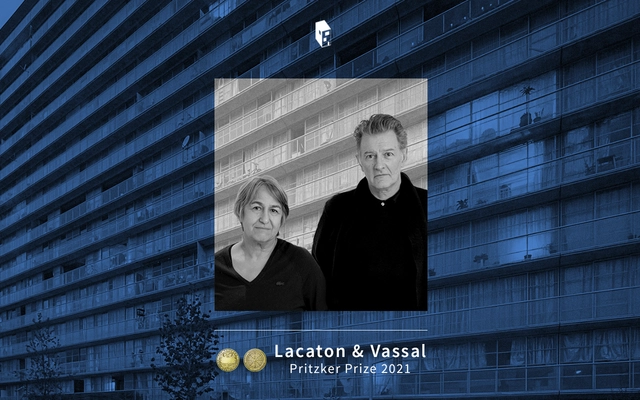
With a formal and material approach that differs from the scenarios we usually find in Architecture, Lacaton & Vassal —a French practice that marks its influence in contemporary times by being awarded the Pritzker Prize 2021— brings an open and generous vision to the field.
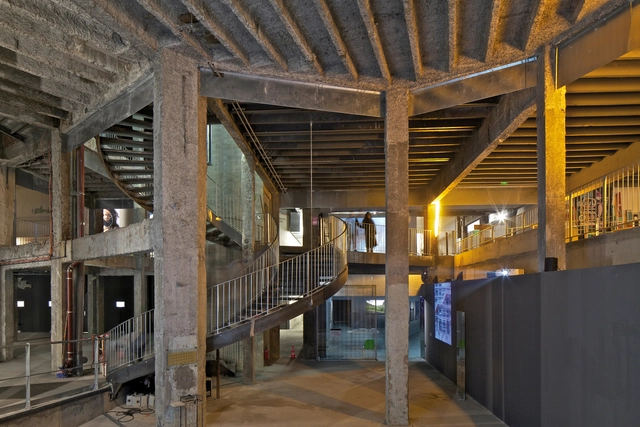
The 2021 Pritzker Architecture Prize, architecture’s highest honor, has been granted to Anne Lacaton and Jean-Philippe Vassal, founders of Lacaton & Vassal, the French duo renowned for their multiple sustainable housing projects and for the Palais de Tokyo, a contemporary art gallery in Paris. In their three decades of work, Lacaton & Vassal always prioritized the “enrichment of human life”, benefiting the individual and supporting the evolution of the city.
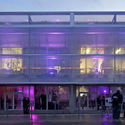
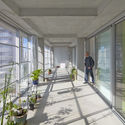
Anne Lacaton and Jean-Philippe Vassal founded their architectural studio Lacaton & Vassal in 1987, years after studying and working together at the École Nationale Supérieure d’Architecture et de Paysage de Bordeaux. The practice established in Paris has been awarded this year’s prestigious 2021 Pritzker Prize. Their built work leaves strong evidence of what they believe is relevant: sustainability, wellbeing, social responsibility, and the readaptation and the respect of the existing built environment.
https://www.archdaily.com/958569/lacaton-and-vassal-get-to-know-2021-pritzker-winners-built-workPaula Pintos & Clara Ott
The 52-story residential tower 200 Amsterdam Avenue is set to become the tallest skyscraper on New York's Upper West Side. The project was designed by Elkus Manfredi Architects, and is being developed by SJP Properties and Mitsui Fudosan America. An appeals court recently decided to allow the tower to include it's top 20 stories on the building's site between West 69th and West 70th Streets.
Buitenplaats Brienenoord, Frank Hanswijk. Image Courtesy of Superuse Studios
Like natural systems, great architecture is the product of circular processes. For Jan Jongert, a founding partner and architect at Superuse Studios, sustainable design is rooted in a continuous cycle of creation and recreation, use and reuse. Viewing re-use as a circular design strategy, the studio is developing strategies for cities to connect different flows and integrate these systems into the existing urban environment.
The first ever commercial space hotel, Voyager Station, aims to open by 2027. Accommodating 280 guests and 112 crew members, the project is being planned by Orbital Assembly Corporation, a construction company run by John Blincow. The station will be OAC's first major project, and the first commercial space station with artificial gravity.
WELCOMEPROJECTS’s The Breadbox ADU. Image Courtesy of Los Angeles Department of Building and Safety
It’s a rather unfortunate platitude that good design and government programs don’t mix. More than unfortunate, it’s also untrue, as a new initiative from the City of Los Angeles demonstrates.
The newly launched Accessory Dwelling Unit (ADU) Standard Plan Program offers homeowners 20 eye-catching, pre-approved designs for the increasingly popular typology, which many see as a viable alternative to costlier mid-rise apartment buildings. Administered by the Los Angeles Department of Building and Safety (LADBS) in United States and featuring designs from firms including SO – IL and LA-Más, the program is a bid to fast-track permits for these humble, backyard homes—better known as ADUs—as well as making them “more accessible, more affordable, and more beautiful,” said L.A. Mayor Eric Garcetti in a press statement.
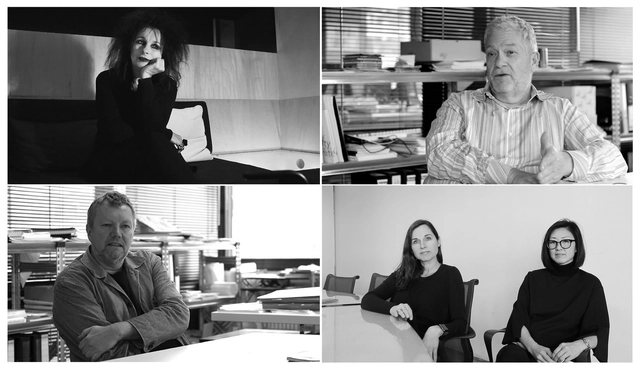
Simple in form but complex in substance, “What is Architecture?” remains an existential question for a lot of architecture students and young professionals. In an attempt to define this ever-changing interrogation and expose the different visions out there, the interview series: WIA – What is architecture? asks four, straightforward, questions to world-leading architectural designers and thinkers. Seeking to uncover their opinion on what architecture is and what it can do, these short videos reveal responses to “What is architecture? What can architecture do? What is your architectural position? and What is your design method?”.
ArchDaily has collaborated with WIA to release every week, 4 of these conversations, and to invite you to take on the challenge and answer these questions. This second article of the series highlights the ideas and visions of Odile Decq from Studio Decq, Kjetil Thorsen from Snøhetta, Florencia Pita & Jackilin Hah Bloom from Pita & Bloom, an architectural design collaborative based in Los Angeles, and Jeffrey Kipnis, an American architectural critic and theorist.














.jpg?1615817314&format=webp&width=640&height=580)
.jpg?1615817428 "© Laurian Ghinitoiu")
.jpg?1615817448 "© Laurian Ghinitoiu")
.jpg?1615817463 "© Laurian Ghinitoiu")
.jpg?1615817414 "© Laurian Ghinitoiu")
.jpg?1615817314)


.jpg?1615390051&format=webp&width=640&height=580)
.jpg?1541081334 "Praça das Artes. © Nelson Kon")
.jpg?1541081352 "Image Cortesia de USINA CTAH. ImageVista do Mutirão Paulo Freire")

.jpg?1615390051)



_7259.jpg?1615813633 "FRAC Dunkerque . Image © Laurian Ghinitoiu")


.jpg?1615841061&format=webp&width=640&height=580)

.jpg?1615841061)









.jpg?1615577970&format=webp&width=640&height=580)