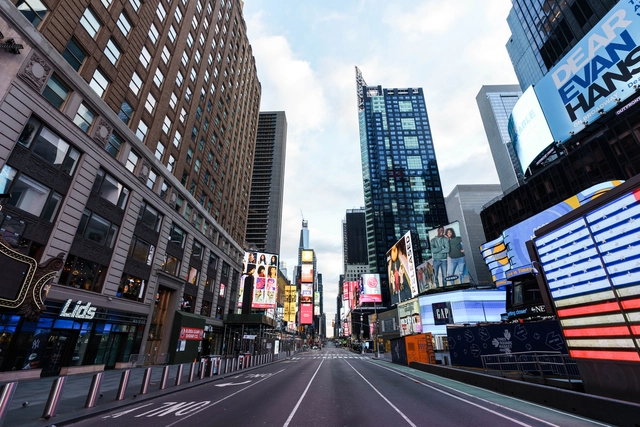
Earlier this month, New York City Mayor Bill de Blasio announced the launch of the Open Boulevards program, an initiative that would temporarily close off car traffic on boulevard segments across several blocks, expanding the public space for dining, cultural activities and artistic performances. The project builds on the successful initiatives Open streets and Open Restaurants, which transformed the city’s streetscape to better serve diners, cyclists and pedestrians amidst the pandemic.
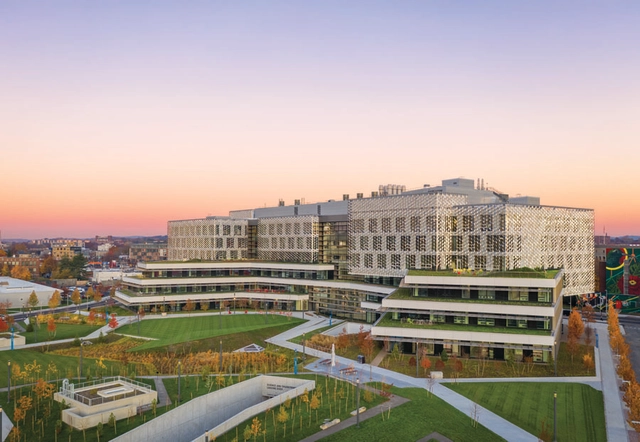
The massive new hub for lab research, by Behnisch Architekten, marks a new chapter of sustainable construction and campus planning. James McCown explores in his article originally published on Metropolis, Harvard's latest addition in the Boston campus, the new Science and Engineering Complex (SEC) designed by German-based firm Behnisch Architekten and centered on sustainability and well-being.
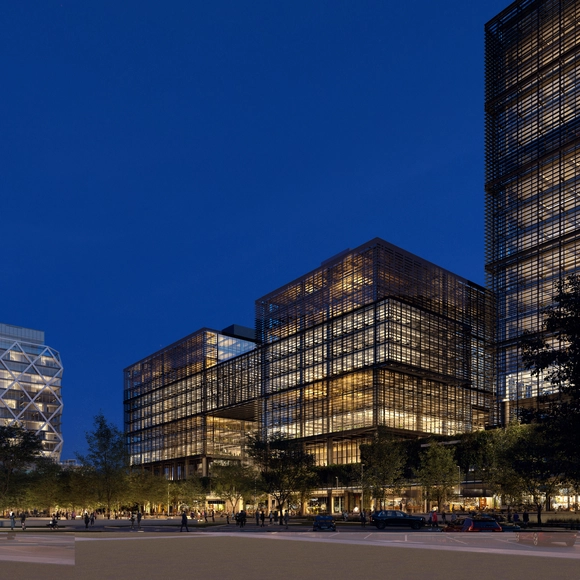
Olson Kundig has unveiled the design of 760 Ralph McGill Boulevard, a new mixed-use high-rise development situated along Atlanta’s BeltLine. Led by project developer New City, LLC, the 1.1 million-square-foot structure will include office and retail spaces organized around a central plaza. The project expands local civic and cultural amenities, and introduces a new flexible and functional workplace that also serves the surrounding community.
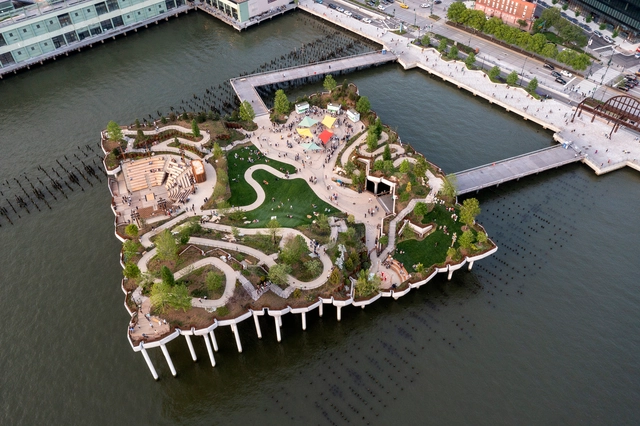
Designed by Heatherwick Studio, together with landscape architecture firm MNLA, the long-awaited Little Island project is New York’s newest major public space, showcasing a richly-planted piece of topography above the Hudson River. The design featuring a public park and performance venues reinvents the pier typology into an undulating artificial landscape. After surpassing many hurdles, the eight years in the making project is now open to the public, and the bold design is set to become an icon in New York.
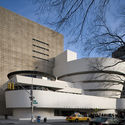
After being shut down for more than a year, museums across the world are beginning to show signs of reopening. Most architecture and design events that were scheduled for 2020 have been pushed a year or two, depending on the severity of the pandemic in their respective regions. But while museums are open to the public once again, administrators have installed numerous precaution measures to ensure the safety of visitors and curators, and to avoid potential re-closures.
As international travels have been revived by government officials, and tourism is expected to recover gradually, read on to discover 18 museums and exhibitions that have begun welcoming visitors into their exhibition spaces as of May 2021, and the procedures required from the attendees before and during visitations.
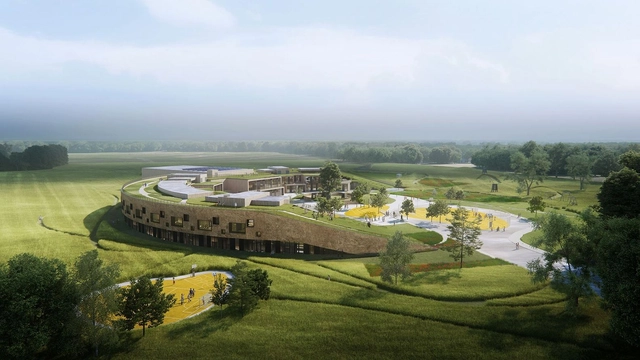
Located in Denmark’s Lolland-Falster region, Henning Larsen's New School in Sundby marked the commencement of a historic project for the country's sustainable educational-facility architecture. The primary school is set to be the largest construction project in Guldborgsund Municipality that ensures high sustainability parameters and community engagement. The school is expected to open its doors at the end of summer 2022, welcoming over 580 students in a nature-oriented premises.
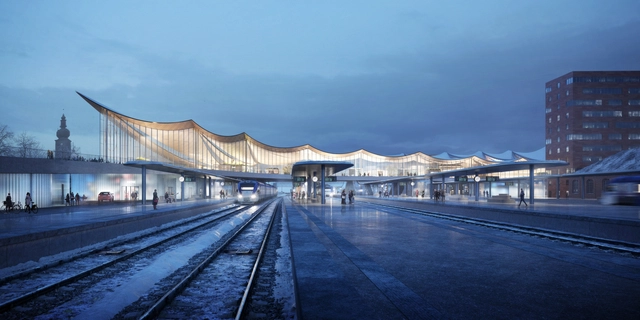
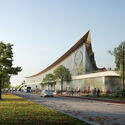
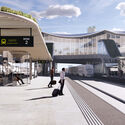
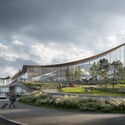
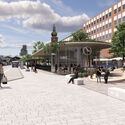
Bjarke Ingels Group has unveiled the final design for Västerås Travel Center, a transport infrastructure hub bringing together multiple travel modes within one cohesive architectural object. The project's defining feature is a light, undulating roofscape unfolding across the various complex elements of the program that make up the urban node, creating a new landmark for one of Sweden's largest cities.
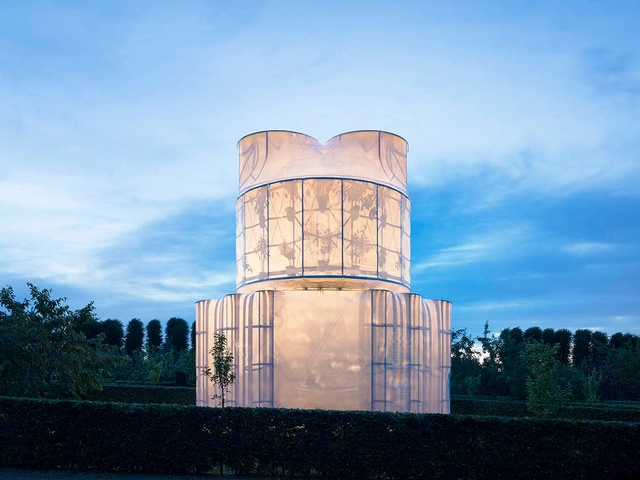
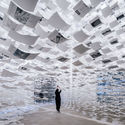
Whether made from natural or synthetic fibers, textiles have played a part in architectural design since time immemorial; however, it wasn't until the era of industrialization and advancements in technology that high-quality textiles could be made and utilized en masse. Most often, they have been used to enclose temporary structures like medical tents and emergency housing thanks to their mobility and ease of assembly.
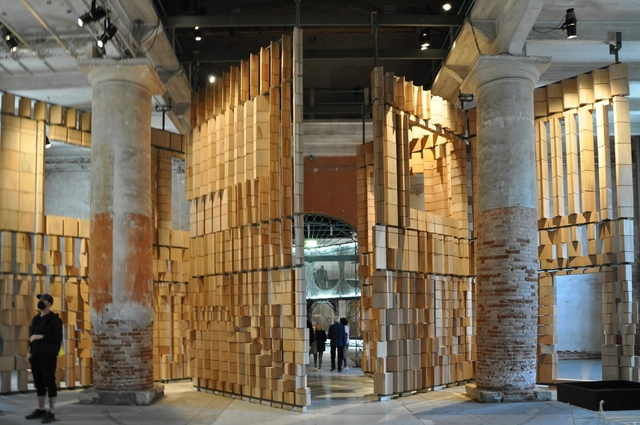
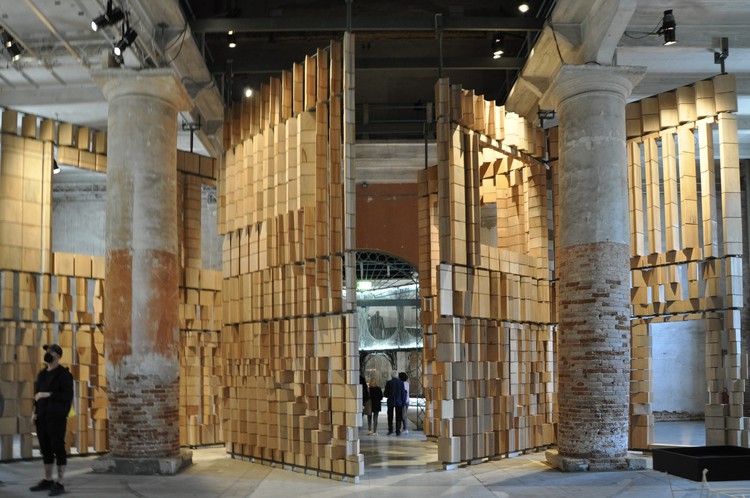
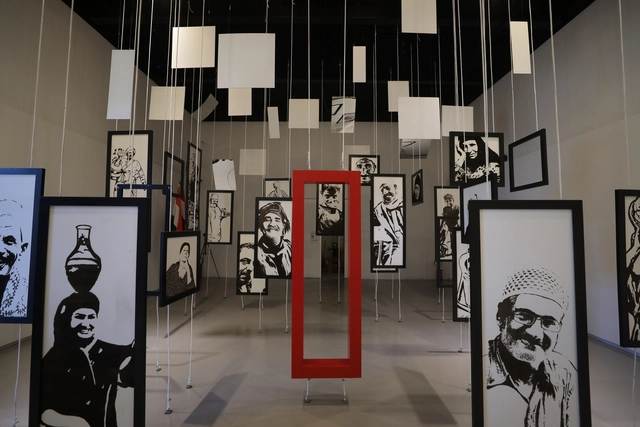
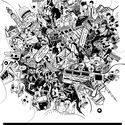
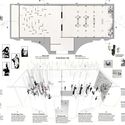
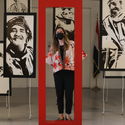
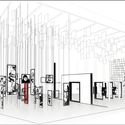
The 2021 Venice Architecture Biennale finally opened its doors to the public, on May 22nd, despite all odds and after two postponements. Presenting 115 different responses to “How will we live together”, the architectural exhibition gathered innovative answers from across the globe, all arising from a common determination to change the status quo. Bringing people who face the same issues together to partake in a vital exchange of ideas, the 17th edition has amplified the role and status of the Biennale as the biggest platform for architecture.
Onsite, in Venice, ArchDaily had the chance to meet with curator Hashim Sarkis, to discuss once more the ever-growing relevance of the biennale, different overlapping scales and fields, recurring qualities, and the international language of architecture. Hoping that “people will walk out of the biennale with a stronger belief in architecture as being a medium that can make a difference”, Sarkis in his third interview talks of a collective imaginary that can inspire new spatial contracts.
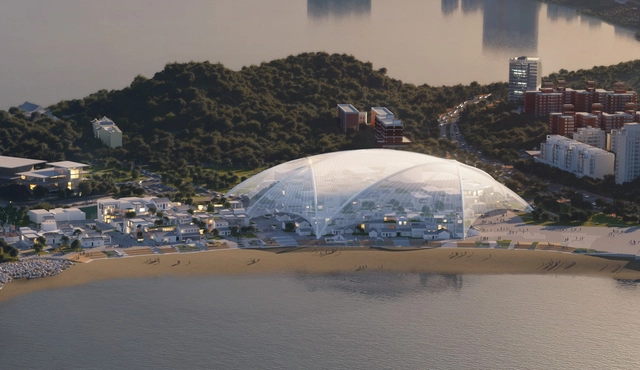
Following China's rapid urbanization and emergence of new districts and public buildings, MAD Architects, led by Ma Yansong, has won an international competition to design the new Zhuhai Cultural Arts Center. Their proposal, titled "Village Under the Dome", will be situated within China’s Pearl River Delta in the Yinkeng Village, a historic town that has recently been demolished and relocated by the municipality to make room for new projects. Instead of rebuilding over the demolition, their design offered a conservation and renewal of the village, creating a new function of the original site.
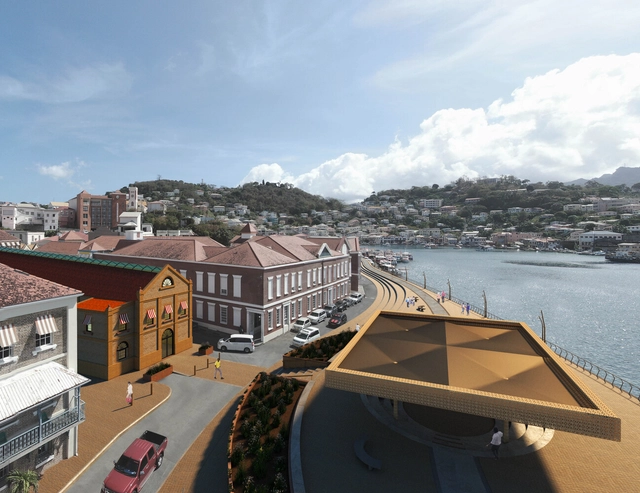
For the first time in the Venice Architecture Biennale, the island nation of Grenada presents the exhibition COethos, featuring its newest architectural landmark, Grenada's House of Parliament, together with a number of ideas for regenerating the city of St. George's. Curated by the Babau Bureau collective, the pavilion showcases the design and building process of the Parliament building, as well as explorations of the various possibilities of re-activating public spaces along the town's harbour.
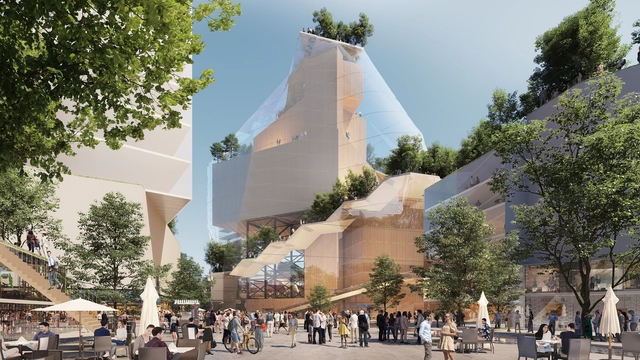
Reflecting on the future of shopping centres and addressing their decline in visitors, MVRDV's Heuvelkwartier design proposes converting Eindhoven's Heuvel shopping venue into a green cultural quarter. The project brings together retail, culture and recreation, expanding the existing buildings while transforming the roofs into a park. The proposal also expands the Muziekgebouw with a stacked cultural building encased in a "glass mountain", creating a new landmark for Heuvel.
Recent years have seen an increased acknowledgement of the collective endeavour that is architecture and a better valuing of the different professions that participate in the design process. Within every extraordinary building, structural engineering plays an essential role in delivering the architectural vision. The article highlights the past and present contributions of engineering to the built environment, personalities that have stood in the shadow of architects delivering their design intent, and the collaboration between engineers and architects today.
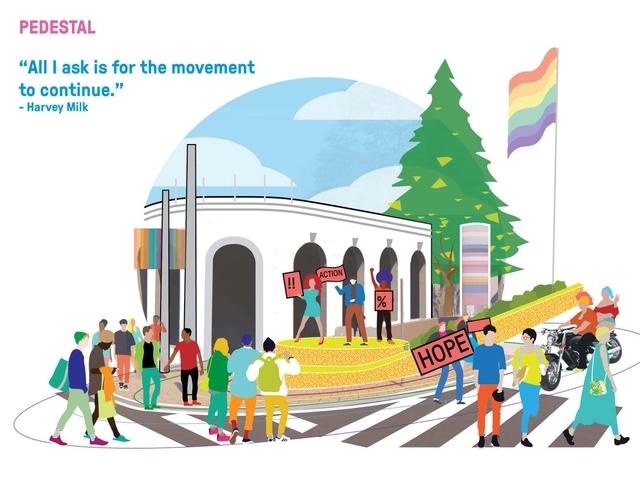
Courtesy of Friends of Harvey Milk Plaza & SWA Group
Matt Hickman reports on San Francisco's latest inclusive memorial, for the Architect's Newspaper, designed by SWA, a firm that operates two Bay Area studios (San Francisco and Sausalito) as well as offices in Texas, Southern California, New York City, and Shanghai. Selected by FHMP from a shortlist of four firms that submitted proposals, out of 17 invited offices, SWA shared their winning conceptual design for the memorial at Harvey Milk Plaza.
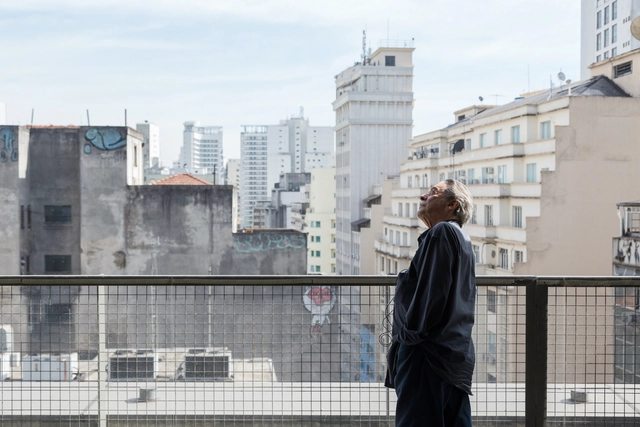
One of the biggest names in Brazilian and worldwide architecture, Paulo Mendes da Rocha, passed away at the age of 92. As his son Pedro Mendes da Rocha reported to ArchDaily, the architect was hospitalized in São Paulo due to lung cancer and passed away at dawn on Sunday, May 23, 2021.
Paulo Mendes da Rocha will be remembered for the great formative role he had. His architectural creation debated life above all, raising questions and challenging ready ideas and conformity. He consolidated an influence short of language or aesthetics, formed mainly by the way of acting and thinking, in which each project was an opportunity for transformation. His ideas and designs overflowed the limits of the program, place and materiality, always bringing a new point of view to achieve revolutionary simplicity.
https://www.archdaily.com/962174/paulo-mendes-da-rocha-passes-away-at-92Equipe ArchDaily Brasil


















.jpg?1621852703&format=webp&width=640&height=580)
.jpg?1621852449 "© Frederico Vespignani")
.jpg?1621852443 "© Andrea D_Altoe")
.jpg?1621852519 "© Frederico Vespignani")
.jpg?1621852318 "© Frederico Vespignani")
.jpg?1621852703)