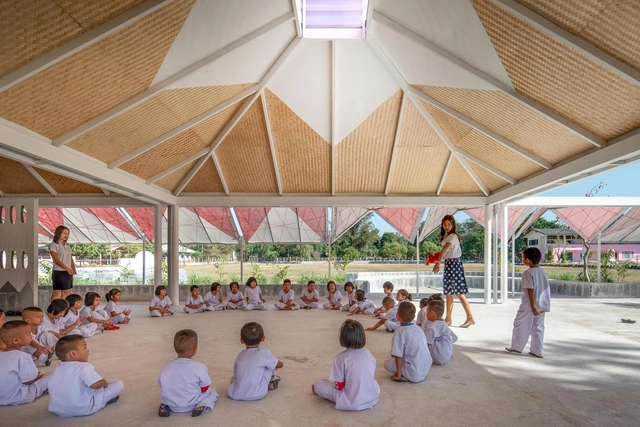
When designing community spaces, the architectural concept can easily clash with the user's experience. Therefore, engaging the community and future users in the project development and design process is a way of adding different perspectives to the architect's vision towards a more intelligent architecture.
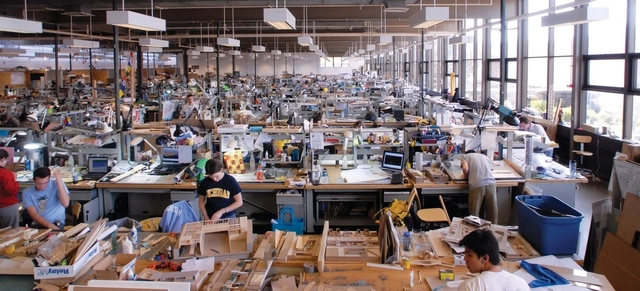
In this week's Common Edge piece, Duo Dickinson explores his personal journey from teaching to practice to teaching again, and the differences he perceived. Stating that "no one today believes that school can fully prepare students for what architecture will become in 10 years", the author explains how architectural education has been evolving and questions what could be the best ways to ensure that education remains relevant.
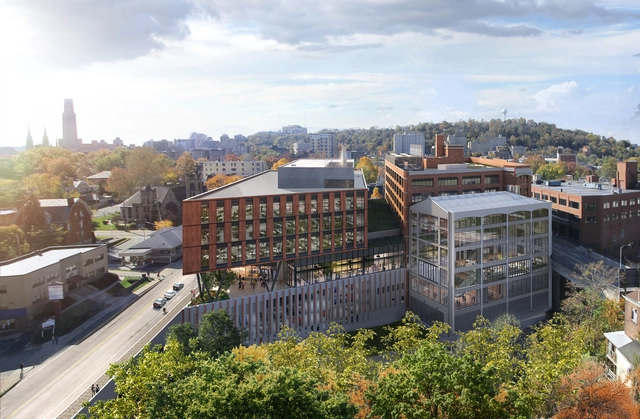
Courtesy of ZGF Architects, Wexford Science & Technology
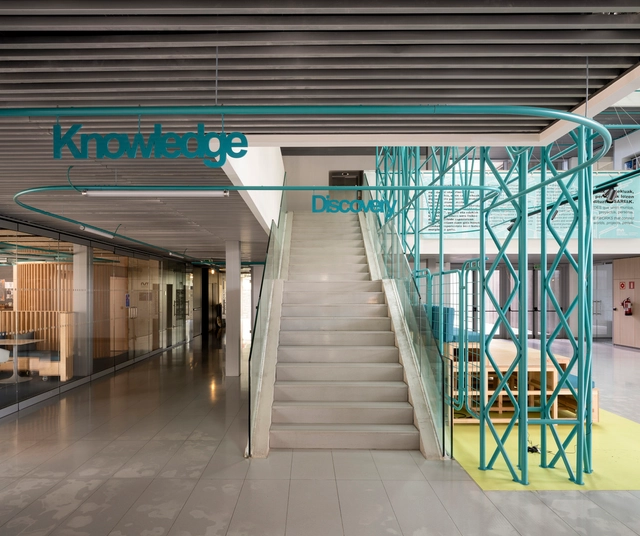
ZGF Architects, Wexford Science & Technology, and The University of Pittsburgh have revealed new details of the Ford Motor Assembly Plant adaptive reuse in Pittsburgh. Called The Assembly, the project aspires to become a hub of university research, entrepreneurial activity, and innovation programming. The six-story crane shed was used to hoist parts unloaded from the Pennsylvania Railroad tracks for assembly.
After several postponements and numerous challenges, the 17th Venice Architecture Biennale is finally taking place, bringing into focus a diverse array of answers to the question “How will we live together”. The theme gained even more relevance in the context of the pandemic and this year’s edition restates the importance of the Biennale as a platform for inquiry and collective exploration. Archdaily had the opportunity to meet in Venice with the curator of the French Pavilion, architect Christophe Hutin to discuss the thinking behind “Communities at Work” and the immersive experience of the exhibition.
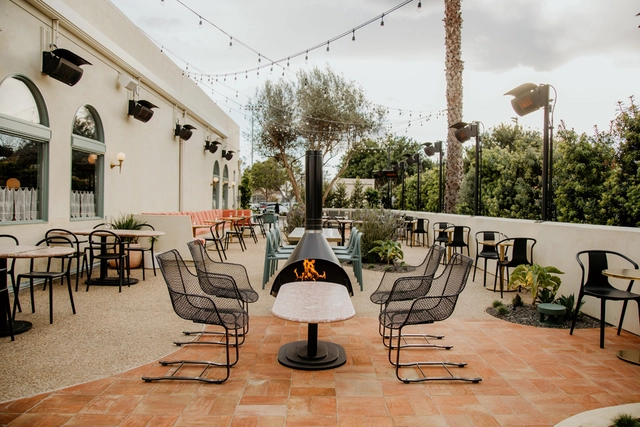
"The explosion of outdoor dining is both a survival tool for restaurants and a welcome cultural shift that may be here to stay", states Jessica Ritz, in her article originally published on Metropolis. In fact, the author explores hospitality trends that have emerged during the pandemic in California, mainly outdoor dining, and that are likely to last or be present for a long time.
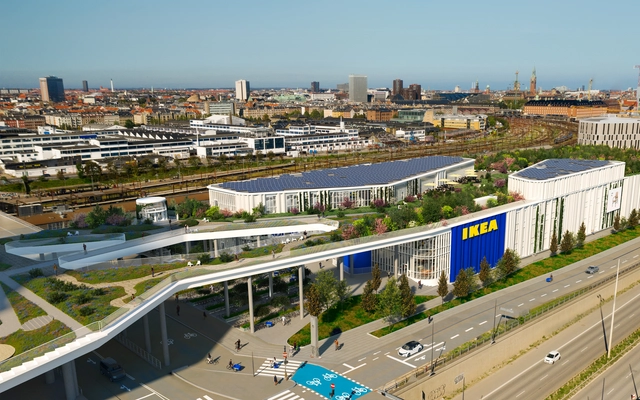
Catering to the Danish capital's aspirations regarding infrastructure and green space, the new IKEA store in Copenhagen designed by architecture studio Dorte Mandrup features a richly plated rooftop park that doubles as a new pedestrian route stretching one kilometre within Vesterbro neighbourhood. Located in one of the city's busiest area, neighbouring the central station, the historic Meatpacking District, and the inner-city harbour, the project's elevated public space offers a respite from the bustling streets, providing the area with a much needed green space.
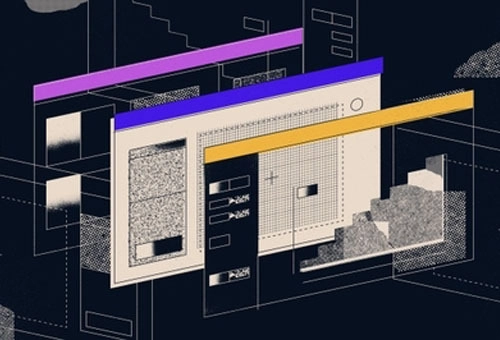
Providing digital solutions to basically “simplify” the work of architects, Monograph is a management software company that helps professionals of the AEC industry (architecture, engineering, and construction) oversee their projects in an integrated and user-friendly way. Founded and designed “by architects, for architects”, the San Francisco practice operations platform is an evolving building digital toolkit for projects of all scales.
Created by architects, who had previously faced the challenges and limitations of the field, Monograph is a solution tailored to the needs of architectural businesses. Named one of last year’s ArchDaily’s Best Young Practices, it is a clear example of how architects can expand the reach of their activity. In fact, the technology company was founded in 2019 by Robert Yuen, Alex Dixon, and Moe Amaya, three architectural designers who took the leap and ventured into the digital realm. This week, Monograph has introduced its new official web address, Monograph.com.
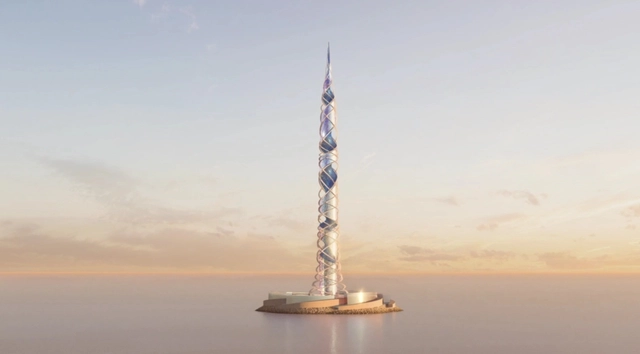
Scottish architecture firm Kettle Collective has revealed plans for a 703-metre skyscraper in St. Petersburg, making it the second tallest building in the world after Dubai’s Burj Khalifa. The Lakhta Centre II will have the highest occupied floor, and while the exact site is yet to be confirmed, it will sit alongside Lakhta Centre, currently the tallest building in Europe and the headquarters of energy firm Gazprom.
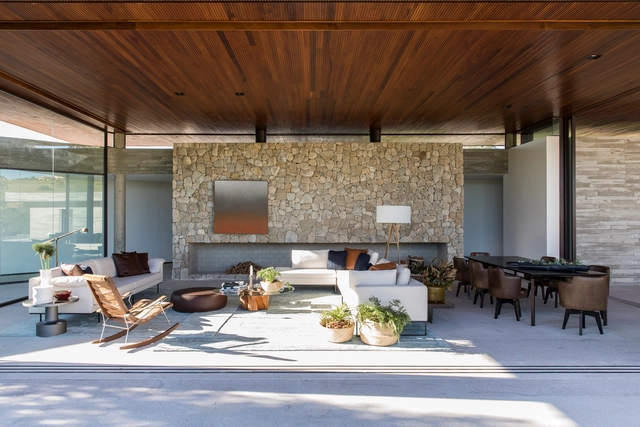
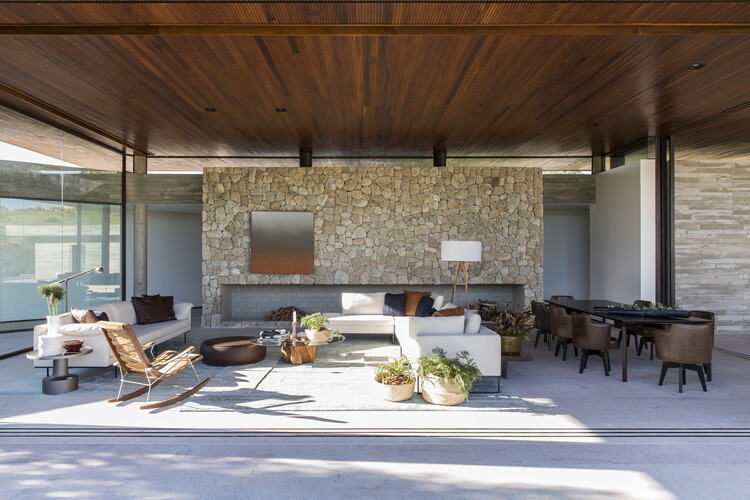
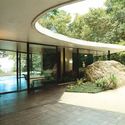
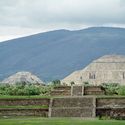
Ancient builders had deep knowledge about environmental conditions and the physical needs of humans in their search for shelter. Regardless of technological advances and the evolution of our perception of the world around us, this kind of knowledge and relationship with our surroundings can still be applied today and adapted to our current context. Natural stone, when used in architecture shows just that, as we explore its many different styles and applications.
Despite the emergence of collective and interdisciplinary practices, architectural entrepreneurship remains a vague discipline. As academic institutes focus on cultivating students' hard skills during their undergraduate years, their soft skills are often overlooked, left to be acquired or strengthened during their work experience. Stepping into the "real world", fresh graduates who decide to venture into their professional journey as freelancers or in start-ups, often find themselves overwhelmed with questions; 'How do I convince the client? Am I communicating my concept properly to the contractors? Am I charging the client enough? Why is the project not being executed like I designed it? Why is this project taking a lot more time than I intended it to? How can I run a successful business if I've never taken a business course in architecture school?'
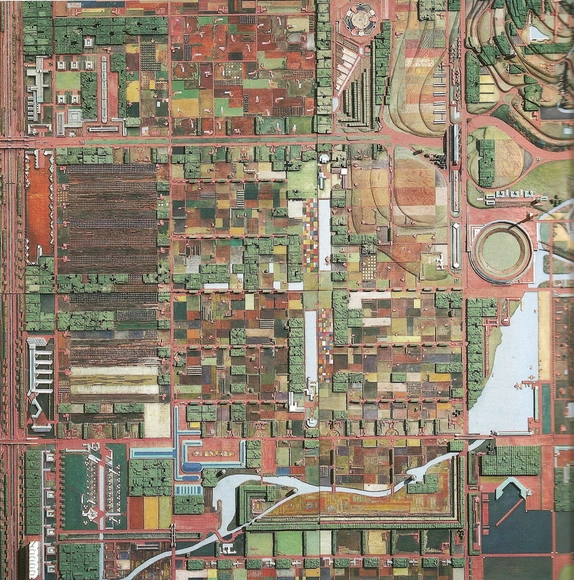
Broadacre City by Frank Lloyd Wright. Image Courtesy of Juan Miró
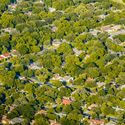
Juan Miró, co-founder of Miró Rivera Architects reflects in an opinion piece on the value of American cities. Stating that "when we idealize cities like Copenhagen, we risk losing focus of the fundamental historical differences between the urban trajectories of European and American cities", the architect and educator draws a timeline of events and urban transformations, in order to explain why it would be more relevant to look on the inside when planning U.S cities, rather than taking examples from the outside.
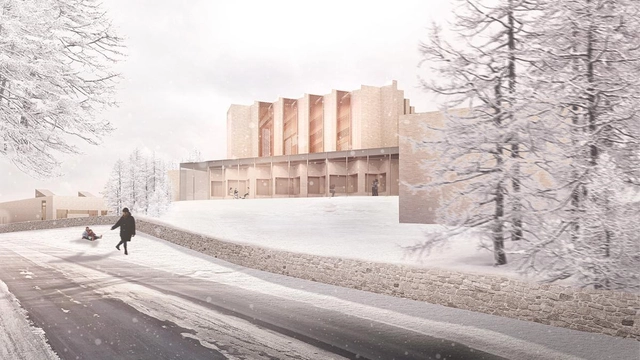
Henning Larsen has won a competition to design Højvangen Church, the first church to be built in SkanderborgParish in over 500 years. The new intervention, set to be completed and inaugurated by December 2024, will be a new public gathering point in the growing residential area of Højvangen in Skanderborg, Denmark.
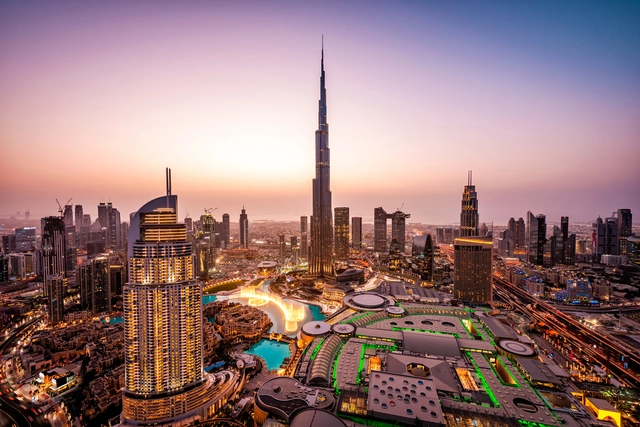
The Dubai Crown Prince has issued a Resolution to form a Supreme Committee for the Urban Planning of Dubai. The decision aims to regulate, ensure, and implement all the required deliverables of the Dubai 2040 Urban Master Plan, to make Dubai the "best city in the world to live in". The urban planning sector will overlook all major infrastructure and urban projects, as well as focus on addressing matters of housing and regulations of the real estate sector to improve the wellbeing of the city's residents.
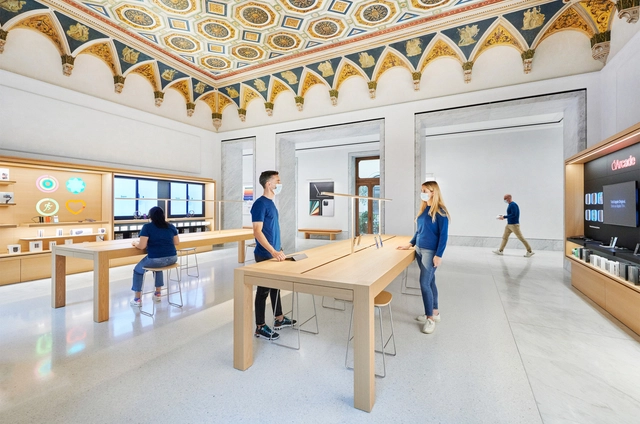
Last week, Apple opened its largest store in Europe, housed inside Rome’s 19th century Palazzo Marignoli. Designed by Foster+Partners, Apple Via del Corso celebrates the historic building by revealing its 1890s murals, frescos, and graffiti works from the 1950s, hidden from view for decades. The project creates a juxtaposition between the historical layers, the artwork and the signature minimalist aesthetic of Apple stores.
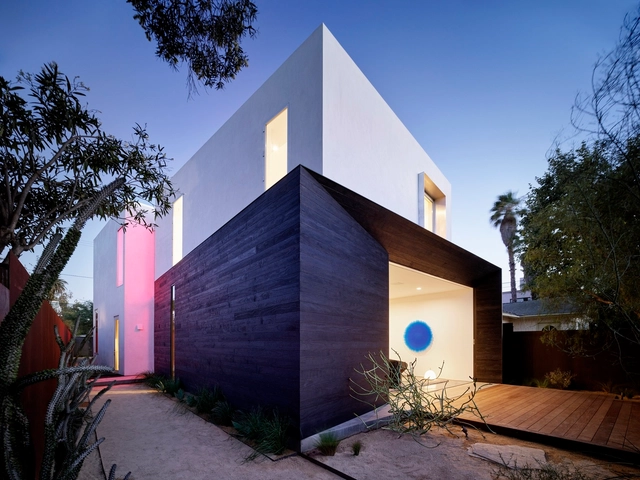
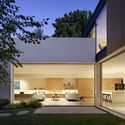
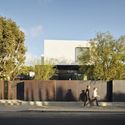
Residential design is the most personal architecture. Whether reflecting the lifestyle or character of those who live there, or accommodating space for guests and gathering, homes reflect who we are. This holds especially true for Takashi Yanai, a Partner at Ehrlich Yanai Rhee Chaney Architects that has led the Residential Studio since 2004. With ties to landscape design and a "California Modernist" ethos, Takashi's work also reinterprets Japanese elements and explores what residential design means today.
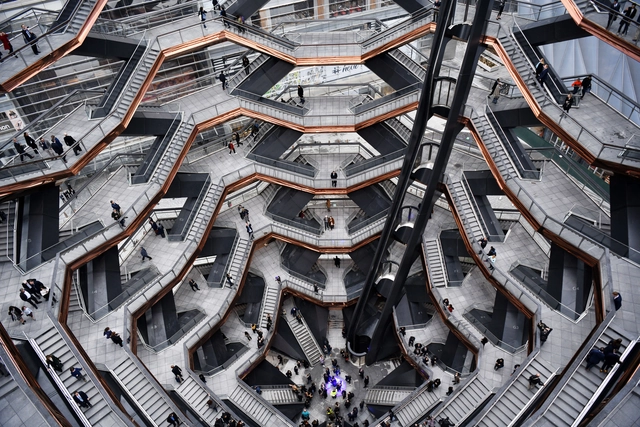
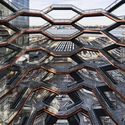
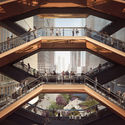
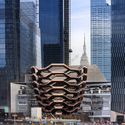
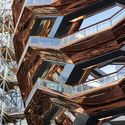
Following it's closure in January 2021, the 150-foot monumental staircase in Hudson Yards have reopened to the public on May 28th, but with a ban on solo visitors. The closure was confirmed after three individuals committed suicide since its opening in 2019, all under the age of 25. The structure was “temporarily closed” amid consultations by the firm with suicide-prevention experts and psychiatrists about how to prevent more potential suicides.
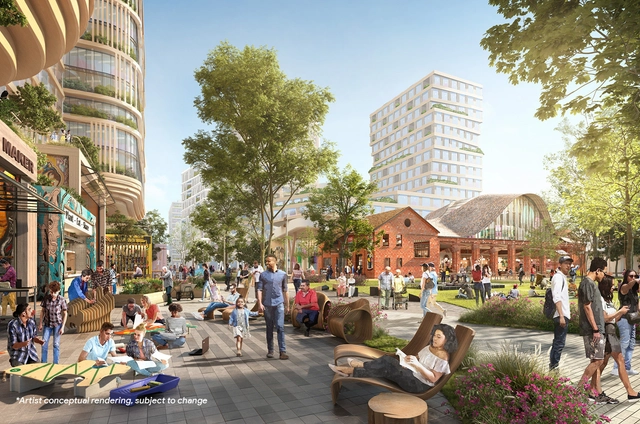
The City Council of San Jose recently approved Google’s “Downtown West” mixed-use corporate campus, an 80-acre net-zero environment, also set to feature the largest multimodal transit hub on the west coast. A departure from the tech campuses of Silicon Valley, the masterplan designed by San Francisco-based SITELAB urban studio is envisioned as an integrated part of the urban environment, an extension of Downtown San Jose open to the local community.