"Here in the tropics, shade is the prime air conditioner and, unlike the stove, it can be created everywhere," says Bruno Stagno about architecture for the tropics. In this sense, how has Costa Rica been "building" it's shade over the years?


"Here in the tropics, shade is the prime air conditioner and, unlike the stove, it can be created everywhere," says Bruno Stagno about architecture for the tropics. In this sense, how has Costa Rica been "building" it's shade over the years?

The housing shortage has long been the catalyst for architectural speculation over adaptive resue scenarios or the valorisation of underused places in cities. At the same time, the health crisis and its work from home imperatives have brought into sharp focus the adaptive reuse potential of offices spaces into housing. The probability that some office buildings remain vacant post-pandemic opens up the possibility of bringing back housing to city centres, enabling the implementation of a 15-minute city vision. The following discusses the challenges and opportunities of transforming office spaces into housing, highlighting this limited phenomenon's long-term feasibility and impact.
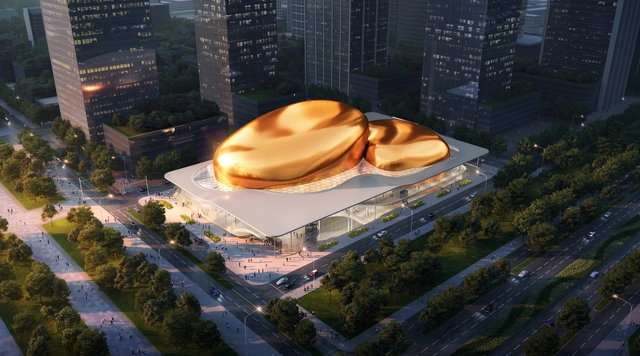
Ennead Architects have been chosen out of a three-part open international competition to design the new International Performance Center in Shenzhen, China. Dubbed 'The People’s Performing Arts Center', the project will be a part of a major cultural development that further marks the city as a metropolitan destination and reinforces the global arts community in the city.

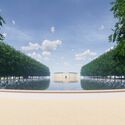
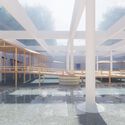
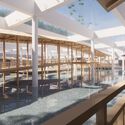
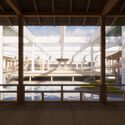
Hiroshi Sambuichi and The Cisterns in Copenhagen reveal plans for a fourth chamber to extend the exhibition space with another immersive artistic experience, further establishing the venue as a cultural destination. The design continues the succession of spaces within the former water reservoir with a new room featuring a transparent roof with light filtering through the water from a recreated water basin located above, on the Frederiksberg Castle grounds. The sharp contrast between the existing Cisterns and the proposal highlights a unique spatial experience, where the natural elements are quintessential.
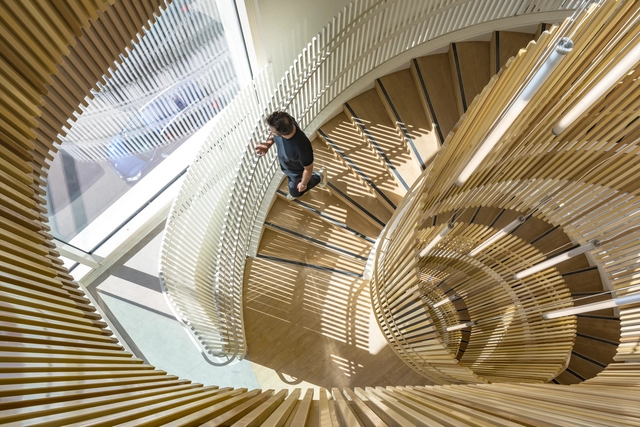
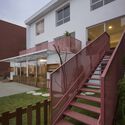
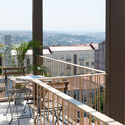
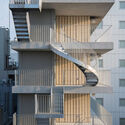
Railings play two roles in architectural projects, both as a support and safety component in a building, which involves a great deal of technical detailing and accessibility standards, and as an accent element in the design. In this article, we will explore the different ways in which these elements can be used in a project.
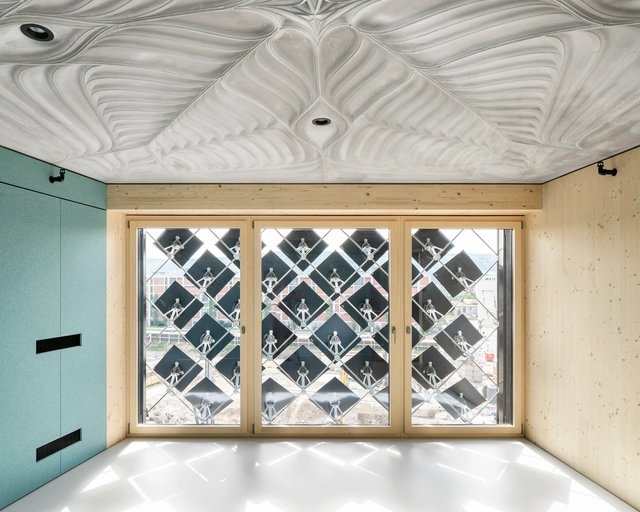
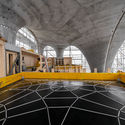
The latest addition to Empa and Eawag's NEST research building in Duebendorf, Switzerland has officially opened. The innovative HiLo unit illustrates nearly a decade of formative ETH Zurich research in architecture and sustainable technologies, and features an intricate, doubly curved concrete roof, lightweight funicular floors, and self-learning building technology.
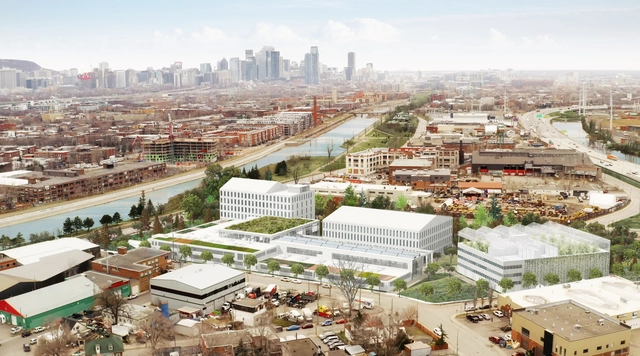
Sid Lee Architecture's Les Ateliers Cabot has won the 2nd edition of Montreal's C40 Reinventing Cities, a competition that "aims to encourage carbon neutral urban regeneration and to implement the most innovative ideas for transforming underutilized sites into hotspots of highly sustainable development and resilience, and to serve as a model for future developments". The winning proposal reimagines traditional development objectives, replacing economic profitability with the benefits derived from the relationship between man and the planet.
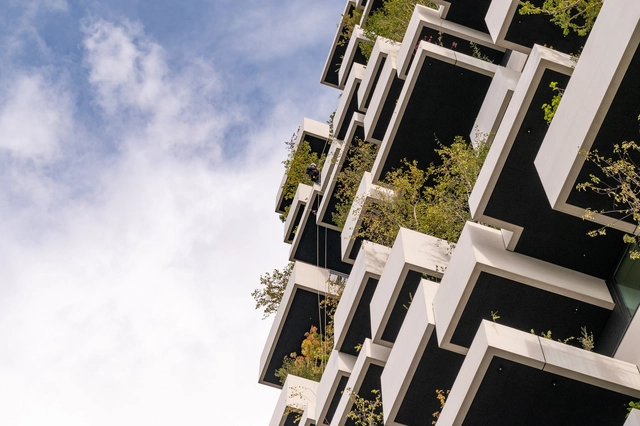
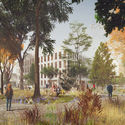
“Designing a house for trees”, as he puts it, Stefano Boeri is working across the planet, exporting his approach with trees from Mexico to Shenzhen. Building a whole ecosystem, rather than just a green facade, the architect understands the need to redefine our relationship with nature, especially in cities.
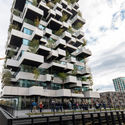
ArchDaily’s Christele Harrouk had the chance to interview the architect in Eindhoven, during the inauguration of the Trudo Tower, Stefano Boeri’s first social housing project, in collaboration with Francesca Cesa Bianchi, his partner at Stefano Boeri Architetti, Laura Gatti, botanist and plantation consultant, and Paolo Russo, Project leader. Discussing mainly his approach with nature, the environmental quality, and his exported perspective around the world, the conversation also tackled the 4 ongoing vertical forests in West Europe: A first that has just started in Utrecht, a second in Brussels, a ready to go building in Eindhoven and a last one in Antwerp.
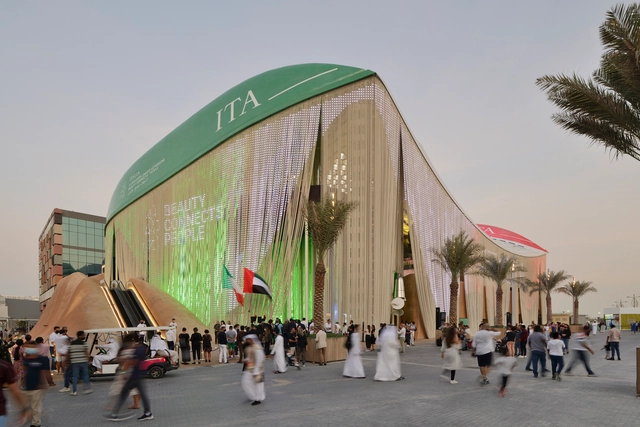
CRA-Carlo Ratti Associati and Italo Rota Building Office, along with Matteo Gatto and F&M Ingegneria designed the Italian Pavilion at the Expo 2020 Dubai with a focus on reconfigurable architecture and circularity. The architects used orange peel, coffee ground, algae, and sand as construction materials, along with recycled plastic for the façade's ropes and boat hulls for the roof. The architectural design of the pavilion and the materials used create a natural climate mitigation system that substitutes for air conditioning.

Italian architecture practice Spacelab designed an energy self-sufficient shelter for temporary use, a parametric project that can be built without foundations on any site, leaving no trace and no damage to the site at the end of its life cycle. Named Zero in reference to the lack of waste during construction or removal and its zero-emissions operation, the structure can be demounted and reassembled multiple times, tapping into issues of circular economy, impermanence and reuse.
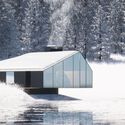

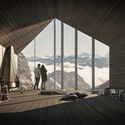

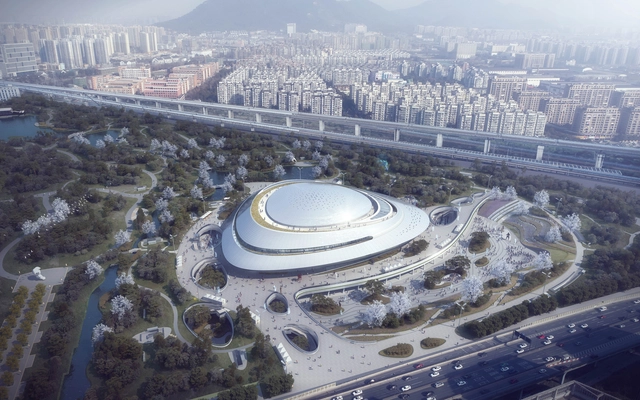
This week’s curated selection of Best Unbuilt Architecture highlights competition-winning projects submitted by the ArchDaily Community. From art museums to memorials, this article explores cultural functions and commercial spaces, and presents projects submitted to us from all over the world.
Featuring commercial spaces that honor the historic architectures of Ukraine and Romania, and a public plaza inspired by the topography between the coastal line and the urban square of Usküdar, this roundup explores how architects have designed monumental structures that cater to the needs of the public while respecting the surrounding topography. This round up also includes a collection of competition-winning proposals in Spain, China, Thailand, India, Israel, Iran, Kosovo, and Hungary, each responding to different contexts, spatial needs, and geographies.
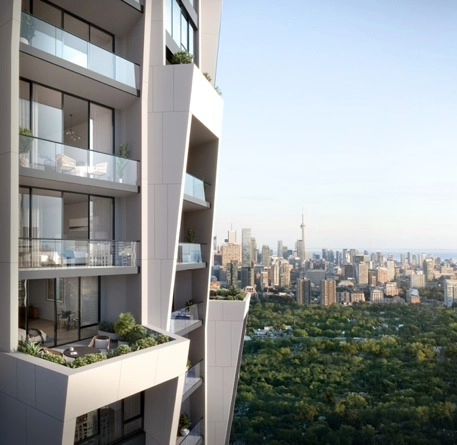
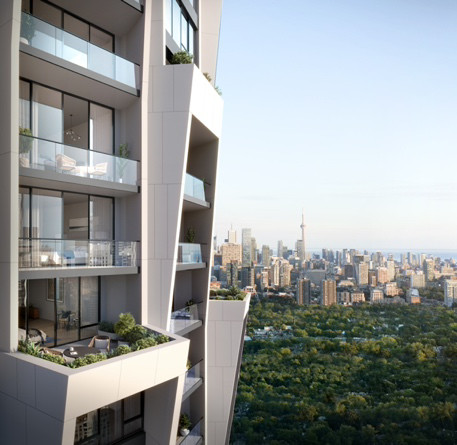
Studio Gang has designed a honeycomb-shaped residential building, titled One Delisle that offers residents an all-year-round outdoor patio overlooking Toronto, Canada. The project is designed as a windbreaker inspired by a German beach chair known as the Strandkorb. The tower will include up to 47 floors, with each distinct penthouse spanning one-third or one-half of the 16-sided building, and will offer residents hotel-style amenities.
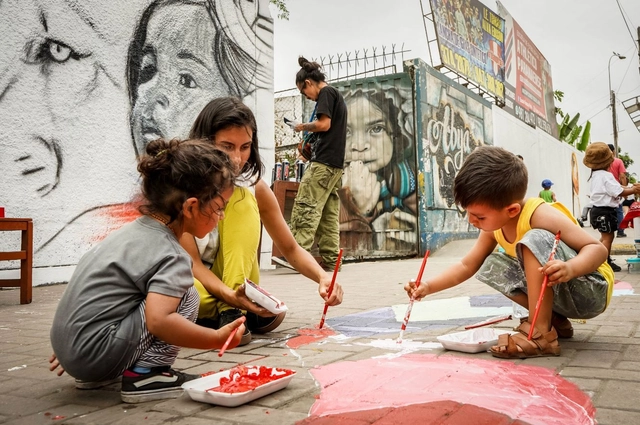
Lucía Nogales is the general coordinator of Ocupa tu Calle (Occupy your Street) —an UN-Habitat, Avina Foundation-supported initiative promoted by Lima Como Vamos— which focuses on 'citizen urbanism' for inclusive and resilient cities in Latin America.
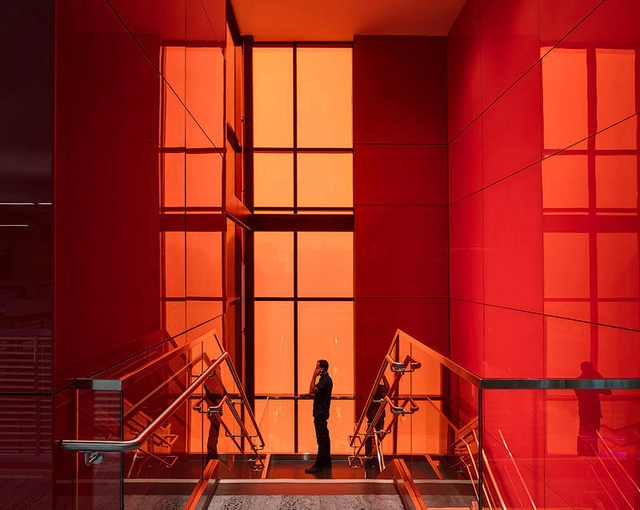

Polyvinyl Butyral (PVB) is a resin known for its strength, flexibility, and optical clarity. When inserted and bonded between two panes of glass, the combination —known as laminated glass— provides a tough, acoustic, glare-, UV- and solar-protective barrier with no loss of transparency. So much so, that its main use is in car windscreens.
By inserting and layering various sheets of colored PVB, glass can be transformed with a kaleidoscope of color and a range of opacity. The whole effect gives interiors specifiers a palette of light and color tools when adding personalities to interior environments. Here are six examples of projects that use PVB-laminated glass to great effect:
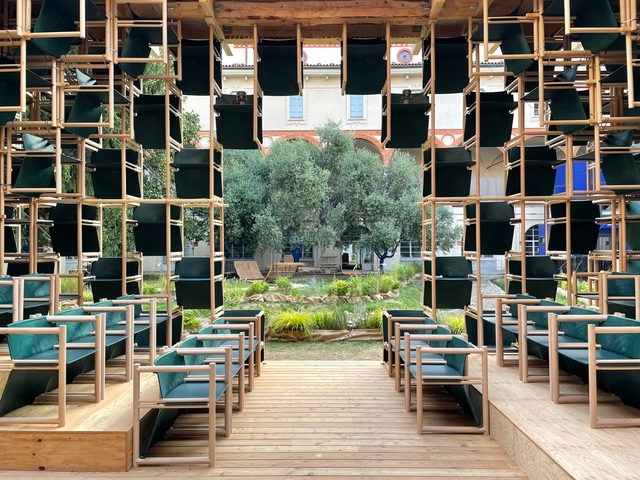
Lendager Group was founded with the explicit goal of becoming the leading sustainable architectural office in Denmark. Exploring the concept of Design for Disassembly (DfD for short), their recent project in Milan is grounded in the growing concern around resource consumption and low recycling rates within the construction industry. Expanding on themes of the circular economy, their work was designed utilizing chairs made of ocean plastic and the pavilion was designed for disassembly.
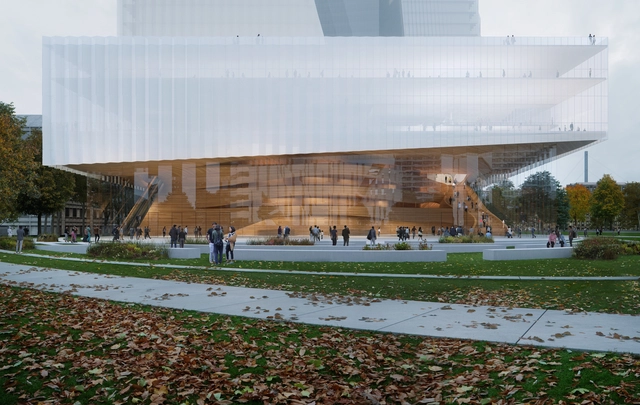
Snøhetta revealed its design for Duett Düsseldorf, a new opera house set to become the German city’s new cultural destination. Stemming from the horizontal volume containing the new music venue are two sloping towers containing a hotel, restaurants, office spaces and residential units, creating a multi-layered development serving the arts and culture scene of Düsseldorf. Neighbouring the historic Hofgarten park and the Rhein river, the project’s ground-level blurs the boundaries between indoor and outdoor, with a glass façade revealing a cultural wood wall within the foyer, welcoming users to the opera house.
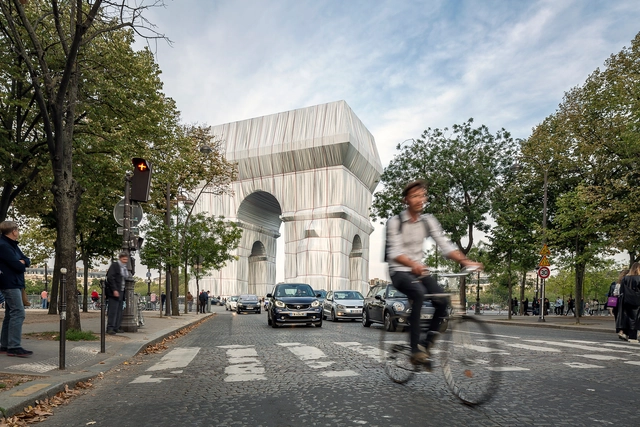
Andreas Ruby, Director of the Swiss Architecture Museum shares his thoughts on the wrapped Arc de Triomphe installation by Christo and Jeanne-Claude, in a 3 part essay, converting a monument glorifying war into a monument of decolonization. The temporary installation opened to the public on September 18, 2021, and will be dismantled starting October 3, 2021.
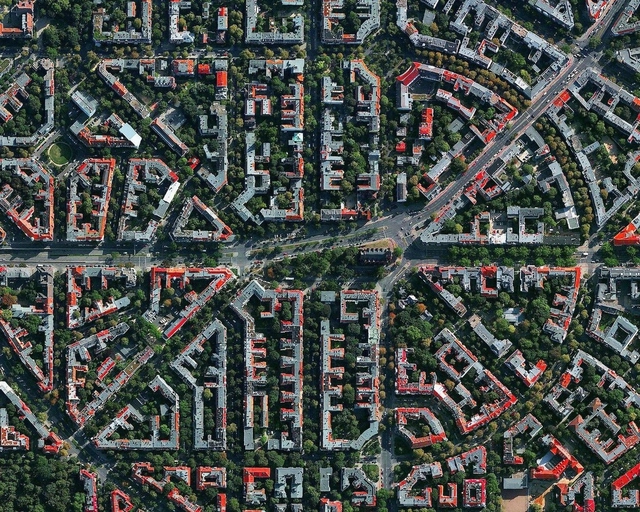
Celebrated on the first Monday of every October, World Architecture Day was set up by the Union International des Architects (UIA) back in 2005 to “remind the world of its collective responsibility for the future of the human habitat”, coinciding with UN-Habitat's World Habitat Day.
This year both organizations have defined themes related to improving the quality of life and reducing the effects of the climate crisis by taking action in the built environment. While the International Union of Architects' 2021 World Architecture Day theme is "Clean Environment for a Healthy World", UN-Habitat's World Habitat Day has announced "Accelerating Urban Action for a Carbon-Free World" as their topic.











.jpg?1633431403 "Palazzo Verde . Image © Stefano Boeri Architetti")
.jpg?1633431510 "Palazzo Verde . Image © Stefano Boeri Architetti")