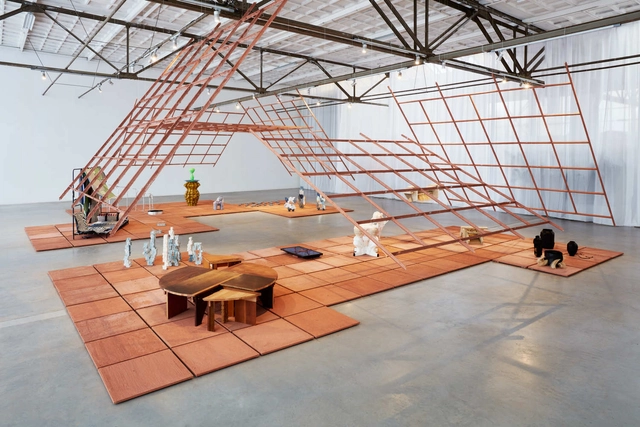
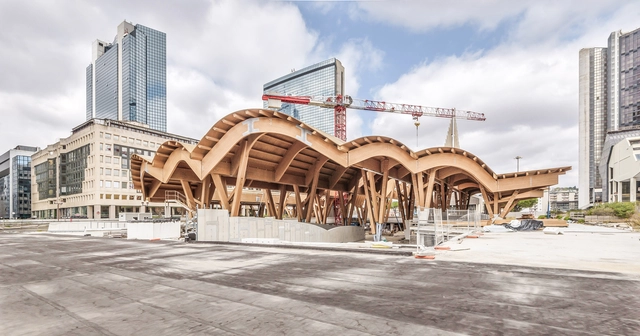
Under the theme of 'The Greater Number', the Dutch Design Week (DDW) returns with a physical edition from the 16 until the 24th of October 2021 in Eindhoven, the Netherlands. The largest design event in Northern Europe has decided for its comeback to tackle the notion of less consumption, less production, and less waste. Knowing that this is not always possible, the design happening also calls for more sustainable products with more value.
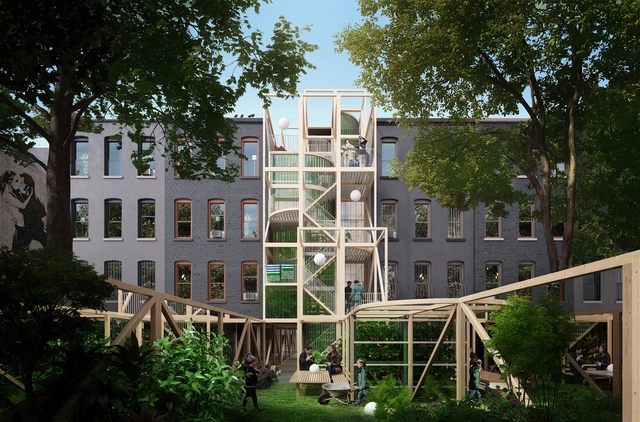
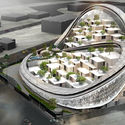
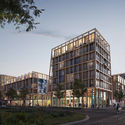
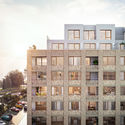
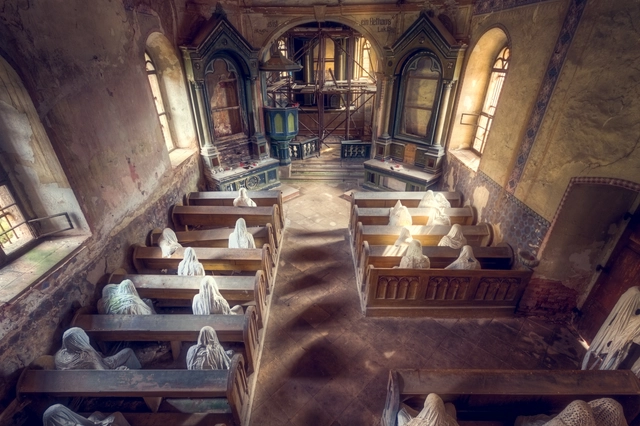
Striving to change the behavior of consumers and manufacturers, Dutch Design Week organized lectures, debates, and exhibitions, from which ArchDaily selected 8 architecturally relevant interventions to underline. Highlighting ideas that can shape a positive future, the list is mostly focused on future cities, while also tackling notions such as adapted realities, connected living, interactive experiences, and designing society.
Barcelona-based Miralles Tagliabue - EMBT under the direction of Benedetta Tagliabue, has completed its construction of the Centro Direzionale di Napoli train station and subway, an underground central station that combines the city's natural volcanic geography with the site's 1970's-built master plan designed by Kenzo Tange. The design focuses on art, architecture, and archaeology, also known as the "Triple A", giving the site a highly recognizable identity that contrasts its surroundings and historical context.
Designing residential projects has become nothing short of a challenge. Whether it being for the housing crisis and its repercussions, the heightened environmental awareness, or the fact that people are spending more time inside their dwellings, architects are now focused on building projects that look beyond the typical house and that provide answers to questions like: how can architects offer residents privacy and comfort while maintaining a connection with the outdoors? And how can these spaces cater to the spatial and functional needs of all family members, especially when the lines between work, play, and rest are blurred?
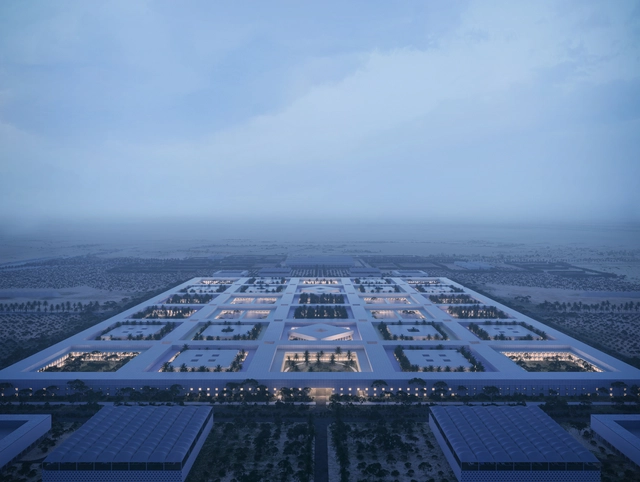
From a Matrix-inspired housing compound in Saudi Arabia to the world's first steel 3D printed structure of modular houses in Sardinia, this round up of unbuilt apartments showcases how architects have reimagined the traditional residential typology, and looked into how these structures can cater to their users, the site, and the environment. This round up also includes projects from the Netherlands, Siberia, Sweden, and Italy.
It is easy to show cool images of adaptive reuse. The contrast of living history and control over it makes for dynamic visuals. But there is a deeper meaning to adaptive reuse. Architecture embodies humanity and humanity changes, so our buildings change.
OMA / Reinier de Graaf and Buro Happold have unveiled their design for the Al Daayan Health District in Doha, Qatar. The project explores the "potential of modularity, prefabrication, and automation in relation to the rapid changes in medical science" on a 1.3 million-sqm plot with low cost, cross-shaped modular units that are prefabricated on site. In addition to the prefabrication of the units, a local high-tech farm will supply food and medical plants for medicine production, and a solar farm will allow the district to function autonomously.
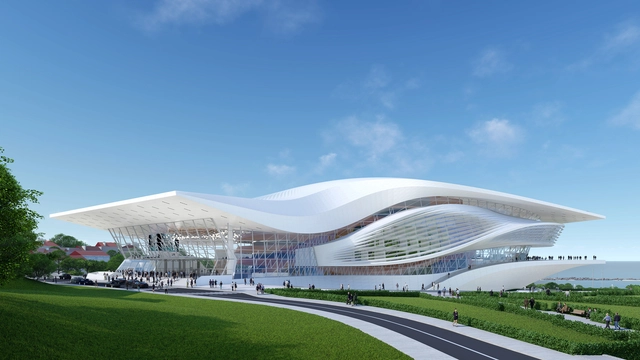
Opera and Ballet Theater by Coop Himmelb(l)au. Image Courtesy of Architectural Concept For Kamal Theatre Competition
The jury of the Galiasgar Kamal Tatar State Academy Theatre's open competition has announced its list of 8 international finalists. The competition called for the development of an architectural concept that takes into account sustainable development and Kazan's history, creating a theatre that blends harmoniously into its surroundings while becoming a new unique landmark.
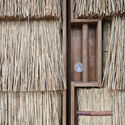
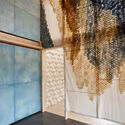
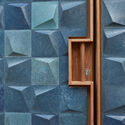
At the Dutch Design Week, a house created entirely from bio-based materials aims to illustrate that circular design is not only feasible but a scaleable construction method for the future. Featuring 100 types of sustainable materials, The Exploded View Beyond Building is a concrete example of the possibilities of creating a circular living environment, bringing together substantial research into high-quality components fit for disassembly and modular design.
The style and atmosphere of an interior literally rest on one product more than any other: the floor. When selecting the perfect flooring or carpet to suit a project, specifiers need to consider a range of questions for the room. Various colors, patterns, and styles are available across all materials, so requirements like coverage, traffic, maintenance, and durability —rather than aesthetic— really dictate the answer to which flooring type is right for your project.
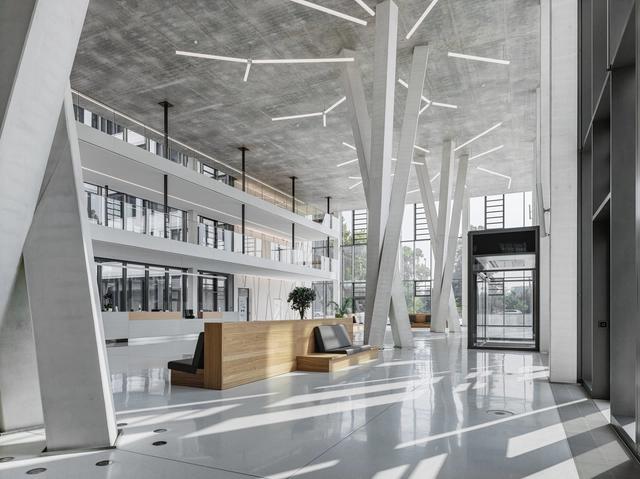
The new headquarters of the building materials manufacturer HeidelbergCement consists of three interconnected building sections of different heights. The atrium of each building section provides plenty of light and luminance. The building was opened in June 2020 and provides up to 1,000 employees with a state-of-the-art work environment. The architectural firm AS+P Albert Speer + Partner based in Frankfurt was responsible for the project as a general planner, and carried out the design in collaboration with W+Architektur, with the latter providing the consulting office for the client’s project manager.
PERI, one of the leading formwork and scaffolding manufacturers worldwide - and the building materials manufacturer HeidelbergCement - combined their architectural and concrete expertise for the execution of this project. In doing so, the existing limits of PERI’s concrete construction offerings were pushed. The architectural highlights of the project were successfully realized using special PERI formwork elements.
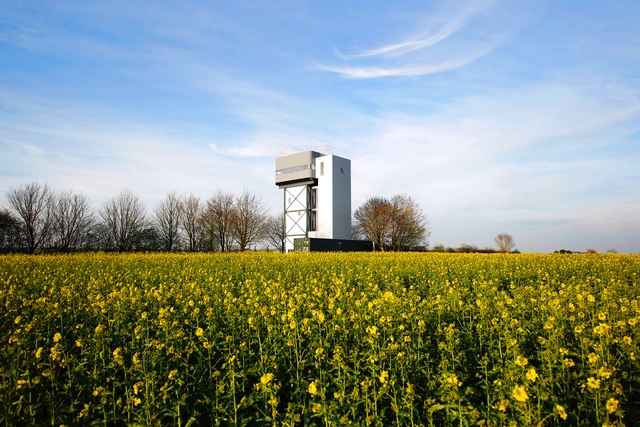
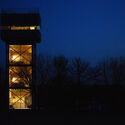
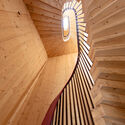
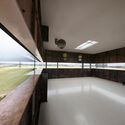
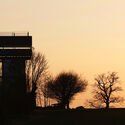
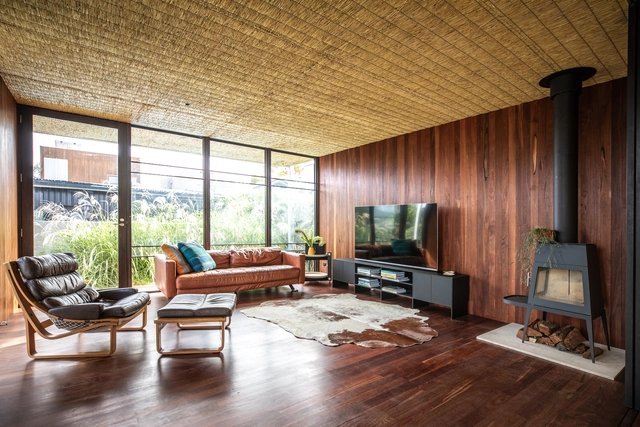
The Royal Institute of British Architects (RIBA) awarded the 2021 Stephen Lawrence Prize to Tonkin Liu’s Water Tower, an adaptive reuse project which converts a disused industrial structure in the countryside into a residential space. The design has a strong attitude towards material recycling, retaining much of the original structure while creating adaptable interiors. The utilitarian aesthetic blends with a creative re-engineering of the project, showcasing an architectural approach in tune with contemporary sustainability values.
We talk a lot about sound treatment for architecture but normally for new projects. In projects that are already built, either a rented apartment or small commercial space, we often have to deal with noises that we can't control, affecting our physical and mental health. In this article, we explore practical tips on how to manage and reduce these noises and improve the quality and atmosphere of these environments.
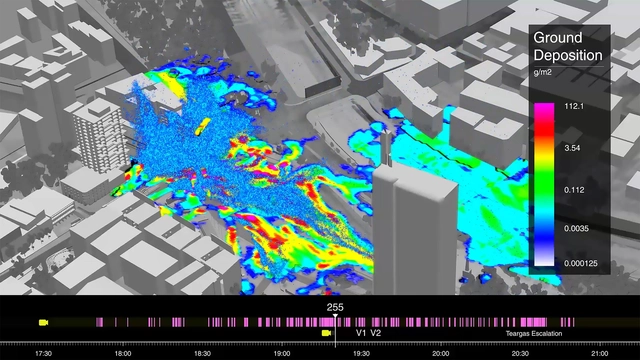
Analysis of tear gas levels in Plaza Italia/Plaza Dignidad (Santiago, Chile) based on footage from Galeria Cima. Image Courtesy of Forensic Architecture
On October 18, 2019, a 4-cent increase on Santiago's Metro fare caused an uproar on the streets of the Chilean capital. The citizens' anger escalated quickly, leading to demands of immediate structural changes in the Chilean economic and social system. Alongside the people's call for change, daily clashes between protesters and the police led to excessive use of tear gas by the latter across the country.
Even though the use of tear gas is banned in warfare since 1925, police worldwide are allowed to use it for the sole purpose of scattering protesters, as had happened in Chile. The most iconic example can be seen in Plaza Dignidad (Dignity Square), previously known as Plaza Italia ahead of the social outbreak that erupted in the country: everyday, a camera records the activities around the iconic roundabout, capturing the constant and excessive use of lachrymatory gas every Friday.
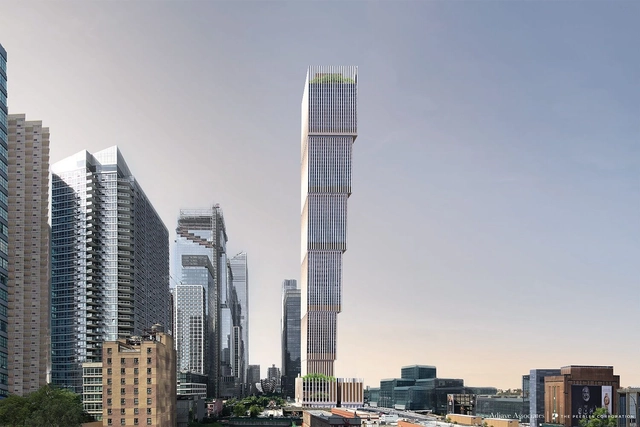
Courtesy of Adjaye Associates/The Peebles Corporation
A team competing to fill Site K, a vacant full-block plot of land directly across from the Jacob K. Javits Center in Manhattan between West 35th and West 36th Streets, has unveiled a scheme for a tower that, if built, would be Adjaye Associates’ tallest to date.
Only 18 months ago, everyone around the globe had their life upended by the COVID-19 pandemic. Almost immediately, architects and designers began to speculate on how they could design for a better world that would be flexible, functional, and healthy. While the pandemic is far from over, with many scientific advancements and public health policies still needed to truly allow us to live out our “new normal”, perhaps its time to reflect on our predictions and examine what aspects of the pandemic were short-term reactions, and which aspects of life might be permanently reflected in how we think about the built environment.
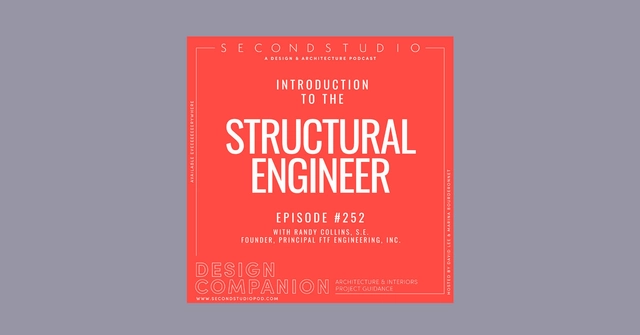
The Second Studio (formerly The Midnight Charette) is an explicit podcast about design, architecture, and the everyday. Hosted by Architects David Lee and Marina Bourderonnet, it features different creative professionals in unscripted conversations that allow for thoughtful takes and personal discussions.
A variety of subjects are covered with honesty and humor: some episodes are interviews, while others are tips for fellow designers, reviews of buildings and other projects, or casual explorations of everyday life and design. The Second Studio is also available on iTunes, Spotify, and YouTube.
This week David and Marina are joined by Randy Collins S.E., Founder and Principal of FTF Engineering, Inc., to discuss the role and responsibilities of the structural engineer, designing structures to withstand earthquakes, the limitations of the buildings code’s structural requirements, hiring an engineer, working with architects, creating value for clients, and more.
https://www.archdaily.com/970298/the-second-studio-podcast-interview-with-randy-collins-structural-engineerThe Second Studio Podcast
Chilean architect Smiljan Radic has designed and installed a perfectly transparent dome for Alexander McQueen's Spring / Summer 2022 fashion show earlier this week in London.
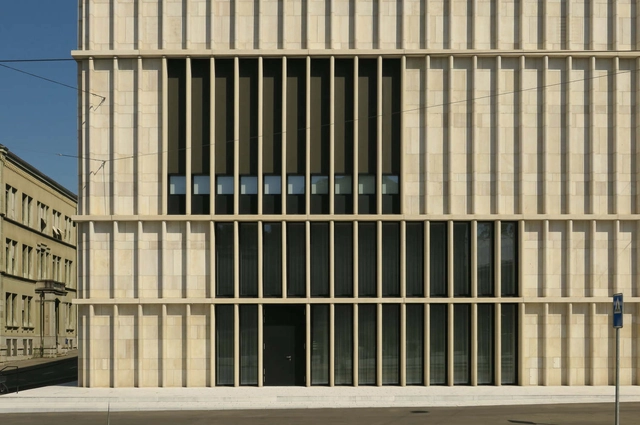
Architectural photographer Paul Clemence has released a new photoseries of the newly-opened Kunsthaus Zürich Museum Extension designed by David Chipperfield Architects. The extension is a freestanding addition to the existing Kunsthaus museum, and houses a collection of classic modernist artwork, the Bührle collection, and temporary exhibitions. The architectural identity takes inspiration from traditional stone façades found on the existing Kunsthaus as well as other significant public buildings in the Swiss city, and combines tradition and innovation through slender vertical fins crafted from local Jurassic limestone.