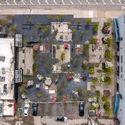
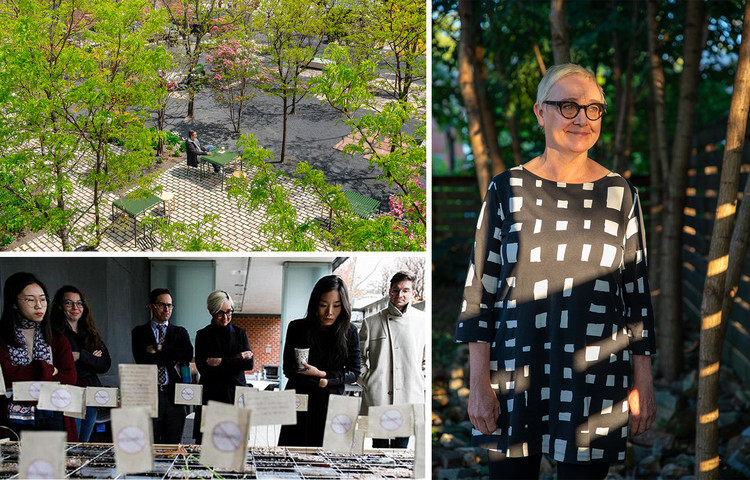
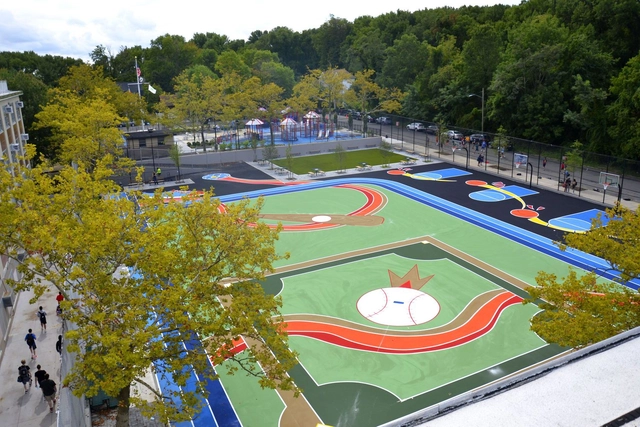
A new report from The Trust for Public Land (TPL) makes a compelling case for transforming underperforming, paved public schoolyards into green oases for the entire community. While the benefits for schools and their educational communities are clear, TPL sees an opportunity to open up these facilities to surrounding neighborhoods after school hours, on weekends, and when school is out. If all 90,000 public schools in the country had a “community schoolyard,” more communities could tackle the persistent park equity issue — in which too few communities, particularly undeserved ones, enjoy access to nearby high-quality public green spaces. TPL argues that opening up all schoolyards, essentially turning them into part-time all-access community hubs, would “put a park within a 10-minute walk of nearly 20 million people — solving the problem of outdoor access for one-fifth of the nation’s 100 million people who don’t currently have a park close to home.”
https://www.archdaily.com/971293/the-incredible-opportunity-of-community-schoolyardsJared Green
When examining the world of African cinema, there are few names more prominent than that of Senegalese director Ousmane Sembène. His films ‘La Noire de…’ and ‘Mandabi’, released in 1966 and 1968 respectively, are films that tell evocative stories on the legacies of colonialism, identity, and immigration. And whilst these two films are relatively slow-spaced, ‘slice-of-life stories, they also offer a valuable spatial critique of the setting where the films are based, providing a helpful framework to understand the intricacies of the post-colonial African city, and the contrast between the African and European metropolises.
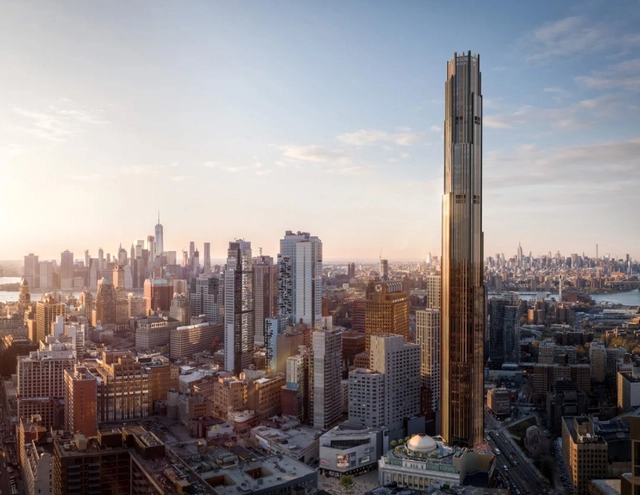
SHoP Architects and JDS Development Group's The Brooklyn Tower at 9 DeKalb Avenue has reached its final height. The monumental tower stands at 1,066 ft. formed by interlocking hexagons that create a dramatic facade of reflective bronze and black panels, providing residents with panoramic views of the city, river, and harbor. The tower is expected to launch residence sales in early 2022, and open for occupancy late 2022.
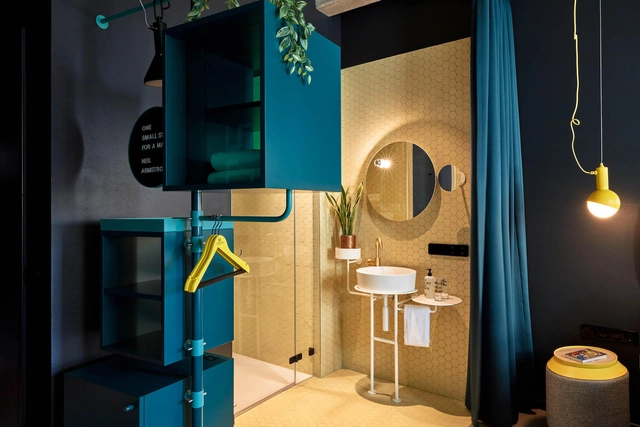
As a room everyone needs to visit, no matter what their social standing (or sitting), bathrooms can be one of the best ways to add character to a project. Used when we are at our most vulnerable, bathrooms are calm, solitary arenas, giving a few minutes of peace in an otherwise hectic environment. So the originality of the user experience can really stand out.
Whether they bring relaxation to hospitality, individuality to residential or drama, and culture to public space, bathrooms can both surprise and delight users, while allowing them to rest. Here are eight projects where a designer bathroom is an integral part of interior architecture.
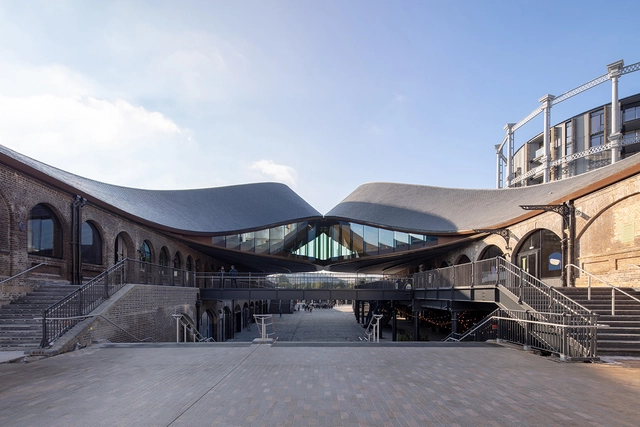
Sustainable architecture begins with designing for longer lifecycles and reuse. Looking to create more inclusive and viable futures, architects are exploring adaptive reuse as one of the best strategies to address the climate crisis and promote social justice. Reuse keeps the culture of an area alive, bridging between old and new as projects push the boundaries of circular and adaptive design.
Four emerging architecture studio profiles from Greece, Lithuania, Italy, and Denmark have been chosen by New Generations, a European platform that analyses the most innovative emerging practices at the European level, providing a new space for the exchange of knowledge and confrontation, theory, and production. Since 2013, New Generations has involved more than 300 practices in a diverse program of cultural activities, such as festivals, exhibitions, open calls, video interviews, workshops, and experimental formats.
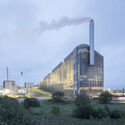
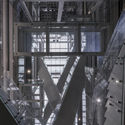
MVRDV's Depot Boijmans Van Beuningen, the world’s first fully accessible art depot, is opening its doors to the public this weekend. The official opening ceremony is taking place on November 5th, and the public will be able to visit from Saturday 6th of November onwards. Located at Museumpark in the center of Rotterdam, the reflective structure features exhibition halls, a rooftop garden, and a restaurant, and offers a behind-the-scenes look into the world of museums, making art collections accessible to the public.
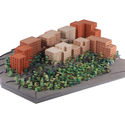
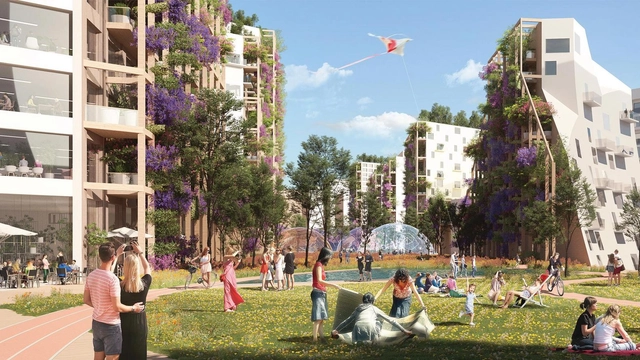
MVRDV and Hyde Park BV have unveiled their design proposal of Hoofddorp's Station Quarter, a project that aims to transform the area around the existing station into an ecofriendly and affordable urban district. The masterplan will offer 8,500 housing units and renovated train, bus, and metro stations, providing a solution to the housing shortage and access to public transportation without compromising the quality of living.
The 26th UN Climate Change Conference of the Parties (COP 26) debuted yesterday in Glasgow, bringing together more than 190 world leaders, with the aim of accelerating action to reach the goals of the Paris Agreement and UN's Convention on Climate Change. Leading architecture organizations and figures are attending the two-week summit to show the AEC's industry's commitment to reduce carbon emissions and urge decision-makers to implement clear targets to achieve global climate goals.
What is an architecture critic? And what makes a critic in the 21st century? Throughout history, critics were the select few who were chosen to describe and evaluate architecture while we waited for their rave reviews or disappointments before we validated our own opinions. Their thoughts and words became design canon and heavy-handedly shaped our profession. This mindset and culture only further contributed to the idea that architecture is an “elitist” practice where a few set the rules and the rest must learn them. While architecture will always have named critics, just as other forms of art and culture have theirs, there’s recently been a push for architecture to transform itself into a profession that designs for the masses and is equally critiqued by the masses.
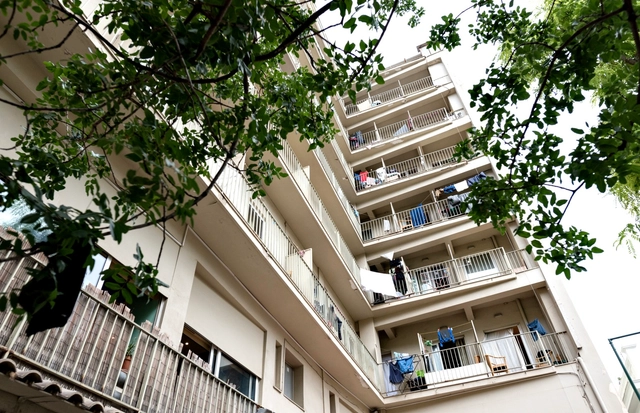
All over the globe, countries are facing a housing crisis. United Nations statistics put the number of people who live in sub-standard housing at 1.6 billion, and 100 million of the world’s population are without a home. As conflicts and climate change forces refugees to move to new countries, and as housing prices around the world continue to rise, cities are having to grapple more and more with how to provide safe and affordable housing for their residents.
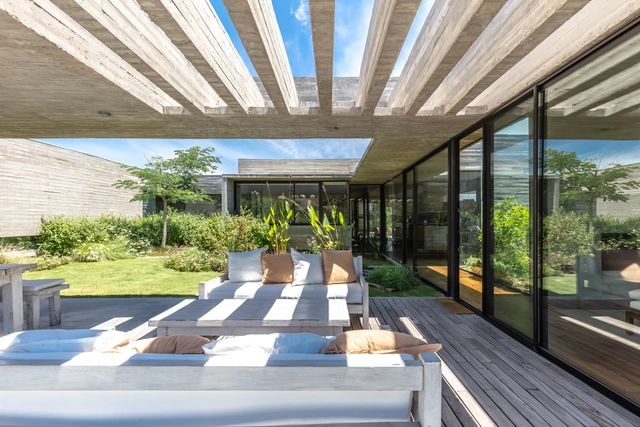
Argentina is positioned in the extreme south and southwest of South America and given its extension, it has a multiplicity of climates and differences in the incidence of sunlight. These conditions led many architecture professionals to think about pergolas to generate transitional spaces between the interior and exterior of the homes that allow meeting the needs of its inhabitants by creating shaded, meeting and resting spaces in the open air.
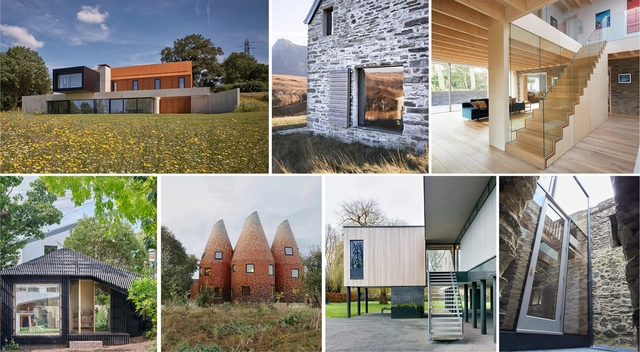
The Royal Institute of British Architects (RIBA) has announced its longlist of best new homes in the United Kingdom for the year 2021. The jury, which includes Architect and Chair Amin Taha, Co-founder of Ash Sakula Architects Cany Ash, and RIBA House of the Year 2019 winner Kieran McGonigle, have selected 20 newly-built houses or extensions that feature imaginative and innovative residential typologies that cater to the environment and their users.
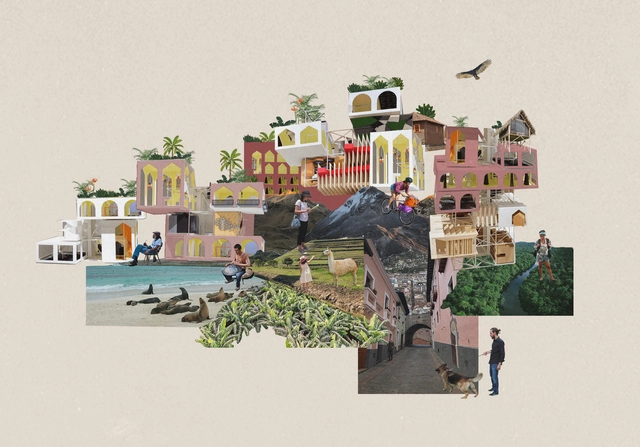
Mexican firm Tatiana Bilbao Estudio has unveiled Botániqo, its new project in collaboration with the Ecuadorian firm Uribe Schwarzkopf in Quito, Ecuador. With over 12,000 km2, the project will cede 4,000 km2 to create a new transportation hub expected to service over 60,000 people per day, in addition to the creation of green space around the residential units.
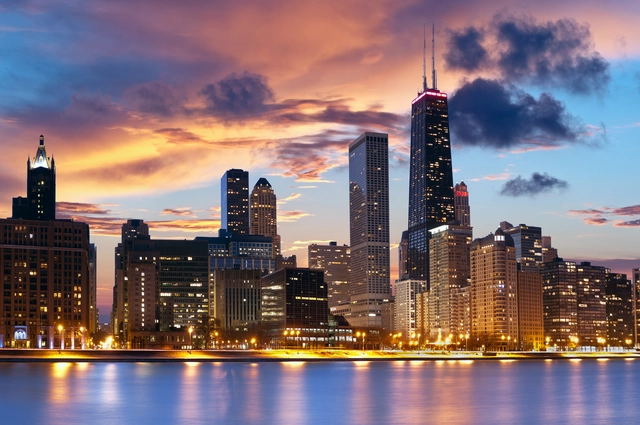
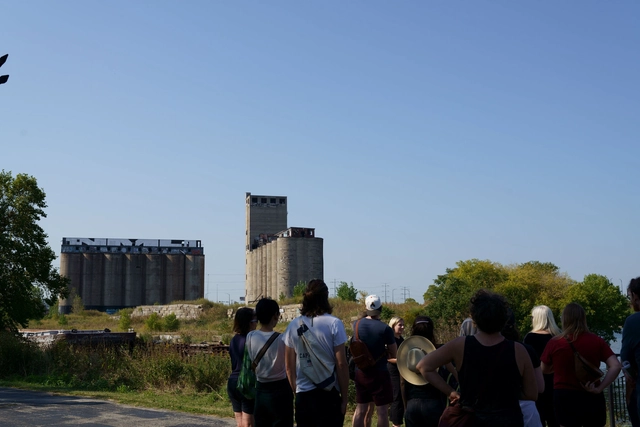
In Metropolisthis week, author Annie Howard explores Chicago's Architecture Biennial, which opened to the public on September 17th, showcasing a series of 15 site-specific interventions. Arguing that "a tour of the Damen Silos and a celebration of the Wall of Respect show a biennial struggling to achieve longer-term engagement with the city it calls home", the editor questions how much work is needed in order to make the city fully usable to its residents.
https://www.archdaily.com/971003/understanding-the-available-city-at-the-chicago-architectural-biennialAnnie Howard
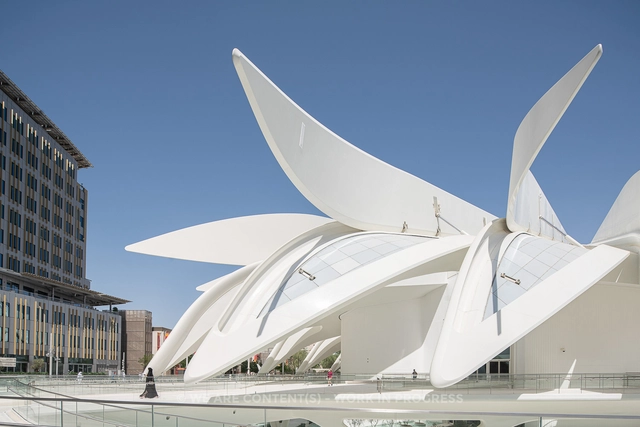
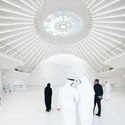
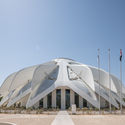
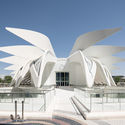
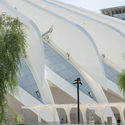
A "symbolic interpretation of the flow of movement", Calatrava’s design for the UAE Pavilion at the 2020 Expo Dubai is a 15,000 square meters immersive and multisensory experience. Images recently shot by Stephane Aboudaram highlight a structure of 28 automated cantilevered wings, that open and rotate at a range of 110 and 125 degrees. Moreover, these photos also show a central skylight, that mimics the logo of this year’s expo.
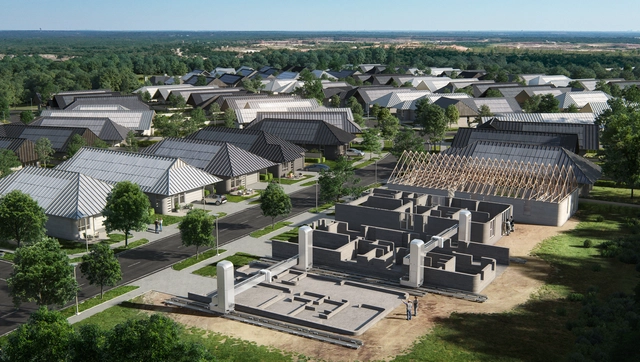
Homebuilding company Lennar and construction technologies company ICON are collaborating with BIG-Bjarke Ingels Group to build the largest community of 3D-printed homes to date. The 100-home neighborhood in Austin is expected to break ground in 2022 and will combine ICON’s innovative robotics, software, and advanced materials with BIG's designs.












.jpg?1635758471&format=webp&width=640&height=580)
.jpg?1635758691 "© Ossip van Duivenbode / MVRDV")
.jpg?1635758471)

.jpg?1635756192 "Courtesy of MVRDV")
.jpg?1635756150 "Courtesy of MVRDV")