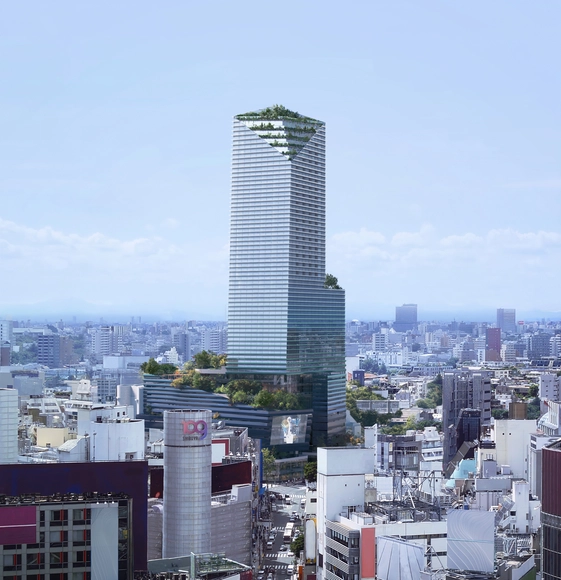
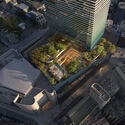
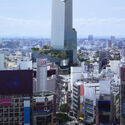
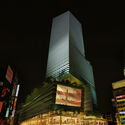
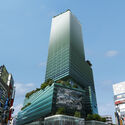
Snøhetta has unveiled the design of its largest project in Japan to date, the Shibuya Upper West Project for Tokyu Corporation, L Catterton Real Estate, and Tokyu Department Store. The project aims to offer cultural experiences in tune with the vibrant Shibuya district of Tokyo, known for its bustling crowds, big screens, and the crossing in front of the Shibuya Station Hachikō. The 36-story tower will include a cultural complex, retail spaces, a contemporary hotel, and rental residencies.
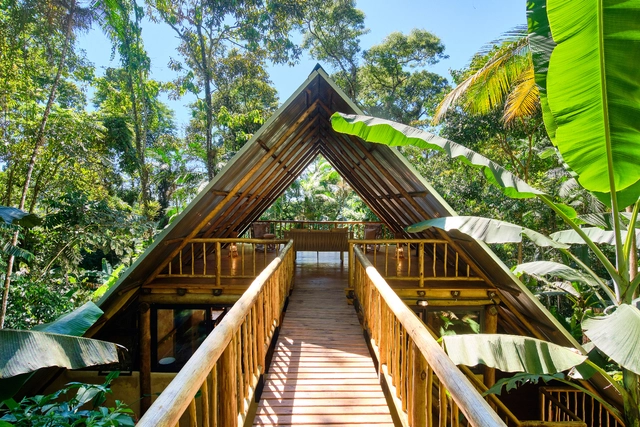
In addition to their primary function, roofs are one of the most fundamental elements in the aesthetics of a building, taking different shapes, being composed of different structures and sealed by different materials. But, in addition to aesthetics, roofs need to meet the climatic conditions of where they are located, considering the periodic changes related to rain, sun and winds.
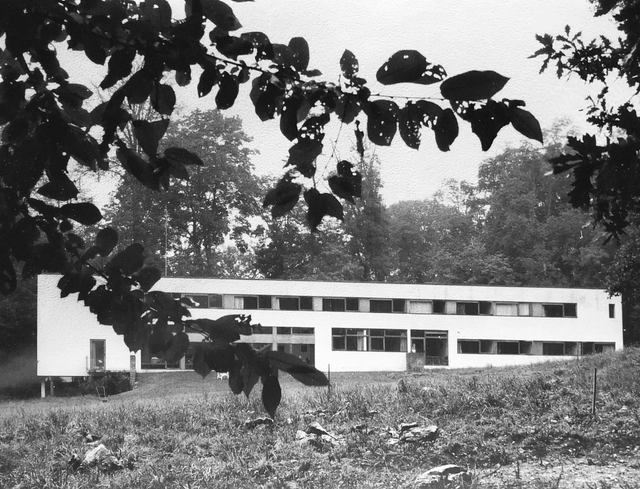
Exterior view of l’Eau Vive hospital, Soisy-sur-Seine, France, 1960s. Image Courtesy of Archives of Nicole Sonolet, collection of Christine de Bremond d’Ars
What would it mean to design buildings that exceed the economic accountings of liberal biopolitics, that instead offer an entirely different rationale for supporting health? In the years that Michel Foucault conceptualized the term biopolitics, he was part of a constellation of researchers and architects who developed care praxes that defined the value of life and its maintenance through a desire-based calculus. The welfare state institutions of architect Nicole Sonolet in particular—mental hospitals, public housing complexes, and new village typologies built mainly in postwar France and postcolonialAlgeria from the 1950s to the 1980s—were designed not only to support but to center the needs of people often excluded from design processes. Sonolet’s mental health centers for residents of Paris’s 13th arrondissement, in particular, were key projects for discovering a design practice tied to the provision of care for its own sake.
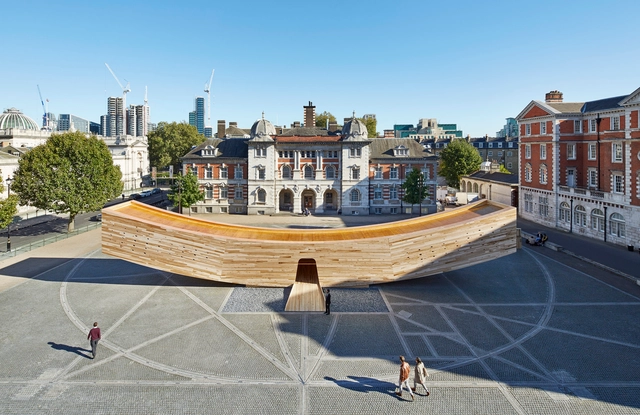
The Smile. Image Courtesy of Alison Brooks Architects.
London-based architect Alison Brooks was born and grew up in Canada and studied architecture at the University of Waterloo in Waterloo, Ontario. Upon graduation in 1988, she left for London where after working with designer Ron Arad for seven years she started Alison Brooks Architects in 1996. Her most representative works include the Stirling Prize-winning Accordia Brass Building in Cambridge, Exeter College Cohen Quad in Oxford, the Smile Pavilion for the 2016 London Design Festival, and several expressive single-family residences in London: VXO House, Fold House, Lens House, Mesh House, and Windward House.
Among the studio’s current projects are The Passages in Surrey, Canada; Homerton College in Cambridge, and other residential and cultural projects throughout Britain and in North America. This month the architects’ design was shortlisted for the LSE Firoz Lalji Global Hub and Institute for Africa in London. Together with Nigerian practice Studio Contra, the ABA-led team was one of six finalists chosen from 190 international submissions.
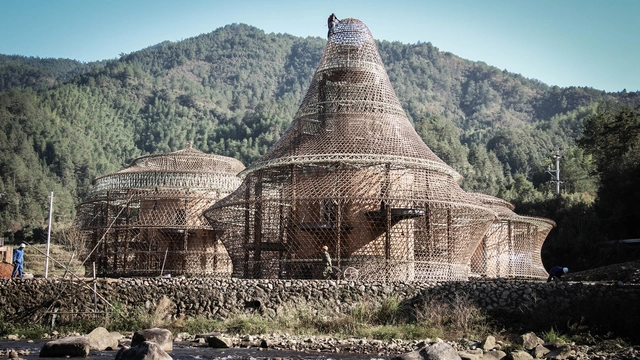
The Filipinos believe that man and woman first emerged from the nodes of a bamboo stalk. The Chinese view the caneas a symbol of their culture and values, reciting “there is no place to live without bamboo”. The plant is a symbol of prosperity in Japan and friendship in India. Along with myths and stories, strong structures made of bamboo flourished in pre-modernAsia. Built forms varied across the changing landscapes of Eastern countries, all sharing one aspect in common - a respect for natural ecosystems.
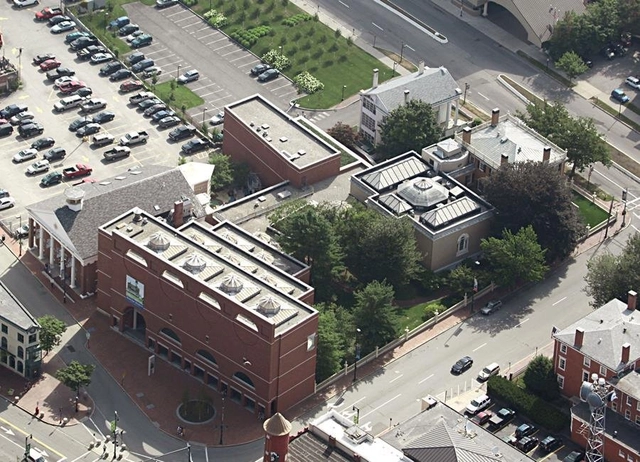
The PortlandMuseum of Art, along with architects from Dovetail Design Strategists have announced four renowned architecture firms shortlisted for the unification and expansion of Portland Museum of Art’s new campus in the heart of Downtown Portland, Maine. Under the theme of "Art for All", PMA’s mission, vision, and commitment to Sustainability and Diversity, Equity, Accessibility, and Inclusivity were the basis of the value proposition guiding the museum unification and expansion, with a goal to "reflect a challenge to museums and cultural institutions to do more to create centers of belonging and foster social change".
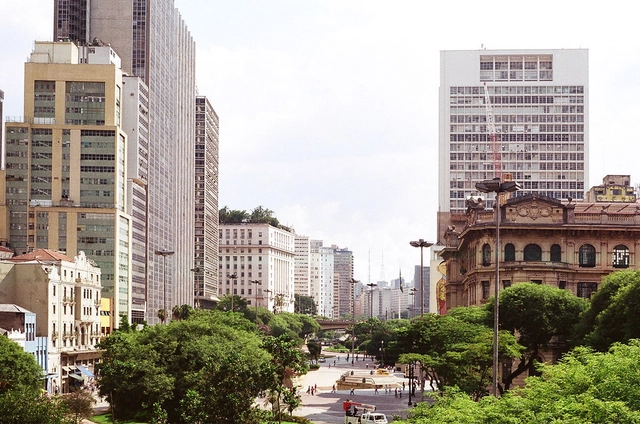
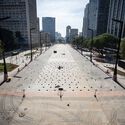
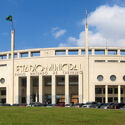
Recently, the city of São Paulo witnessed two events involving spaces that were previously public and are now under private concession. The already renowned Virada Cultural Paulistana took place again after the initial years of the covid-19 pandemic, and had as one of its stages the new Vale do Anhangabaú. In addition, the Pacaembu complex - which recently ceased to be a public facility, became a concession and has been undergoing a series of renovations and transformations - hosted the ArPa Fair, an event that brought together a series of important galleries for exhibition, purchase and sale of artworks. Despite the different nature of these events, their processes arouse reflections upon the privatization model we are experiencing in cities today.
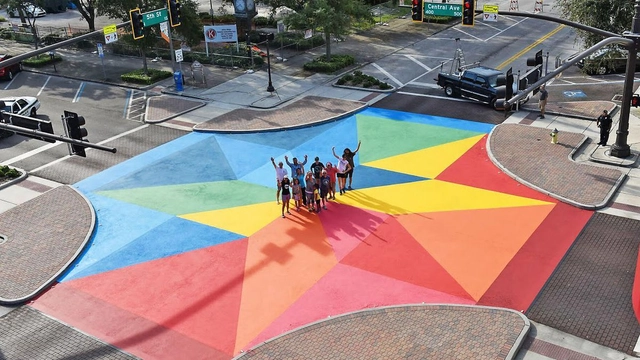
Last week, the Global Designing Cities Initiative (GDCI) released Designing Streets for Kids to set a new global baseline for designing urban streets. Designing Streets for Kids builds upon the approach of putting people first, with a focus on the specific needs of babies, children, and their caregivers as pedestrians, cyclists, and transit users in urban streets around the world.
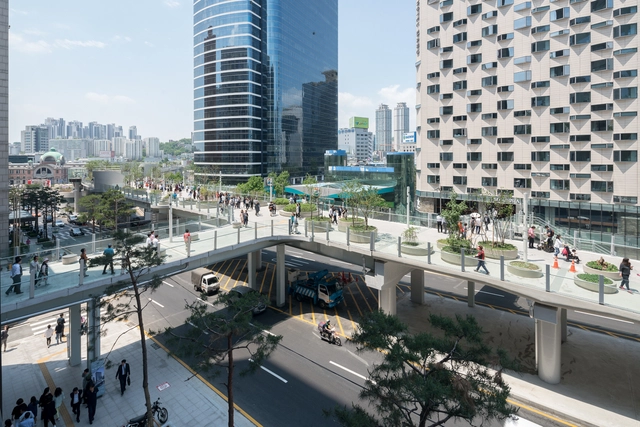
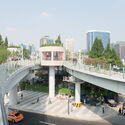
The capital of South Korea, officially known as Seoul Special City, is the largest metropolis in the country. From modern skyscrapers, high-tech subways, and expressions of pop culture, to traditional temples, palaces, and pagodas, Seoul is a captivating melting pot of old and new that all are guaranteed to enjoy.
If you plan on visiting Seoul and taking in most of what the vibrant city has for locals and tourists alike, the following list features 30 unique projects for you to indulge in and explore, providing you with a starting point for your metropolitan travels.
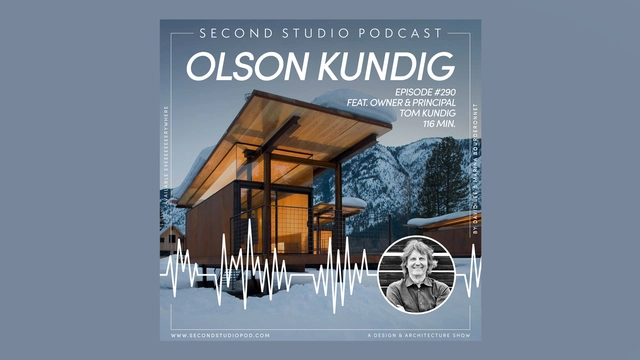
The Second Studio (formerly The Midnight Charette) is an explicit podcast about design, architecture, and the everyday. Hosted by Architects David Lee and Marina Bourderonnet, it features different creative professionals in unscripted conversations that allow for thoughtful takes and personal discussions.
A variety of subjects are covered with honesty and humor: some episodes are interviews, while others are tips for fellow designers, reviews of buildings and other projects, or casual explorations of everyday life and design. The Second Studio is also available on iTunes, Spotify, and YouTube.
This week David and Marina are joined by architect Tom Kundig, owner and design principal of Olson Kundig to discuss his childhood amongst artists and architects; mountain climbing, skiing, and a near-death experience; his philosophy and positive outlook on life; the practice and his partnership with Jim Olson; architectural processes, tools and his experience with materiality; opening a New York Office; and more.
Modernist architecture came about in the early 20th century as a response to large-scale changes in technology, construction, and society; particularly through the use of glass, steel, and reinforced concrete. The style was typically associated with the function of buildings from an analytical viewpoint, rational use of materials, the elimination of ornamentation, and openness to structural innovation.
Paul Tunge is a Norwegian writer, director, and cinematographer of Arthouse Films who has been involved in film production since the early 2000s. Having written, directed, shot, and produced four independent films, alongside 3 documentaries, each of his projects has been featured during major film festivals across all continents, in galleries, and various national cinemas and cinematheques.
Bringing fire indoors is something many people want during winter. In addition to warming the environment, fire creates a unique sensation that goes back to the beginnings of human habitation, leading us to a certain emotional comfort. Before, a chimney and a stock of firewood were needed to guarantee this, nowadays there are ecological fireplaces, which can be built-in or portable: a great choice for those who live in apartments or do not like the smoke generated by the fire.
https://www.archdaily.com/987019/what-are-ecological-fireplaces-and-how-do-they-workArchDaily Team
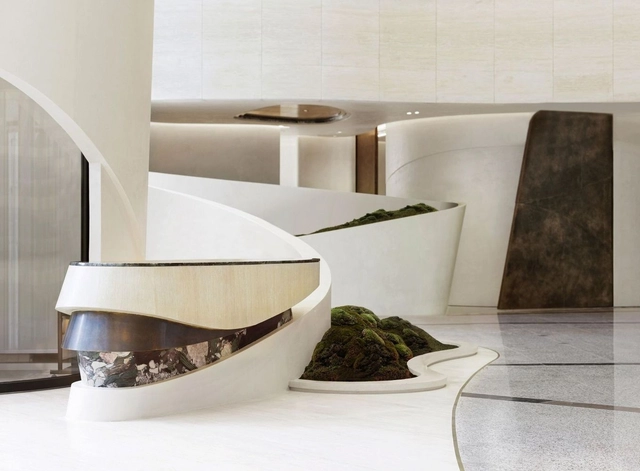
When thinking of marble, we often associate the material with ancient Greek sculptures, Classical architecture, or the Italian Renaissance. Monumental landmarks such as the St. Peter’s Basilica or the Taj Mahal, have positioned marble as an elite and timeless material that stands the test of time. And in today's conversations about the future of construction materials, amid sustainability, feasibility, and affordability, the natural stone remains high-caliber. In this interior focus, we’re taking a look at marble between the past, present, and future.
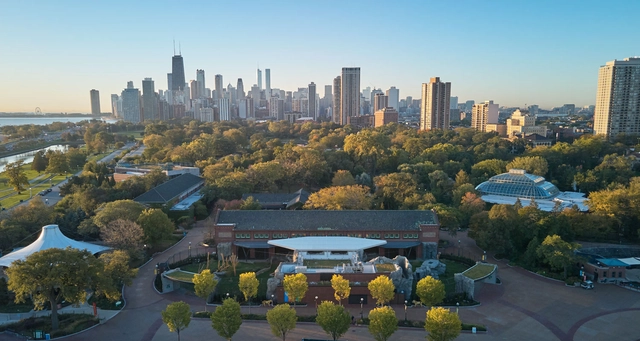
Chicago Mayor Lori Lightfoot and the Department of Assets, Information and Services (AIS) has announced that by 2025, all city-owned buildings and facilities in the city will be fully operated with clean, renewable energy. At the moment, Chicago is one of the largest cities in the United States to reduce the city’s carbon footprint at such a scale, and has already began the process of transitioning its transportation busses and cars to all-electric vehicles by 2035. The agreement demonstrates the city's plans to "drive high-impact climate action, build the clean energy workforce of the future, and equitably distribute meaningful benefits to foster the local clean energy economy for all.”
Over the years, interior design has evolved according to the needs that arise, but above all according to the experiences it seeks to evoke in the user. In the last two years we have witnessed a radical change and a special interest in this subject because the pandemic forced us to pay specific attention to the configuration of the places we inhabit. This brought about much more holistic designs that seek to address the wellbeing of the user, combining colours, sensory experiences, technology and natural elements that promote health.
Of the four types of recovery facing American cities and towns—disaster, sprawl, disinvestment, and the recovery of community for those fleeing climate change—the recovery of places from serious disinvestment arguably gets the least amount of press today. But with reasonable effort, it’s the recovery type most likely to bear fruit. This is true for several reasons, beginning with the likelihood that many of the bones of sustainable placemaking are still in place. Newly built places, even if skillfully designed, often face the criticism of “lack of authenticity,” whereas places recovering from disinvestment abound with authentic scars from decades of distress. And places with humble origins were usually built in smaller increments than once-wealthy places, so the tighter rhythms of such places are inherently more interesting than those of grander scale early in recovery.
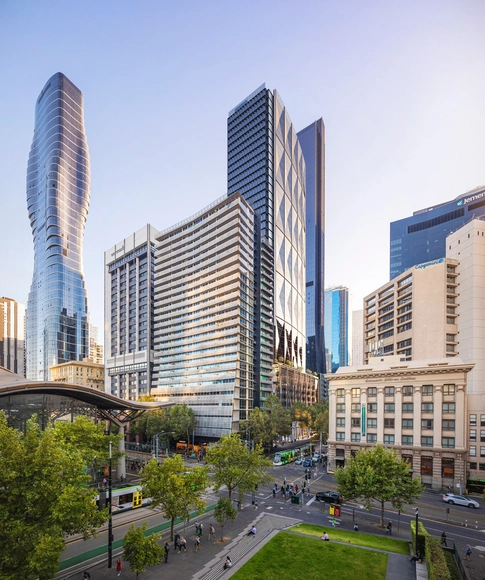
Global real estate developer Hines has announced the launch of 600 Collins, a new premium-grade office tower in the heart of Melbourne’s central business district. The tower will be designed by international architecture practice WilkinsonEyre and Australian architecture and design firm Architectus, with a strong focus on wellness, workplace, and optimized tenant experience, while integrating best practices in all facets of environmental, social, and corporate governance.
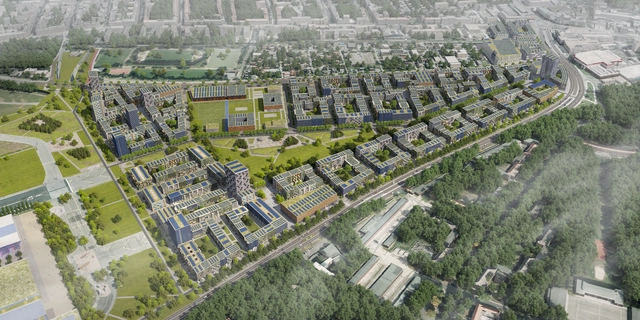
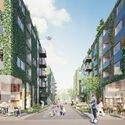
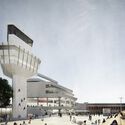
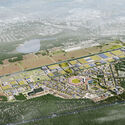
The former Berlin-Tegel Airport is set to be redeveloped. The master plan includes the Schumacher Quartier, a new residential district with 200 hectares of landscaped area, and a research and industrial park for urban technologies, Berlin TXL – the Urban Tech Republic. Besides creating a space for industry, business, and science, the innovation park aims to research and test urban technologies. The park will focus on major themes in the development of cities: the efficient use of energy, sustainable construction, eco-friendly mobility, recycling, networked control of systems, clean water, and the application of new materials.




























.jpg?1658430879&format=webp&width=640&height=580)