Videos
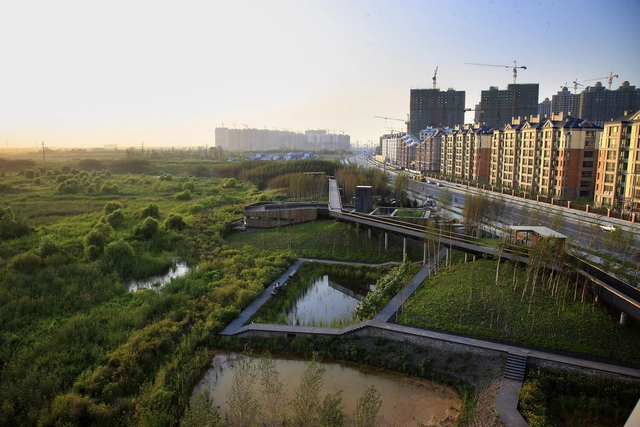
Qunli Stormwater Wetland Park / Turenscape. Image Cortesia de Turenscape
Eucalyptus forests in Australia are known to burn periodically. It is the trees' way of ensuring propagation, as its fruits – known as gumnuts – have an insulating layer breaks down with the heat of the fire. Once they open, the burnt soil is covered with seeds, initiating a process of forest renewal. Glenn Murcutt, an Australian architect, has created a body of work rooted in the country's landscape. His innovative houses embrace the possibility of frequent fires, including elements that allow for fire control with the least possible loss. In short, the houses are built with very non-flammable materials, always have huge water reservoirs, and a “flood system” that allows the building and its immediate surroundings to be spared in the case of a forest fire.
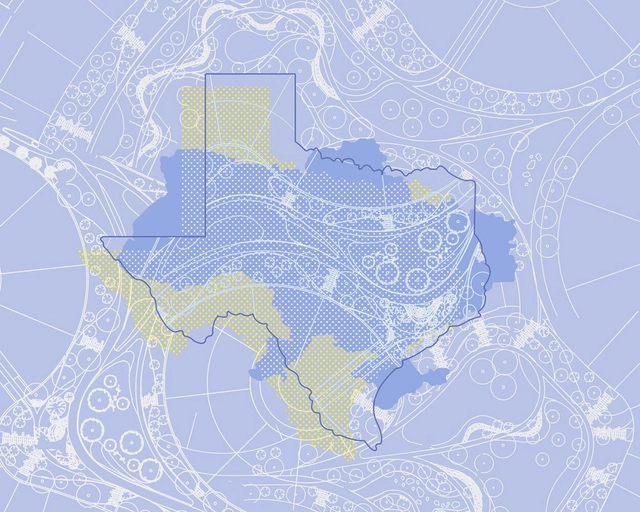
A graphic created by SWA Group overlays Texas (home to multiple SWA offices), Ukraine, and the work of new Ukrainian team members for a shared project in Egypt.. Image Courtesy of SWA Group
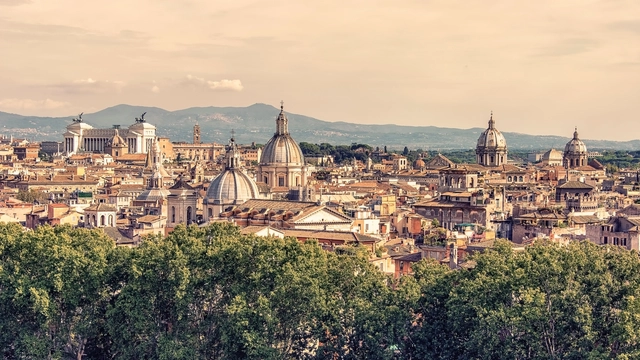
In line with the United Nations agenda of climate neutrality by 2050, the Rome City Council has announced the establishment of a Laboratory titled “Laboratorio Roma050 – il Futuro della Metropoli Mondo", a project proposed and led by Italian architect Stefano Boeri, which aims to draw up an ecological vision for Rome in 2050. The urban regeneration project consists of 12 young architects and urban planners under the age of 35, along with 4 renowned architects as mentors, who collectively have specific experience in terms of studies and research regarding the Italian capital.
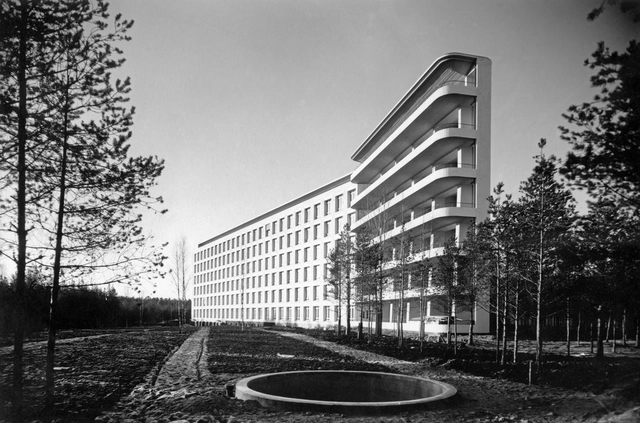
“Sick Architecture” opened on May 5th at CIVA in Brussels. Co-curated by Beatriz Colomina, the exhibition investigates the intrinsic relation between architecture and sickness. The architectural discourse always weaves itself through theories of body and brain, constructing the architect as a kind of doctor and the client as the patient. Architecture has been portrayed as a form of prevention and cure for thousands of years. Yet architecture is also often the cause of illness, from the institution of hospitals to toxic building materials and sick building syndrome. The outbreak of the COVID-19 pandemic further highlighted this topic.
UN-Habitat has just released its annual World Cities Report during the eleventh session of the World Urban Forum, which took place in Katowice, Poland from June 27 until June 30, 2022. Titled “Envisaging the Future of Cities”, the 2022 release highlights insights on the future of the urban realm, based on “existing trends, challenges, and opportunities, as well as disruptive conditions, including the valuable lessons from the COVID-19 pandemic”. In fact, it seeks to present cities with ways to be prepared for future challenges and address current issues.
As the global population living in urban areas is set to rise from 56 percent in 2021 to 68 percent in 2050, mainly in Africa and the Middle East, transforming our cities in order to achieve a better future should be a global interest. Urgently needing “innovative solutions for urban areas to respond to this triple C crisis of COVID, climate and conflict” as stated by UN Under-Secretary-General and Executive Director of UN-Habitat Maimunah Mohd Sharif, the 2022 World Cities Report calls for greater commitment by national, regional and local governments, and encourages the further adoption of innovative technologies and urban living concepts.
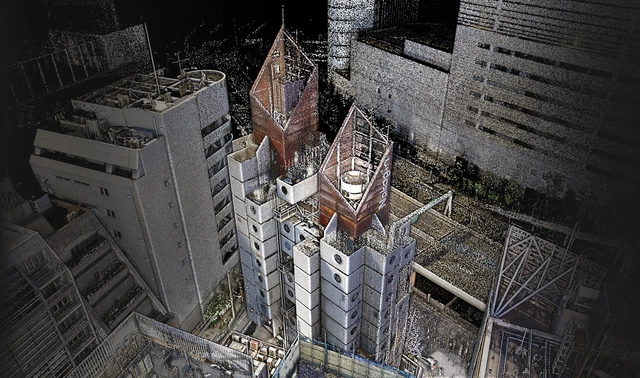
Japanese digital consultancy Gluon plans to preserve the Nakagin Capsule Tower Building in Tokyo, one of the most representative examples of Japanese Metabolism by Kisho Kurokawa. The “3D Digital Archive Project” is using a combination of measurement techniques to record the iconic building in three dimensions and recreate it in the metaverse. The tower is currently being demolished due to the structure's precarious state and incompatibility with current seismic standards, as well as the general state of decay and lack of maintenance.
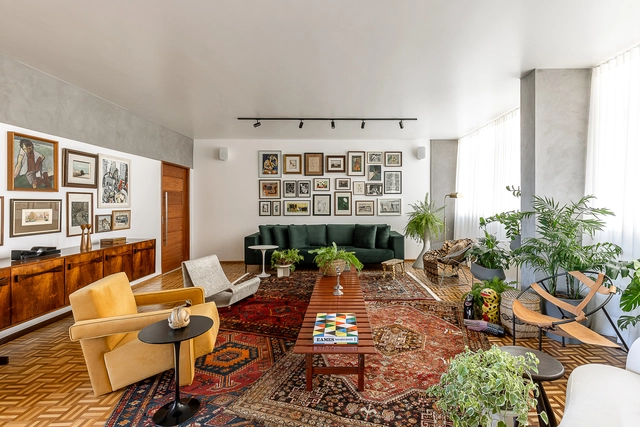
Rugs are not items that usually go unnoticed in residential environments. In addition to warming the environment and making them more cozy, when used correctly, rugs connect the furniture and give unity to the decor. Here are some tips on how to properly size and choose this item in your home.
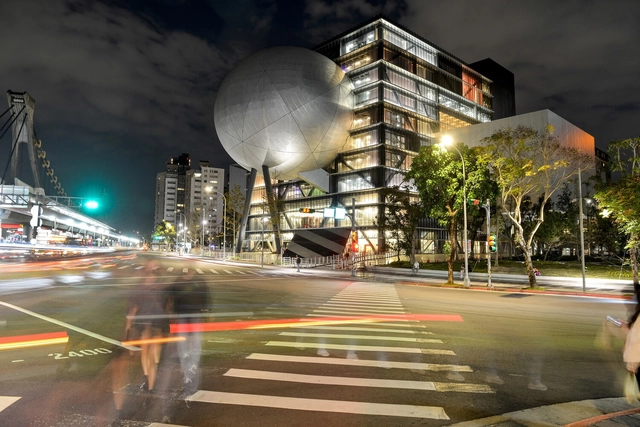
Taipei Performing Arts Center designed by OMA has opened to the public. The project jointly led by Rem Koolhaas and David Gianotten is located at Taipei’s Shilin Night Market. The contemporary performance theatre generated debates among architects when it was first announced in 2009 due to its unusual shape. Morphed by a series of programmatic operations, the form intersects three types of theater in order to accommodate a variety of performances. Now this place for cultural creatives is open, allowing the public to explore new possibilities in performing arts and experience different aspects of the theater.
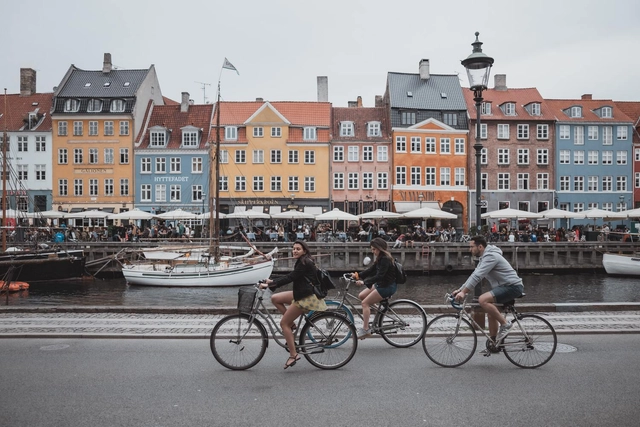
According to the World Happiness Report, Denmark has continually topped the survey of happiest countries for years. Copenhagen, the capital of Denmark, is known for its brightly colored waterfront buildings and radical contemporary architecture, both reflecting the joyful ethos of the city. The maritime metropolis is an urban designer’s favorite case study with its carbon-neutral infrastructure, pedestrian and bike-friendliness, and thriving public realm.Danish designers have cracked the code to build happier cities, leaving plenty of models to learn from.
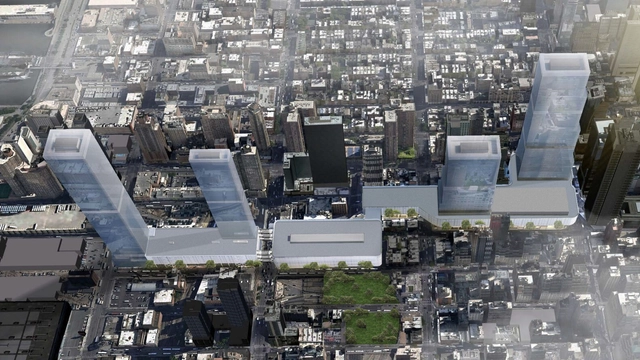
Port Authority New York New Jersey Midtown Bus Terminal future masterplan. Image Courtesy of Foster + Partners
The Port Authority of New York and New Jersey have announced the selection of Foster + Partners and U.S.-based multi-disciplinary design firm A. Epstein and Sons International Inc to reimagine the city's state-of-the-art Midtown Bus Terminal in Manhattan, the busiest bus terminal in the world. The project aims to expand the terminal's accommodation capacity, replacing the aging 72-year-old bus terminal with a new world-class facility. The new terminal will be designed to provide a best-in-class customer experience that serves the region’s 21st century public transportation needs, while enhancing the surrounding community and allowing for the removal of intercity buses from local streets.
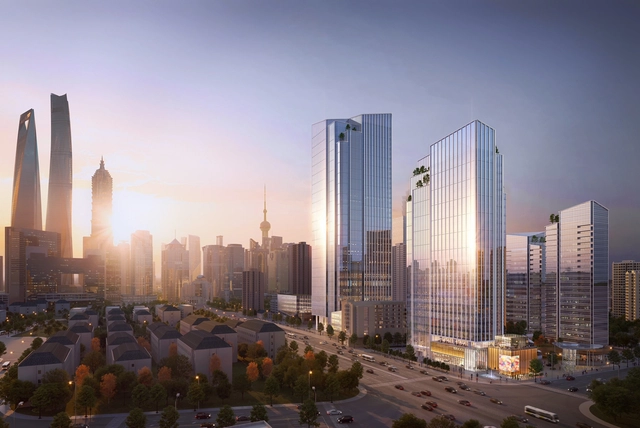
Architecture firm Goettsch Partners have recently won the design competition for a new eight-building complex in the Pudong area of Shanghai. The 244,500 square meter site is one of the last underdeveloped parcels in the area. The Shanghai Lujiazui Roncheng Changyi Project features two office towers, five residential towers, and a cultural/office building. The development also includes retail spaces and various amenities. Construction is scheduled to start in December 2022 and completion is anticipated in December 2025.
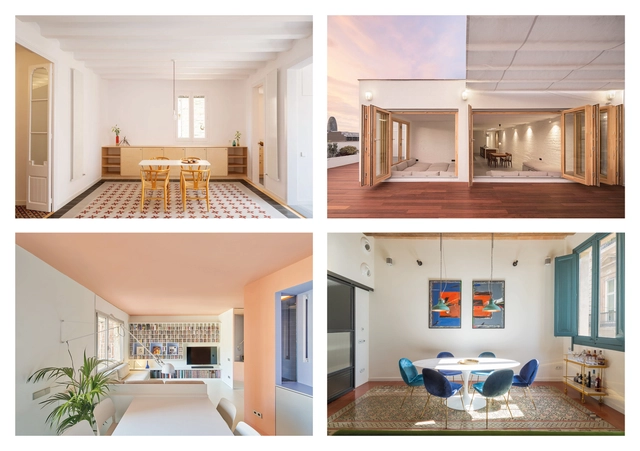
Reforma en Sants, Un oasis en el corazón del Poblenou, Departamento THE DUKE, Reforma de vivienda en la calle Calabria. Montaje con fotografías de reformas en Barcelona. Image via ArchDaily
Nowadays, the integral reform of flats in Barcelona is one of the most common activities for both freelance architects and local architectural studios. This is not surprising in a city with more than 4,000 years of history in which there is a lot of buildings and little room for new construction.
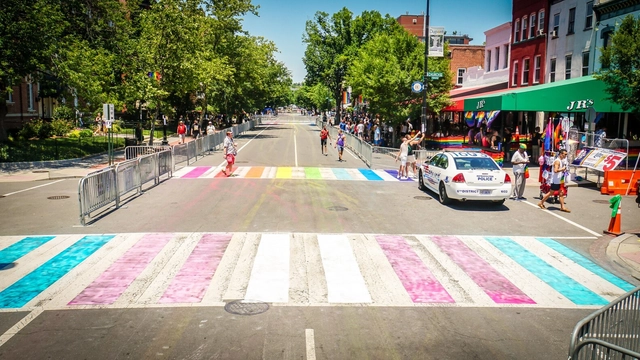
#DCRainbowCrosswalks Washington, DC USA. Flickr by Ted Eytan Attribution-ShareAlike 2.0 Generic (CC BY-SA 2.0)
In the 1970s, in Berkeley, California, a group of disability rights activists called the Rolling Quads began dismantling curbs and improvising sidewalk ramps, demanding access for wheelchair users. But what people did not expect was that wheelchair users would not be the only ones to benefit from the intervention. Soon, pedestrians with baby strollers, heavy suitcases or simply with reduced mobility started using the ramps. Likewise, a gender-inclusive city works better for everyone. A city where all gender minorities of different ages and abilities can move around easily and safely, participate fully in the workforce and public life, live healthy, sociable and active lives, is a city that improves everyone's lives.
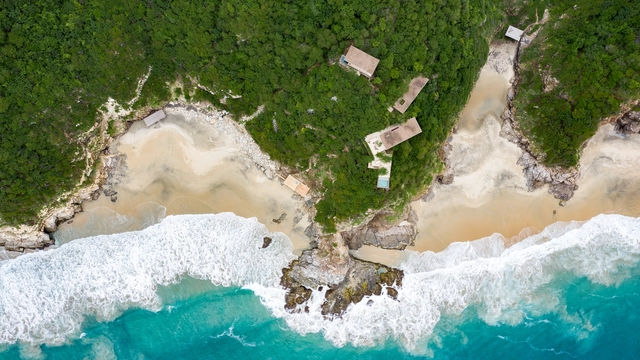
Is there only one way to inhabit the coast? The Pacific coast, the largest ocean on earth, is a vast territory with a great diversity of temperature, winds, and topography, among others. Consequently, it has a great variety of ecosystems, ranging from the freezing point near the poles, vast deserts and forests, to the hot tropical rainforest. Such majestic diversity is no stranger to architecture, responding to the different contexts in which it is placed. As a result, there is a great variety of architectural works, all of which share in framing the views of the sea.
The following list shows 30 residential projects along the Latin American Pacific coastline, revealing the diverse architectural approaches that exist along the coast.
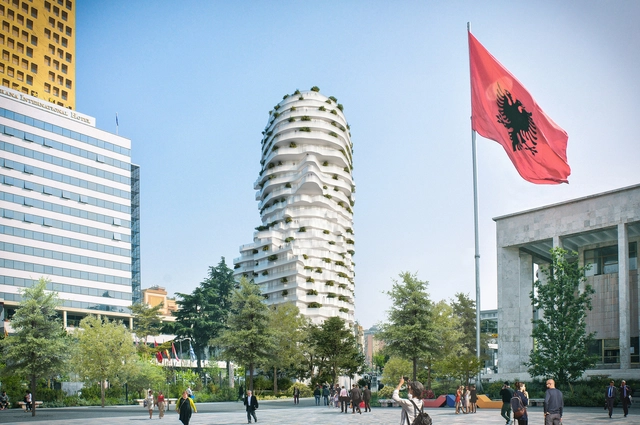
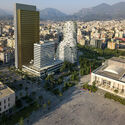
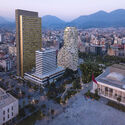
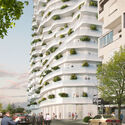
MVRDV has begun construction on Skanderbeg Building, officially known as Tirana’s Rock, a mixed-use project that is sculpted into the shape of Albania’s national hero. The building is wrapped in curved balconies that form the shape of Skanderbeg's head, serving as an iconic landmark at the Skanderbeg Square in the center of Tirana. Once complete, the project will be one the world’s largest buildings that doubles as a figurative sculpture, celebrating the country’s cultural history while giving the Albanian capital a unique identity.
ICLEI Circulars has launched a new practical Equitable Transitions Guidebook to help cities make sure that their urban development projects are equitable for all groups of citizens. The guidebook is based on multiple case studies from cities worldwide under the Urban Transitions Alliance project. The guide’s purpose is to provide insights, recommendations, and tools for city practitioners to understand better and unpack what social equity means at the local level. The publication is free to download.
Was there ever a time when architects felt properly valued? Probably not. Certainly not since the profession became dependent on the business of America, which is business. With economic growth as the country’s prime directive through the 20th century, architects—as members of the construction industry—played their part. How? By designing buildings of all kinds that were lighter, cheaper, and quicker to erect. Architects’ values might have been social, artistic, even cosmic, but their value to society has been primarily economic.
Architecture is born from materials. Between structure, light, movement, and comfort, materials profoundly shape our experiences. But materials also change over time, new ones are created, and a wide range of assemblies and construction techniques are introduced. Increasingly, architects and designers are looking into the possibilities of composite materials made with natural elements.