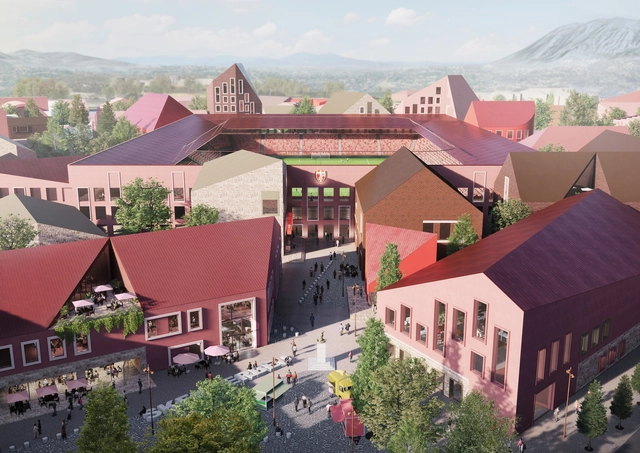
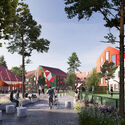
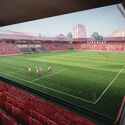
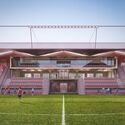
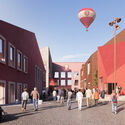
New Skenderbeu Stadium / CEBRA. Image Courtesy of CEBRA
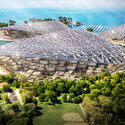
Danish architecture office CEBRA has won an international competition for the design of the new Skenderbeu Stadium in Korça, Albania. The winning proposal sets the 10,000-seat stadium in a lively neighborhood to create an engaging environment for fans, active citizens, businesses, and visitors of the Albanian city. The masterplan proposes buildings and alleys inspired by the Korça typologies to create a familiar cultural experience both in and around the stadium.
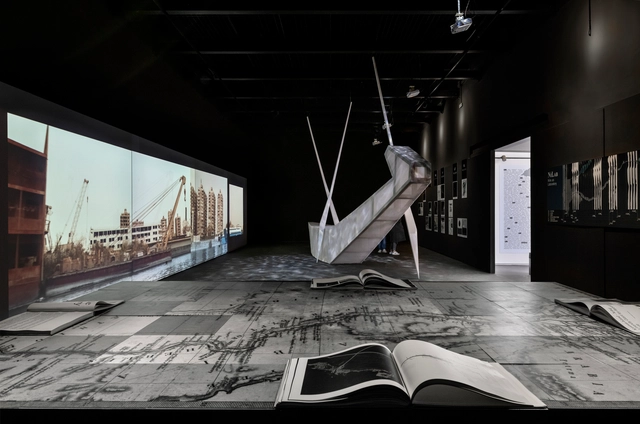
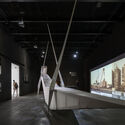
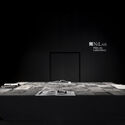
Installation at La Biennale di Venezia. Image Courtesy of NiLab
Along the longest river in the world, the Nile River, various landscapes and natural environments have been negatively impacted by interventions that do not consider the context or respect local cultures. In response, NiLab the Egyptian Pavilion at the 18th International Architecture Exhibition of La Biennale di Venezia, aims to revisit these places and highlight the value of architectural design in promoting more sustainable and culturally aware development along the river. The exhibition titled "NiLab: Nile as Laboratory", recognizes the Nile's exceptional geographical size, historical significance, and impact on natural and human landscapes, making it an ideal backdrop for reflection on contemporary issues.
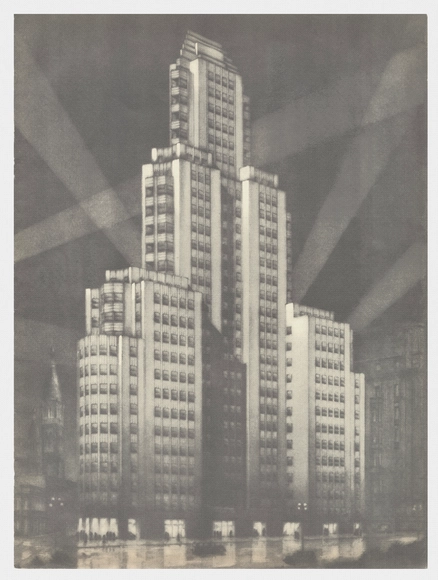
El croquis final en carbonilla del edificio Kavanagh, presentado a Cora Kavanagh en marzo de 1943. Foto: CdA. Image Cortesía de Díaz Ortiz Ediciones
Perhaps without even looking for it, Cora Kavanagh would leave one of the most emblematic buildings of rationalist architecture in Argentina. Inaugurated in January 1936, with its almost 120 meters of height, the Kavanagh Building stands in front of the ravine of Plaza San Martín, located in the central neighborhood of Retiro in the Autonomous City of Buenos Aires.
"Cora Kavanagh and her Building" is the title of Marcelo Nougués' new book that gathers the entire story, revealing everything from her building and her travels to her art collection and the different houses she lived in during a period of almost 50 years. In collaboration with Díaz Ortiz Ediciones, this 572-page printed volume compiles texts, photographs, and documents from the author's collection and also showcases selected images and illustrations from extensive research. Discover a part of this story below.
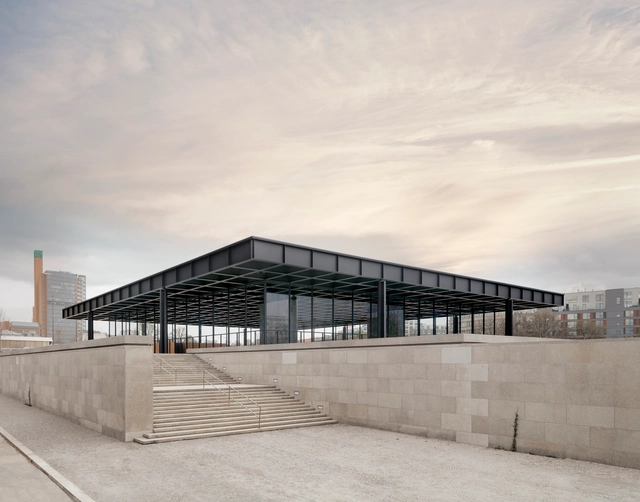
On June 1st, the ceremony for the VI European AHI Prize was held at the Sant Pau Hospital building in Barcelona. This recognition promoted by Architectural Heritage Intervention, in collaboration with the College of Architects of Catalonia and supported by the Department of Culture of the Generalitat de Cataluña, the City Council of Barcelona, and the Metropolitan Area of Barcelona, arises from the conviction that today, architectural heritage is not only an essential element of knowledge, but also a vital socio-economic resource for the sustainable development of territories.
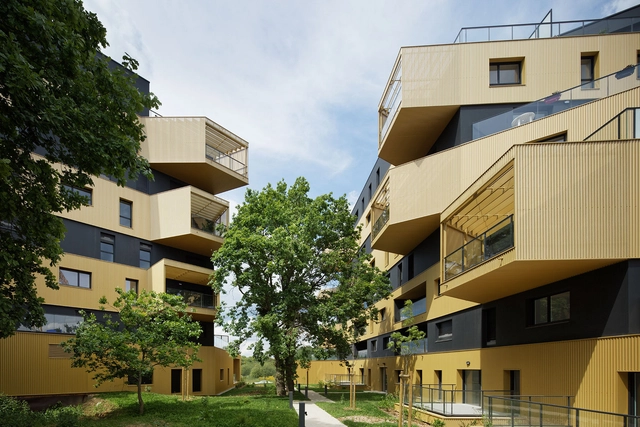
Social Housing is a principal element for a more democratic city. These housing structures provide decent dwellings for all citizens in urban areas and connect them to the rest of the city and its services.
Unfortunately, in many countries, the term "Social Housing" still has a negative connotation. It is often seen as a project that seeks to build the largest number of units with cheap materials, and little-to-no concern for the quality of life of its residents. Often times, it is designed for monetary reasons, as opposed to a project that serves the city and its people. Although this fact is recurrent, there are several examples that portray the opposite, in which architects manifest their political point of view through exceptional projects with innovative solutions that improve the urban experience.
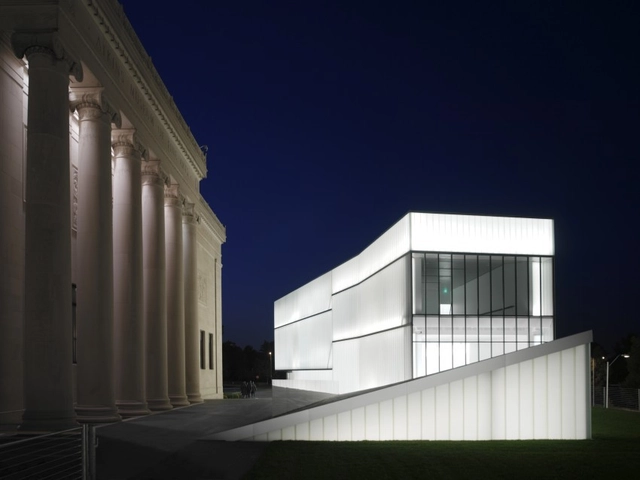
The American Midwest is making a new name for itself. While cities like New York and Los Angeles are known as global design capitals, dynamic modern architecture has begun emerging across the country’s fly-over states. Advocating world-class architecture, sustainability, and craft, Kansas City has become a leader in great American design.
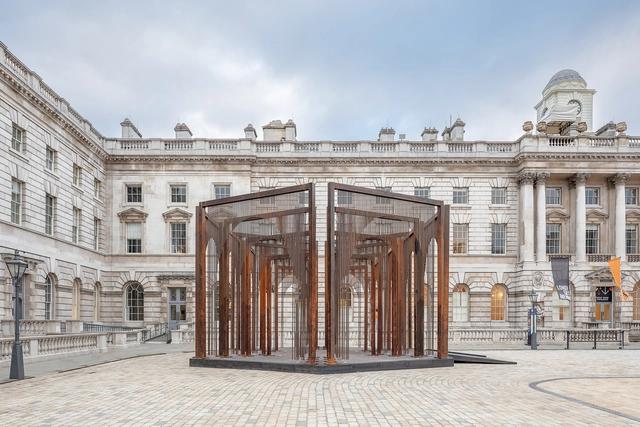
London Design Biennale has opened on June 1st, 2023, at Somerset House, bringing together participants from around the world to celebrate new forms of international cooperation through design. The Biennale, now in its fourth edition, will display more than 40 installations focused on the theme ‘The Global Game: Remapping Collaborations,’ chosen by this year’s Artistic Director, the Nieuwe Instituut, Instituut, led by Aric Chen. In addition to the national participants, the Eureka exhibition will showcase cross-disciplinary innovations from UK’s leading research centers.
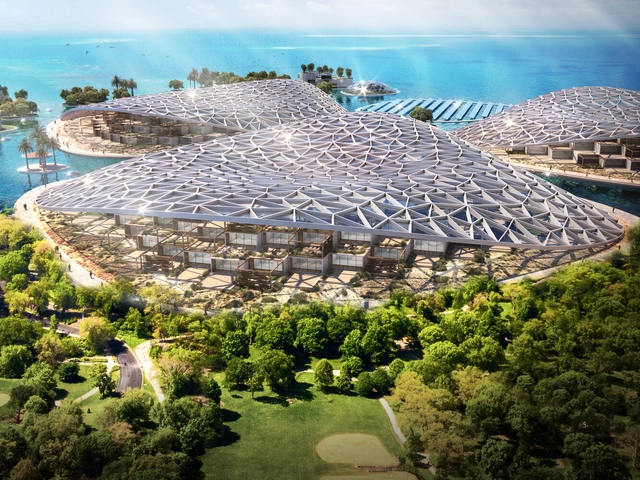
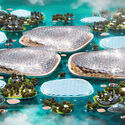
URB has revealed 'Dubai Reefs,' a floating living lab designed to restore marine ecosystems and promote ecotourism. The project's primary objective is to generate over 30,000 employment opportunities within a green economy in the city. Dubai Reefs encompasses a sustainable floating community dedicated to marine research, regeneration, and ecotourism, comprising residential, hospitality, retail, educational, and research facilities.
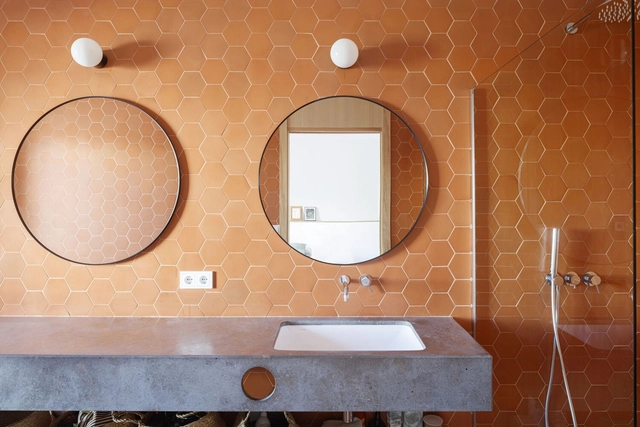
Over time, the space of the bathroom in the domestic sphere has increasingly gained importance. Nowadays, it is conceived as a space for well-being and health, where one can have an experience that meets the needs and requirements of its users. Beyond the different technologies implemented, the designs applied, or the materials used, architects and designers demonstrate, day by day, the multiple configurations and arrangements that these spaces can adopt through their projects, developing strategies both on an aesthetic and design level, as well as on a technical and functional level.
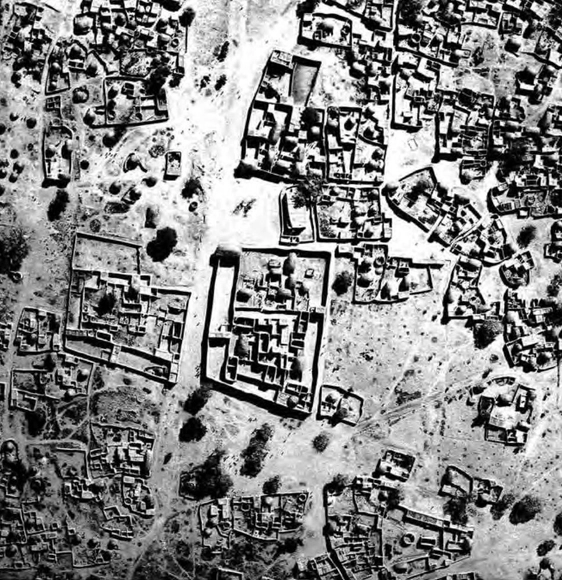
Fractals are complex geometric shapes with fractional dimensional properties. They have emerged as swirling patterns within the frontiers of mathematics, information technology, and computer graphics. Over the last 30 years, these patterns have also become important modeling tools in other fields, including biology, geology, and other natural sciences. However, fractals have existed far beyond the birth of computers, and have been observed by anthropologists in indigenous African societies. One of which is Ron Eglash; an American scientist who presents the evidence of fractals in the architecture, art, textile sculpture, and religion of indigenous African societies. In his book, “African Fractals: Modern Computing and indigenous design”, the fractals in African societies are not simply accidental or intuitive but are design themes that evolve from cultural practices and societal structures.
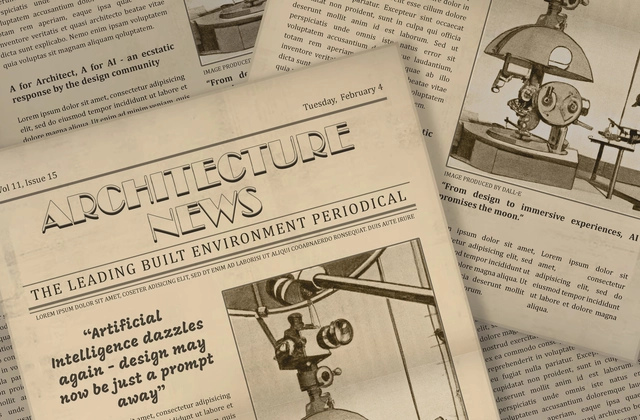
It’s here! The 21st-century digital renaissance has just churned out its latest debutante, and its swanky, sensational entrance has sent the world into an awed hysteria. Now sashaying effortlessly into the discipline of architecture, glittering with the promise of being immaculate, revolutionary, and invincible: ChatGPT. OpenAI’s latest chatbot has been received with a frenzied reception that feels all too familiar, almost a déjà vu of sorts. The reason is this: Every time any technological innovation so much as peeks over the horizon of architecture, it is immediately shoved under a blinding spotlight and touted as the “next big thing.” Even before it has been understood, absorbed, or ratified, the idea has already garnered a horde of those who vouch for it, and an even bigger horde of those who don’t. Today, as everyone buckles up to be swept into the deluge of a new breakthrough, we turn an introspective gaze, unpacking where technology has led us, and what more lies in store.
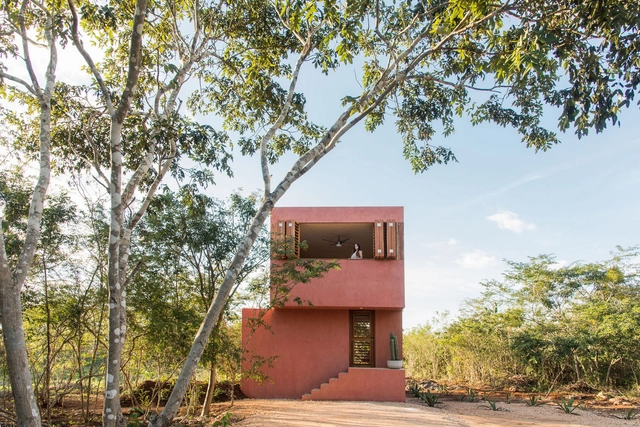
Small homes are a common reality in many urban areas around the world for various reasons. These homes made up of small houses or compact apartments, have become increasingly popular due to the shortage of land and high housing prices in urban areas. Although their size may be limited, contemporary architecture practices focus on intelligent designs to maximize available space and offer comfort to their inhabitants. They often offer efficient layouts, with multifunctional areas that adapt to needs. In addition, some of them integrate innovative design and furniture solutions to optimize space and provide additional storage.
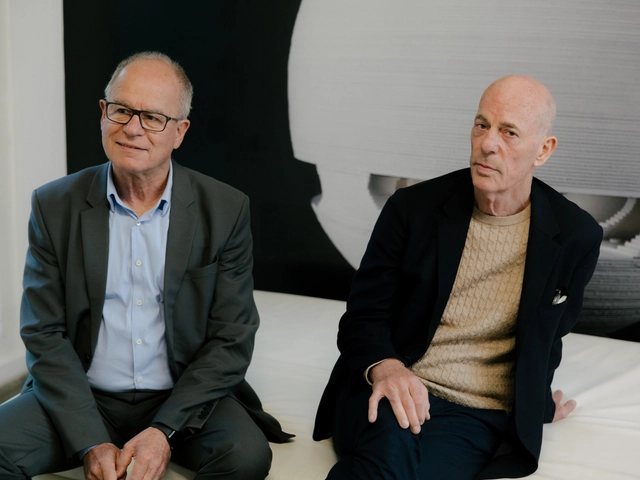
Herzog & de Meuron has been honored as the 36th Louis I. Kahn Award winner by the Center for Architecture and Design in Philadelphia. The annual award, founded in 1983 in memory of Philadelphia architect Louis Kahn, celebrates individuals who have made significant contributions to the field of architecture. Jaques Herzog, one of the two founders of the Swiss-based architecture firm, will present a talk on behalf of this office during the official award ceremony, to be held at the University of Pennsylvania’s Museum of Anthropology and Archeology at 6:30 pm on May 31, 2023.
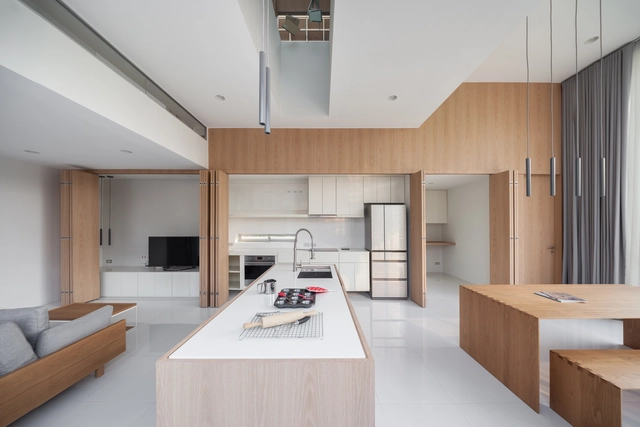
While the kitchen is a ubiquitous part of almost every home—and, in many cases, is considered symbolic of domestic living entirely—it can also take up precious space, produce visual clutter, and detract from the minimalist aesthetic of an otherwise sleek, modern home. For some homeowners, the solution is simply to keep the kitchen clean and organized at all times. But for some innovative contemporary architects and their clients, the solution is to design a compact, concealable kitchen that can quickly and easily be shuttered out of view. Below, we discuss several examples of hidden kitchens, as well as some common techniques and strategies for designing them.
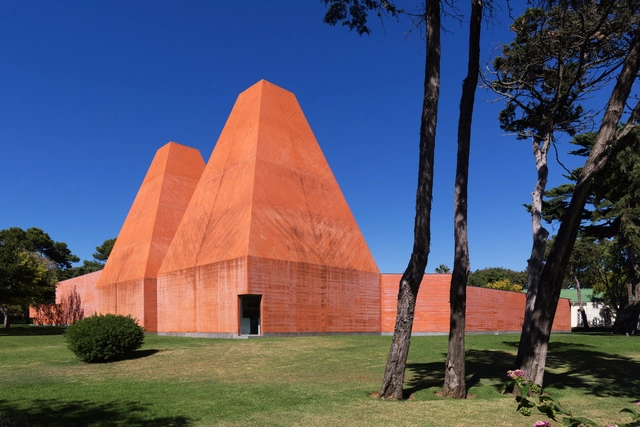
Preserve, disseminate, and create cultural expressions. When we visit museums, galleries, libraries, and various cultural centers, we understand other worldviews. This is how we broaden our subjectivity and empathy and gain new knowledge. In Portugal, a country with a millennial history that crosses various cultural layers, from food to the arts, there is constant investment in equipment that helps share and reinforce its past and present. And, as expected, architecture is fundamental to lace these narratives.
Can current design and manufacturing technologies be incorporated into vernacular and traditional construction techniques? On the IE University campus in Segovia, a group of researchers from IE University, Princeton University, and the University of Bergamo built an unreinforced masonry structure called innixAR that demonstrates how digital technologies can enhance craftsmanship. This pavilion explores the intersection between the latest augmented reality (AR) innovations and 4D funicular design to allow vault craftsmen to build masonry structures without the need for physical guides and costly temporary molds.
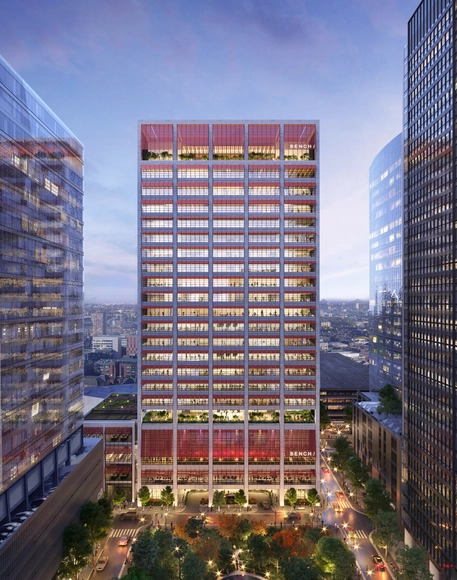
Foster + Partners’ project for BENCH, one of the Philippines’ leading clothing and lifestyle brands, has started construction in Manila. The 24-storey headquarters building offers offices, design studios, event spaces, and the necessary amenities to create an enjoyable environment for the company’s employees. Located on the east-west axis in the Bonifacio Global City, the building opens up the ground floor to create a visual connection to the green space surrounding it.
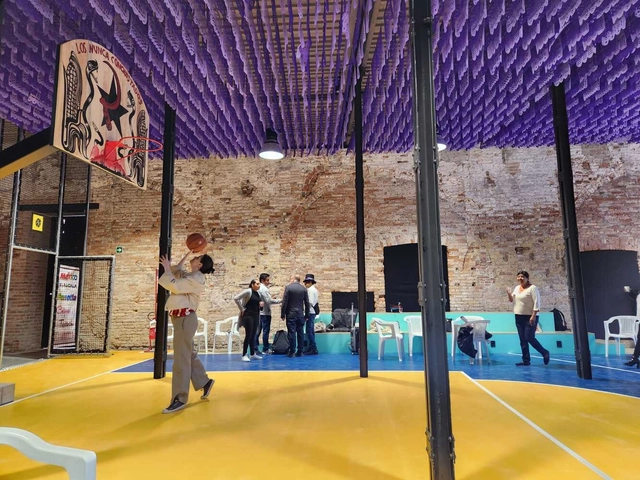
On Thursday, May 18, the Government of Mexico, through the Secretariat of Culture, celebrated the inauguration of the Mexican Pavilion at the 18th International Architecture Exhibition of the Venice Biennale 2023, with the proposal "Utopian Infrastructure: The Campesino Basketball Court". The pavilion, which had an investment of 9,059,600 pesos, aims to invite dialogue and play to engage in conversations about the topics that concern the world of architecture in relation to various aspects of social, cultural, and political life.