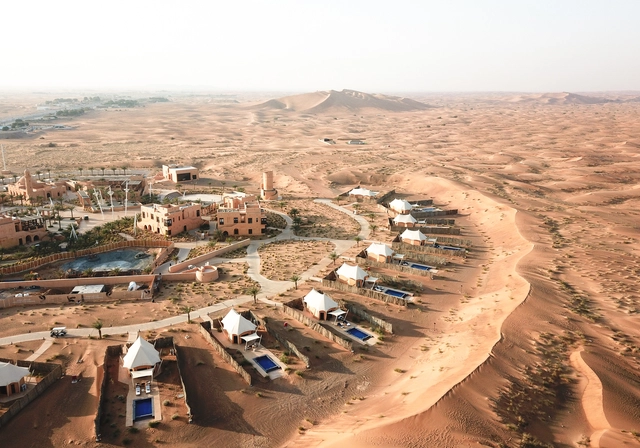
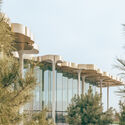
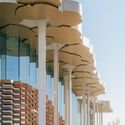
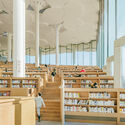
The Mysk Al Badayer Retreat in the desert outside Dubai, United Arab Emirates. Image Courtesy of Mysk Al Badayer Retreat
Set deep within some of the most isolated desert landscapes across the Middle East and further afield, these desert camp hotels offer a way to connect with their surroundings through the solitary experience of open and expansive scenery.
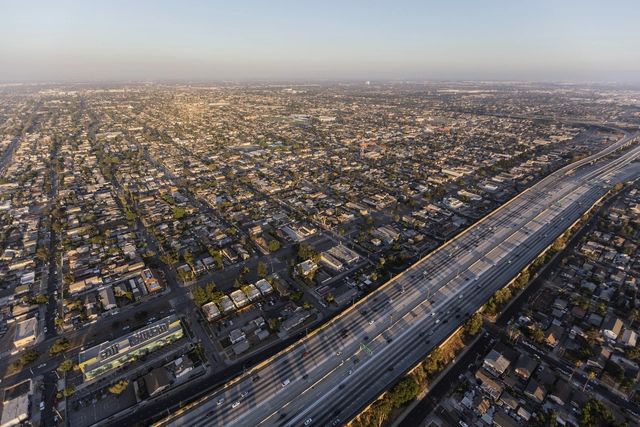
Los Angeles Aerial. Image via trekandshoot / Shutterstock
Cities in the United States are short of millions of housing units. Compounded by other factors, this shortage is radically increasing the cost of both renting and buying houses. Los Angeles is no exception; with 74% of its land zoned exclusively for single-family homes, multifamily housing construction is limited to an extremely small swath of the city, making the construction of new affordable housing difficult. Complex multi-year permit approval processes often make these projects even less feasible.
That's why, in December 2022, Mayor Karen Bass took a drastic approach by declaring a state of emergency to speed up approval for affordable housing projects, allowing developers to expedite rent-stabilized projects through fast permitting times and exemptions from zoning rules. Executive Direction (ED1) created a surge of affordable housing applications, surprisingly not just from developers using public money but from private ones.
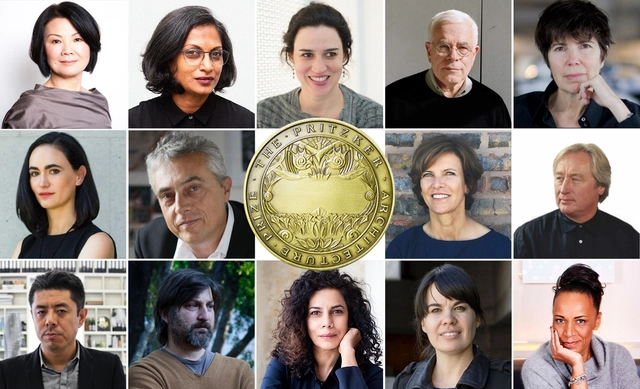
As part of our yearly tradition, we have asked our readers who should win the 2024 Pritzker Prize, the most esteemed accolade in the realm of architecture.
Established by Jay Pritzker and administered by the Hyatt Foundation in the United States, the Pritzker Prize honors living architects, irrespective of nationality, whose architectural contributions "have produced consistent and significant contributions to humanity through the art of architecture."
The field of architecture and design is a dynamic one, often managing large-scale investments and involving a wide array of professionals. It stands to reason that, in this type of environment, success is not simply defined by just the quality of the completed structures, but also by the internal ability of architecture firms to effectively manage their business operations. For architects and designers, measuring performance goes beyond financial metrics; it encompasses a diverse range of factors that reflect the firm's efficiency, creativity, and impact within the industry.
Several key metrics can be measured, from financial goals to client relationship management, innovation, influence, and professional development, all helping architects and designers gauge their performance from different perspectives. As the famous saying goes, “What gets measured gets managed.” To help in this effort, Monograph's 2024 Architecture Business Benchmarks Report offers a thorough examination of five key metrics.
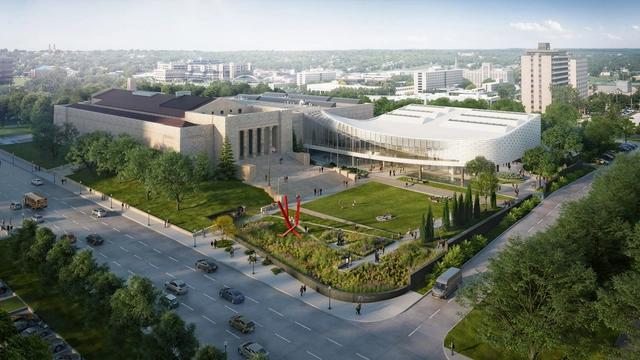
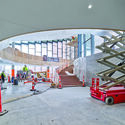
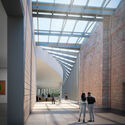
The Joslyn Art Museum in Nebraska announced that the restoration and expiation works led by Snøhetta and Alley Poyner Macchietto Architecture (APMA) are nearing completion, as the transformed institution is scheduled to reopen on September 10, 2024. The new 42,000-square-foot Rhonda & Howard Hawks Pavilion, designed by Snøhetta and APMA will add new gallery spaces to Nebraska’s largest art museum, becoming the centerpiece of the large-scale project for reimagining the visitor experience.
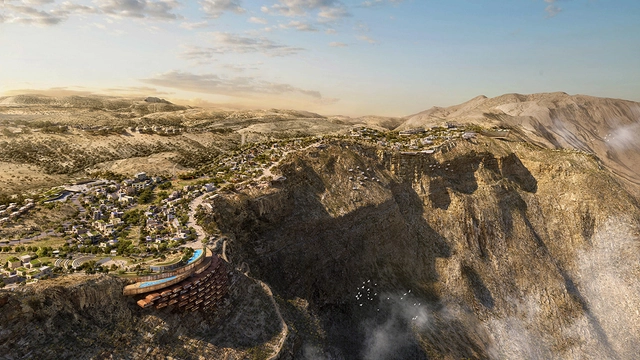
Oman has just announced plans for a $2.4 billion mixed-use project, the new Omani Mountain Destination on Jabal al Akhdar. Masterplanned by AtkinsRéalis, the scheme aims to attract sustainable development opportunities, hoping to "operate as Net Zero Carbon and striving to use 100% renewable energy." The project is in alignment with Oman Vision 2040, seeking a developed, diversified, and sustainable economy;, featuring residences, hotels, and a health village.
Many buildings often fall into disuse due to our cities' constant economic, social, and technological changes. The programmatic inconsistency of current times demands great versatility and adaptability from our infrastructures, increasingly leading projects to become uninhabited, and left to abandonment and decay.
Next, we present a series of 20 Latin American projects in which old warehouses, homes, prisons, mills, and markets were recovered and transformed into Cultural Centers, Museums, and Galleries.
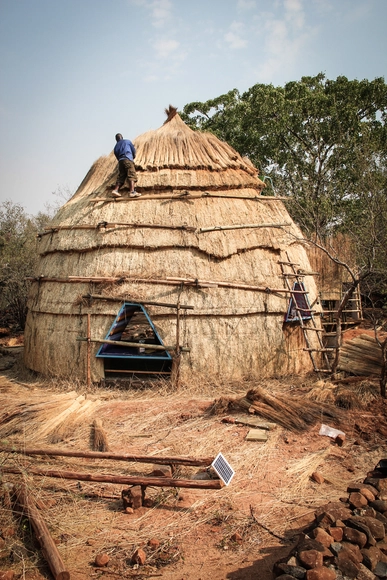
At first glance, Dorte Mandrup's design for the Wadden Sea Center seems to mimic the landscape. Its low height, its horizontal lines and, above all, its materiality make it a modern building in perfect harmony with the local nature. But its connection also encompasses the built heritage of the region, more specifically because of its covering with straw, harvested and dried close to the land. This is an extremely traditional and historic building technique, but which is rarely attributed to contemporary buildings. In this article we will rescue some of the history of this natural material, its constructive characteristics and some examples of use.
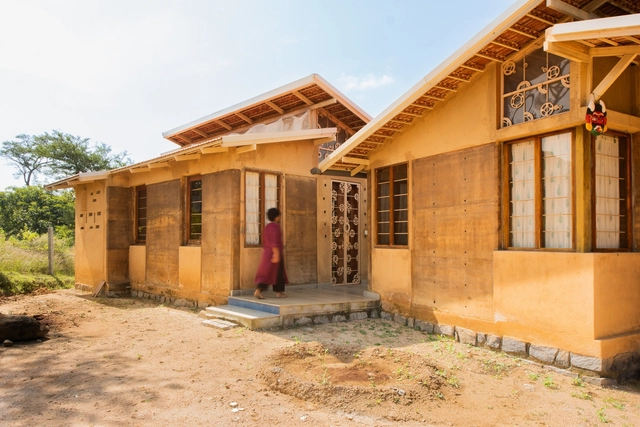
In recent years, India has seen a resurgence of interest in natural building materials, a movement driven by escalating environmental concerns and a growing desire to revive traditional lifestyles. From the busy streets of Mumbai to the serene villages of Kerala, architects, builders, and communities are coming together to experiment with the potential of earth, bamboo, lime, and other organic materials in shaping contextually relevant structures that also embody India's contemporary ideals. The shift towards using natural materials and other vernacular resources reflects a movement towards sustainability and a deeper connection with nature.
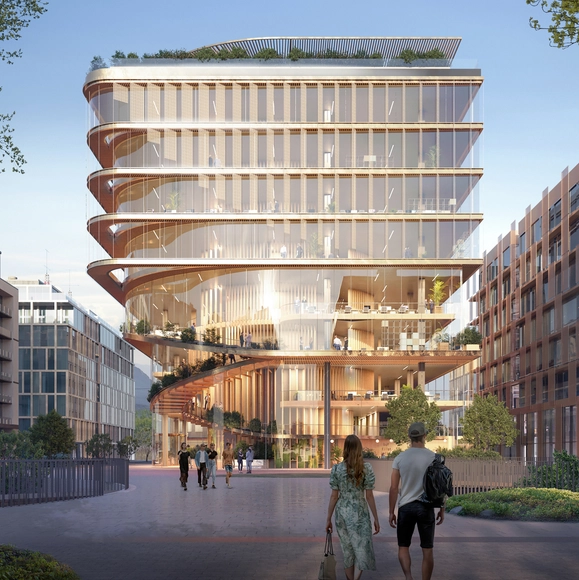
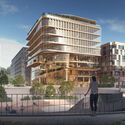
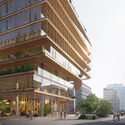
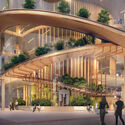
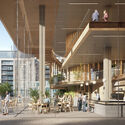
UNStudio, in collaboration with local partner HYP Architects, has won the competition for the design of the Kyklos building in Luxembourg. The project is part of Beval, a large-scale redevelopment initiative aiming to transform a former industrial site into an urban center complete with a university and technological center, in addition to residential, office, and retail spaces. When designing the Kyklos building, which will occupy a central position in the district's main square, the architects set out to find solutions to create the smallest carbon footprint for both operational and embedded metrics.
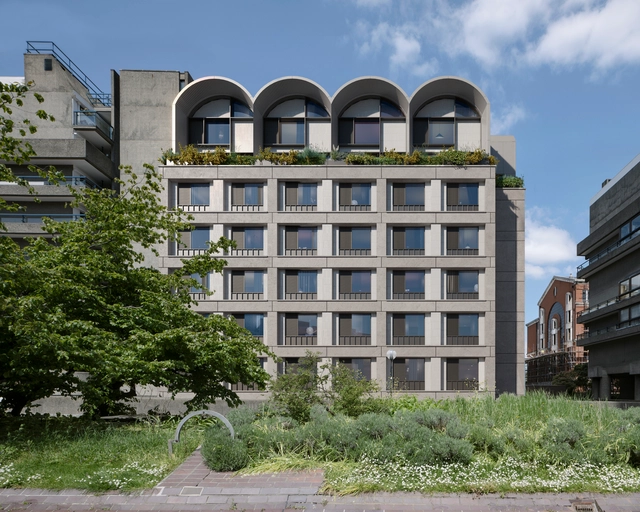
Allford Hall Monaghan Morris (AHMM)’s architectural studio has revealed the plans to convert a 1950s London office building into a co-living residential scheme. Initiated by developer HUB and Bridges Fund Management, “Cornerstone” is nestled on the fringes of the iconic Barbican estate, hoping to seamlessly transform the original office building to integrate 174 co-living residences.
On April 4 – 6, the international conference FABRICATE 2024will be held at the Royal Danish Academy in Copenhagen. Since its inception in 2011, FABRICATE has established itself as a global forum for new radical possibilities for architecture and welcomed thousands of participants from practice, industry, and research.
In this first article we meet architect Anders Lendager who is CEO and founder of Lendager, a front runner and one of the most influential architecture studios and strategic consultants within sustainability and circular economy. The text is an excerpt from the upcoming FABRICATE 2024 book and based on an interview conversation led by Co-chair Mette Ramsgaard Thomsen with Anders Lendager and Meejin Yoon, Dean of Cornell AAP. The book will be published on the opening night of the FABRICATE 2024 conference.
Polyvinyl chloride (PVC) plastic –commonly known as vinyl– is everywhere. In fact, chances are you are sitting close to (or on) something containing PVC in some way, shape or form. It’s used in packaging, automobile parts, children’s toys, clothing, accessories, wires, furniture, medical supplies and hundreds of other everyday items. This year alone, global production exceeded 51 million metric tons, solidifying its rank as the third-most produced plastic in the world. It is particularly in the architecture, engineering and construction industry that the material stands unchallenged, accounting for 60-70% of its total consumption. So much so that it has indisputably become the most used plastic for building materials worldwide, often found in pipes, fittings, flooring, roofing, window profiles and more. It’s not hard to understand why: PVC is durable, highly versatile, cost-effective and easy to maintain. But nothing comes without a cost, they say…
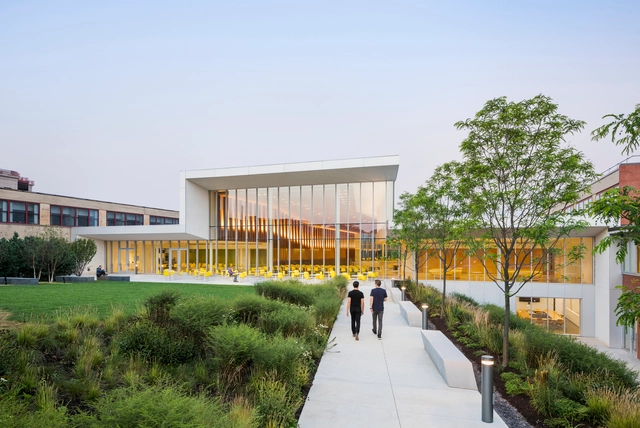
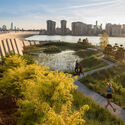
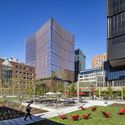
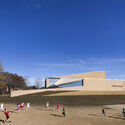
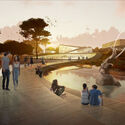
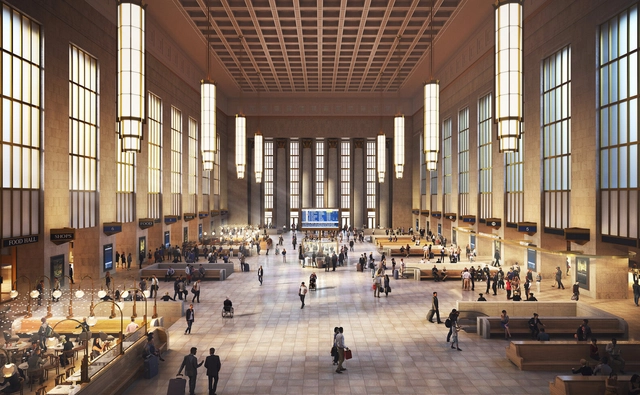
New York-based architecture office WEISS/MANFREDI Architecture/Landscape/Urbanism has been named the 37th recipient of the Louis I. Kahn Award, offered by DesignPhiladelphia. The firm, founded by Marion Weiss and Michael Manfredi, is recognized for its wide range of projects, from cultural institutions to urban landscapes, all demonstrating and responding to contextual conditions, sustainability standards, and centered around the human experience.
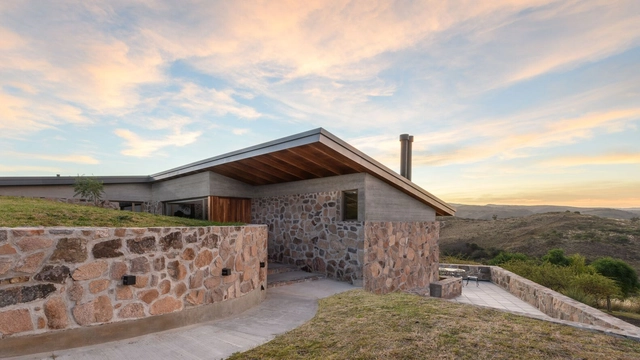
From Tafí del Valle to San Carlos de Bariloche, the implementation of natural stone in contemporary Argentine architecture reveals the decisions of architects seeking to maintain a dialogue with their surrounding environment and highlight the purity of materials. While stone is one of the oldest building materials, enduring throughout history, its application in homes in Uruguay, Brazil, and Mexico highlights different characteristics in terms of textures, shapes, shades, and patterns.
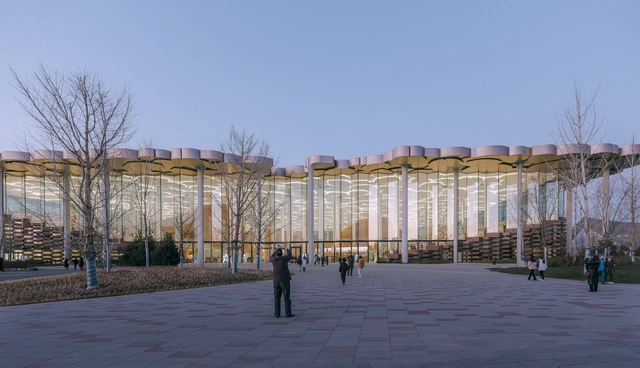
Snøhetta’s Beijing City Library has opened its doors to the public, introducing a unique space for learning and knowledge-sharing in Beijing’s cultural scene. As one of the most anticipated projects of 2024, the library features the world's largest climatized reading space, in addition to various facilities aimed at creating a vibrant cultural destination in the city. Snøhetta was awarded the Beijing City Library in 2018 through an international competition and the project was completed with local partner ECADI.