
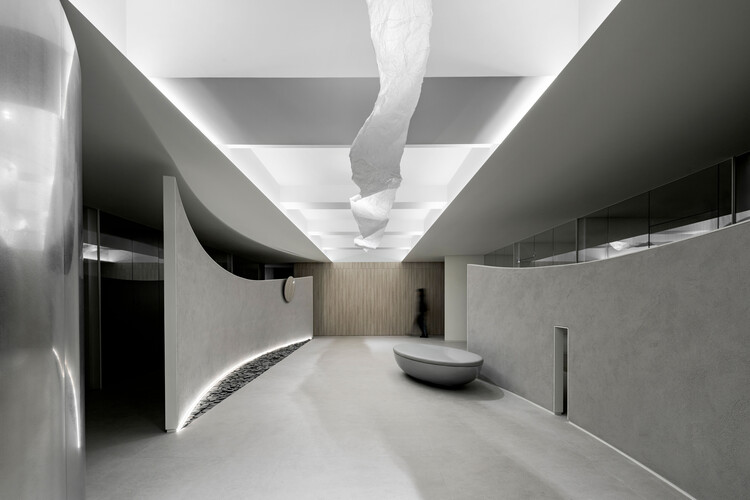
Wise Consultation Office / RVMN


https://www.archdaily.com/1186225/wise-consultation-office-rvmnPratik Mour
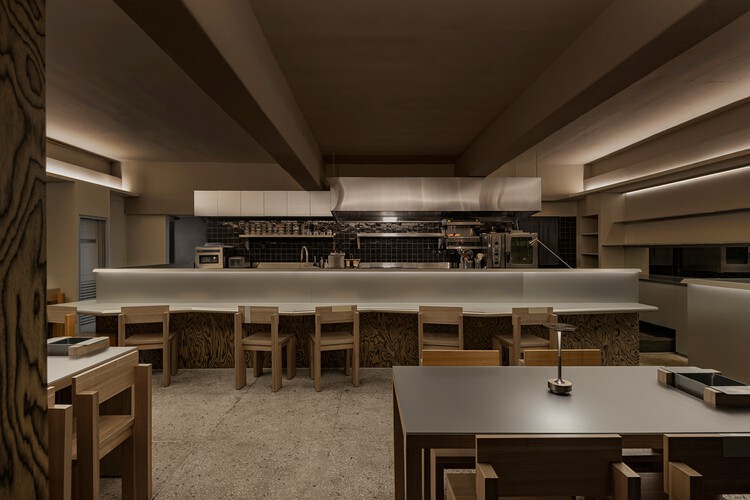
SSOC Dining / DESIGN2TONE


-
Architects: DESIGN2TONE
- Area: 109 m²
- Year: 2025
https://www.archdaily.com/1041121/ssoc-dining-design2toneMiwa Negoro
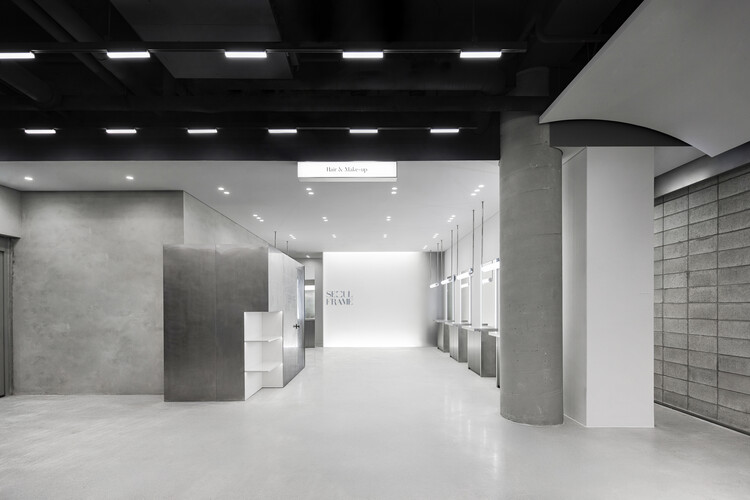
SEOUL FRAME by HE:ARTS / RVMN


https://www.archdaily.com/1039982/seoul-frame-by-he-arts-rvmnMiwa Negoro
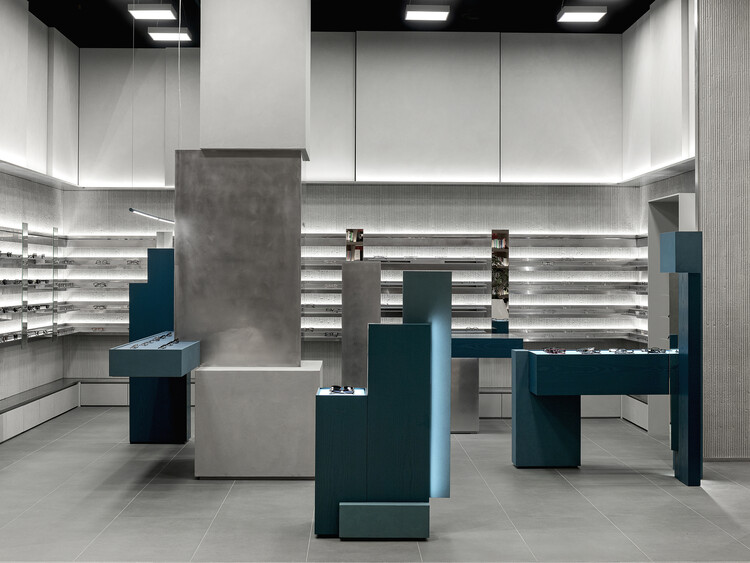
Stream Eyewear Starfield Village Unjeong / RVMN


https://www.archdaily.com/1038202/stream-eyewear-starfield-village-unjeong-rvmnMiwa Negoro
Designing for Presence: When Architecture Invites Us to Stay

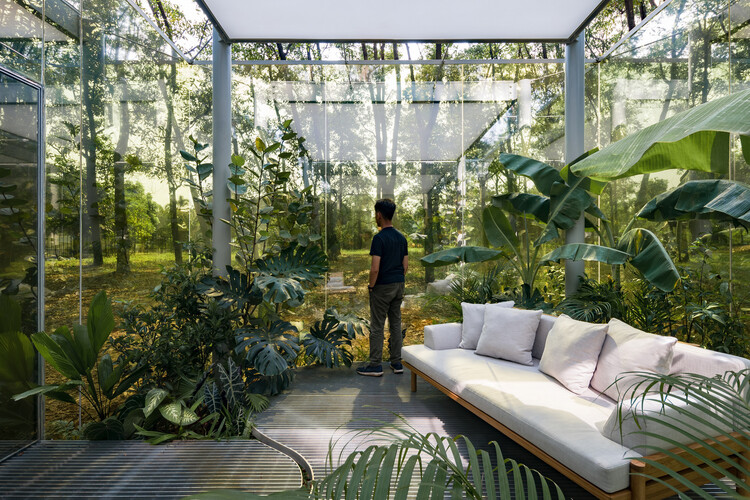
Architecture is increasingly asked to do less, not more. In environments shaped by constant movement, noise, and expectation, spaces that allow people to stay, pause, and be present have become both rarer and more necessary. Many public and semi-public places are designed to keep people moving, consuming, or reacting, leaving little room for lingering, observation, or simply being without a reason.
In response, a growing body of work is shifting attention away from activation and toward presence. Rather than asking users to interact or participate, these spaces create conditions that support staying. Comfort, continuity, and openness allow people to remain without pressure or obligation, making presence a spatial quality rather than an activity.


https://www.archdaily.com/1037865/designing-for-presence-when-architecture-invites-us-to-stayDaniela Andino
Shaping Desire: How Architects Redefine Commercial Spaces
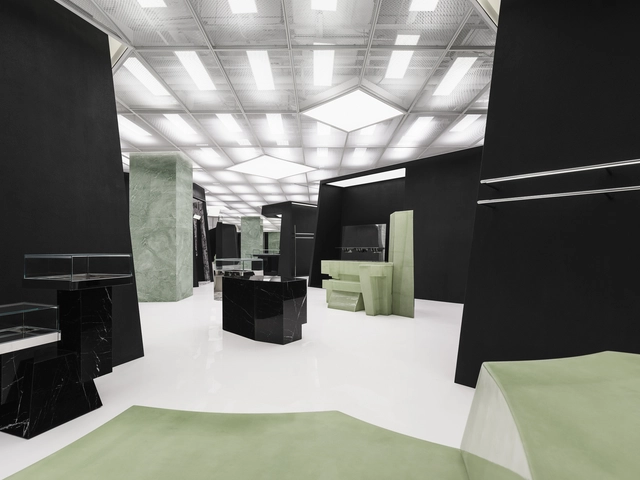
In contemporary architecture, commercial spaces have become more than points of sale; they are stages where identity, image, and experience converge. Stores, showrooms, and branded interiors often operate as laboratories where architects experiment with form, material, and light, translating corporate narratives into spatial experiences. In this context, the architect emerges as a mediator of desire, shaping atmospheres that guide perception, evoke emotion, and subtly influence behavior. This role reveals a complex intersection between design and capitalism: the creation of spaces that sell not only products, but also aspirations, lifestyles, and cultural meaning. By transforming commerce into an architectural performance, these projects invite reflection on how the discipline negotiates its agency in a world where visibility and image have become as essential as function.


https://www.archdaily.com/1037309/shaping-desire-how-architects-redefine-commercial-spacesDiogo Borges Ferreira
Interior Design Trends of 2025

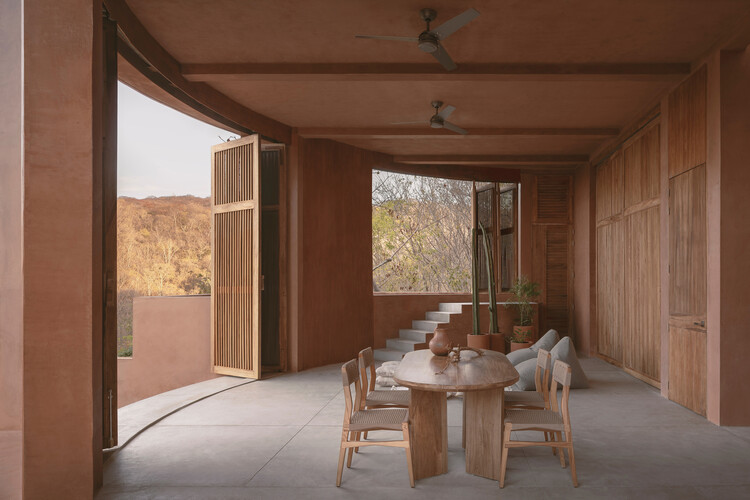
As 2025 approaches its end, we look back at an eventful year in the world of interior design. Last year, designers favored reserved, modest approaches, a trend that continued from previous years. The emergence of artificial intelligence generated intense discussions on digital equity and misinformation, which continued into 2025, especially with the topic of the Venice Architecture Biennale, Intelligens. This opened the conversation to the opportunities of digital technologies, attempting a more hopeful outlook. On the other hand, completed interior design projects over the year focused more on the tangible and the pragmatic, with expressed raw materials and an appreciation of history.


https://www.archdaily.com/1036727/interior-design-trends-of-2025Mohieldin Gamal
Lmood Flagship Store / oftn studio


https://www.archdaily.com/1036407/lmood-flagship-store-oftn-studioMiwa Negoro
PLEATSMAMA Store / COV Studio


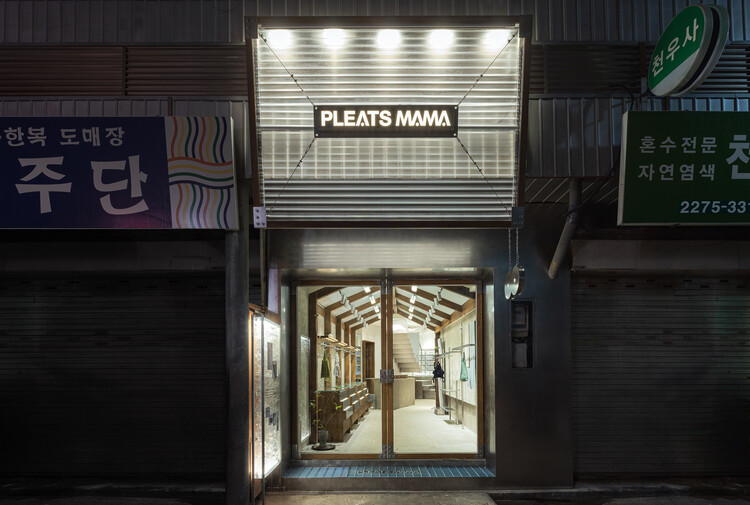
https://www.archdaily.com/1036066/pleatsmama-store-cov-studioMiwa Negoro
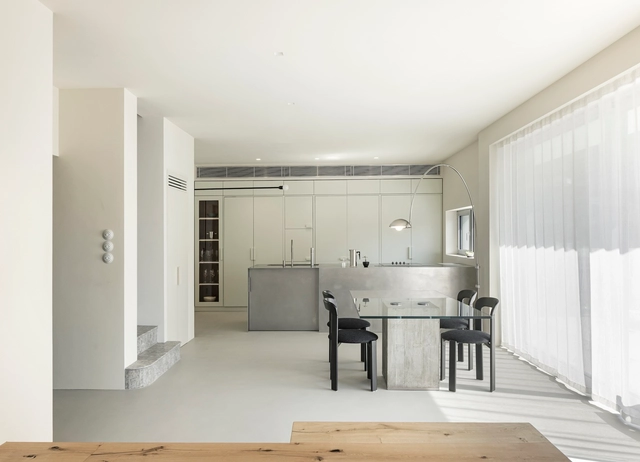
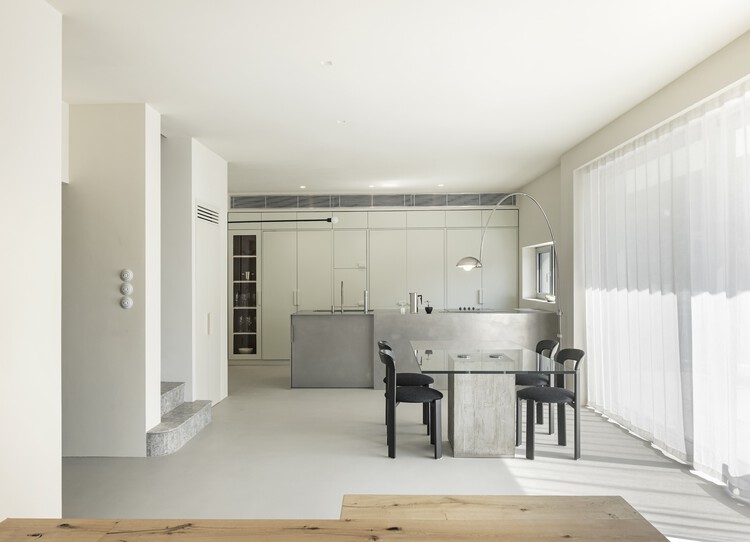
Atelier Jeumeu / COV Studio


-
Architects: COV Studio
- Area: 141 m²
- Year: 2024
https://www.archdaily.com/1036076/atelier-jeumeu-cov-studioMiwa Negoro
Interiors of Pastry Shops and Bakeries: Design Strategies that Integrate Functions, Users, and Materials
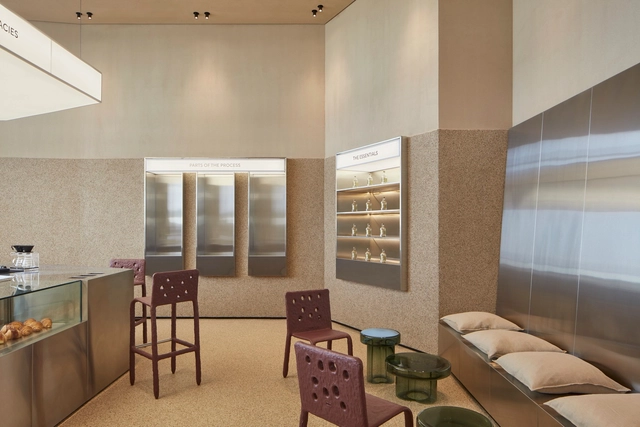
What is the link between architecture and pastry? What design strategies are applied in the contemporary interiors of bakeries and pastry shops? While architecture can serve as inspiration for the design of forms and configurations of edible elements, it also contributes the techniques of descriptive drawing, architectural composition, and staged planning to the culinary language. Focusing their thinking on people and their needs, both disciplines strive for precision, with interior design being a broad field where the use of figures, colors, materials, and various equipment can be explored to enhance user experiences.


https://www.archdaily.com/1020692/interiors-of-pastry-shops-and-bakeries-design-strategies-that-integrate-functions-users-and-materialsAgustina Iñiguez
HE:ARTS HANNAM Hair Salon / RVMN
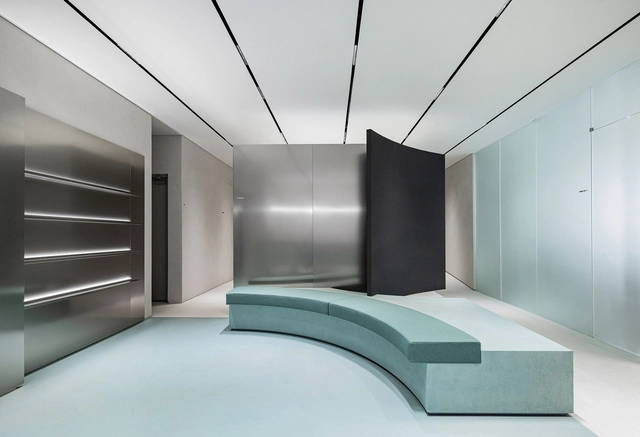


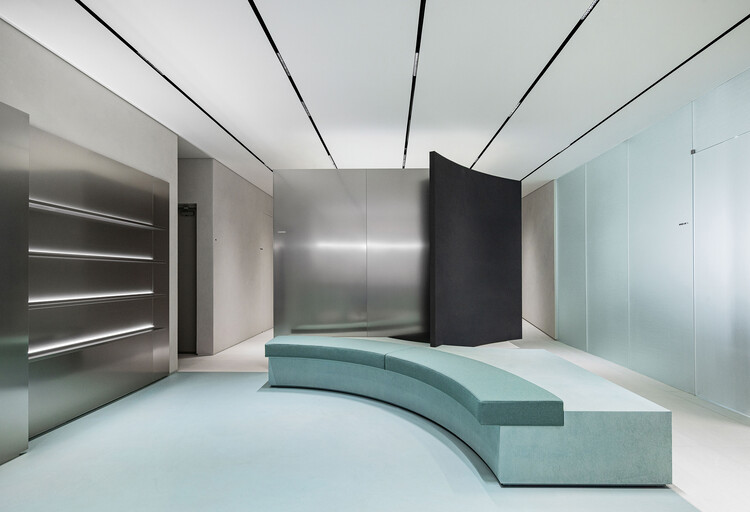
https://www.archdaily.com/1033376/he-arts-hannam-hair-salon-rvmnMiwa Negoro
Lamarzocco Shinsegae Dept. Gangnam Store / RVMN
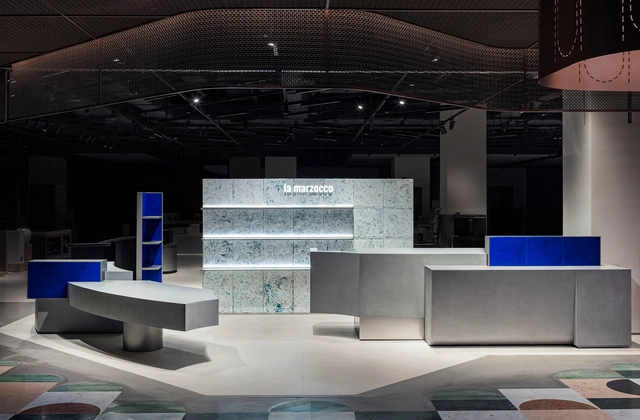


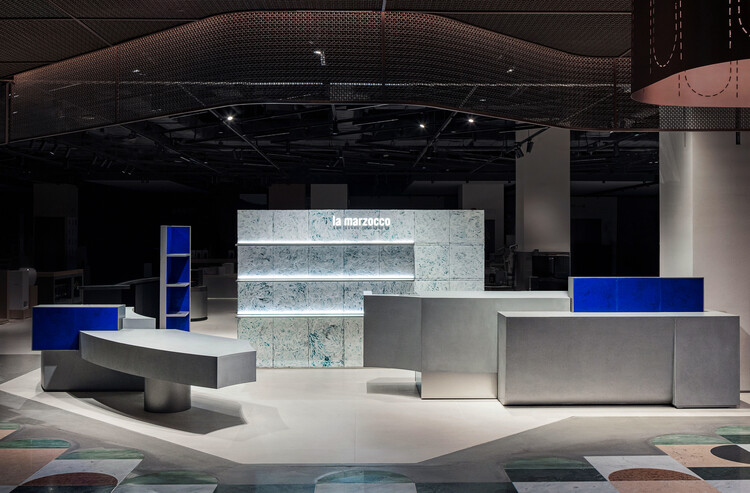
https://www.archdaily.com/1032504/lamarzocco-shinsegae-dept-gangnam-store-rvmnMiwa Negoro
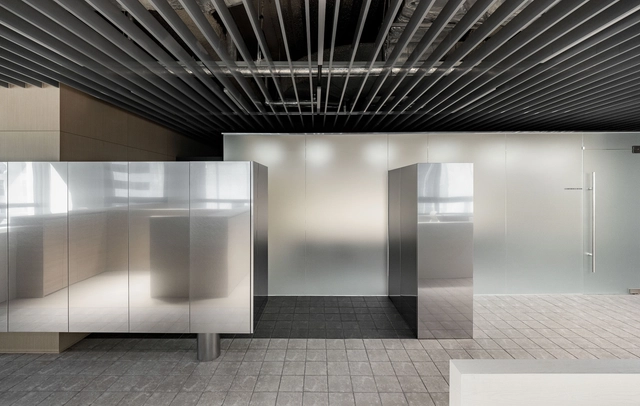


GLASS STAR Eyewear Shop / RVMN
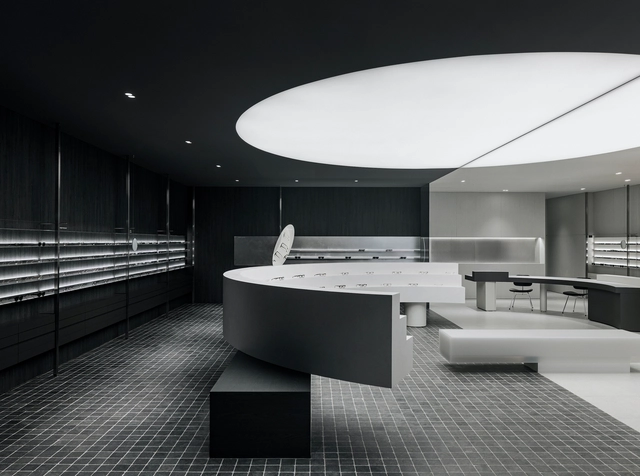


https://www.archdaily.com/1028048/glass-star-eyewear-shop-rvmnValeria Silva
Among Hair Salon / Orosy studio


https://www.archdaily.com/1027258/among-hair-salon-orosy-studioMiwa Negoro
The Rise of Co-Living Spaces for Young Professionals in East Asia: 5 Projects Redefining Flexible Living
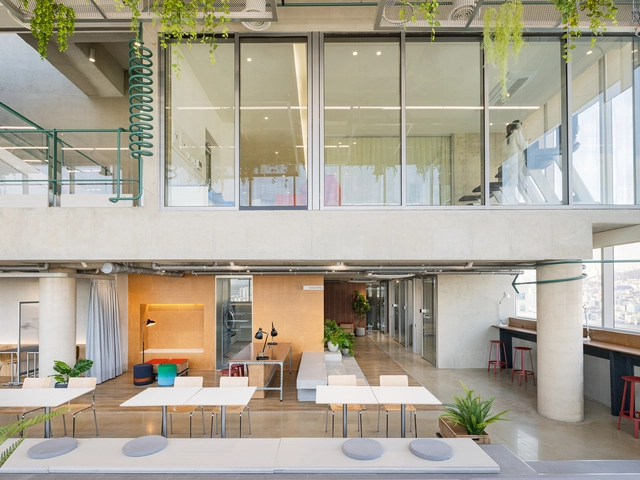
Co-living in East Asia has been rising since 2020, rapidly expanding while remaining in its early stages. At the same time, it continues to fulfill a significant demand from young professionals working in major cities. A 2020 study by real estate services firm JLL highlighted the growing demand for co-living in China and Singapore, citing key advantages such as affordability compared to private studio apartments and a contemporary urban lifestyle that fosters openness and shared experiences. Much like other industries where ownership is becoming less relevant—such as streaming services for music, films, and television, or mobility solutions like car- and bike-sharing—co-living appeals to a similar demographic that values flexibility and access over long-term commitments.
Unlike co-living initiatives in Spain, which often focus on multigenerational shared spaces, East Asian co-living primarily targets young professionals with dynamic career paths. Often required to relocate every few years, these individuals prioritize convenience and adaptability over investing in a permanent home. For them, committing to a long-term residence may not be practical, making fully furnished, professionally managed co-living spaces with built-in amenities and hygiene services an attractive option. These environments cater to fast-paced urban lifestyles, where networking at professional events often precedes solitary downtime at home.


https://www.archdaily.com/1026694/the-rise-of-co-living-spaces-for-young-professionals-in-east-asia-5-projects-redefining-flexible-livingJonathan Yeung
The Hyundai Seoul Store / Burdifilek
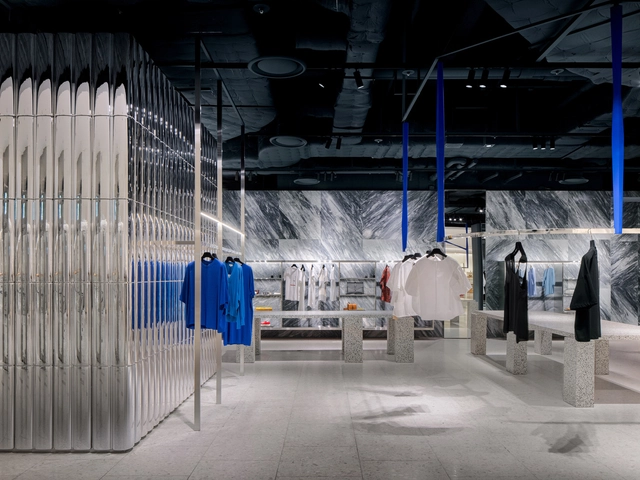


-
Architects: Burdifilek
- Area: 9552 ft²
- Year: 2021
-
Manufacturers: Terrazzo & Marble, Nspace
https://www.archdaily.com/980115/the-hyundai-seoul-store-burdifilekPilar Caballero