Tommaso Riva

BROWSE ALL FROM THIS PHOTOGRAPHER HERE

The Politics of Bamboo: From Vernacular Craft to Temporal Infrastructure

Audio available

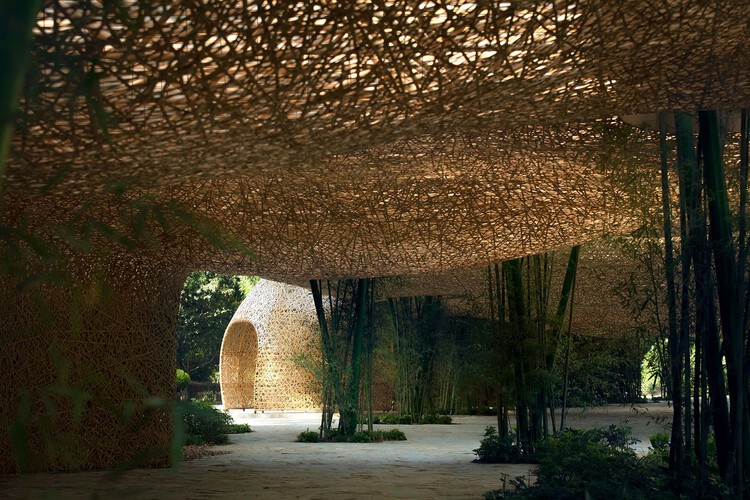
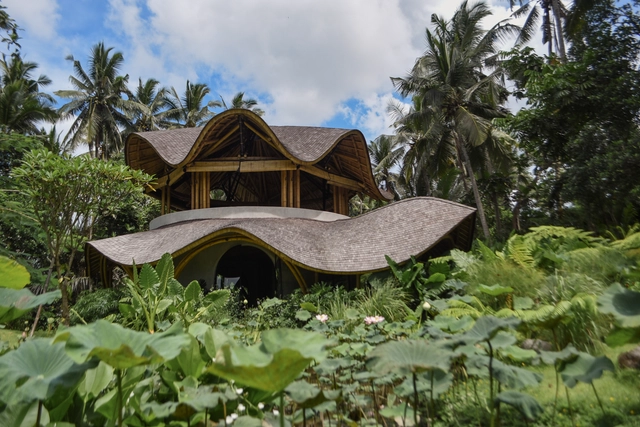
Bamboo is often praised before it is understood. It grows quickly, carries a long history of building cultures, and appears to offer architecture an immediate ecological language. In photographs, it can seem almost self-explanatory: light, natural, renewable, and already aligned with a more sustainable future. Yet this apparent clarity is also what makes bamboo difficult to discuss with precision. Once it becomes a symbol of environmental responsibility, the material itself can disappear behind the image it produces.

This is the risk of bamboo's contemporary revival. It can be imagined too easily as a green substitute for industrial materials, a regional atmosphere, or a softer alternative to the harder languages of steel and concrete. In each case, bamboo is admired before its conditions are understood. The more important question is not whether bamboo is sustainable in a general sense, but what kind of architectural culture it requires: what forms of knowledge, maintenance, regulation, labor, and time are needed for its sustainability to become real.

The Politics of Bamboo: From Vernacular Craft to Temporal Infrastructure  - More Images+ 19

From Play to Shelter: The Many Roles of Small-Scale Community Sports Halls

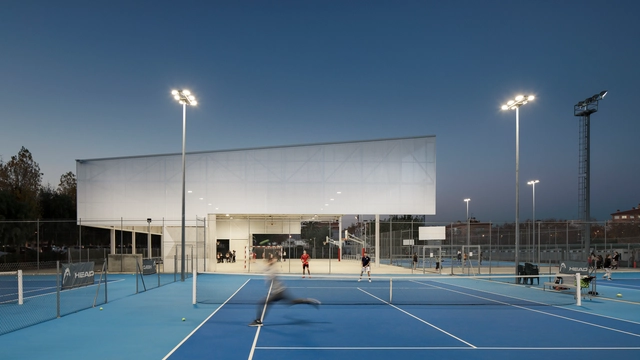
Community benefit is among the first terms mentioned when announcing a new public project. This is especially true in the case of sports halls, promising improvements in well-being and social cohesion. At a closer look, two typologies of sports halls emerge, with varying degrees of involvement with community life: on the one hand, there are large-scale venues dedicated to hosting international competitions, often boosting the capacities of thousands of people, taking on the role of modern landmarks alongside stadiums. On the other hand, there are small-scale multi-purpose sports halls, commonly annexed to schools, dispersed throughout neighborhoods, or present in rural areas with limited access to other public amenities. Despite the often-understated presence, these venues embrace and expand their multi-purpose role by offering opportunities to play, connect, organize events, and support diverse community activities.

From Play to Shelter: The Many Roles of Small-Scale Community Sports Halls - More Images+ 13

Bali Architecture Guide: 25 Projects Blending Tradition with Innovation in Indonesia's Most Visited Island

Subscriber Access | 

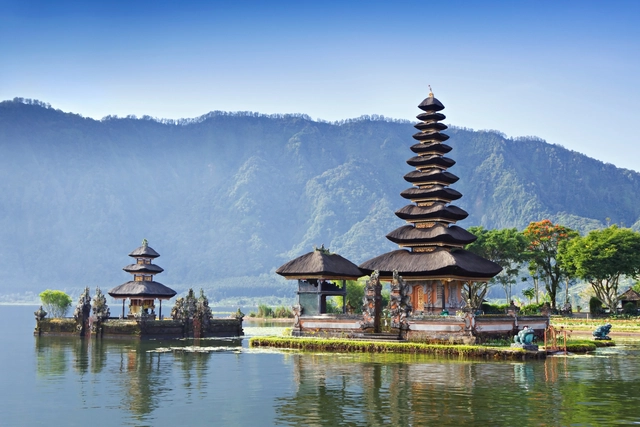
Bali might most commonly be associated with its beaches and leisure sector. Rightfully so, since the Indonesian province received more than 2.9 tourists this year alone. Along with the temporary visitors, Bali also houses some longer-term inhabitants and digital nomads, which contributed to its fast population increase. This has naturally affected its urban density and its need for additional accommodation and services, offering opportunities for some creative architecture and materials exploration.

This often appears through the many bamboo-built projects, with the island being the stage for some of the oldest and most intricate bamboo vernacular construction. This knowledge can be transmitted to willing architects and professionals from all around the globe who seek to understand how this versatile material can be applied in their own countries. Many renowned global and local practices, such as IBUKU, and Bamboo U, have championed this ecologically aware architecture through their projects, which are always focused on nature preservation and the revival/ optimization of traditional building techniques.

Bali Architecture Guide: 25 Projects Blending Tradition with Innovation in Indonesia's Most Visited Island - More Images+ 23

House of Herring / GFAB Architects

House of Herring / GFAB Architects - More Images+ 22

Praya Barat, Indonesia

Building a Sustainable Future: Sports Facilities Made from Bamboo

Subscriber Access | 

As awareness of sustainable development grows, bamboo is emerging as an attractive alternative to traditional construction materials. This innovative material is making significant inroads in the construction of sports facilities, showcasing how sustainable practices can shape a greener future.

Bamboo stands out as an eco-friendly substitute for wood, concrete, and steel. Its application in sports facility construction markedly reduces environmental impact and enhances sustainability. The use of locally sourced bamboo in certain regions further decreases carbon emissions associated with transportation. The advantages of bamboo extend beyond its environmental benefits. This material is not only strong and durable but also lightweight and flexible, making it ideal for modern construction demands.

Building a Sustainable Future: Sports Facilities Made from Bamboo - More Images+ 8

Villa V / Atelier Alejandro Borrego

Villa V / Atelier Alejandro Borrego - More Images+ 26

  • Area Area of this architecture project Area:  380
  • Year Completion year of this architecture project Year:  2023
  • Manufacturers Brands with products used in this architecture project
    Manufacturers:  Delta Light, Meir

Bawa House / Stilt Studios

Bawa House / Stilt Studios - More Images+ 24

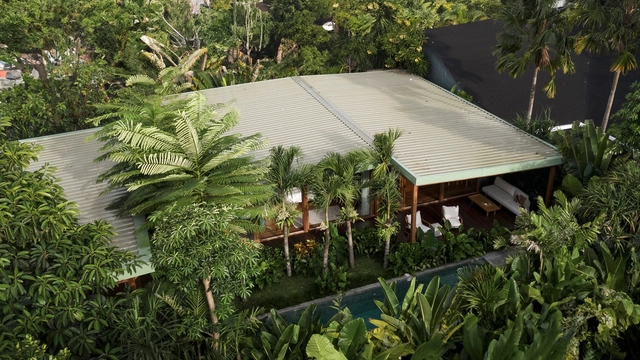
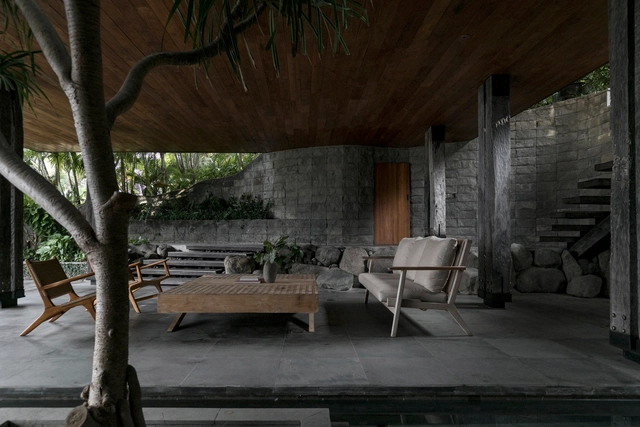
Iron Wood House / Earth Lines Architects

Iron Wood House / Earth Lines Architects - More Images+ 40

Kecamatan Kuta Selatan, Indonesia

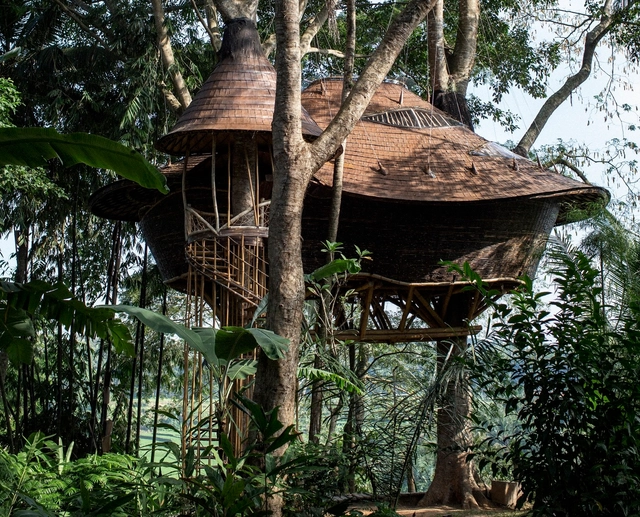
Tree House at Bambu Indah / IBUKU

Tree House at Bambu Indah / IBUKU - More Images+ 19

Against the Grain: the Aesthetic Appeal of Wood in 30 Interiors Projects

Throughout the annals of architectural history, timber has been a fundamental element in the evolution of building design and construction. From the ancient timber-framed structures of Japan to the medieval European cathedrals, timber's structural prowess and aesthetic appeal have left an indelible mark on human civilization. It wasn't until the Industrial Revolution's advent that a significant shift towards alternative building materials such as steel and concrete occurred, relegating the material to a secondary role in construction. As contemporary architects grapple with the consequences of climate change, however, timber has staged a remarkable comeback, offering an eco-friendly and structurally robust alternative. Internationally renowned firms are centering their designs around timber's potential, embracing its rich history while simultaneously harnessing advanced technologies to create awe-inspiring, sustainable structures that represent a harmonious blend of historical wisdom and modern innovation.

Against the Grain: the Aesthetic Appeal of Wood in 30 Interiors Projects - More Images+ 36

Yoga & Spa Ubud / Pablo Luna Studio

Yoga & Spa Ubud / Pablo Luna Studio - More Images+ 19

Best Architectural Projects of 2021

Best Architectural Projects of 2021 - More Images+ 96

More than 5000 new projects published throughout 2021 make ArchDaily the largest online architecture library in the world. ArchDaily Curatorial Team researches, contacts offices, prepares, and delivers the built projects in the world on a daily basis, with the objective of providing inspiration, knowledge, and tools to our users who take part in the creation of better built environments. 

The Potential of Bamboo and Mass Timber for the Construction Industry: An Interview with Pablo van der Lugt

Subscriber Access | 
The Potential of Bamboo and Mass Timber for the Construction Industry: An Interview with Pablo van der Lugt  - Featured Image
© Woodify

Pablo van der Lugt is an architect, author and speaker. His research focuses on the potential of materials such as bamboo and mass timber for the construction sector, and their positive impacts on the world. “Throughout my professional career both in university (including my PhD research on the carbon footprint of engineered bamboo and wood) and industry the past 15 years I have found there are many misconceptions about these materials which hamper their large scale adoption. For this reason I ‘translated’ my research findings into two contemporary books for designers and architects about the potential of bamboo: Booming Bamboo, and engineered timber: Tomorrow’s Timber. They aim to dispel these myths and show the incredible potential of the latest generation of biobased building materials in the required transition to a carbon neutral, healthy and circular built environment.” We recently had the opportunity to talk with him about these topics. Read more below.

The Arc at Green School / IBUKU

The Arc at Green School / IBUKU - More Images+ 41

Kecamatan Abiansemal, Indonesia
  • Architects: IBUKU
  • Area Area of this architecture project Area:  760
  • Year Completion year of this architecture project Year:  2021
  • Professionals: Atelier One

Rumah Fajar / Studio Jencquel

Rumah Fajar / Studio Jencquel - More Images+ 26

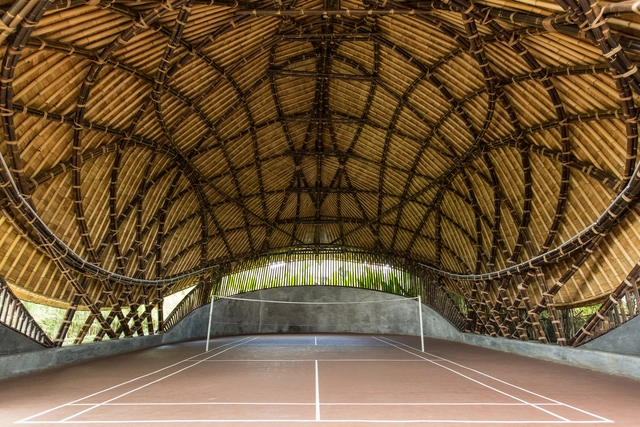
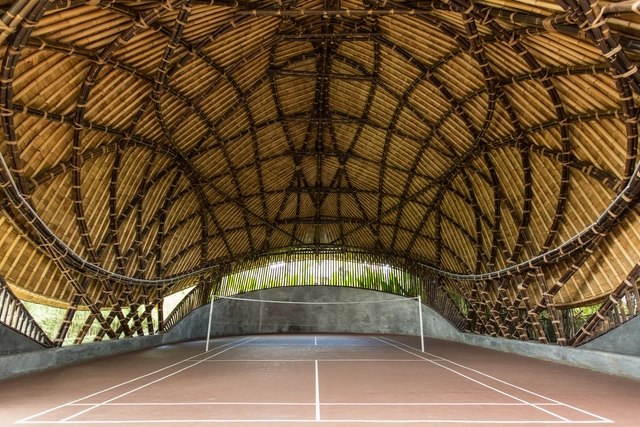
Kura Kura Badminton Courts / IBUKU + Studio Jencquel

Kura Kura Badminton Courts / IBUKU + Studio Jencquel - More Images+ 12

  • Architects: IBUKU, Studio Jencquel
  • Area Area of this architecture project Area:  300
  • Year Completion year of this architecture project Year:  2016

Umah Hati Villa / Studio Jencquel

Umah Hati Villa / Studio Jencquel - More Images+ 25

  • Architects: Studio Jencquel
  • Area Area of this architecture project Area:  450
  • Year Completion year of this architecture project Year:  2018

Rumah Padang Linjong Residence / Patishandika

Rumah Padang Linjong Residence / Patishandika - More Images+ 31

  • Architects: Patishandika
  • Area Area of this architecture project Area:  512
  • Year Completion year of this architecture project Year:  2017
  • Professionals: Leonardus