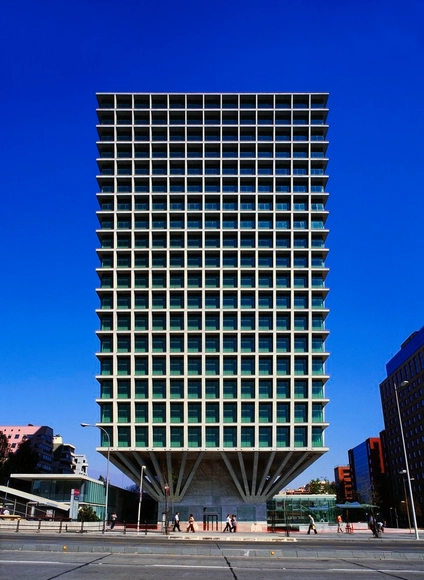
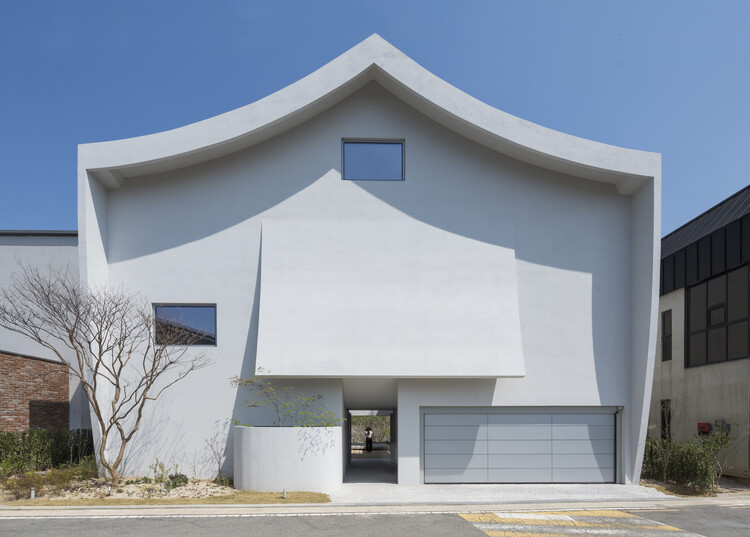
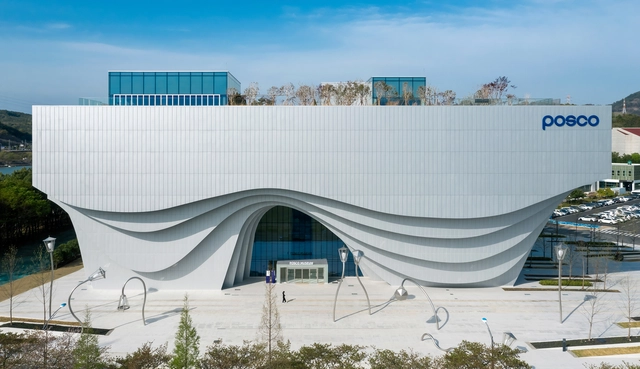
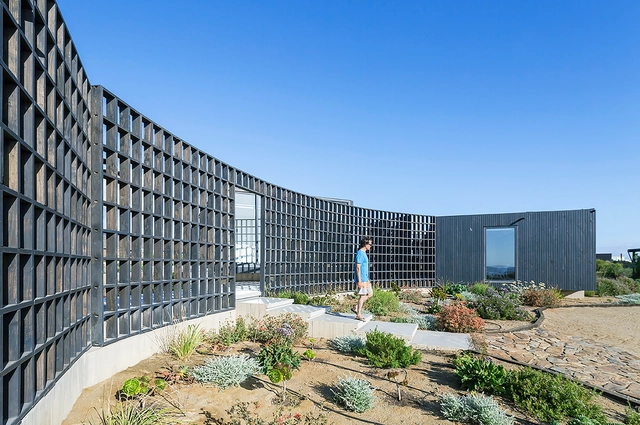
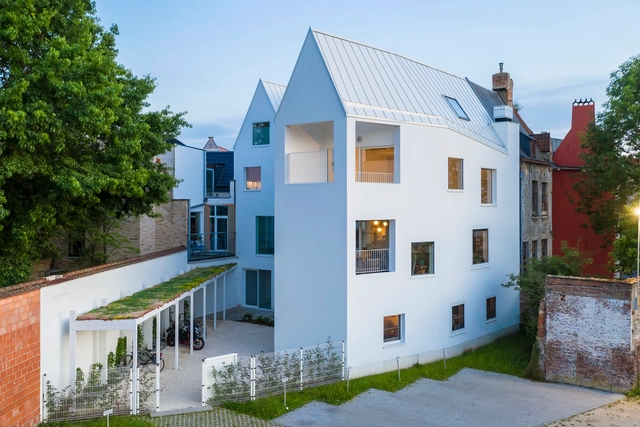
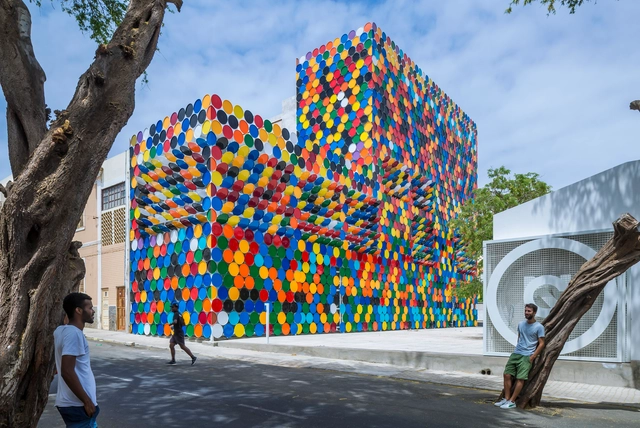
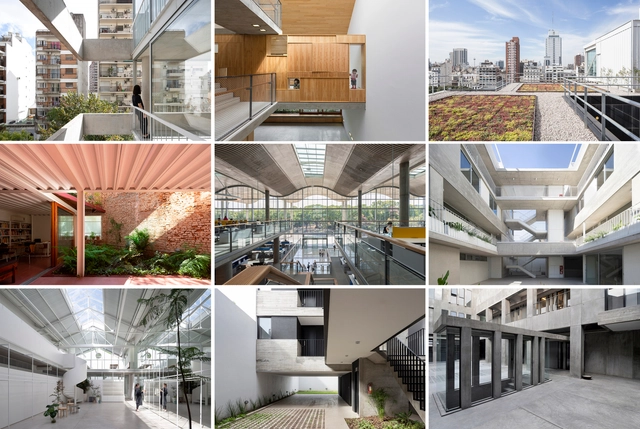
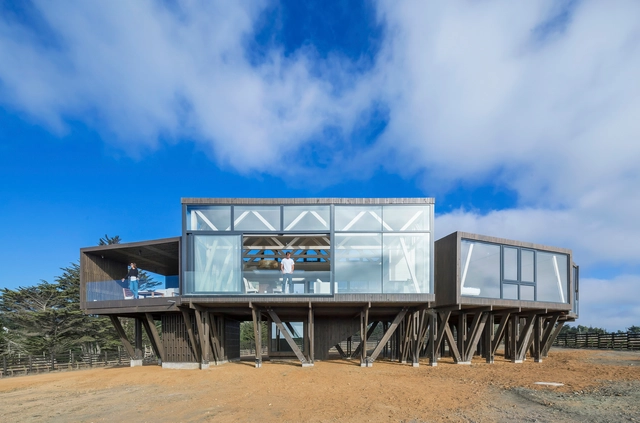
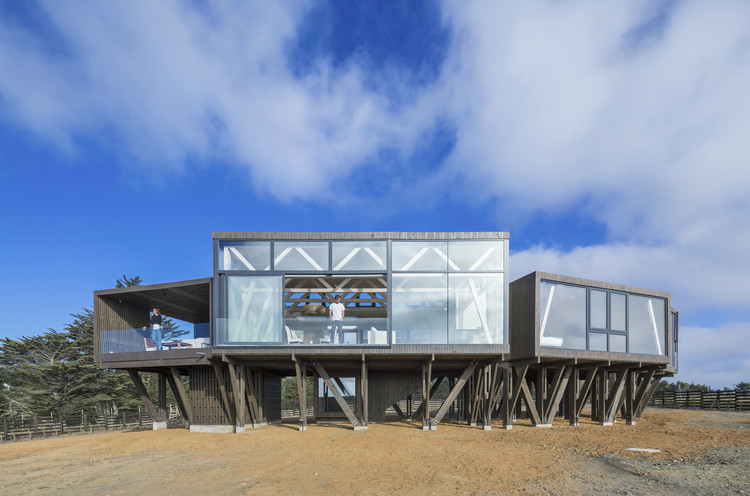
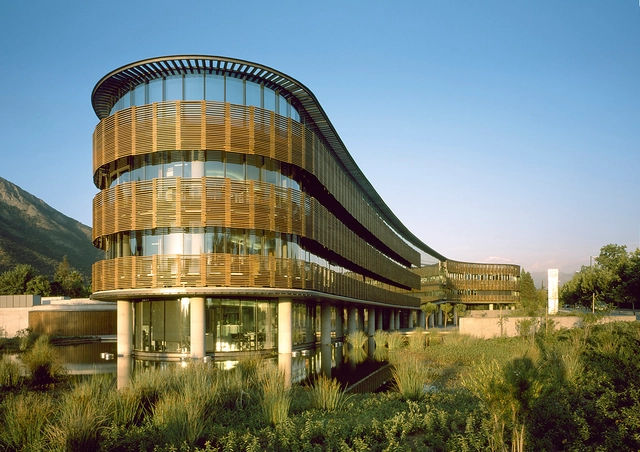
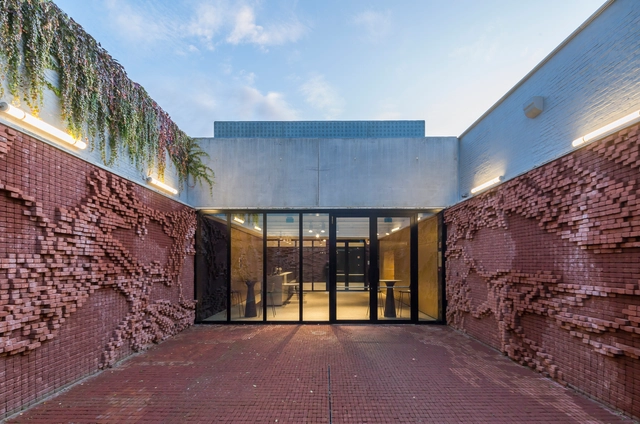
During the Ordinary General Assembly of Members on Thursday, April 25, the Association of Architecture Offices of Chile (AOA) held the award ceremony for the AOA Medals, alongside the formal presentation of the current AOA board of directors and the 40th edition of Revista AOA.
Tsinghua University established the Tsinghua University Architectural Design & Research Institute (THAD) in 1958 as a platform for architectural education and academic research, serving the development and construction of the newly founded republic. In 2018, THAD celebrated its 60th anniversary. Over these six decades, the institute has navigated the shifts and turns of the nation's social and economic development, serving as a witness to the evolution of modern Chinese architectural design. To mark this milestone, THAD and the Tsinghua University School of Architecture are co-hosting the "60 Years of Tsinghua Design Practice" event. This initiative invites professionals and institutions from across the Chinese architectural community to join in a series of exhibitions, forums, lectures, and publications. These activities aim to review the institute's development, reflect on the progress of Chinese architectural design over the past 60 years, and share research, practice, and insights, with the goal of continuing to serve the nation and advancing architectural scholarship and practice.
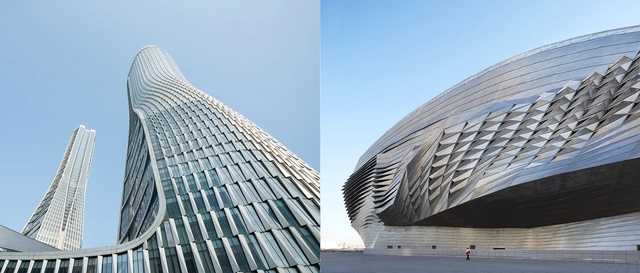
To celebrate the 60th anniversary of THAD, the Tsinghua Design Academic Week will be held on October 25, 2018. The event will feature domestic academicians such as He Jingtang, Wang Jianguo, and Meng Jianmin, alongside international guests including COOP HIMMELB(L)AU and UNStudio. Concurrently, the exhibition "6X10: A History of Modern Architecture at a University Design Institute" will officially open.
https://www.archdaily.com/1104172/coop-himmelb-l-au-and-unstudio-to-speak-at-the-2018-tsinghua-design-academic-week-register-for-the-years-premier-forum韩爽 - HAN Shuang
The principles of the circular economy have been most influential and applicable to the construction industry. Emphasizing the efficient use of resources, models around reuse and recycling of components and materials are increasingly being pioneered by global architecture practices. The concept of "design for disassembly" has emerged as an innovative approach especially in the case of building facades. Striking a balance between the demands for new infrastructure and the transition towards sustainability requires a review of traditional facade design throughout its lifecycle.
To celebrate its tenth edition, Open House will open the doors of more than 160 spaces and buildings of great architectural, cultural, and heritage value in the Autonomous City of Buenos Aires on October 1 and 2, 2022. As it does every year, this architecture and urbanism festival will offer the public the opportunity to rediscover the city's architecture and urban design, as well as its people, stories, and anecdotes, through free activities, visits, gatherings, and tours.
The European Centre for Architecture Art Design and Urban Studies and The Chicago Athenaeum: Museum of Architecture and Design have announced the winners of the "Europe 40 under 40" program for 2021-2022. The selection gathers emerging architectural and design talents spread across Europe from Albania, Austria, France, Greece, Ireland, Italy, Poland, Portugal, Russia, Spain, The Netherlands, and Turkey.
“During these challenging times, it is crucial to keep insightful visions alive. Presenting Europe’s most hopeful personalities in the fields of architecture and design is what gives us hope for a better tomorrow”, explains the official brief. Providing an insight into the architectural scene in Europe, the program initiated by The European Centre highlights the next generation of young architects, landscape architects, urban planners, and industrial designers currently under the age of 40, who will impact future living and working environments, cities, and rural areas.
When we speak of passive climate control, we refer to techniques that, with little to no energy consumption, create the appropriate temperature, humidity, and air quality conditions for comfort and habitability, partially or fully replacing active mechanical systems. Typically, these strategies are based on natural environmental parameters—such as air currents, the earth's thermal stability, and solar paths, among others—to regulate heat gain in the summer and heat loss in the winter, achieving optimal thermal comfort.