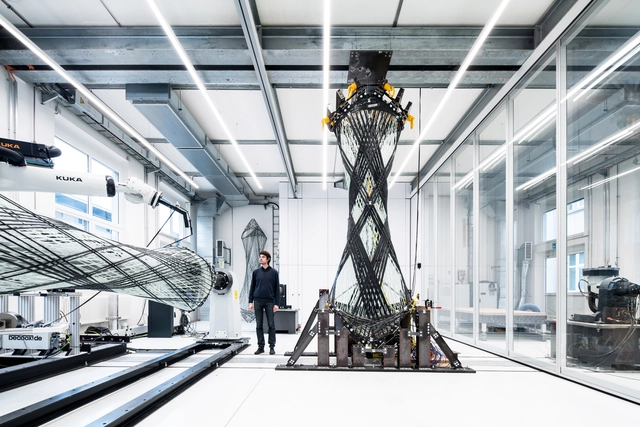
In a recent interview with Louisiana Channel,ecoLogic Studio discusses a new approach to architecture that explores the relationship between nature and urban design. Claudia Pasquero and Marco Poletto, the studio's lead architects, explain that modern architecture should be rethought to adapt to the changing environment and to serve as a connection between urban life and natural systems. The architects compare the current transformation in the field to the period of the Renaissance, when architecture evolved in response to the needs of society. Today, they argue, there is an opportunity for architects to learn from nature and design urban spaces that are both sustainable and functional.
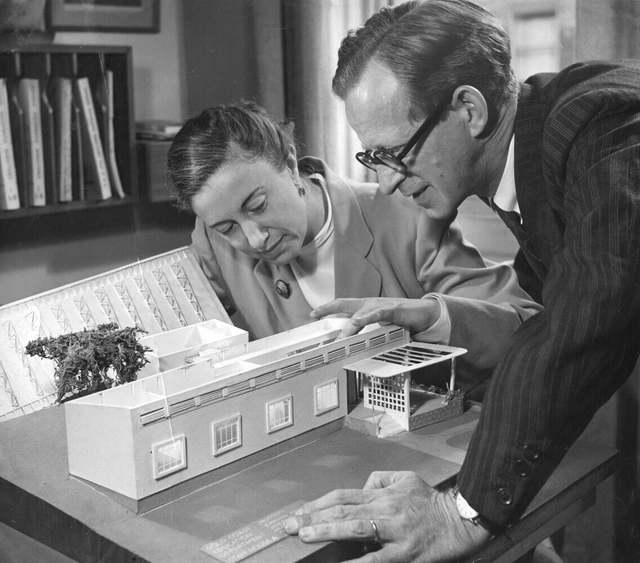
ane Drew and Maxwell Fry with a model of one of their many buildings for the Gold Coast, 1945. / Tropical Modernism - Architecture and Independence at the V&A South Kensington . Image Courtesy of RIBA
Reflecting on 2024, numerous architectural exhibitions have opened worldwide, addressing various themes, exhibition formats, and featured architects. Architectural design and architecture practice influence our daily lives in subtle and often unnoticed ways, where the end-users embrace built environments as they are. This reaction may arise from a combination of factors, such as a sense of powerlessness to enact significant change after a building is constructed or the experience of growing up in environments over which individuals had little or no agency in shaping. For these reasons, architectural exhibitions serve an essential purpose, offering society a chance to pause, reflect, and critically examine the myriad issues that surface during designing and building. These issues are often overlooked or need to be acknowledged, as practitioners may prioritize delivering projects within strict timelines over exploring more profound reflections.
In 2024, museums, galleries, and curators responded to the evolving challenges within the built environment with various approaches. Some exhibitions questioned the ethics of building materials and the practices behind supply chains, drawing attention to the broader implications of material choices. Others focused on documenting architectural movements worldwide, emphasizing their cultural and historical significance and the urgent need to preserve and adapt rather than replace them with entirely new builds. These efforts highlight the role of exhibitions in raising awareness about pressing issues while fostering a more critical dialogue about the architectural discipline.
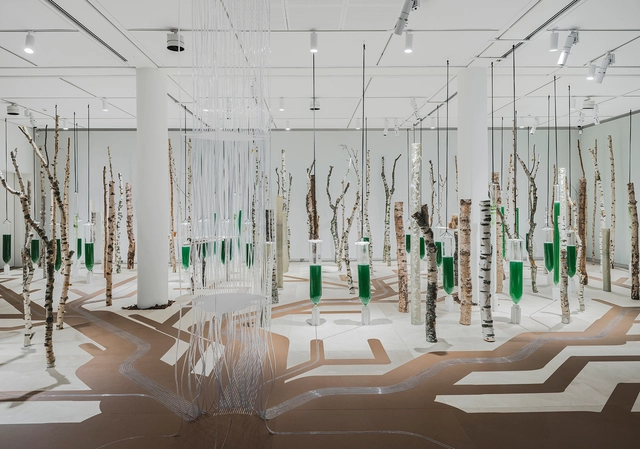
The Louisiana Museum of Modern Art's "Living Structures" exhibition, running from November 8th, 2024, to March 23rd, 2025, features Deep Forest, a new installation by Prof Claudia Pasquero and Dr. Marco Poletto founders of architecture and design innovation firm ecoLogicStudio, together with academic partner Innsbruck University. This immersive work challenges traditional architectural paradigms by embracing the naturalization of architecture and technology, a direct counterpoint to modernist attempts to mechanize nature. The exhibition represents the culmination of twenty years of research in bio-digital design, showcasing the potential of symbiotic relationships between technology and the natural world within built environments.
For centuries, models have been central to architectural design, providing architects with a tangible way to explore ideas, test concepts, and communicate their vision. From the Renaissance to Modernism, models have been instrumental in the construction and reflection processes, offering insights into form, proportion, and spatial relationships. However, in today's digital age, where 3D modelsand Virtual Reality(VR) have become powerful and efficient tools, the question arises: Are physical models still relevant in contemporary architecture?
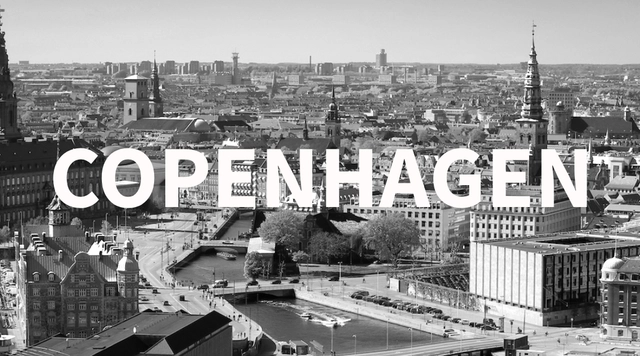
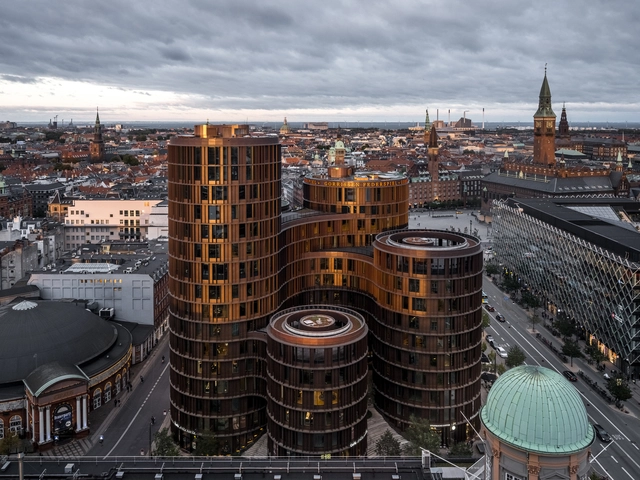
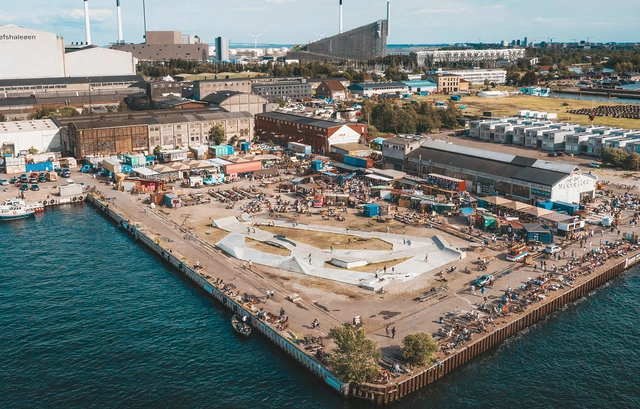
Copenhagen was founded around the 11th century, from a small fishing village called "Havn" (harbor), which served as a strategic point for trade and navigation. Over time, this settlement transformed into an industrial city and eventually became the capital of Denmark. Though small in size, Copenhagen exerts significant global influence as a model of urban living. Spread across two islands, it is recognized as one of the most livable cities in the world, compensating for its modest size with an imposing character, reflected in its vibrant urban life and a skyline punctuated by historic towers, low-rise buildings, and a mix of old and modern architecture.
Every year, Earth Day, celebrated on April 22, presents us with an opportunity to contemplate the conditions of our planet and our impact upon it. Generating around 37% of global carbon emissions, the construction industry has an important, often detrimental, role to play, thus placing an increasingly urgent responsibility on architects and builders to devise strategies for reducing this number. Still, the built environment represents the habitat for most of humanity, and so it has the potential to protect and shelter people from the risks posed by the changing climate. Read on to discover a collection of articles delving into the strategies available at urban and architectural scales for mitigating the effects of climate change and minimizing the industry’s impact upon it.
The 2024 EUmies Awards aims to recognize the best-built works in Europe completed between April 2021 and May 2023. The selection of projects reflects the current changes within the European context, with increasing attention given to environmental, social, and economic awareness expressed through architecture, landscape architecture, urban planning, and design. This year’s jury is chaired by Frédéric Druot (Paris/Bordeaux), who will be accompanied by Martin Braathen (Oslo), Pippo Ciorra (Rome), Tinatin Gurgenidze (Tbilisi/Berlin), Adriana Krnáčová (Prague), Sala Makumbundu (Luxembourg), and Hrvoje Njiric (Zagreb).
This year, the torch of the World Capital of Architecture passed from Rio de Janeiro to Copenhagen. For Audrey Azoulay, Director-General of UNESCO, “Copenhagen will build upon Rio’s achievements, by continuing to show the way in which architecture and culture can respond to the challenges of our time, especially in the environmental field.”
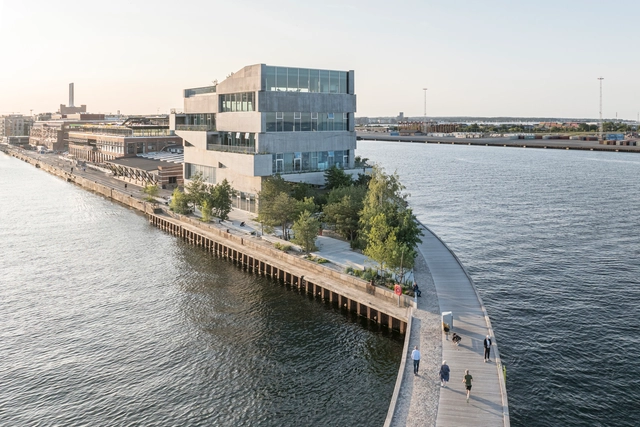
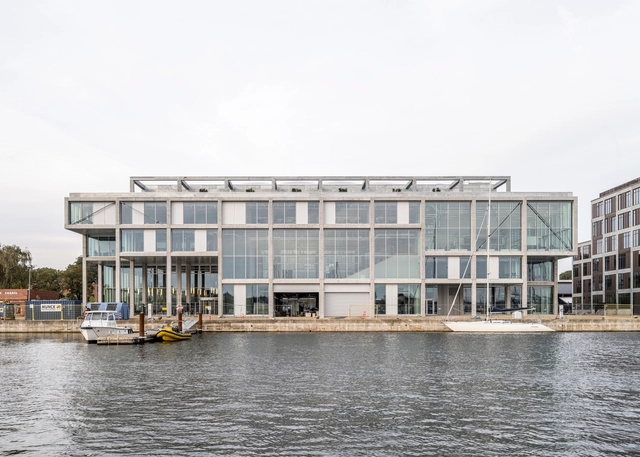
Through the perspectives of various Danish architects, such as Marie-Louise Høstbo, Head of Design at Fritz Hansen, we venture into the unique character of North Copenhagen. Exploring some of her favorite locations –all of which exemplify the city’s culture and sustainable approach– we analyze how Copenhagen upholds a strong legacy and how architecture and urban development play an essential role in shaping its urban identity, while promoting sustainability and liveability. From the serene coastal escape at Bellevue to the reimagined dry dock echoing the city’s maritime history, Høstbo showcases how the World Capital of Architecture seamlessly integrates “design, art, and architecture from the past, present, and future.”
What will cities of the future look like? Or rather, what should cities of the future look like? The classic sci-fi, Star Trek-inspired movies many of us grew up watching painted a picture of flying cars, grotesque steel skyscrapers and urban fabrics far too vast and dense for the human scale. It’s safe to say, however, that the ideal for today’s and tomorrow’s cities has taken a 180-degree turn. New, modern urbanism promotes diverse, mixed-use cities with walkable blocks, sustainable transport and accessible public spaces. Copenhagen, with its pedestrian- and bicycle-friendly streets, idyllic water canals, iconic buildings and overall happy residents, ticks many of those boxes. No wonder the Danish capital has been designated as UNESCO’s World Capital of Architecture for 2023; another testament to the city’s position as a laboratory for innovative contemporary architecture and human-centered urban planning.
While most cities around the world seek to implement more sustainable and environmentally friendly modes of transportation, encouraging new urban mobility habits in their residents, the use of automobiles still persists, occupying significant parking spaces in urban centers. Finding a way to integrate these uses, provide new spaces for their citizens, and leverage their facilities for ecological, productive, and other purposes is the challenge faced by many professionals in architecture and urban planning.
During the opening keynote at the UIA 2023 World Congress of Architects, Bjarke Ingels, the lead and founder of BIG, shared insights into pressing global challenges along with the office’s distinctive approach to addressing them. After the conference, ArchDaily had the chance to sit down with Bjarke Ingels to further expand on these topics. The discussion touched on a number of subjects, including BIG’s approach to design, based on their principle of “Hedonistic Sustainability,” the meaning and opportunities behind this change in mentality, the inter-applicability of technological innovations across different fields and even across planets, and the need to develop a New European Bauhaus as a response to the emerging environmental necessities.