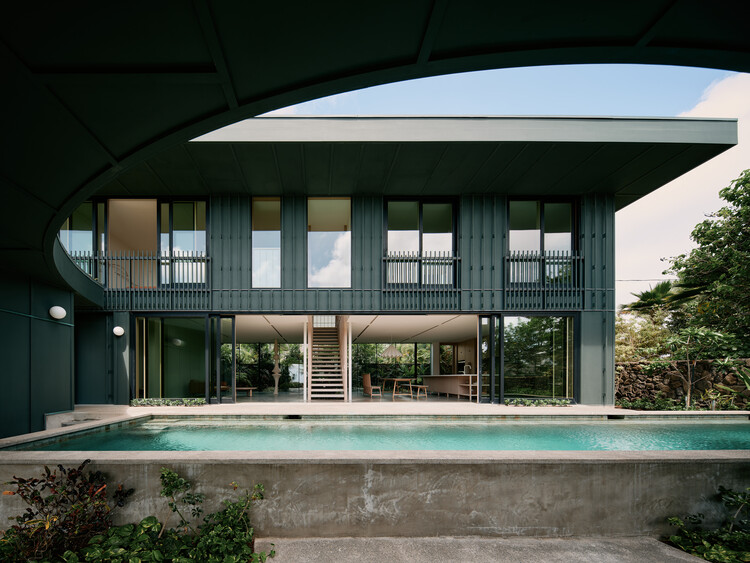


-
Architects: Fougeron Architecture
- Area: 2500 ft²
- Year: 2022
-
Professionals: Barry Builders, Endres Studio, Adobe Associates, Inc., Rockridge Geotechnical, Ground Studio, +1

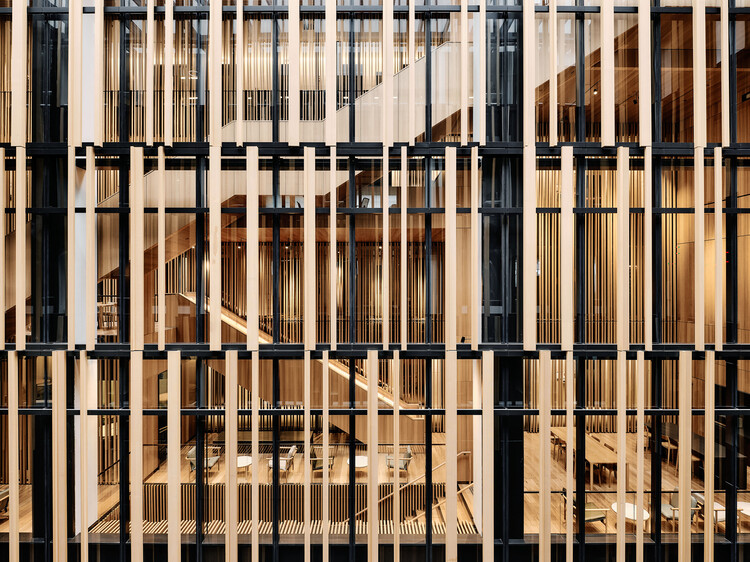
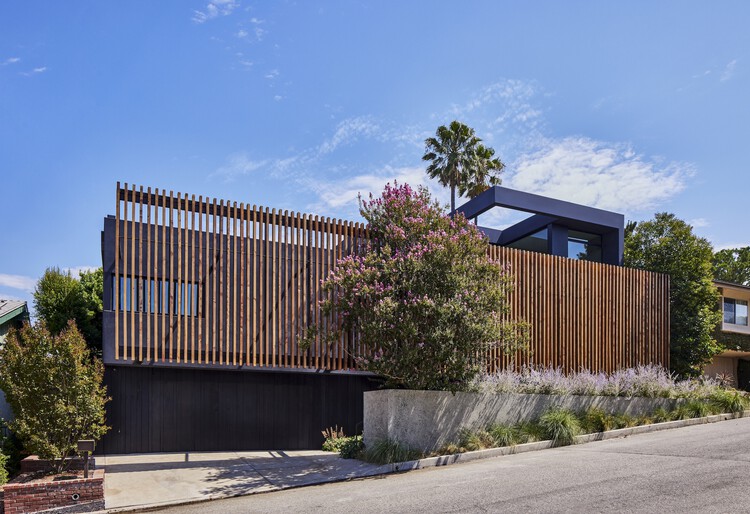
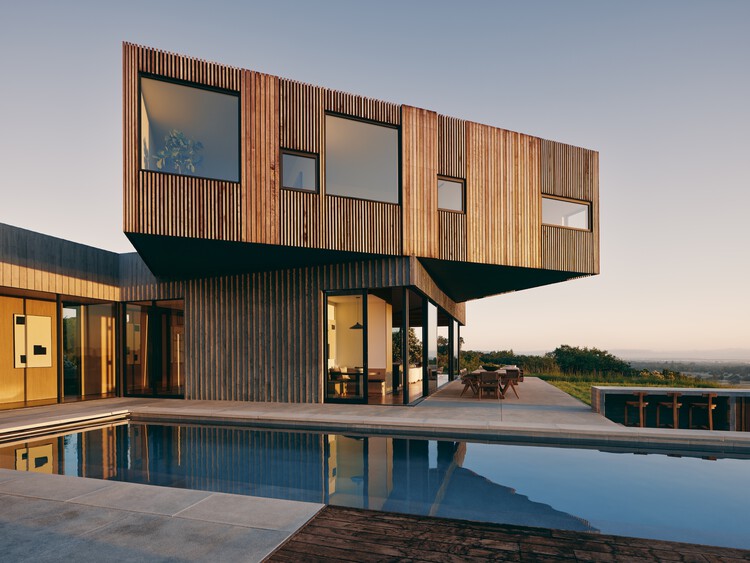
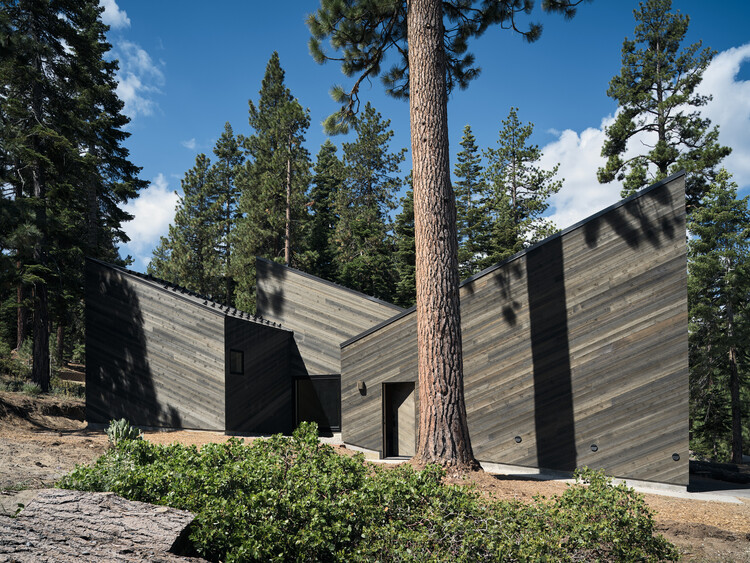
The relationship between humans and wood has endured since the Greco-Roman era, when a variety of techniques were developed to maximize its unique properties and characteristics. Beyond its warmth, texture, and natural appeal, wood has proven its ability to meet a wide range of technical requirements while adapting to diverse environmental and geographic conditions, maintenance demands, and fire-resistance standards. In response to the evolving needs of the built environment, interior and exterior finish materials that replicate the appearance of wood have emerged as viable alternatives. Among them, Wood Finish Aluminum offers a durable, high-performance solution for long-lasting projects, providing a textured wood-look appearance while maintaining minimal environmental impact.


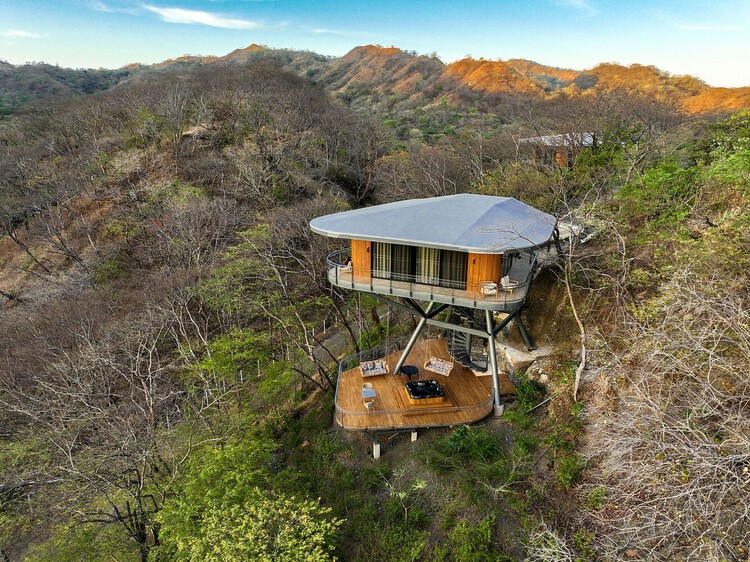
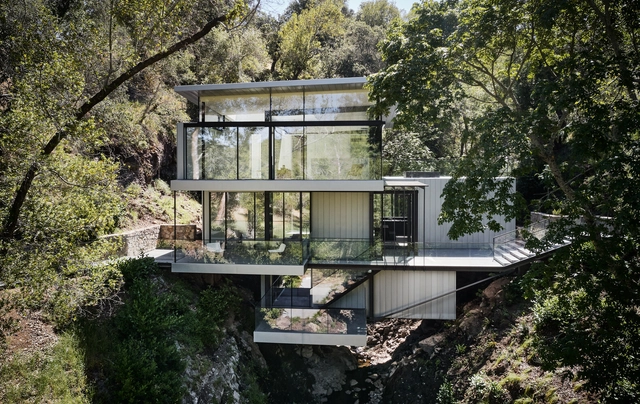
The relationship between constraint and design excellence is well established in architectural theory, yet often remains underexplored in discussions of site-specific practices. When architects encounter extreme topography, they face a fundamental choice: transform the landscape to accommodate the building, or modify the building to fit the landscape. The first approach is straightforward and requires the builder to cut, fill, terrace, and build on level ground. This choice, however, carries cascading consequences as any amount of earth moved may destabilize slopes, disrupt drainage, and fracture ecosystems. A growing body of innovative architectural work demonstrates an alternative to earth-moving and retaining walls.


Pantone Color Institute has introduced PANTONE 11-4201 Cloud Dancer as the Color of the Year 2026, a soft white selected for its understated presence and sense of visual calm. The hue, described as balanced and airy, appears against a broader cultural context in which designers and creatives are reassessing the role of clarity, simplicity, and spatial quietude. Framed as a color that resembles a blank canvas, Cloud Dancer signals a renewed interest in environments that support reflection and measured creativity rather than constant acceleration.
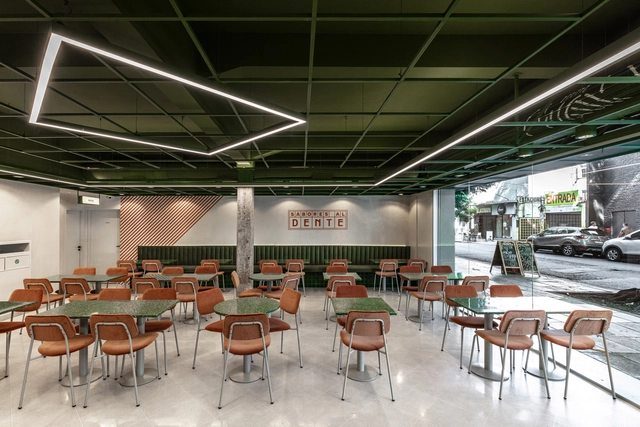
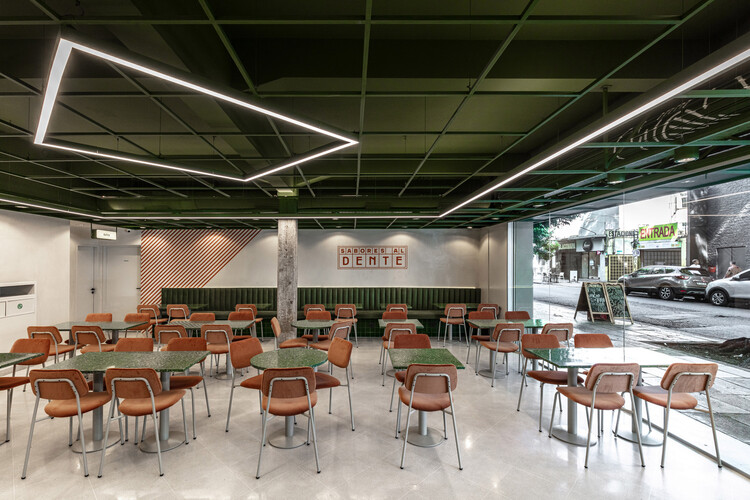
In contemporary interior architecture, service provisions—mechanical, electrical, HVAC, plumbing—are almost always treated as elements to be concealed. Thickened wall cavities, extensive dropped ceilings, and, in regions where solid construction such as brick or concrete prevails, furred-out walls are routinely employed to hide these systems. This approach has become so normalized that it often forms the starting assumption for spatial planning, inherently constraining imagination and reducing the range of spatial possibilities. The priority shifts towards covering-up, rather than exploring how these systems might coexist visibly within a design language.
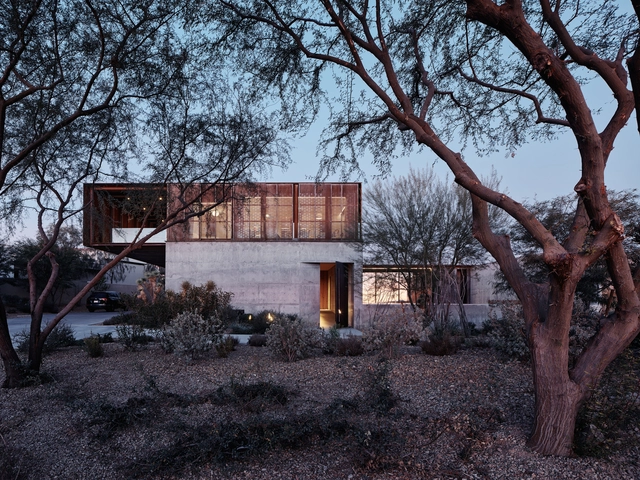
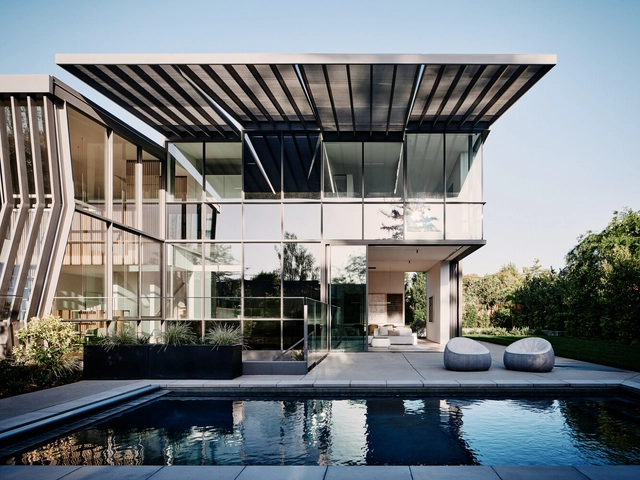
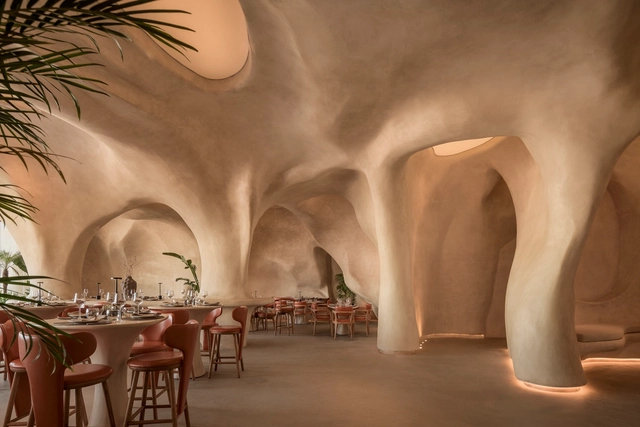
In recent years, continuous material finishes enveloping interior spaces have become increasingly prominent, particularly in branding-focused retail environments. A continuous interior refers to using what are typically liquid-applied materials that are cured to create seamless, uninterrupted surfaces, eliminating the appearance of joints and seams—at least during the initial application. A growing range of products now offer various color options, textures, and practical properties, making these finishes more versatile. Interestingly, the aesthetic effect of such interiors is uncanny to the rise of 3D rendering software, where the seamless, fluid look mirrors the smooth, idealized spaces typical of digital renderings. This effect also contributes to a sense of scalelessness, as the absence of visible seams or joints makes it harder to discern the actual size of a space, often giving the illusion that the interior is larger than it is.
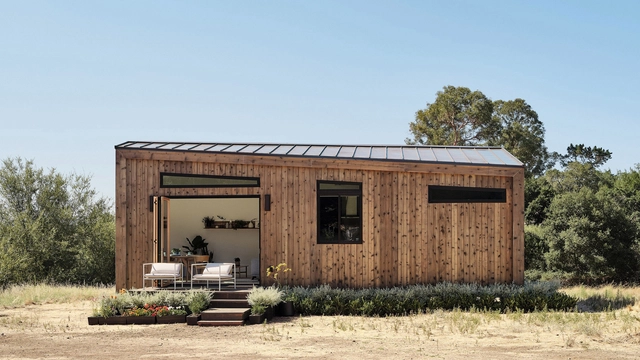
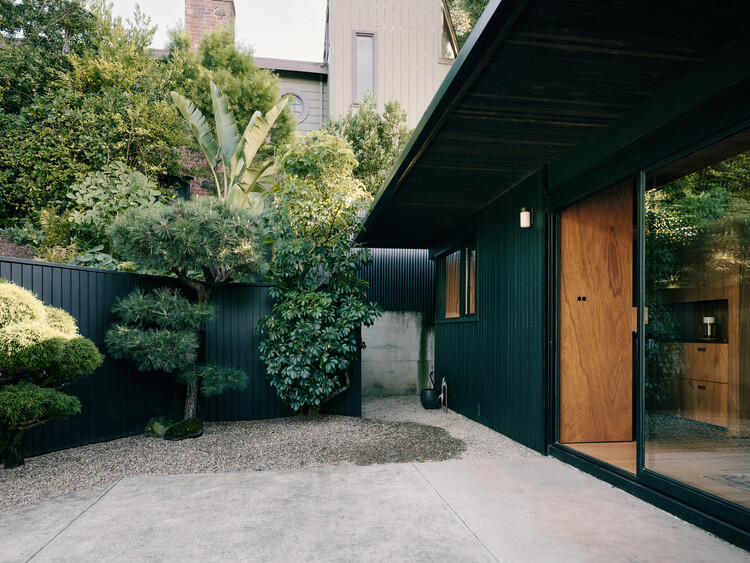
Cities in the US are embracing Accessory Dwelling Units (ADUs) to address the nationwide housing crisis. Often built on existing single-family home lots, ADUs offer an affordable option for increasing housing availability in established neighborhoods. However, like any new housing development, effective regulations are critical for widespread adoption. Los Angeles has emerged as a testing ground in using ADUs to address its housing shortage, providing valuable insights for other cities. The city's experience underlines the challenges of establishing regulations, while also promoting the benefits of ADUs as an affordable housing solution.