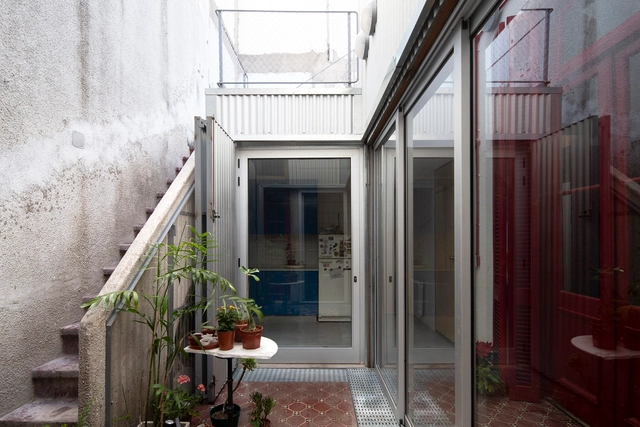
The distribution of natural light, improved ventilation, and the propensity to connect living spaces with the outdoors while maintaining the privacy of the inhabitants have made courtyards a go-to in architectural design around the world over the centuries.
Courtyards are characterized as outdoor or semi-outdoor spaces that are enclosed within the walls of a house or building.
When designing a space, architects across the board tout the importance, and even necessity, of incorporating natural light into interiors. This means taking measures to control the quantity of light being let in and its distribution throughout the space.
In the case of residential spaces, where privacy plays a larger role than in public spaces like offices, restaurants, and stores, opaque materials like screens, tinted glass, and other barriers are the go-tos for providing protection and privacy from the outside; however, the privacy that these methods provide often comes at the cost of the space's natural lighting, forcing designers to seek alternative materials that allow for both light and privacy.
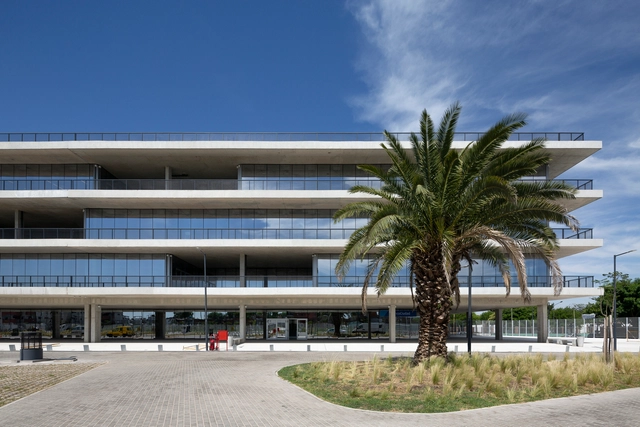
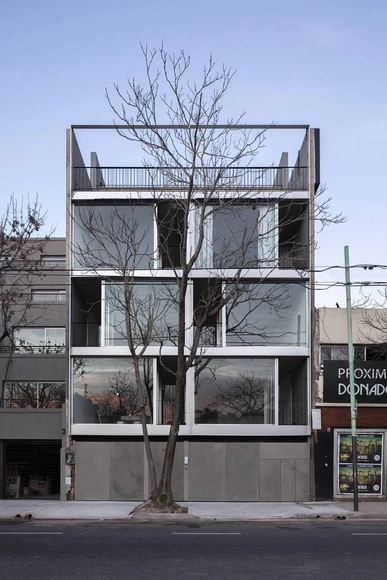
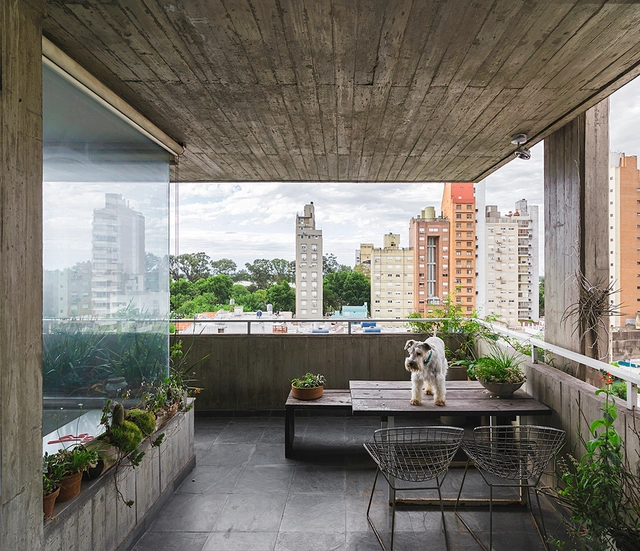
It's safe to say that concrete is one of the most utilized construction materials in large-scale architectural projects. In Argentina, the use of concrete to construct high-rise apartment buildings offers a variety of advantages, especially when it comes to durability and the time it takes to build. This has made it the go-to material for many architects.
When it comes to designing commercial gastromic spaces, aspects like space efficiency, equipment distribution, materials, and organization are essential when considering the users' experience within the space.
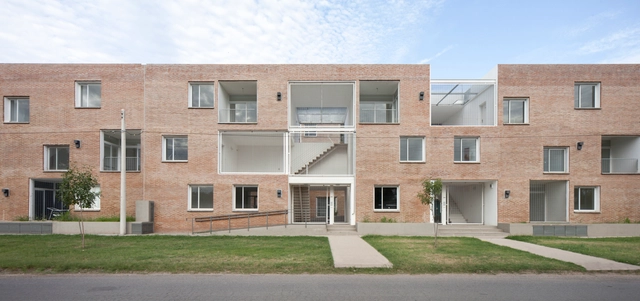
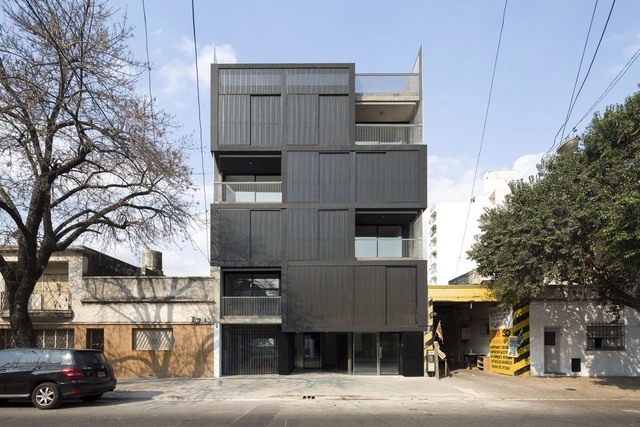
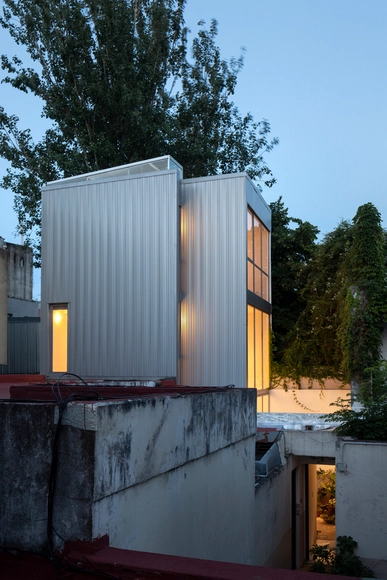
While Buenos Aires' architecture is known for its heterogenous and constantly-changing nature, within the city's low density residential sectors, it's possible to detect forms and patterns that have remained constant under the city's many transformations. One of these is the HP, or Horizontal Property, a legal concept that allows for multiple constructions on one lot, resulting in a handful of low-rise structures congregated together in a high-density layout.
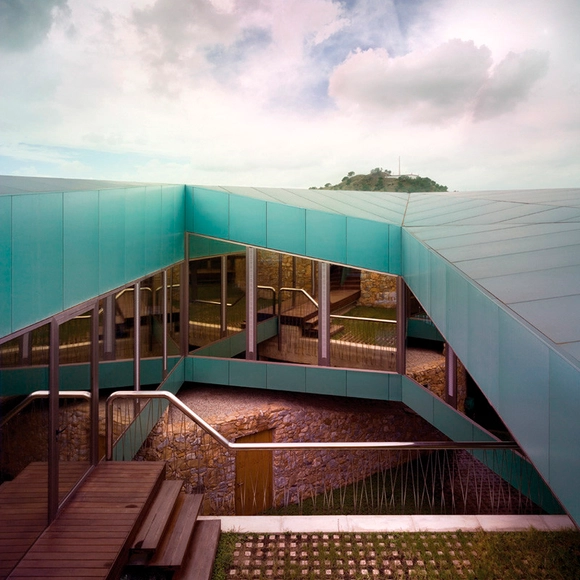
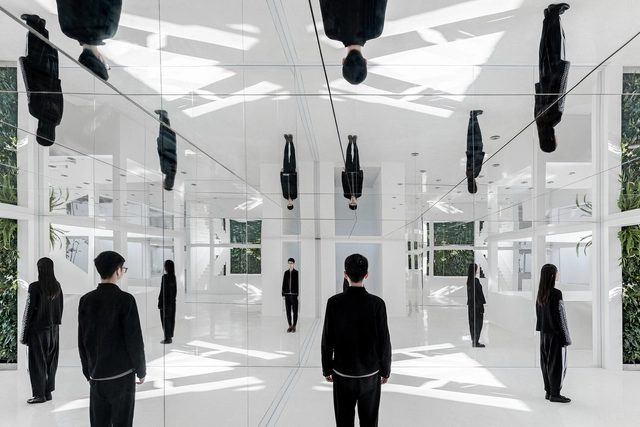
Humans have used mirrors since as early as 600 BCE, employing highly polished obsidian as a basic reflective surface. Over time, people began to use small pieces of gold, silver, and aluminum in a similar manner, both for their reflective properties and for decoration. By the 1st century CE, people had started using glass to make mirrors, but it was only during the European Renaissance that Venetian manufacturers began making mirrors by applying metallic backings to glass sheets, remaining the most common general method of mirror manufacturing today. Since then, mirrors have continued to play both a decorative and functional role in architecture, serving a clean, modern aesthetic despite its ancient origins. Below, we investigate how mirrors are made, provide a brief history of mirrors in architecture, and offer several tips for architects looking to use mirrors in their designs.
https://www.archdaily.com/942109/mirrors-in-architecture-possibilities-of-reflected-spaceLilly Cao



.jpg?1614777781&format=webp&width=640&height=580)
![Empilhado [SnJ] Building Renovation / 3dF arquitectos - Exterior Photography, Residential](https://snoopy.archdaily.com/images/archdaily/media/images/5fd2/86cb/63c0/1748/7600/01bb/slideshow/_fi.jpg?1607632560&format=webp&width=640&height=580)




.jpg?1614777781)


_(1).jpg?1607602426&format=webp&width=230&height=230&crop=true)
![Empilhado [SnJ] Building Renovation / 3dF arquitectos - More Images](https://images.adsttc.com/media/images/5fd2/86cb/63c0/1748/7600/01bb/newsletter/_fi.jpg?1607632560)

_(2).jpg?1607612044&format=webp&width=230&height=230&crop=true)


