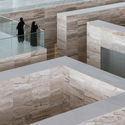
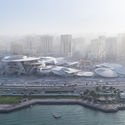
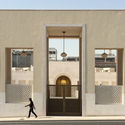
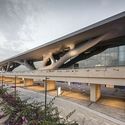
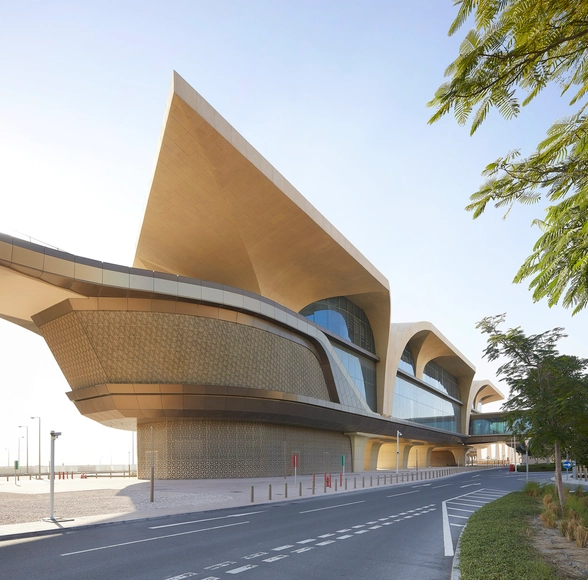
UNStudio has unveiled images of the first finished stations on the new Doha Metro Network, one of the most advanced and fastest driverless systems in the world. Phase one of the Qatar Integrated Railway Project (QIRP), involved the construction of three metro lines (Red, Green, and Gold), with 37 stations currently having been completed.
The Brundtland Report, 1987 - "Our Common Future" - introduced the notion that the sustainable use of natural resources must "meet the needs of the present generation without affecting the ability of future generations to meet theirs." Since then, the term sustainability has been popularized and, often, trivialized in our daily lives. In the construction industry, this is no different. As much as we know that to build, we need to destroy, how is it possible to mitigate the effects of construction during the useful life and demolition of buildings? A sustainable building, in its design, construction, and operation, must reduce or eliminate negative effects overall and may even generate net positive impacts on the climate and environment – preserving resources and improving the quality of life of the occupants simultaneously. To say that a building is sustainable is easy and even seductive. But what exactly makes sustainable construction?
Answering this question is not a simple exercise. That is why, in the last 30 years, several building sustainability certifications have been created. Through outsourced and impartial evaluations from different sources, they aim to verify the sustainable aspects of any construction. Each of them addresses particular building elements and is typically focused on certain regions of the world. While there are some certifications that verify whether the building meets certain efficiency criteria, others create different classifications, assigning a score based on these evaluations. Below, we list some of the primary sustainability certifications around the world – ranked alphabetically – and include their main architectural applications alongside a brief explanation:
Recycling has long been an entry point into sustainable design. It's personal, achieved at a micro scale where individuals can reduce waste and preserve energy. But between resource shortages, environmental habitat loss and the global climate crisis, there has been a shift in daily practices towards more circular thinking. Increasingly, the need to sustain life is part of a continuous process of production, resorption, and recycling where waste becomes the input for production.
On April 16, a ground-breaking ceremony was held in the city of Guangzhou, China, for what is to be the world’s largest soccer stadium. The most controversial aspect of the project was not its $1.7 billion price tag, but its bold lotus shape causing a backlash from the local architectural community but praise from the general public.
https://www.archdaily.com/939211/forecasting-the-future-of-sports-architecture-with-10-newly-built-stadiums-around-the-worldMilly Mo
Following an exciting week of nominations, ArchDaily’s readers have evaluated over 800 projects and selected 10 finalists of the Building of the Year Award. Over 20,000 architects and enthusiasts participated in the nomination process, choosing projects that exemplify what it means to push architecture forward. These finalists are the buildings that have inspired ArchDaily readers the most.
Where and how we work has transformed for many designers after the outbreak of COVID-19. With an estimated 900 million people around the world to remain at home, more people have begun working remotely to prevent the virus from spreading. As one of the largest design, engineering and planning firms in the world, SOM operates across timezone and locations. In this interview, Managing Partner Carrie Byles outlines SOM's approach and how other designers and firms can work better remotely.
Design and the City is a podcast by reSITE, raising questions and proposing solutions for the city of the future. In the sixth episode, Marianthi Tatari, Associate Director and Senior Architect at UNStudio, talks about creating inclusive spaces to connect people and generating 24/7 activity within their projects.
Design and the City is a podcast by reSITE, raising questions and proposing solutions for the city of the future. In the fifth episode, Yosuke Hayano, principal partner for MAD Architects, talks about Creating Emotional Connections to Nature. Always asking “How do you bring modern architecture into the future and connect humans with nature?” Hayano discusses the creative approach of the firm.
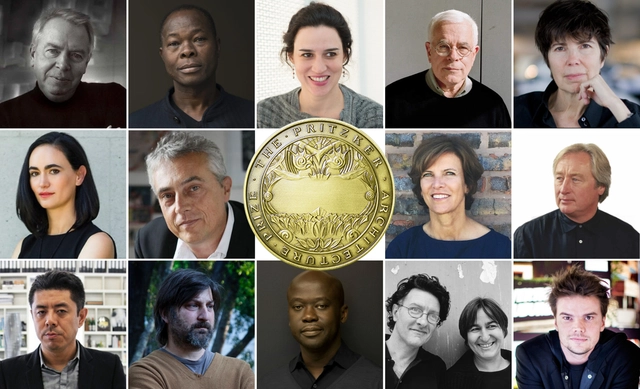
Some of the potential winners of Pritzker Prize 2020, according to our readers in 2019 poll.. Image
Since the winner(s) of the Pritzker Prize 2020 will be announced this Tuesday, March 3, we have asked our readers who should win the most important award in the field of architecture.
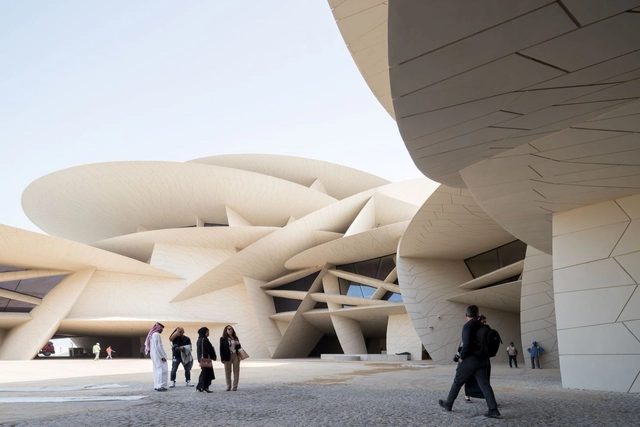
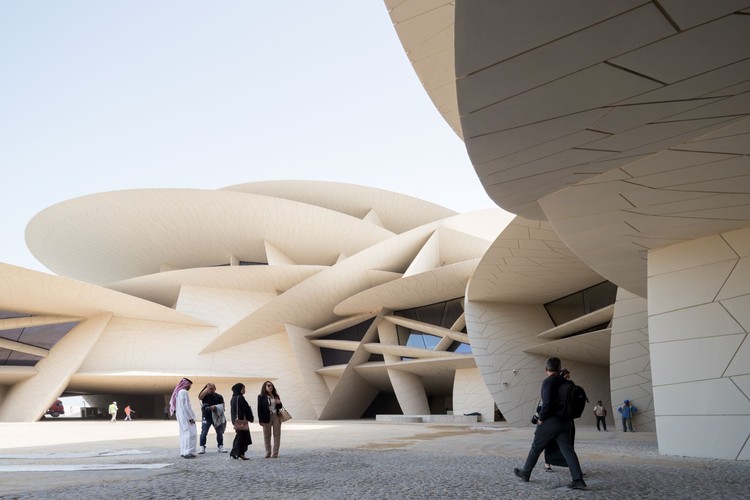
Qatar has been radically reshaped by growth and development. The sovereign state transformed since the second half of the twentieth century after the discovery of the Dukhan oil field in 1940. Capitalizing on over 70 years of economic development, Qatar now has the highest per capita income in the world. Reflecting the country’s wealth, its modern architectural projects are being built at a monumental scale.
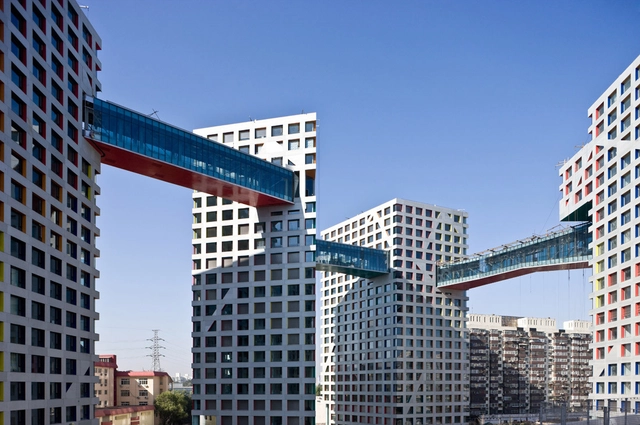
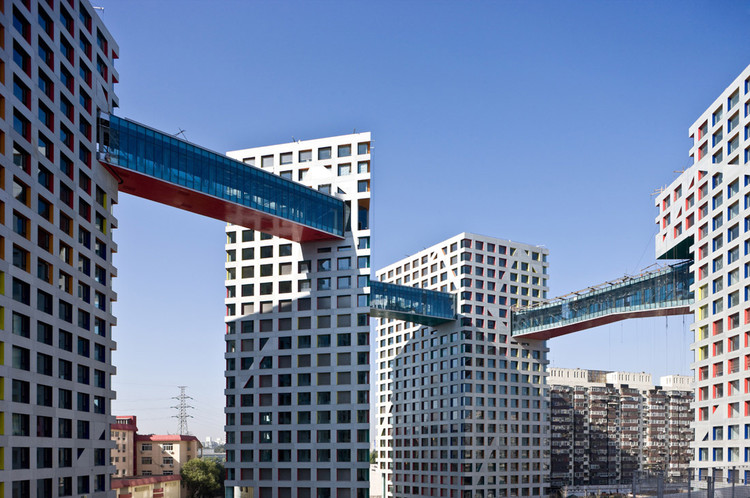
As the founder of Steven Holl Architects, Steven Holl (born December 9, 1947) is recognized as one of the world's leading architects, having received prestigious awards for his contributions to design over the course of nearly forty years in practice, including the prestigious Alvar Aalto Medal in 1998, the AIA Gold Medal in in 2012, and the 2014 Praemium Imperiale. In 1991, Time Magazine named Holl America's Best Architect. He is revered for his ability to harness light to create structures with remarkable sensitivity to their locations, while his written works have been published in many preeminent volumes, sometimes collaborating with world-renowned architectural thinkers such as Juhani Pallasmaa and Alberto Pérez-Gómez.
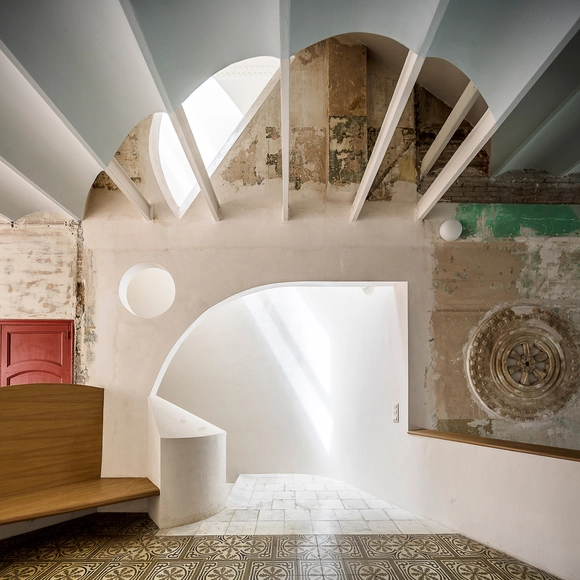
The Architectural Review has announced that Sala Beckett by Flores & Prats is the winner of the 2019 AR New into Old awards. The project was selected by a panel of judges for its inventive re-use, and it was awarded alongside two Highly Commended and three Commended buildings for sustainable alternatives to building anew. The AR New into Old awards celebrate the creative ways buildings are adapted and remodeled to welcome new contemporary uses.






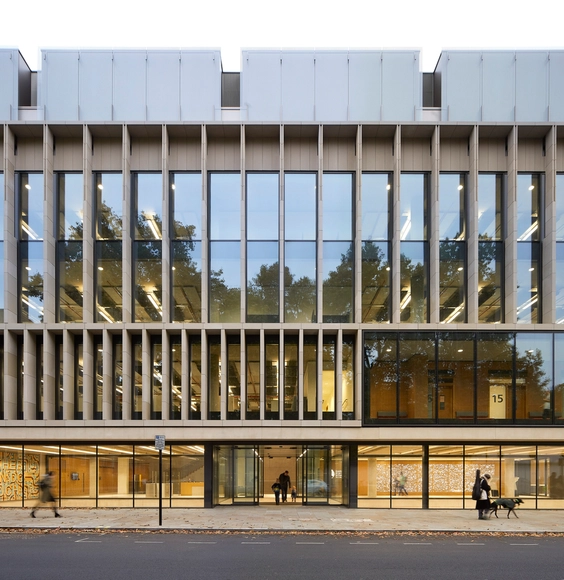


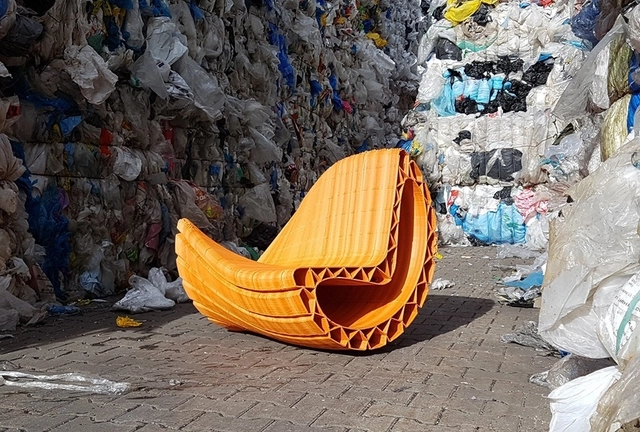


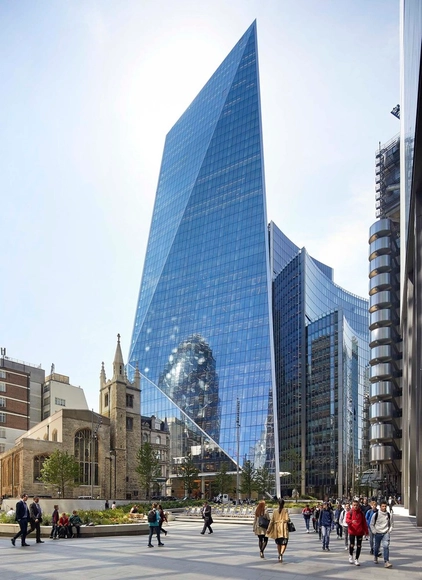


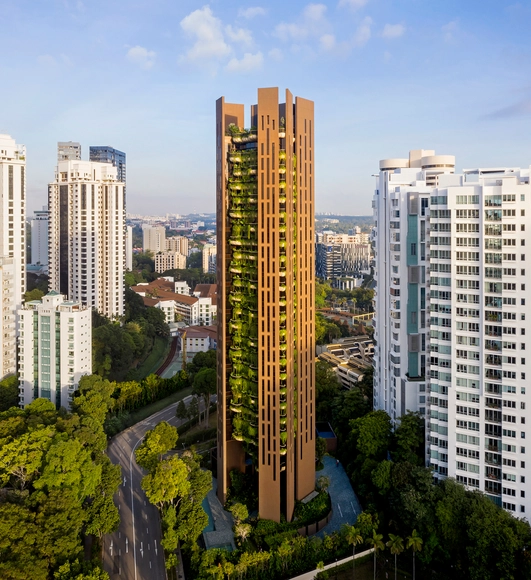



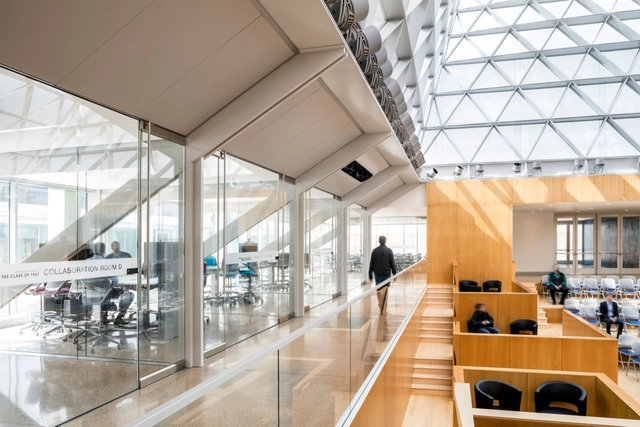
_SOM.jpg?1585002574&format=webp&width=230&height=230&crop=true)

_Lucas_Blair_Simpson.jpg?1585002625&format=webp&width=230&height=230&crop=true)
_Benny_Chan___Fotoworks.jpg?1585002553&format=webp&width=230&height=230&crop=true)

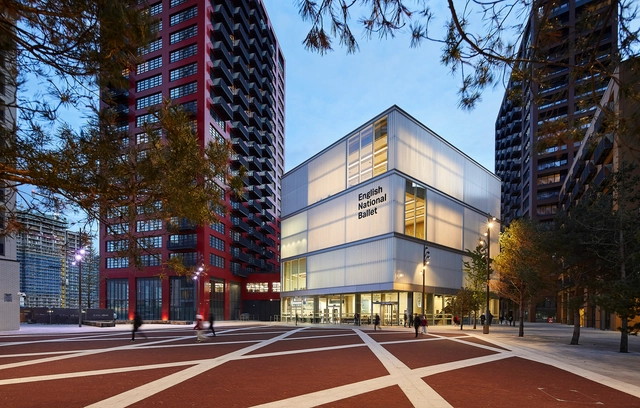


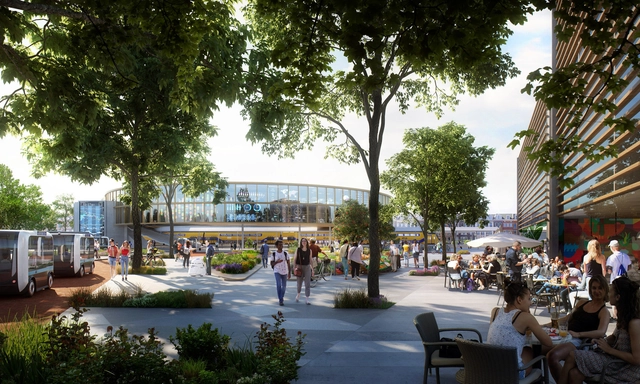
JakubCervenkai_1_(131_of_589).jpg?1584354067&format=webp&width=230&height=230&crop=true)


TomasPrinc-265.jpg?1584353916&format=webp&width=230&height=230&crop=true)