

-
Architects: IR arquitectura
- Year: 2020
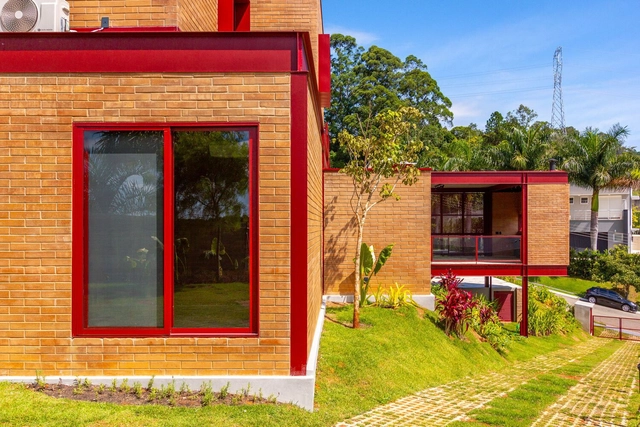
Although the use of color can be employed to hide or disguise a specific characteristic, it can also be used to highlight them. Within the Latin American territory, we can observe that shades of red, green, and blue have predominated in residential architecture, aiming to integrate a language appropriate to the context in which it is implemented.
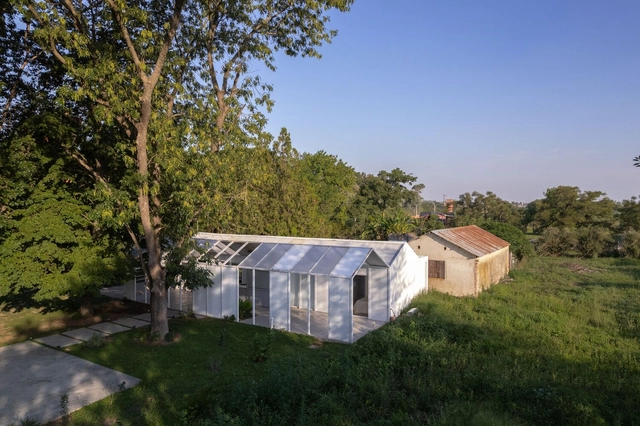
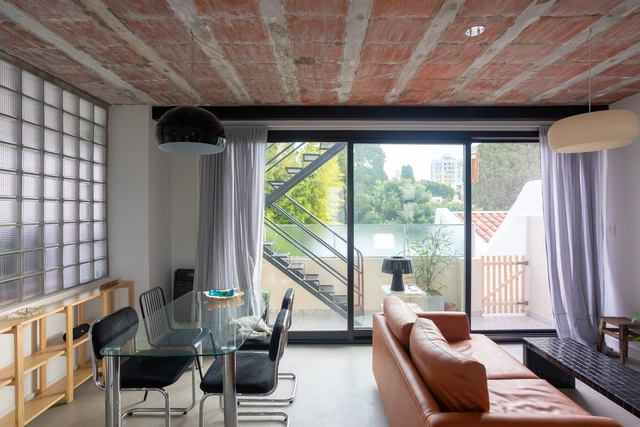
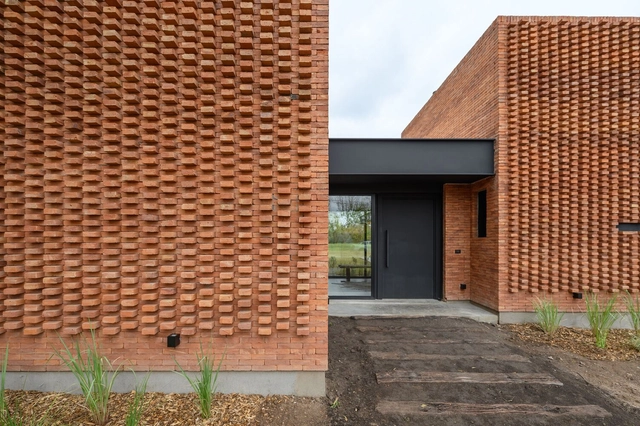
The process of materializing architectural ideas involves taking into account various construction and economic factors, among others, which in one way or another will have an impact on the quality of life of its future inhabitants or users. Achieving the highest thermal comfort in interior spaces and achieving the lowest possible environmental impact are just some of the objectives that architecture professionals set for themselves when designing and defining the materials that will accompany their projects.
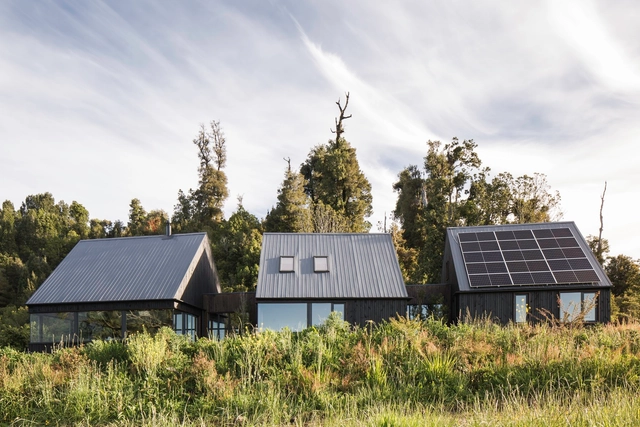
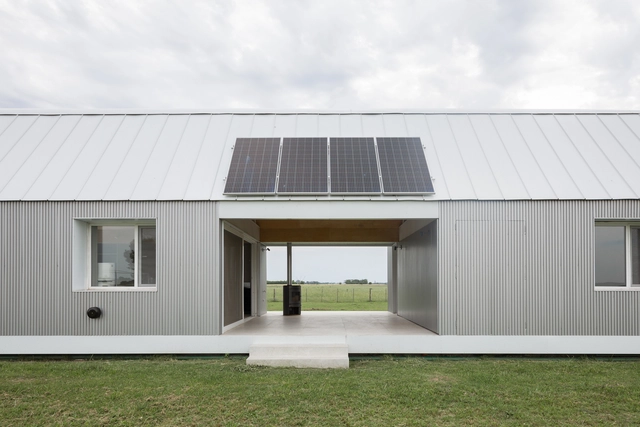
What design strategies or new technologies can be integrated into architectural design without compromising the environment? In recent years, renewable energy has been gaining significant momentum worldwide, and photovoltaic solar energy is one of many showing exponential growth.
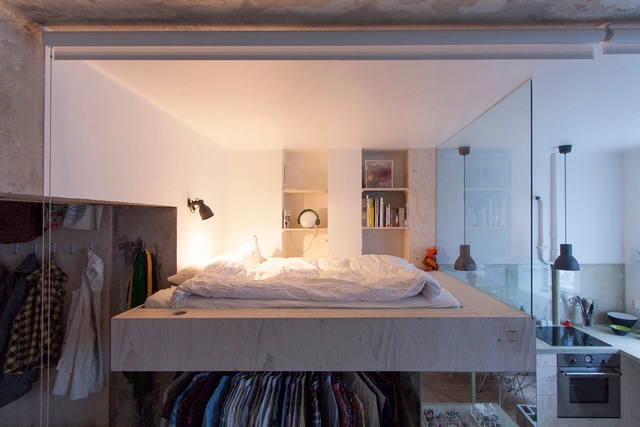
Over the last few years, we have explored different ways of taking advantage of small spaces in residential architecture. From efficient furniture to kitchens with transformable systems to adapting essential household appliances, architects have begun looking for effective ways of optimizing scarce floor space or making spaces more flexible in multifunctional and mixed-use typologies.
The bed, as an indispensable element, is an essential consideration in these experiments. Its functions can be fulfilled without completely losing the valuable space it occupies, and the bedroom experience can be enriched with careful thought. How can we reinvent and take advantage of the opportunities of the traditional bed?
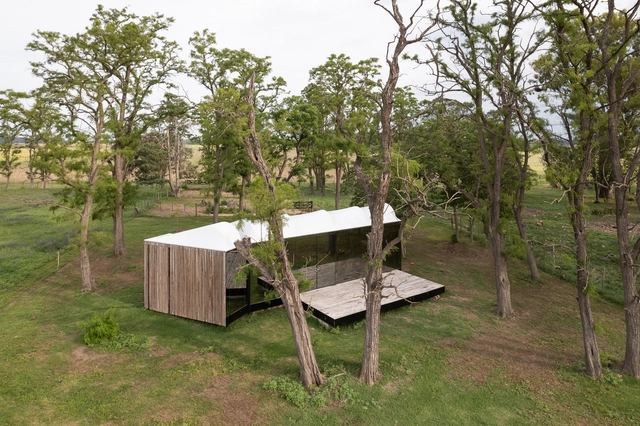
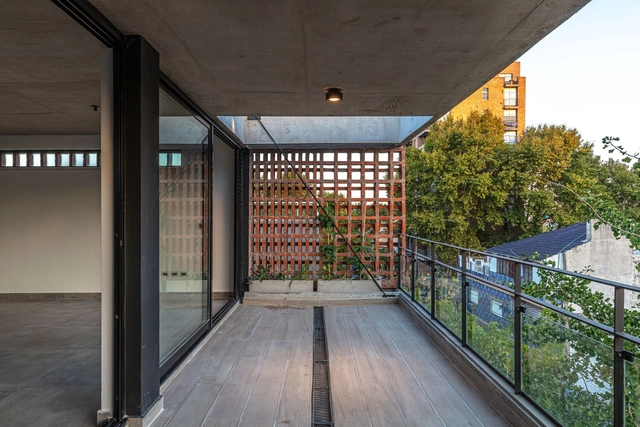
The search for outdoor spaces in dense city dwellings has become for some a necessity and for others a requirement to be fulfilled. In short, it is one of the most sought-after commissions that architects around the world receive on a daily basis. Beyond the fact that this phenomenon has been accentuated during the Covid-19 pandemic, since their origins, these expansion spaces have been conceived not only to increase the use of natural lighting and ventilation but also to promote the indoor-outdoor relationship, giving the possibility to accommodate various uses and functions even when square meters are scarce or when the connection with nature is glimpsed far over the horizon.
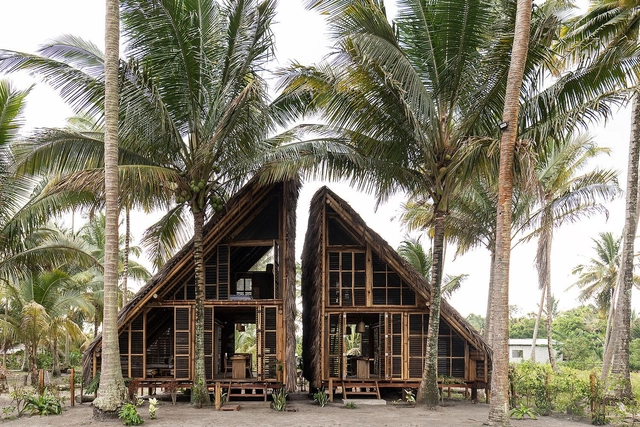
The Latin American Architecture Biennale (BAL) provides a perspective on the architectural scene—a bridge between Latin America and Spain. Currently organized by the AREA association in collaboration with the Pamplona City Council, the Basque-Navarre Association of Architects, the Government of Navarra, and the Ministry of Development, the event takes place primarily in Pamplona, with extensions in Madrid and Barcelona, alongside a traveling exhibition across the country.
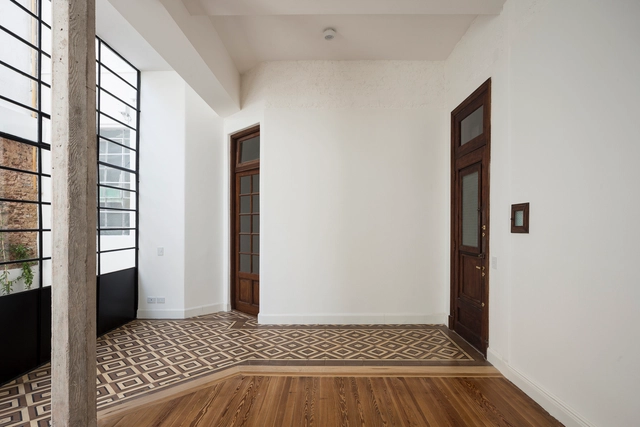
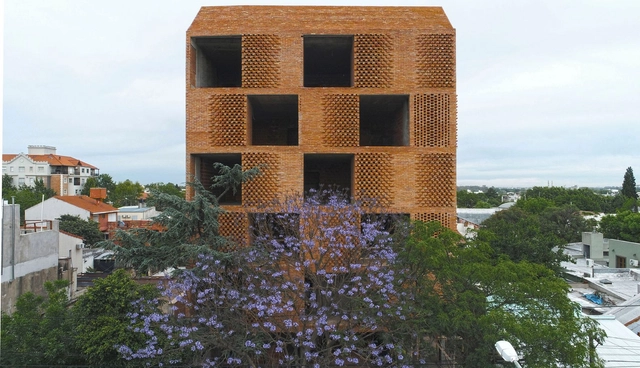
During the fourth day of the 18th Buenos Aires International Biennial of Architecture, the Biennial Awards were announced, highlighting architectural projects and works developed over the last four years both nationally and internationally. Awarded by the Biennial's Steering Committee, the categories spanned from single-family housing, multi-family housing, and interior design to landscape, urban space, and public and private facilities.
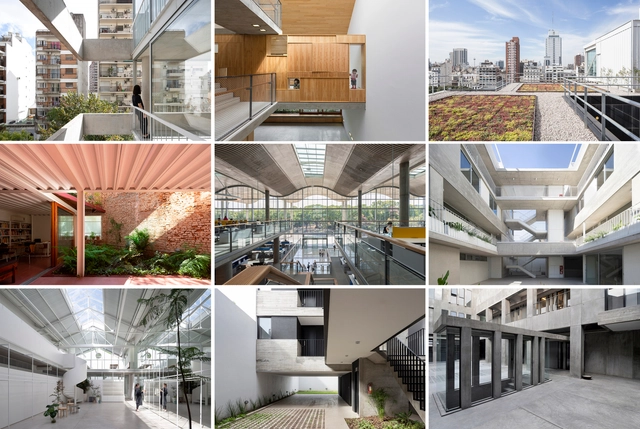
To celebrate its tenth edition, Open House will open the doors of more than 160 spaces and buildings of great architectural, cultural, and heritage value in the Autonomous City of Buenos Aires on October 1 and 2, 2022. As it does every year, this architecture and urbanism festival will offer the public the opportunity to rediscover the city's architecture and urban design, as well as its people, stories, and anecdotes, through free activities, visits, gatherings, and tours.
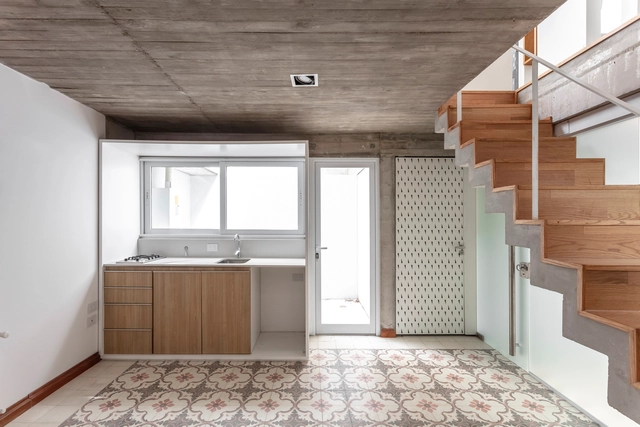
In large cities, it is becoming increasingly common to find buildings that are capable of admitting different configurations and layouts in their internal spaces. Towards the end of the 1960s, duplex typologies began to appear in buildings in the city of Buenos Aires, when the Building Code allowed them to be located in the obligatory setbacks of the upper floors.
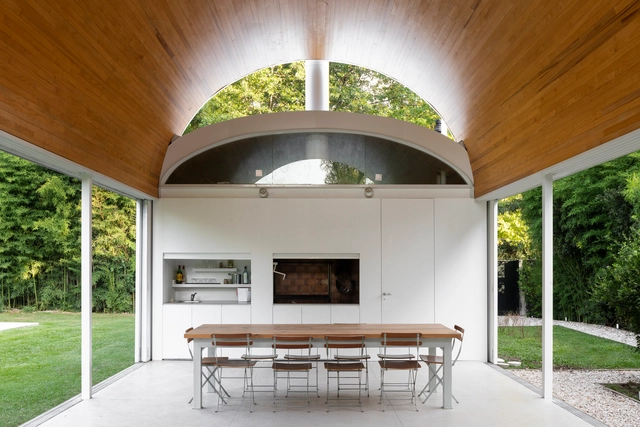
As a protagonist of the Argentinean culinary scene, the barbecue plays a prominent role. In architecture, beyond the dimensions of the spaces where they are installed, grills are consolidated as a meeting point for visitors and residents of the houses, coming into direct contact with the customs and culture of the country.


