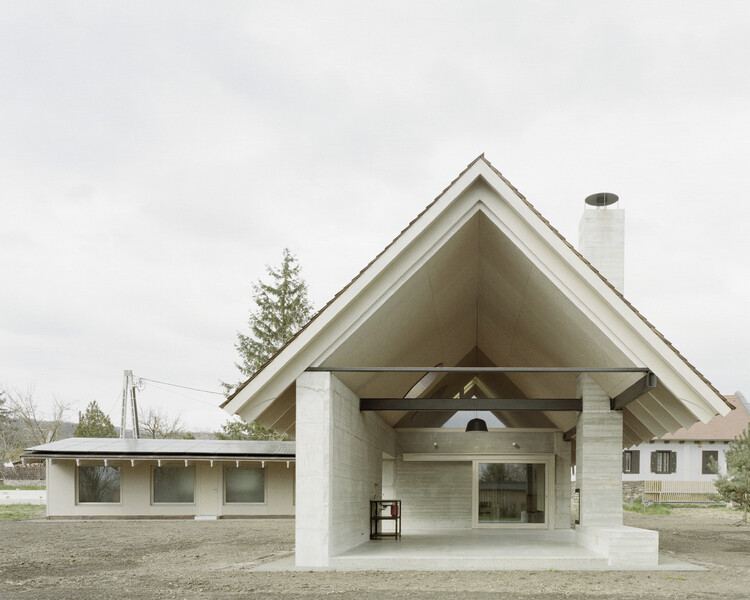
-
Architects: OKKA architects
- Area: 81 m²
- Year: 2024

Nature-based solutions are a primary strategy for contemporary climate adaptation and urban ecological resilience, embraced by cities regardless of their geography or climate zone. Green roofs, urban forests, bioswales, expanding tree canopy, protected wetlands, and permeable landscapes are featured prominently in municipal adaptation plans. These interventions are deployed across neighborhoods, distributed through street networks, and measured by hectares restored, trees planted, stormwater retained, or temperatures reduced. This shift expands the role of ecology within cities, establishing environmental elements as infrastructure systems and providing planners with a grounded framework for integrating natural systems into urban development.

Hungary's architectural landscape spent the socialist decades being redrawn from above, its cooperative farms consolidated out of family plots and its standardized housing blocks distributed across the territory in a form that would have been identical anywhere else. The sociologist Virág Molnár, whose Building the State traces the political uses of architecture in postwar Hungary and East Germany, has made the case that this reshaping of the built environment was one of the political project's primary instruments and not a byproduct of it, a mobilization that carried through socialist modernization and into the transition that followed. The British critic Owen Hatherley, whose Landscapes of Communism explores the housing estates of Budapest alongside those of Warsaw and Kyiv, describes the far end of that same inheritance, where buildings have outlasted the ideology that commissioned them and remain occupied by people with little stake in defending the reasoning behind them.

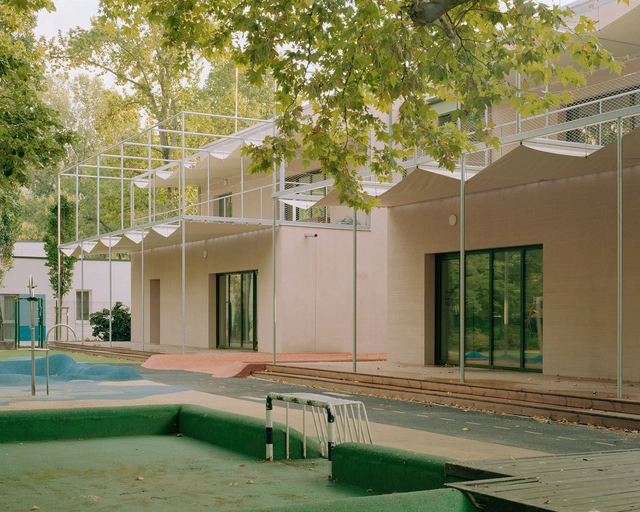
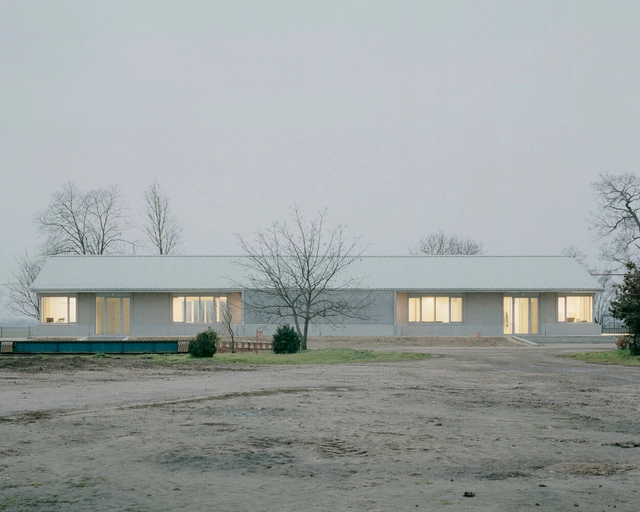
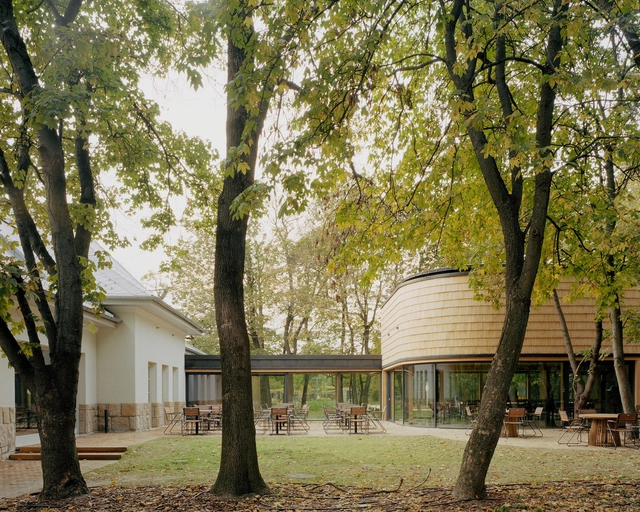
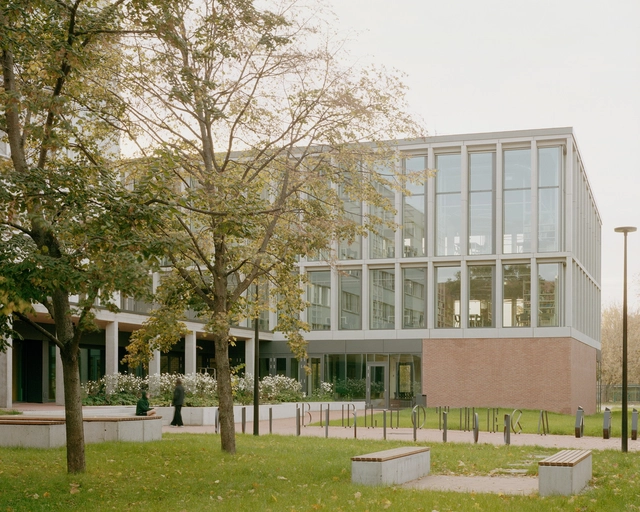
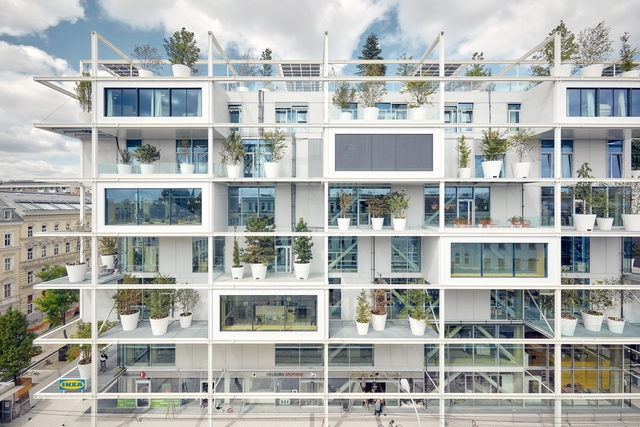
The European Commission and the Fundació Mies van der Rohe have announced the 2024 European Union Prize for Contemporary Architecture / Mies van der Rohe Awards (EUmies Awards) nominees. A total of 362 works of architecture realized over 38 different European countries have been selected, marking the first stage of the EUmies Awards’ 18th cycle. In the next stage, the jury will choose 40 outstanding projects, followed by visits to the finalists and interviews with the architects, their teams, and the project clients.
The 2024 EUmies Awards aims to recognize the best-built works in Europe completed between April 2021 and May 2023. The selection of projects reflects the current changes within the European context, with increasing attention given to environmental, social, and economic awareness expressed through architecture, landscape architecture, urban planning, and design. This year’s jury is chaired by Frédéric Druot (Paris/Bordeaux), who will be accompanied by Martin Braathen (Oslo), Pippo Ciorra (Rome), Tinatin Gurgenidze (Tbilisi/Berlin), Adriana Krnáčová (Prague), Sala Makumbundu (Luxembourg), and Hrvoje Njiric (Zagreb).