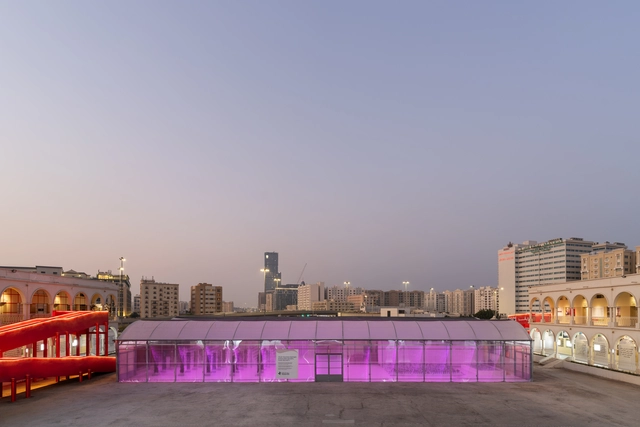
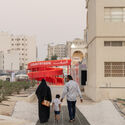
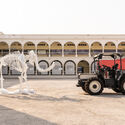
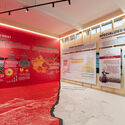
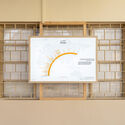
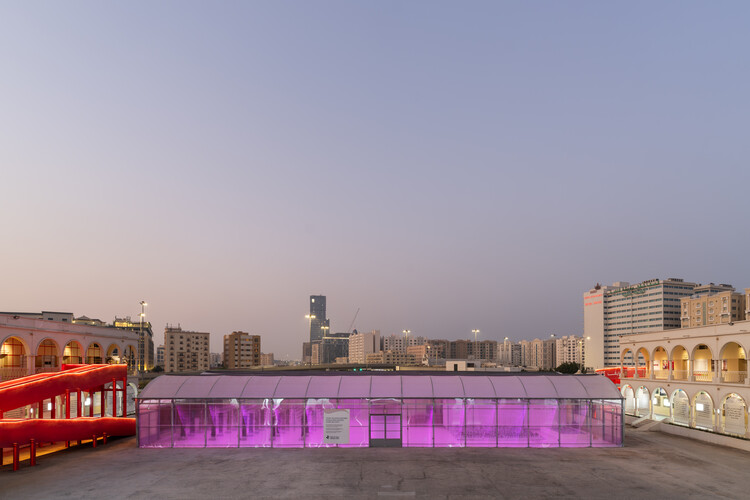
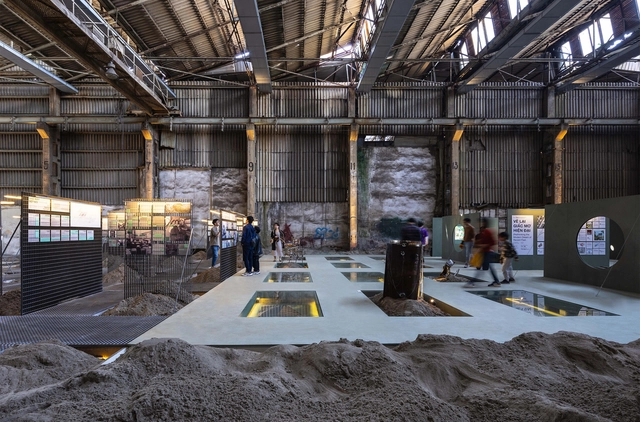
Countryside: A Place to Live, Not to Leave by AMO / OMA presents an exploration of contemporary life beyond the city, examining how rural territories adapt to global transformation. Conceived under the direction of Rem Koolhaas and Samir Bantal, with Yotam Ben Hur as project architect, the exhibition is presented by Qatar Museums in collaboration with the Qatar Fund for Development (QFFD), the Ministry of Environment and Climate Change (MoECC), Hassad Food, and Kahramaa. It is hosted across two venues in Doha, the Qatar Preparatory School and the National Museum of Qatar, and remains accessible to the public until June 30, 2026.
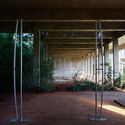
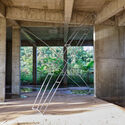
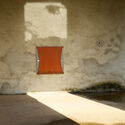
On the Other Side of Languish exhibition by Reginald Sylvester II. Debut exhibition of the Limbo Museum in Ghana, West Africa. Image Courtesy of Limbo Museum
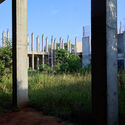
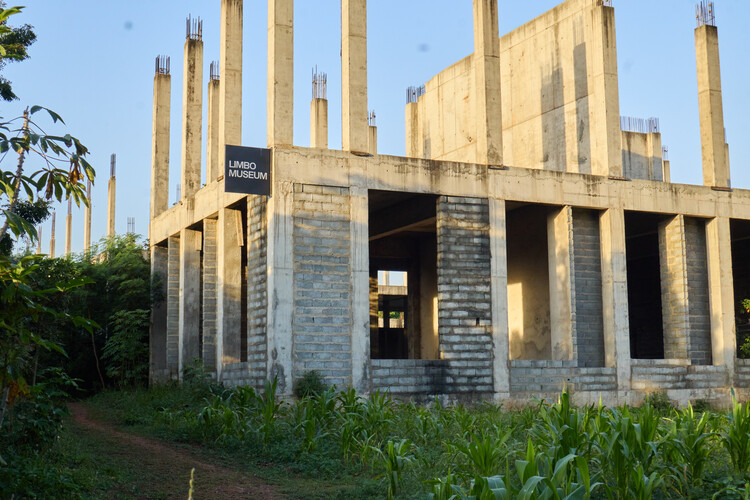
The Limbo Museum is a new institution dedicated to architecture, art, and design based in Ghana, West Africa. The museum challenges the concept of the ruin, operating from a formerly abandoned Brutalist estate that currently conveys the image of an unfinished building. The project was founded by Limbo Accra, a spatial design and research-based practice established in 2018 by Dominique Petit-Frère and Emil Grip, dedicated to "unlocking the potential of unfinished buildings across West Africa and beyond." On October 31, 2025, the museum opened its first public exhibition, On the Other Side of Languish by Reginald Sylvester II, developed through the institution's visiting artist residency program.
Coding Plants: An Artificial Reef and Living Kelp Archive. Courtesy of Terreform ONE
This curated selection of projects from the 2025 Venice Architecture Biennale explores how architects and designers are rethinking the relationship between the built environment and water in response to the global climate crisis. As sea levels rise and extreme weather events increase, water is no longer a distant threat but an immediate design condition. Rather than resisting it, these projects look at how architecture can coexist with, adapt to, and even regenerate through natural forces. Together, they suggest a shift toward working with the elements, acknowledging water not as a limit to construction but as an active participant in shaping future environments.
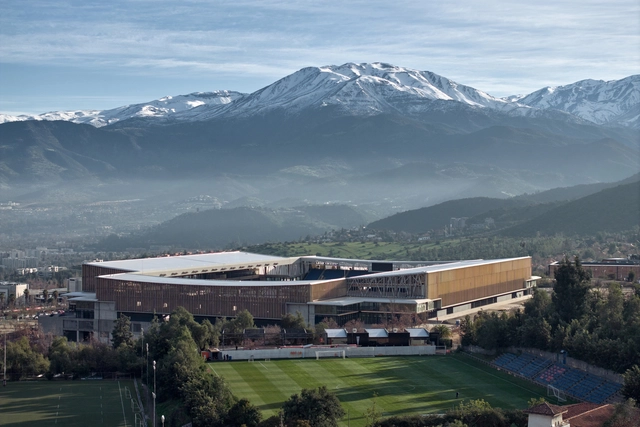
The history of the Olympic Games, while marked by athletic achievement, is consistently contrasted by infrastructure challenges. Across host cities, from Athens to Rio and Beijing, similar issues arise: significant cost overruns and the complex issue of legacy. The big question is: What is the best viable long-term use for purpose-built sport venues? Montreal's 1976 Games shared this fate after building an Olympic Park that faced heavy criticism for cost overruns and debt from specialized construction. Post-Games, venues like the Montreal Velodrome risked becoming a financial burden. However, the city demonstrated a proactive response by proposing the transformation of the building into a thriving civic asset that now stands as an internationally recognized example of successful Olympic venue repurposing.
Architecture is being reshaped by artificial intelligence, climate change, and shifting social structures. At SCI-Arc, students learn to face these challenges head-on, using design to shape a rapidly changing world.
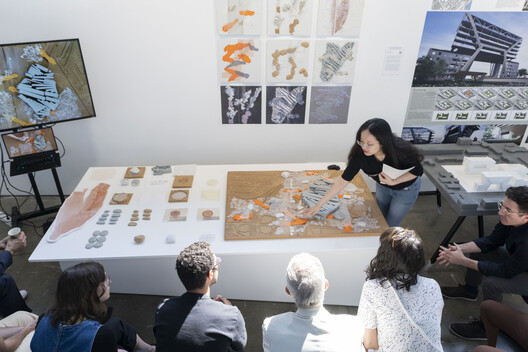
This fall, SCI-Arc's upper-level Vertical Studios bring the world into the studio. Each is led by a practicing architect working at the forefront of the field—from experimental fabrication to urban and environmental design. Drawing on real projects and professional experience, faculty challenge students to engage with the realities of the present and to design with precision, empathy, and imagination.
Behind layers of plaster, paint, and finishes lies an intricate network of pipes, electrical conduits, beams, and other structural elements that make a building function and stand, yet remain invisible to the everyday eye. Within these layers, traces of different periods accumulate: replaced systems, improvised adaptations, and technical solutions that once responded to specific contexts and urgencies. In adaptive reuse, the greatest challenge often begins before construction even starts, which is understanding what lies within when little or no reliable documentation exists. During a renovation, pleasant or unpleasant surprises are inevitable. The unexpected is part of the process, but it also represents cost, delay, and risk factors that often discourage investors and professionals from engaging in this type of project.
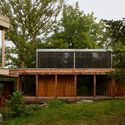
This international competition invited architects to design a boutique wellness retreat along the serene banks of the Vez River in northern Portugal. The project challenged participants to propose a space of tranquility and renewal that would harmonize with its extraordinary natural setting and complement a restored historic watermill already on site. The project partner, the site landowner, plans to construct one of the winning entries.
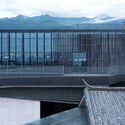
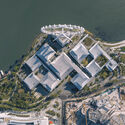
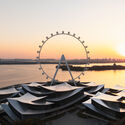
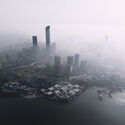
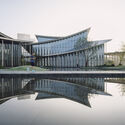
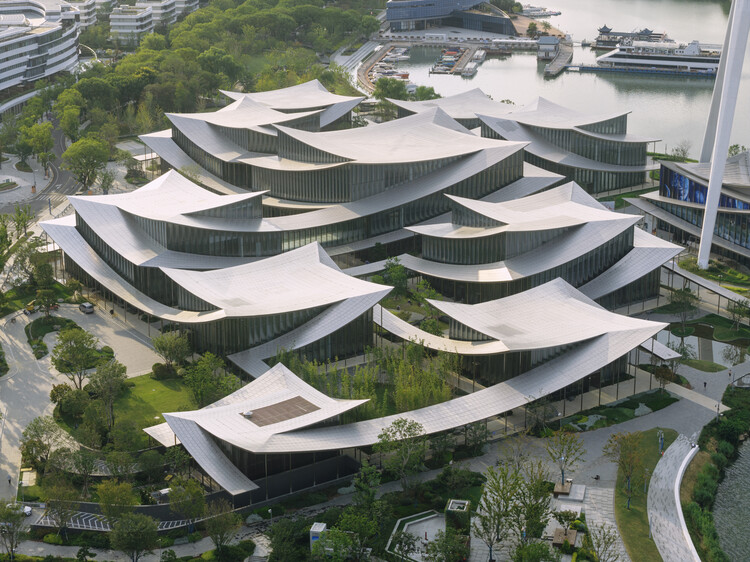
The Suzhou Museum of Contemporary Art (Suzhou MoCA), designed by BIG – Bjarke Ingels Group, is nearing completion along the Jinji Lake waterfront in Suzhou, China. Conceived as a cluster of twelve pavilions beneath a continuous, ribbon-like roof, the 60,000-square-meter complex reinterprets the traditional garden architecture that has long defined Suzhou's urban and cultural identity. Commissioned by the Suzhou Harmony Development Group and developed in collaboration with ARTS Group and Front Inc., the project is expected to open officially in 2026. The museum will debut with "Materialism," an exhibition curated by BIG that traces a material journey from stone to recyclate.