
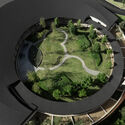

-
Architects: MOBIUS STUDIO - Design Creator
- Area: 3500 m²
- Year: 2024


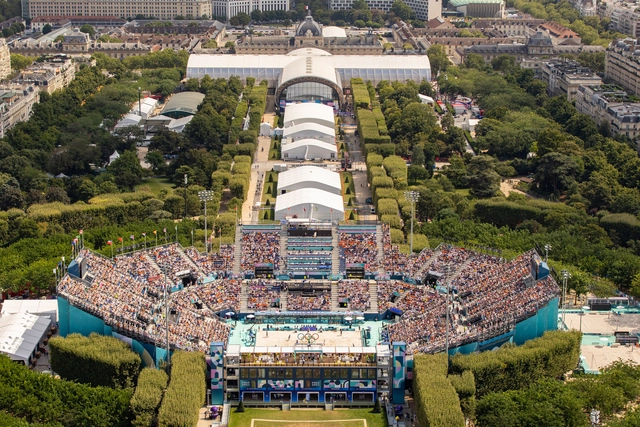
To take advantage of the historic heritage of the city of Paris while also minimizing the impact of the Olympics, the Paris 2024 Games are organizing a set of temporary arenas and installations to host several key competitions, only to be disassembled after the games' closing. Only one sports venue has been built specifically for the 2024 Olympic Games, the Aquatics Centre Paris, as the city aims to use its existing sporting infrastructure to the maximum, ensuring a smaller footprint compared to previous editions. In addition to the established venues, key temporary sites include the Trocadéro, Eiffel Tower, Champ-de-Mars, Esplanade des Invalides, Pont Alexandre III, Place de la Concorde, and Place de l’Hôtel de Ville, with additional stands along the Seine for the Opening Ceremony.
The assembly and disassembly of these temporary sites will follow a step-by-step approach to minimize disruption. Geographical phasing will preserve traffic lanes and access to public spaces, while time phasing will gradually activate and deactivate competition perimeters to limit construction impact and quickly restore spaces post-Games. These measures align with Paris 2024's commitment to organizing responsible and respectful Games and preserving the city's urban and natural heritage.
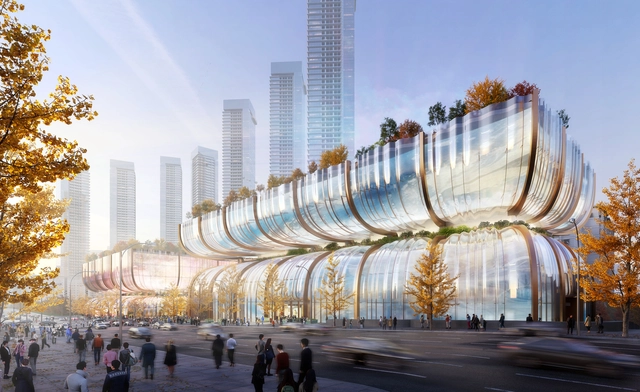
Heatherwick Studio has just announced its design for transforming Seoul’s renowned Hanwha Galleria. Following a competition aimed at reimagining six sites across the South Korean capital, Heatherwick Studio seeks to highlight South Korea’s rising status as a global cultural hub. Featuring two twin hourglass-shaped structures, the proposed design challenge traditionally designed luxury department stores worldwide.
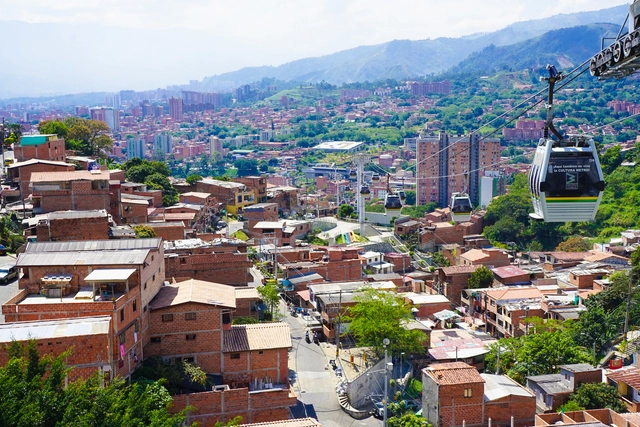
Recent news headlines from the African continent show a variety of urgent issues affecting urban centers: severe flooding threatens Kenya's capital, Nairobi; the light rail system in Addis Ababa, Ethiopia, is faltering after a successful start. Meanwhile, in Egypt's capital, Cairo, new infrastructure and housing expenditures proved too steep and necessitated a government bailout. African cities face a plethora of problems but they also hold the potential to improve countless lives. As South America shares stark similarities in its history with that of Africa, it could provide both a point of reference and a positive example for tackling these concerns at an urban level.

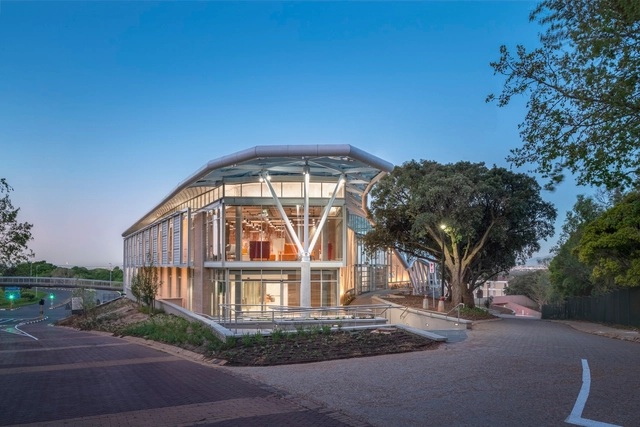
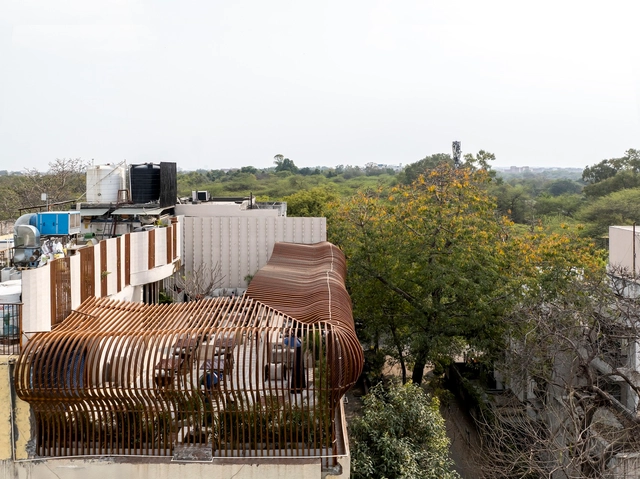
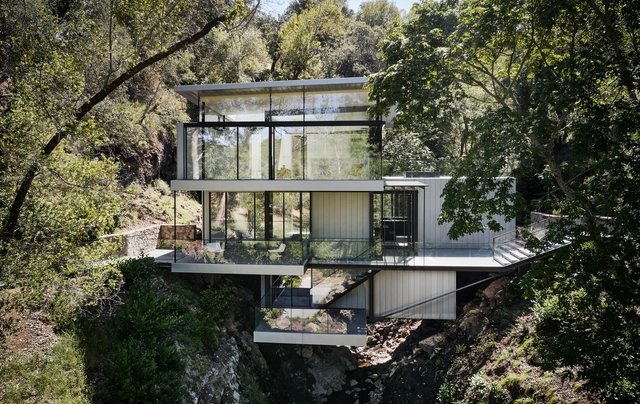


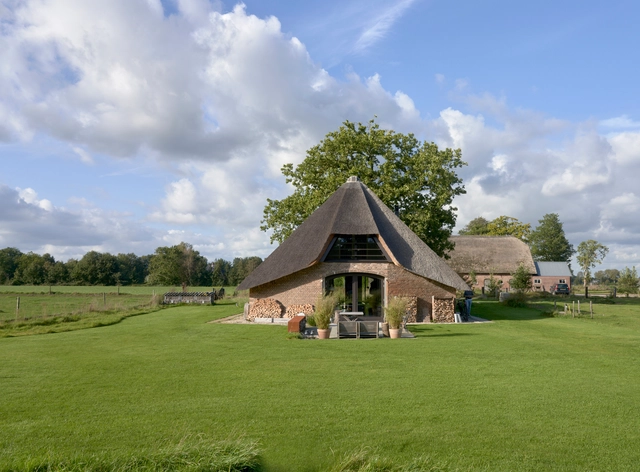
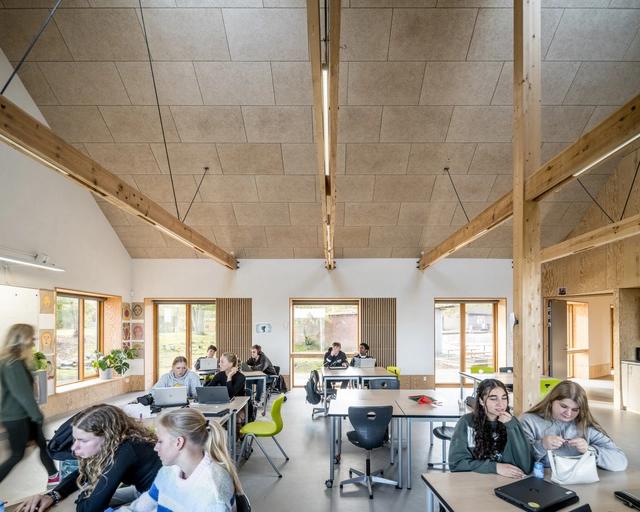
For decades, the construction industry followed a familiar rhythm: design came first, materials followed. The pressing need for sustainable buildings has shattered this routine. Material selection is no longer an afterthought, but a critical decision made at the outset, with the potential to dramatically reduce a project's environmental footprint. This shift is even more crucial given the construction industry's appetite for raw materials – a staggering 3 billion tons extracted annually. To navigate this new landscape, digital material libraries and data-driven evaluation are emerging as powerful tools, creating a culture where materiality takes center stage to shape a more sustainable built environment.


For over 50 years, SCI-Arc has driven students to advance design stewardship in new directions. Renowned for its avant-garde approach and its commitment to pushing the boundaries of architecture, SCI-Arc's Master of Architecture 1 (M.Arch 1) program exemplifies these qualities through a uniquely structured and forward-thinking curriculum. Fostering technical expertise and critical discourse, the M.Arch 1 program propels graduates to lifelong success in not only architecture but also in leading creative fields like AI, gaming, virtual reality, and film-based world building.
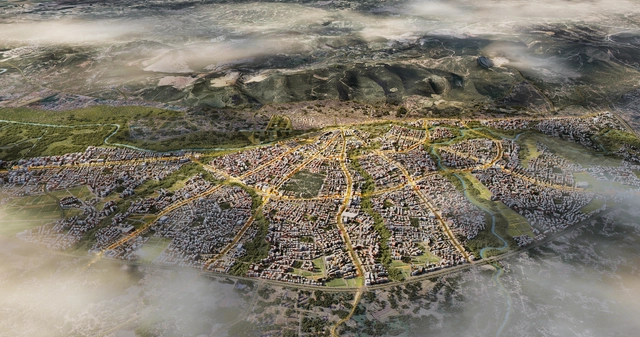
As part of a wider design-led revitalization process, Türkiye Design Council has announced a new urban plan for the revitalization of Antakya and the wider Hatay province in Türkiye, an area heavily affected by the Türkiye-Syria earthquake on 6 February 2023. The master plan has been developed by Foster + Partners, Buro Happold, MIC-HUB, along with Turkish practices DB Architects, and KEYM Urban Renewal Centre. The plan covers a 30-square-kilometer area of Antakya, the capital district of Hatay, and an important urban center of antiquity known as Antioch. Eight design principles have been outlined to guide the rebuilding efforts in an attempt to maintain the spirit of the city, which suffered extensive damages estimated at 80 percent.