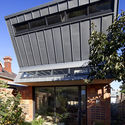
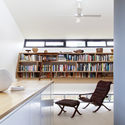
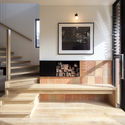
-
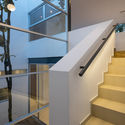
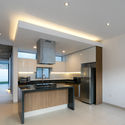
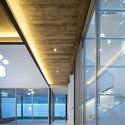
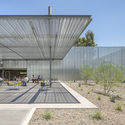
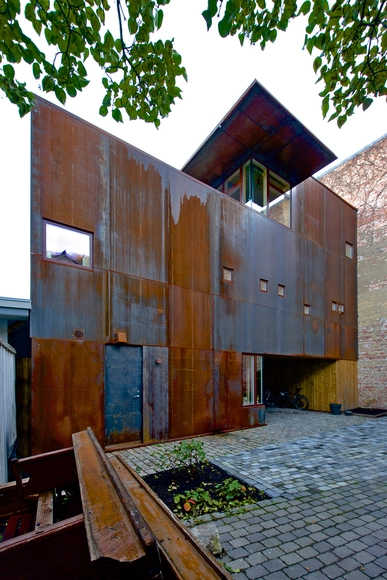
Architects: Idle Architecture Studio
- Area: 190 m²
- Year: 2015
-
Manufacturers: Krause Bricks, Selkirk, VMZINC



'Tis the season for offices, museums, photographers and collaborators from around the world to send us a bit of holiday cheer! See our favorites below (or check out our best reader-submitted cards).
Here’s to a wonderful, architecture-filled 2017! See the best projects and articles published this year, here.
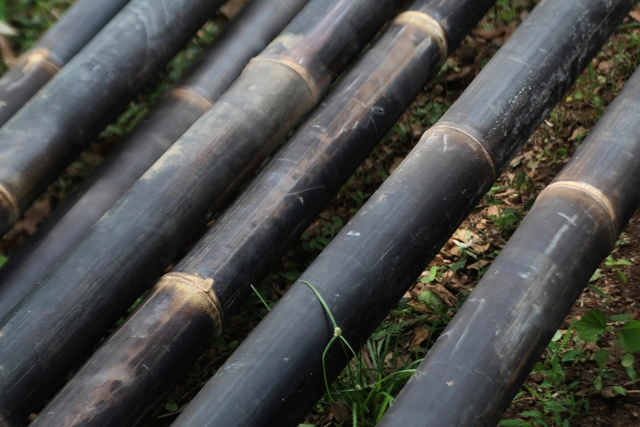
As a construction material, bamboo is resistant, versatile, grows rapidly and is immensely friendly with its own ecosystem and its agroforestry environment. In addition, it presents a large number of species that deliver different diameters and heights. But are there also variations in its color?
We are truly impressed with the work of architects, builders, and artisans who use 'blond bamboo,' which moves between yellow and brown tones. These species are abundant and easy to harvest, and therefore are more common and accessible. However, there are a number of species that have a darker coloration and could revolutionize bamboo architecture in the future. Here we present black bamboo.
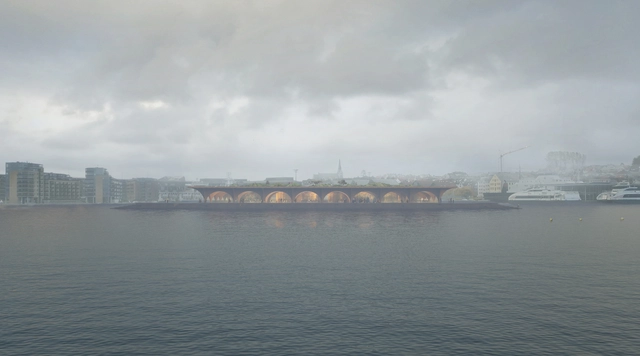
Soon the people of Stavanger, Norway will get to see the LERVIG beer brewing process at the new 11,000 square meter visitor center and brewery designed by Danish architects COBE. An iconic focal point on what was once an industrial pier, the building will offer many new amenities to central Stavanger. The brewery will be encircled by public spaces such as a harbour bath and Norway’s first west-coast ‘street-food’ market, complete with a green roof above. From these periphery spaces, guests will be able to view the brew tanks and fermentation process happening in the heart of the building.
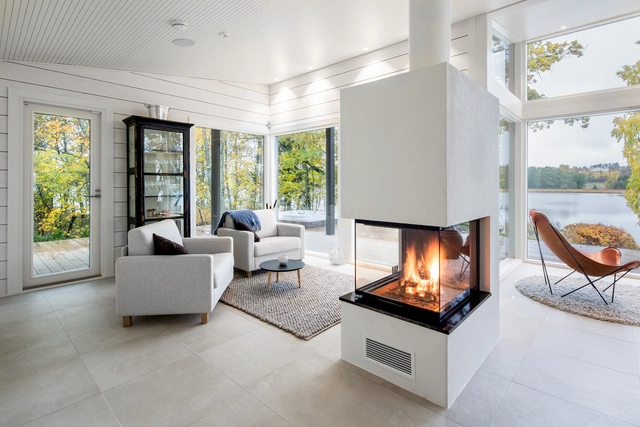

December 21 saw the winter solstice in the northern hemisphere. The season is an excellent time to take architectural photographs in a unique and different landscape, with a blanket of snow providing a reminder of the delights of nature. Here, we present a selection of 10 cabins captured in winter by prominent photographers such as Tim Bies, Fernando Alda and Pasi Aalto.
Japan's renowned architect Kengo Kuma is the latest to feature in PLANE—SITE's video series Time-Space-Existence, exploring the inner workings of his Tokyo office and how the Japanese financial crisis of the early 1990s shaped his firm.

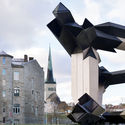
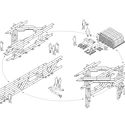
Out of 200 applicants, London-based Gilles Retsin Architecture won the Tallinn Architecture Biennale 2017 competition with their temporary outdoor installation. Participants were challenged to use the fabrication abilities of Estonian wooden house manufacturers in a new and creative way. Jury member Martin Tamke said the Retsin proposal is, “characterized by outstanding aesthetic and intellectually challenging, as it questions current beliefs and trends in architecture."


.jpg?1513747529&format=webp&width=640&height=580)
Last week marked the opening of Canada’s first ever funicular in downtown Edmonton, a cable-mechanized incline elevator aimed at making the city’s largest green space more accessible.
Publically funded, the $24million project features the 100 Street Funicular to transport mobility aids, strollers, and bikes, as well as a generous staircase for walking, running and lounging. Concrete sitting blocks are dispersed up the 170 steps from a promenade at the bottom. Visitors can walk along the promenade to a lookout point or ascend the stairs or funicular to the raised lookout for extensive views of the river valley.
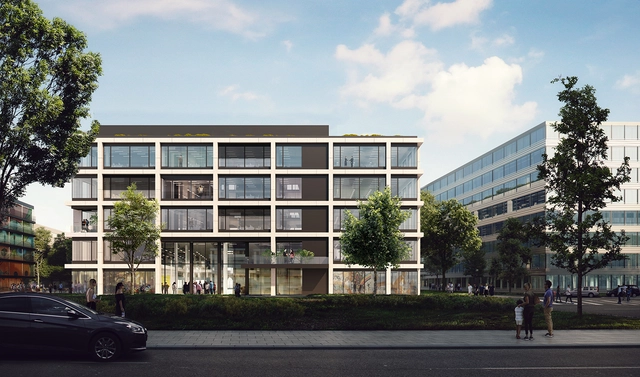
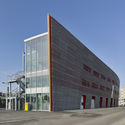
Netherlands based KAAN Architecten won R&S Realty II’s competition to design three office building facades for Munich’s new iCampus. Located in the Werksviertel district, the project adds a contemporary layer to this creative, industrial neighborhood.
RKW Architektur + strove to represent today’s creative industry through transparent loft spaces in the design of office buildings named Alpha, Beta, and Gamma. KAAN’s facades for the buildings maintain the architectural identity while being their own distinctive elements.
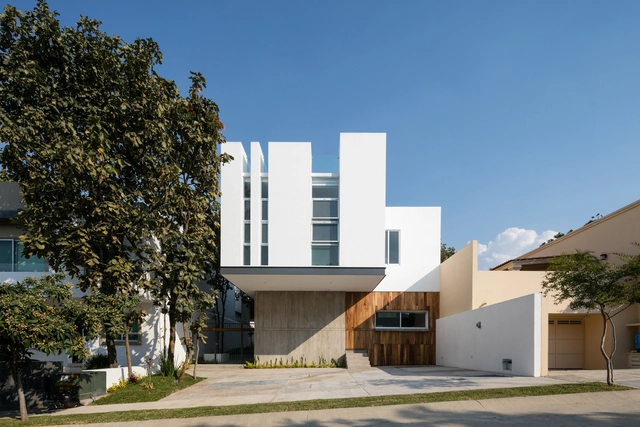
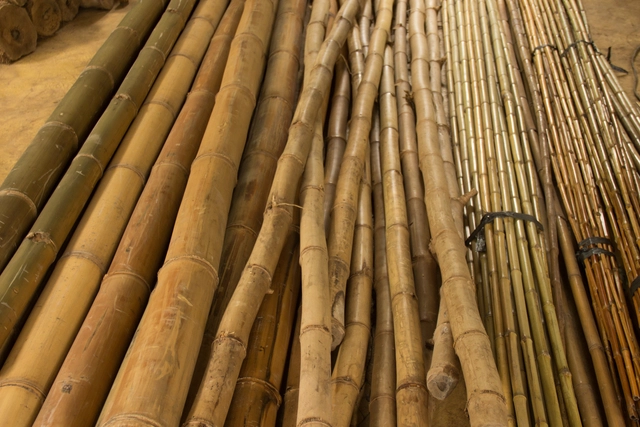
"Bamboo is close to an ideal structural material." This statement by Neil Thomas during his talk at Bamboo U, which took place in November 2017 in Bali, really caught my attention. Neil is the founding director of atelier one, a London office of structural engineering, whose outstanding projects include stage and scenography for the Rolling Stones, Pink Floyd, and U2; art installations by Anish Kapoor and Marc Quinn; the Gardens by the Bay, in Singapore, among many others. From the last few years, the engineer has exhaustively studied about bamboo, its structural properties and its most diverse potential.

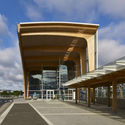
How does contemporary religious architecture adapt to the needs of the modern world? Each year, Faith & Form magazine and the Interfaith Forum on Religion, Art and Architecture (IFRAA) award acknowledges the best in religious art and architecture. This year’s winners included 27 projects spanning in religious denomination, size, and location. Beyonds this, the award recognizes three common trends present in religious architecture today: re-adaptation of existing facilities, community-based sacred spaces, and simplicity in design. Read on to see all 27 winners.







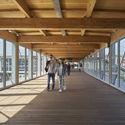


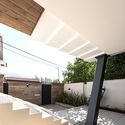
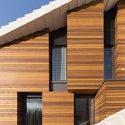
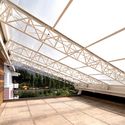

.jpg?1513747674 "© Brock Kryton")
.jpg?1513747342 "© Brock Kryton")
.jpg?1513747611 "© Brock Kryton")
.jpg?1513747258 "© Brock Kryton")
.jpg?1513747529)