

-
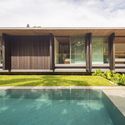
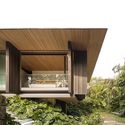
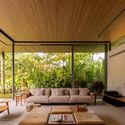
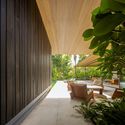
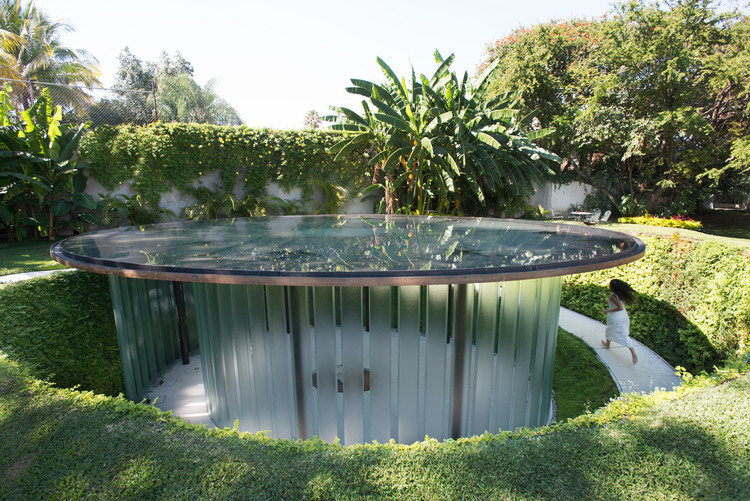
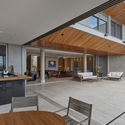
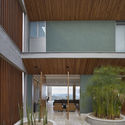
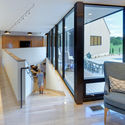
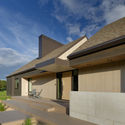
Architects: Jacobsen Arquitetura
- Area: 6027 ft²
- Year: 2019




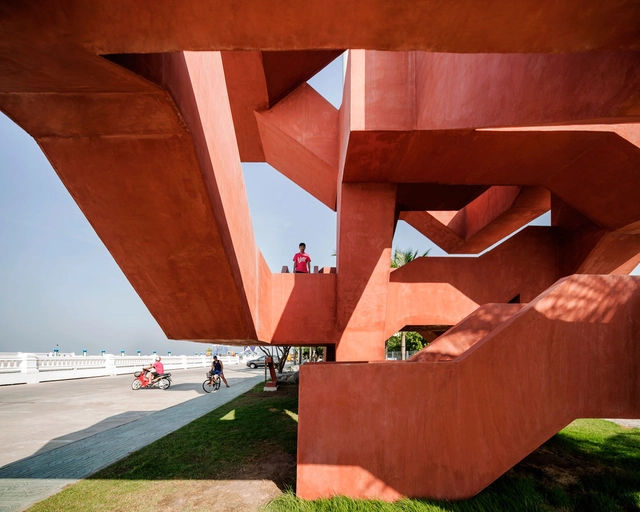


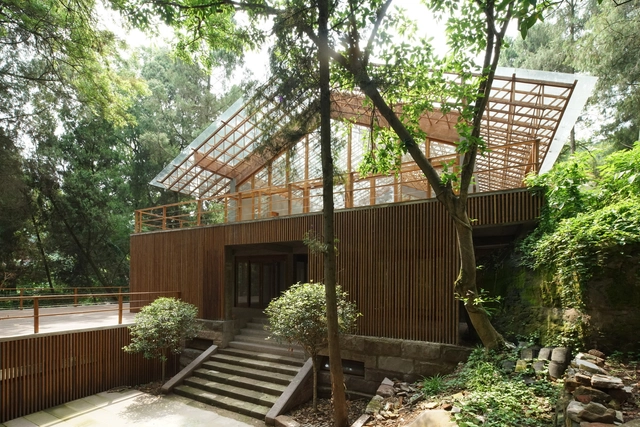
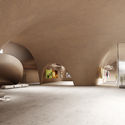
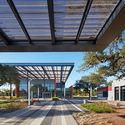
NextOffice’s Sadra Artists Forum is a public cultural center to be located in the arid suburban town of Sadra. Consisting entirely of low-lying or subterranean building levels, the project's unique structure contrasts the surrounding urban area and uniquely shapes the relationship between interior and exterior spaces.
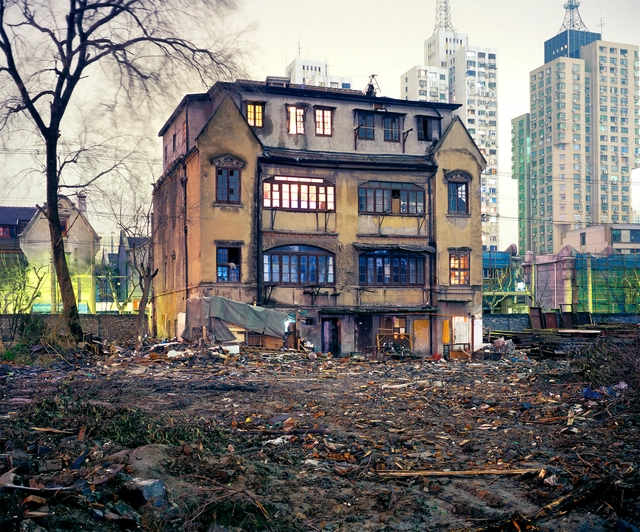
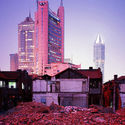
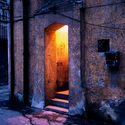
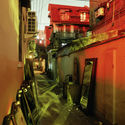
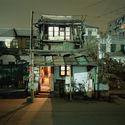
Shanghai is a city full of contradictions. Beneath the towering skyscrapers and contemporary complexes, old houses and shops are tucked away, gradually falling apart. The city's disappearing streets caught the attention of many international photographers. Some displayed the relationship between old vs new, while others focused on the historic districts and their cultural significance.
Canadian photographer Greg Girard, who spent most of his time in Asia, examined the social and physical transformations of the Chinese city and published a photo-book titled “Phantom Shanghai”.
a__samueldelmas_P1080984.jpg?1563487237&format=webp&width=640&height=580)
This article was originally published on Metropolismag.com.
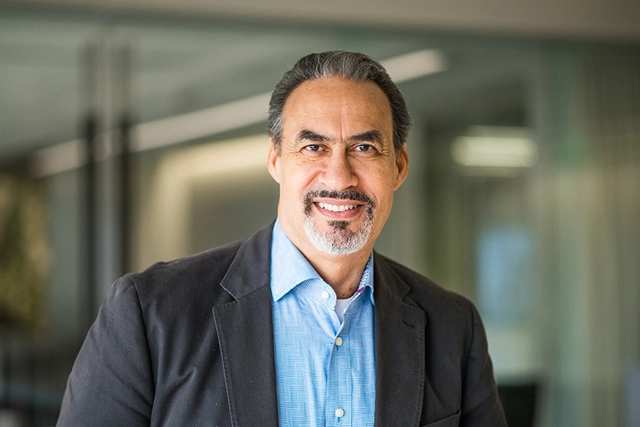
The renowned founder of his eponymous studio—which joined Perkins and Will in 2014—passed away July 9th, leaving a major legacy of built works, community engagement, and advocacy within architecture.

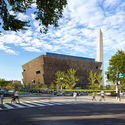
In 2016, as the three-tiered, bronze-skinned, and filigreed National Museum of African American History and Culture (NMAAHC) opened on the National Mall—a signature building of the Obama era—one of its main architects, Durham, North Carolina–based Phil Freelon, was diagnosed with the neurodegenerative disease ALS. Earlier this week, Freelon died of complications from the disease. He left behind a four-decade legacy of considered, attentive design for communities typically ignored—or worse, harmed—by processes forming the built environment.

.jpg?1563475598)
Past, Present, Future is an interview project by Itinerant Office, asking acclaimed architects to share their perspectives on the constantly evolving world of architecture. Each interview is split into three video segments: Past, Present, and Future, in which interviewees discuss their thoughts and experiences of architecture through each of those lenses. The first episode of the project featured 11 architects from Italy and the Netherlands and Episode II is comprised of interviews with 13 architects from Spain, Portugal, France, and Belgium.
The goal of the series is to research these successful firms and attempt to understand their methods and approaches. By hopefully gaining a clearer picture of what it means to be an architect in the 21st century, the videos can also serve as inspiration for the next generation of up-and-coming architects and students as they enter the field.









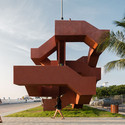
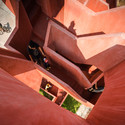
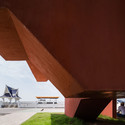


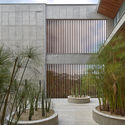







Julien_LANOO_20150401_07872_.jpg?1563488702 "© Julien Lanoo")
Julien_LANOO_20150401_08540.jpg?1563488368 "© Julien Lanoo")
a__samueldelmas_P1100117.jpg?1563487200 "© a+ samueldelmas")
Julien_LANOO_20150401_07813.jpg?1563489356 "© Julien Lanoo")
a__samueldelmas_P1080984.jpg?1563487237)
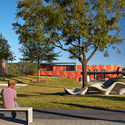


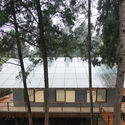
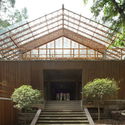
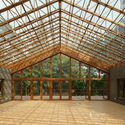

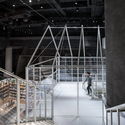

.jpg?1563468257 "Courtesy of Stéphane Beel Architects")
.jpg?1563464422 "Courtesy of Stéphane Beel Architects")
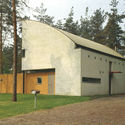
.jpg?1563467060 "Courtesy of Stéphane Beel Architects")
.jpg?1563475598)