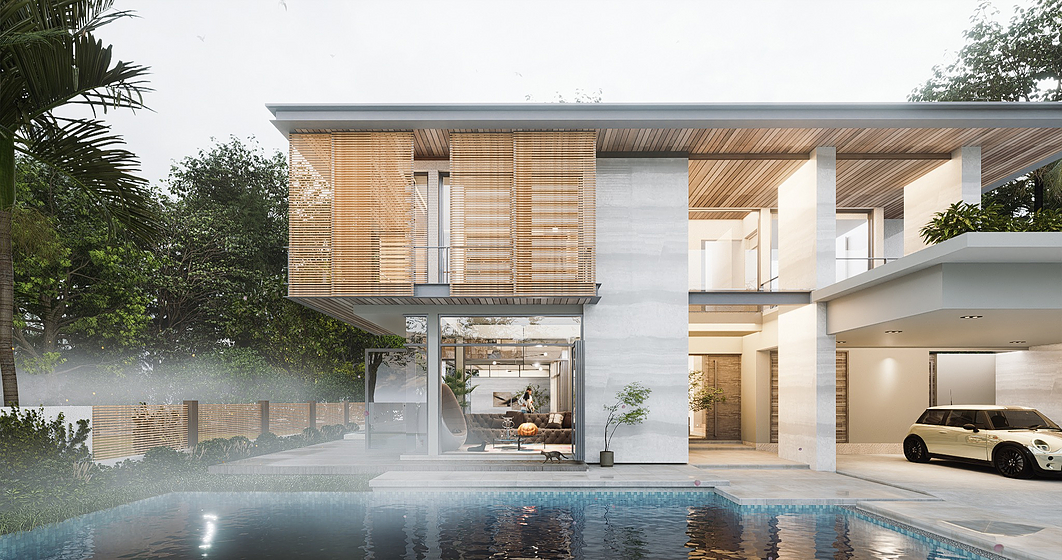
This guide shows how to use a D5 Render a free live-sync plugin to improve SketchUp workflow.


This guide shows how to use a D5 Render a free live-sync plugin to improve SketchUp workflow.
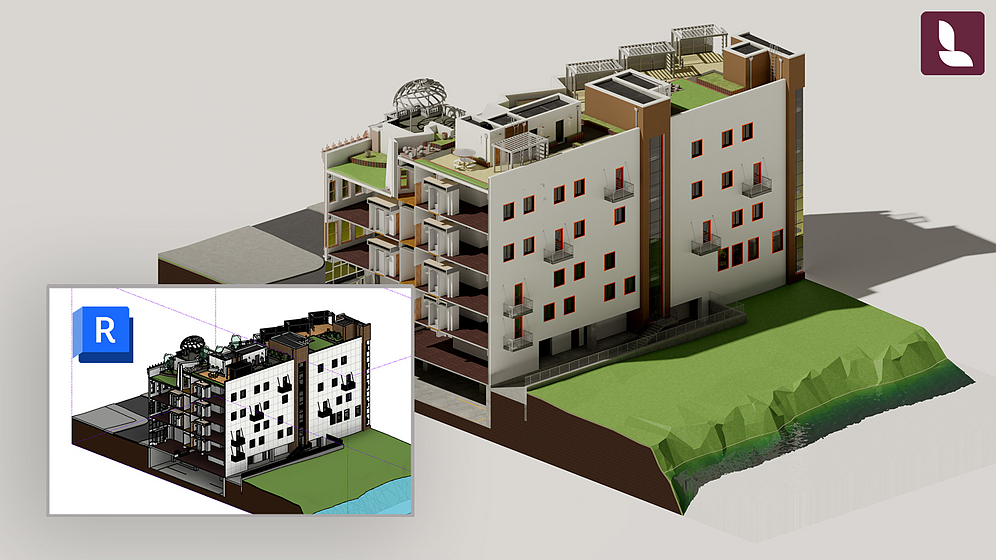
A real-time visualization, providing a realistic, immersive view of your model within your familiar BIM environment.
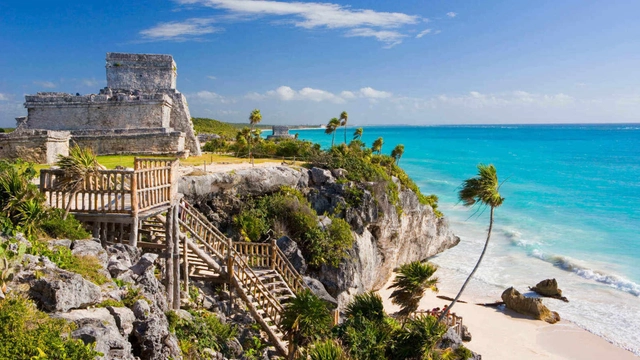
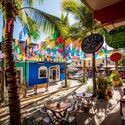
In 2001, the Mexican Secretary of Tourism (SECTUR) created an initiative called "Pueblo Mágico/Magical Town." This program seeks to highlight towns around the country that offer a unique and "magical experience – by reason of their natural beauty, cultural richness, traditions, folklore, historical relevance, cuisine, arts & crafts, and hospitality."
You can find SECTUR's "Magical Town" definition here.
A town that through time and before modernity, was conserved, valued and defended for its historical, cultural and natural heritage; and manifests in it various expressions through its tangible and intangible heritage. A "Magical Town" is a locality that has unique, symbolic attributes, authentic stories, transcendent facts, daily life, which means a great opportunity for tourism, taking into account the motivations and needs of travelers.
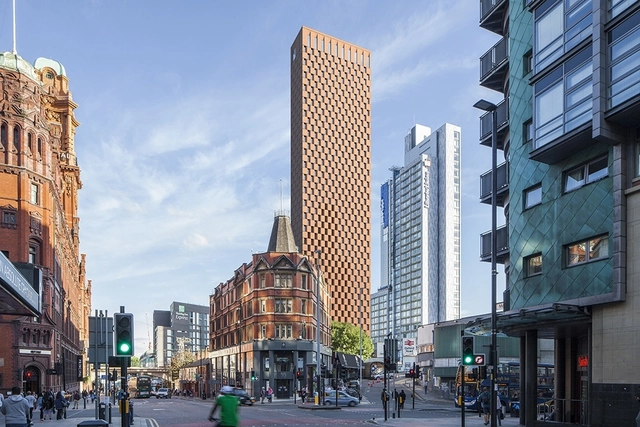
Housing developer Student Castle has partnered with Glenn Howells Architects to create a 55-story red brick tower in Manchester city center. Built to include 850 rooms and co-working space for students and start-up businesses, the new skyscraper would overlook Oxford Road station next to Great Marlborough Street tower. Glenn Howells says the scheme pays homage to the red brick chimneys that once dominated the city’s skyline.



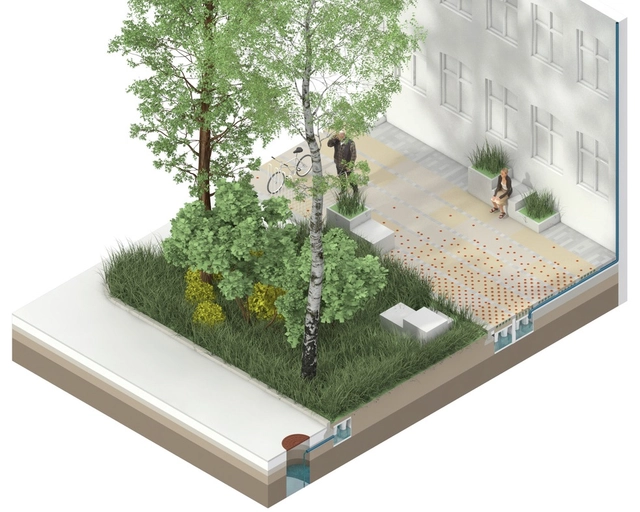
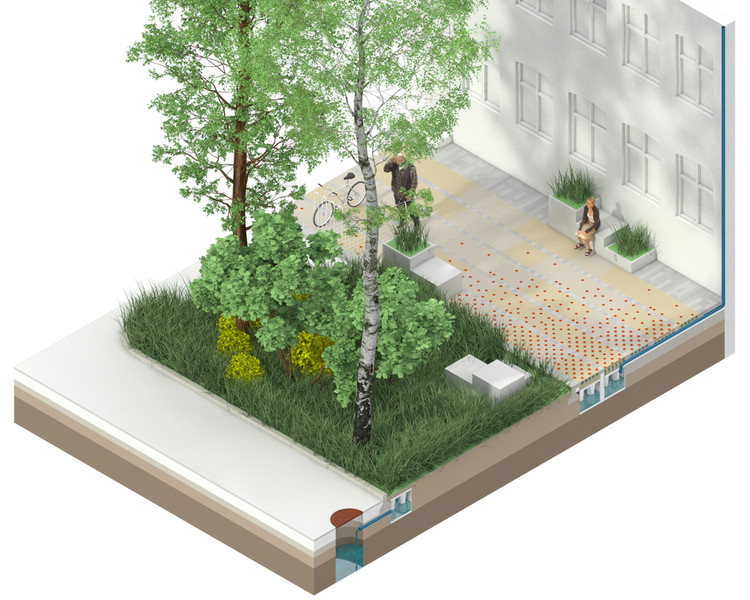
The Climate Tile is a pilot project designed to catch and redirect 30% of the projected extra rainwater coming due to climate change. Created by THIRD NATURE with IBF and ACO Nordic, the project will be inaugurated on a 50m pavement stretch at Nørrebro in Copenhagen. The first sidewalk was created as an innovative climate project that utilizes the Climate Tile to create a beautiful and adaptable cityscape. Aimed at densely populated cities, the tile handles water through a technical system that treats water as a valuable resource.


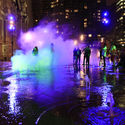
Artist Janet Echelman has unveiled her latest site-specific work of public art, with the activation of the first phase of “Pulse” in Philadelphia’s Dilworth Park. Pulse seeks to reshape urban space “with a monumental, fluidly moving sculpture that responds to environmental forces including wind, water, and sunlight.
Inspired by the square’s history as a water and transportation hub, Echelman’s work traces the paths and trolley lines of the subway beneath, with four-foot-tall curtains of colorful atomized mist traveling across the park’s fountain surface in response to passing trains underneath.
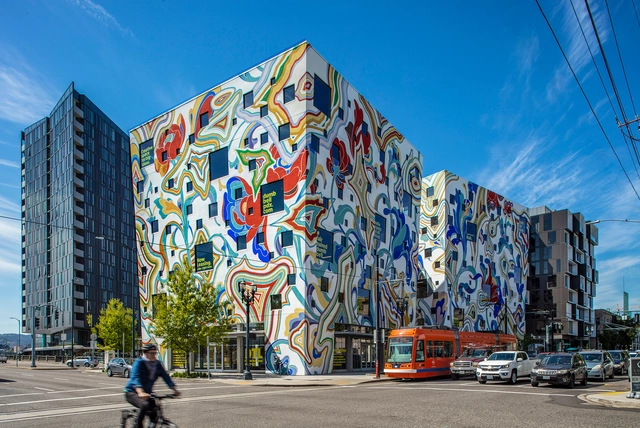

OOPEAA, working in collaboration with Lundén Architecture Company, has won a design and build competition for a timber housing development in Kivistö, Vantaa in the Helsinki metropolitan area of Finland. Organized by the City of Vantaa, the competition asked entrants to design a district of wooden housing, part of a commitment “to provide climate-conscious development in housing.”
Titled “Upstairs – Downstairs, Living Together on Three Levels,” the OOPEAA and Lundén scheme will form part of the broader sustainable district, creating a link between natural forest, active streets, and railway infrastructure.
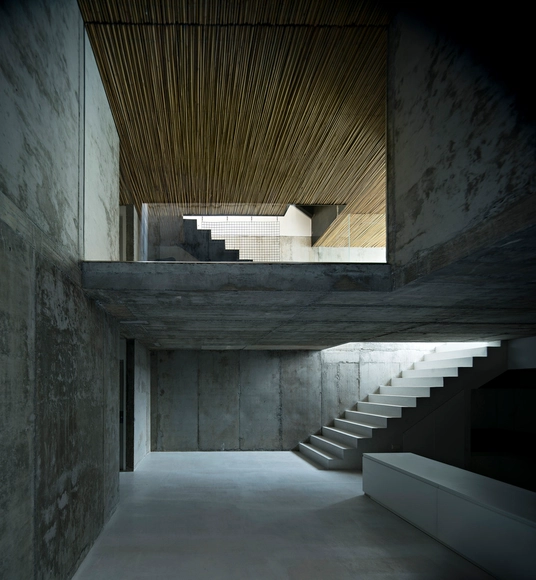
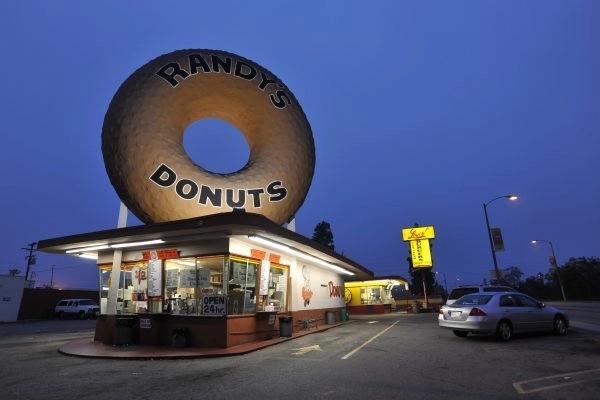
Though the Las Vegas Strip may be garish to some, with its borderline intrusive décor and “pseudo-historical” architecture, some professional architects, most notably Robert Venturi and Denise Scott-Brown, have become captivated by the “ornamental-symbolic elements” the buildings present. The two architects developed the curious design distinction between a “duck” and a “decorated shed”, depending on the building’s decorative form. In his essay for 99% Invisible, Lessons from Sin City: The Architecture of “Ducks” versus “Decorated Sheds”, Kurt Kohlstedt explores how the architects implemented their knowledge of ornamentation in their own works and began an architectural debate still ongoing today.





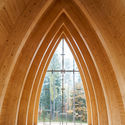

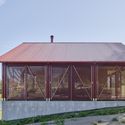
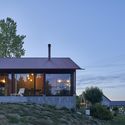
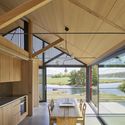


.jpg?1536932956 "Exterior. Image Courtesy of Xingzhi Architecture")