At ArchDaily en Español, we recognize the need to remain in constant contact with architecture students, who will be responsible for designing and building the cities of the future. For this reason, we periodically open a call for applications to join our editorial team through our internship program.
BEYOND SCALE | Contagion - Keller Easterling Keller Easterling, designer, writer and professor at Yale University, explores how designing as entangling could return agency to multiple authors of community.
Introduction This competition intends to understand the history of architecture through the lenses of the photographer. A photograph that powerfully portrays the past glory of the present architectural ruins.
This week's curated selection of Best Unbuilt Architecture highlights conceptual works, competition entries and projects in different stages of development submitted by the ArchDaily community. From a village made of 3D-printed cacao waste for a chocolate manufacturer in Ecuador, the transformation of a shopping centre in Ontario into a sustainable and walkable neighbourhood, to the refurbishment and redevelopment of Brutalist estates in London, the following projects illustrate a wide array of design approaches shaping the built environment.
This week's selection of unbuilt projects highlights worldwide interventions addressing a range of highly-relevant topics, such as circular construction, the adoption of sustainable materials, biodiversity, urban redevelopment of obsolete infrastructure or adaptive reuse and the reconsideration of the existing building stock.
Royal Botanic Gardens, Kew, and the Museum of Architecture (MoA) have launched a competition to find three exceptional designs to create three treehouses across RBG Kew's UNESCO World Heritage Site as part of a larger ‘Treehouses at Kew’ Exhibition.
‘Treehouses at Kew’ will be Kew’s main exhibition running from April to October 2023, and provide one of the most unmissable visitor experiences of the 2023 London cultural calendar.
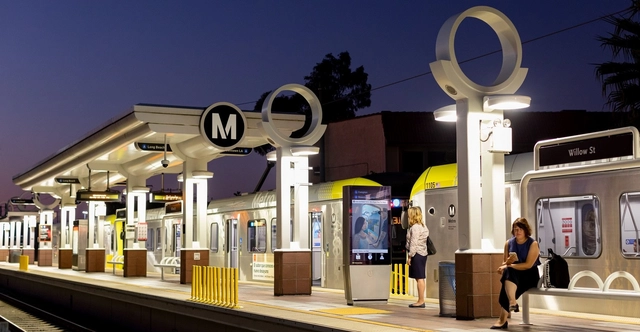
Following California's Covid-19 health regulations in early 2020, Metro, the Los Angeles public transit agency stopped collecting fares on its busses as a safety precaution measure. However, the company's decision turned into the United States' biggest free-transit experiment, as ridership never dipped below 50 percent, even with the stay-at-home orders enforced by the government. Following 22 months of the decision and around 281 million fare-free transits, the company has decided to restart collecting fares, but is planning on using the information gathered throughout these two years to implement future improvements and introduce other free or reduced-fare programs in the city.
Guiding Organization: Housing and Urban-Rural Development Bureau Of JiaShan Host: Jiashan Weiming Environmental Protection Energy Co., Ltd. Technical Support: City Chief Planner Team
Founded by the architect and professor Angelo Bucci, spbr arquitetos works in different scales of construction of buildings with a distinct and particular language in its works. Its projects are the result of an intense exercise in architectural thinking, combined with the use of drawing as a tool for dialogue between architects and clients.
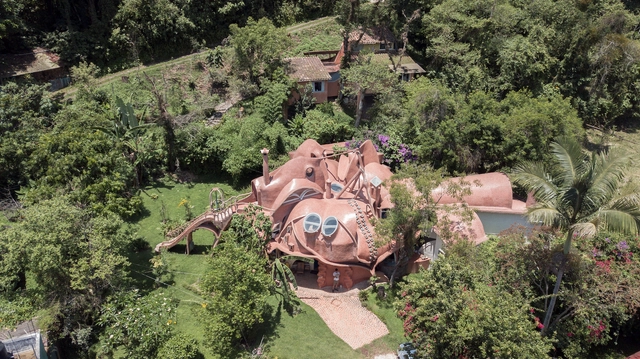
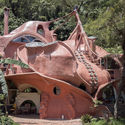
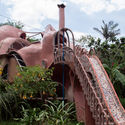
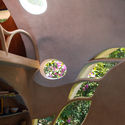
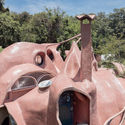
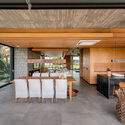
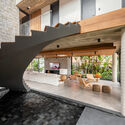
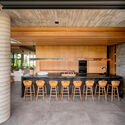
The "Casa de los Milagros" (House of Miracles), located in the cloudy forest on the outskirts of Xalapa, Veracruz and designed by Mexican architect Danilo Veras Godoy, is a space conceived with organic forms, earth, unexpectedly shaped openings and mosaic glass in different shades. It was designed to meet the needs of Rosalinda Ulloa, a single mother who would live there with her two young children. It was built in stages, starting in 1995, and was completed in 2002, with some changes being made between then and 2006.
There is so much more to know about architects and their projects when you begin to learn the stories behind their work. When you know where and how they draw their inspiration from and how an idea becomes a reality that you can touch, feel and experience, you get a better idea of why the project ended up the way it did.
Together with photographer Marc Goodwin, as part of his project Atlas of Architectural Atmospheres this time in the city of Berlin, we had the opportunity to meet with German architect Christoph Hesse, of Christoph Hesse Architects, based in Korbach and Berlin, and we spoke about all these things that make up his idea of architecture and his work. Meeting a creator on their own workspace is also an added value; we went through different projects while looking at the physical models and the narrative of his work became a beautiful story about a place, a countryside town in Germany, its people, and their lives, and a sustainable future in nature.
California, as with most American states, has a housing crisis. Unlike the rest of the country, it is actually working to ameliorate the situation, with private and public initiatives that critics can’t help but label inadequate. The Bay Area made accessory dwelling units legal by changing zoning laws, but that has hardly made a dent. Some cities are now pushing for additional upzoning to give developers more room to bring new buildings to market at lower rents. There are all sorts of studies, university sponsored or underwritten by the industry, that recommend more-or-less radical fixes for a seemingly unfixable problem. Environmentalists are naturally cast as villains because they don’t condone greenfield developments. And Californians are tough on their elected officials, as the current governor learned last year.
https://www.archdaily.com/975506/new-construction-is-not-always-the-answerMark Alan Hewitt
Cool lights, wall-to-wall tiles and trivial fixtures. Little by little, public bathrooms have changed this aesthetic and opted for more careful designs. Gone are the days when designs were focused only on functionality, accessibility and ease of maintenance and cleaning. Along with these essential qualities, a good bathroom project can also bring tranquility and show values that the space or the company wants to convey to its users. whether through finishes, lightning, or less material factors such as inclusivity, making users feel good is ultimately the goal of all environments, including bathrooms.