Book presentations, or book launches, are holdovers from ages long past. One could argue that the same applies to books in print themselves; but we still read and write books, never mind in which shape and form, while I do not see many reasons to keep presenting them in brick-and-mortar bookshops, or similar venues. Friends in the publishing industry tell me that a single tweet, or a successful hashtag on Instagram, can sell more copies than a book launch—and at a lesser cost, for sure. Besides, one of the most baffling aspects of book launches is that, traditionally—and I remember this was already the case when I was a student—a significant fraction of the public in attendance tends to be viscerally and vocally hostile to the topic of the book being presented. Why would readers who dislike a book as a plain matter of principle take the time to read it in full then vent their anger at its author, I cannot tell; but this is to say that having published a book last fall titled The Second Digital Turn: Design Beyond Intelligence, I had plenty of opportunities, in the course of the last few months, to glean a vast repertoire of technophobic commonplaces. Chiefly noted among them, due to its sheer outlandishness, was the objection that digital innovation would by now have fully run its course: having adapted to, and adopted, some new tools and technologies, architects would have moved on, free at last to get back to things that really matter to them (whatever they might be).
Chiloé is a five-part video series produced by Glaciar Films and directed by Diego Breit and David Guzmán; it explores the architectural identity of the southern island off of Chile. Architects, carpenters, artisans, and inhabitants present the constructive history of the island and explore how it is faced with the imminent changes of modern production and practices.
Glaciar Films has made three of the five episodes available to ArchDaily readers. In these clips, explore the island's architecture along with interviews with principal architects of the region: Jonah Retamal, Edward Rojas, and Macarena Almonacid.
Rural Studio, a student-centered design/build program at Auburn University’s College of Architecture, Design and Construction, has announced a collaboration with the mortgage loan company Fannie Mae to support the school’s 20K Initiative. This initiative continues to contribute to the development of "beautiful, healthy and resilient houses that afford financially vulnerable homeowners the ability to live in dignity, security and well within their means."
As a means to address the shortage of affordable housing in the U.S., the research produced from this collaboration with Fannie Mae is being shared with educational institutions industry groups. Auburn University is also providing funding for the initiative through a grant to "further strengthen the collaboration with Fannie Mae, as well as support the development of additional stakeholder collaborations."
Tower Studio by Pawel Mielnik, rendered in real time with Unreal Engine
Design visualization just keeps reaching new heights. While renderings remain a common part of design presentation, advances in technology have made new types of media not only possible but within the reach of even small teams and firms. These newer types of media require a change in workflow. Is it worth it?
Late last month, Sketchfab launched an online store which will make it easier for designers to buy and sell 3D models. The platform’s 1.5 million creative professionals can monetize their work and customers who are working on a range of 3D projects will have the opportunity to purchase tens of thousands of high-quality 3D models and textures. The new launch also features a first-in-market, "Model Inspector."
Chandigarh, India’s modern planned city, is most commonly associated with the pioneering modernist master Le Corbusier, who conceived the radical urban plan and most of its important civic buildings. But credit is also due to the architect’s younger cousin and long-time collaborator, Pierre Jeanneret, who turned Le Corbusier’s sweeping vision into a reality. The cousins had worked extensively together, sharing a common, forward-thinking design sensibility. Appointed to senior architect, the Swiss-born Jeanneret oversaw the ambitious project on the ground and proved himself particularly skilled at connecting with the professionals and local community alike. “Effectively, he is respected like a father, liked as a brother by the fifty or so young men who have applied to work in the Architect’s Office,” wrote Corbusier in praise of his cousin.
UBC researchers have found a cheap, sustainable way to build a solar cell using bacteria that convert light to energy. Image Courtesy of Flickr/LillyAndersen via University of British Columbia
Hailed as a “cheap, sustainable” method of renewable energy extraction, the cell can generate a current stronger than any previously recorded from similar devices. Development of the cell opens new possibilities for typically-overcast regions such as British Columbia and Northern Europe, where the world's first solar panel road debuted in France.
https://www.archdaily.com/898379/the-university-of-british-columbias-bacteria-driven-solar-cell-can-produce-energy-under-cloudy-skiesNiall Patrick Walsh
At the Moscow Urban Forum, Rem Koolhaas spoke to Vladimir Pozner about his life and work, including how he has been influenced by Russian architecture. The pair discuss how the city of Moscow has evolved and the role that it currently has in the world. The event was originally streamed live on YouTube, meaning you can watch the recording of the discussion above.
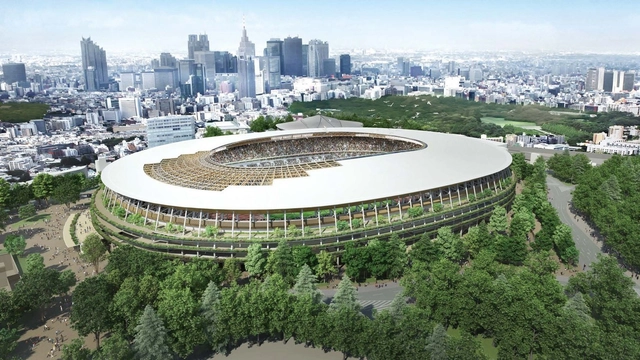
Five lucky architecture enthusiasts and Airbnb users have been offered the unique experience to accompany Kengo Kuma on a guided tour of the 2020 Olympic stadium in Tokyo. The renowned architect has collaborated with Airbnb to offer the exclusive experience, described as a “visit to Kengo’s under-construction Olympic stadium, along with a meet and greet at his studio and tea with the celebrated architect.”
The July 31st tour, sadly fully booked, offers an insightful example of architects collaborating with leaders of the “gig economy” to offer design experiences directly to the public.
https://www.archdaily.com/898376/kengo-kumas-airbnb-experience-to-include-tour-of-2020-tokyo-olympic-stadiumNiall Patrick Walsh
As one of the most-used BIM software products around the world, there are a large number of tutorials and online courses that help us to get started in using Revit, or to become an advanced user and take advantage of its many tools. Do you just want to become familiar with its interface so that you can start using it in your projects? Do you need to learn how to link it with AutoCAD or 3ds Max? Don't know how to render or present the results of your models? These courses promise to teach you how.
Before deciding on a career in architecture, plenty of questions can cross one’s mind: Which school should I choose? Should I study abroad or choose a local school? Would enrolling in top international universities cost me a fortune? How long will it take for me to finally be able to build my own structure? At the end of the day, the making of an architect is pretty simple: half a decade of architecture studies, and then some.
Whether you are considering studying abroad or staying home, you'll need to know how long it takes to become an architect in your country of choice. Take a look at how long it usually takes to earn that degree in different countries from all over the world, and what you'll need to do (aside from attending school) before becoming a certified architect.
What comes to mind when you think of Brazilian architecture? The strong forms of Oscar Niemeyer? Neutral-toned works of brutalism? Cobogós? In spite of the fact that colors are present in Brazil's colonial architecture, the aforementioned qualities tend to dominate the perception of the architecture of South America's largest country.
However, current architectural production in Brazil is bringing more and more colorful elements that shy away from the gray and beige purity. We've selected fifteen projects that use color to highlight architectural elements and generate dynamic perceptions of space.
This initiative by the Placemaking Latinoamérica network aims to carry out urban actions that promote the appropriation of public space, leading up to the 2nd Placemaking Latinoamérica Encounter, which will take place in Mexico from November 5 to 11. How does it work? On the second weekend of every month, various actions will be organized across different cities and public spaces. The process is as follows:
An action is proposed.
On the corresponding weekend, all interested participants go out to activate the city.
The actions are documented with photos and videos, and shared via #LatinAcción.
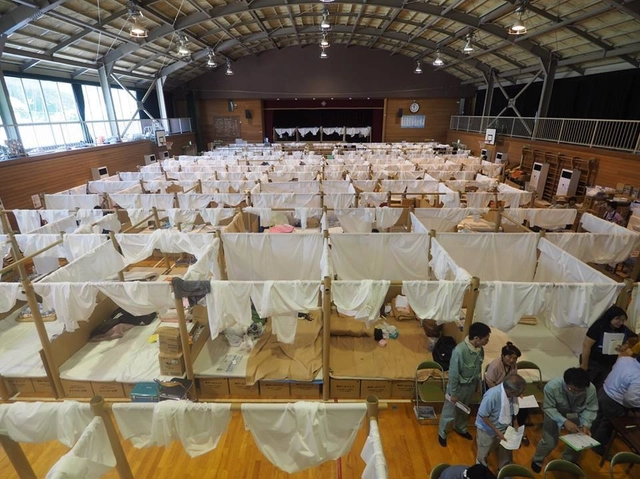
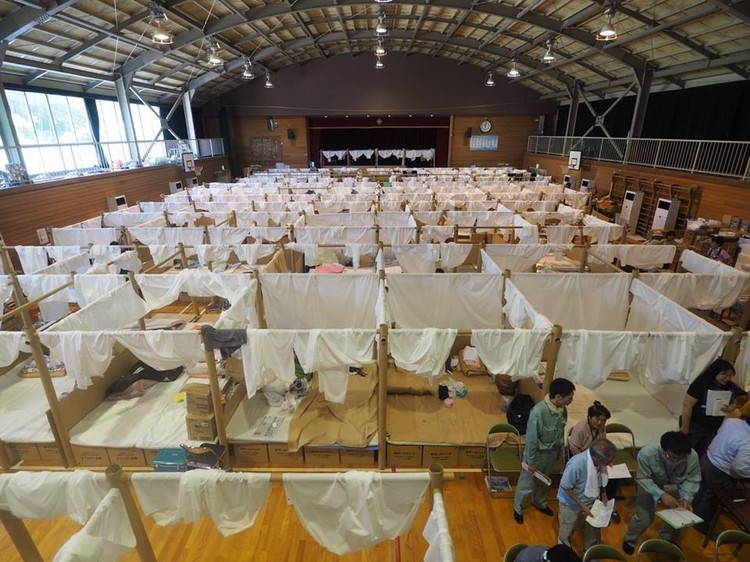
Ban, along with members of the VAN and student volunteers, is constructing a partition system in evacuation centers made from paper tubes and cloth curtains. The temporary structures intend to offer privacy for flooding victims, forming a modular unit of 2 meters by 2 meters.
The U.S. Department of State selected the consortium containing Fentress Architects, led by Big Things Group, to deliver a pavilion based on the theme “What Moves You,” featuring highlights of American culture and technology. The team will seek to use the program as “a showcase of the innovation, creativity, and diversity that defines the United States.”
https://www.archdaily.com/898309/fentress-architects-chosen-to-design-usa-pavilion-for-world-expo-2020-in-dubaiNiall Patrick Walsh
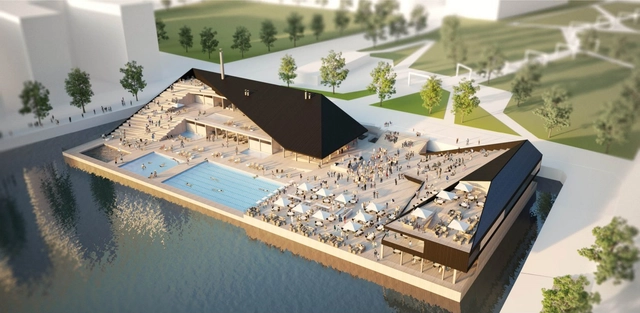
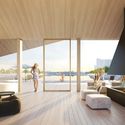
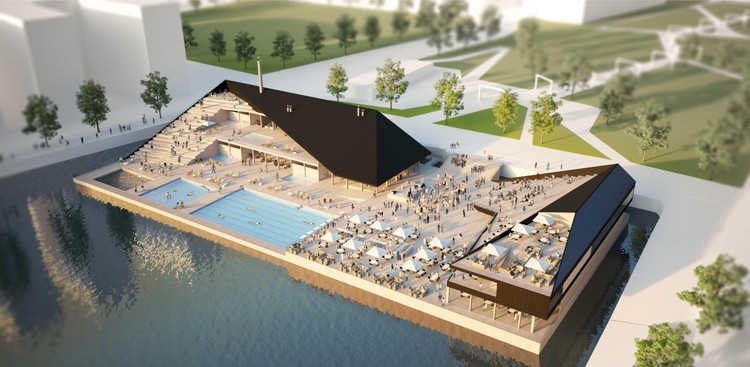
OOPEAA (Office for Peripheral Architecture) has won an invited competition for the design of the Allas Sea Pool Family in Helsinki, Finland. Constructed on floating platforms, and designed as a modular, flexible, adjustable system, the Allas Sea Pool Family is intended to be a new global typology for coastal sites, where building on land is not feasible.
The invited competition asked entrants to submit proposals which responded to varying environmental and seasonal conditions, with OOPEAA ultimately chosen for their “strong concept that places the floating spa in a central location in the city.”
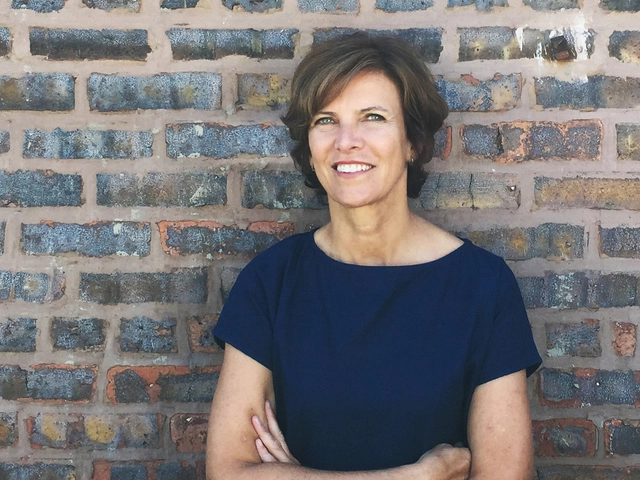
Studio Gang founder Jeanne Gang has long been an advocate for change within the architecture field. Her studio's designs push boundaries all over the world, but Gang has recently used her firm to transform architectural practice in a different way—attacking the gender wage gap.
In a recent article from Fast Company, Gang writes about "discrimination and prejudice" throughout the US, but more specifically in the field of architecture.
Read on for more about how she closed the gender wage gap at her firm and is calling on other architecture firms to do the same.
Earlier this year, LEGO announced that they were beginning production on a new line of botanical-themed pieces made from sugarcane. This new line is just the start of the company's goal to only use sustainable materials in all major products and packaging by 2030. Here we will explore the process behind LEGO’s “going green” initiative, and the challenges they’ve faced in making more environmentally-friendly building blocks along the way.
Over four days, the public space of Pontevedra, Spain, was transformed by urban interventions designed to foster imagination and play. This marked the inaugural edition of Experimenta Pontevedra, held from June 21 to 24, 2018, in the Spanish city.
Pontevedra, which received the UN-Habitat Award for its pedestrian-friendly urban model, has become a benchmark for many cities in recent years, having achieved a milestone where over 70% of urban trips are made on foot or by bicycle within a 15-year period. Accordingly, as the organizers explain, Experimenta Pontevedra is part of this urban development strategy. With the pedestrianization of the city center now fully established, the initiative seeks to foster public spaces that stimulate the imagination and playfulness of their users.
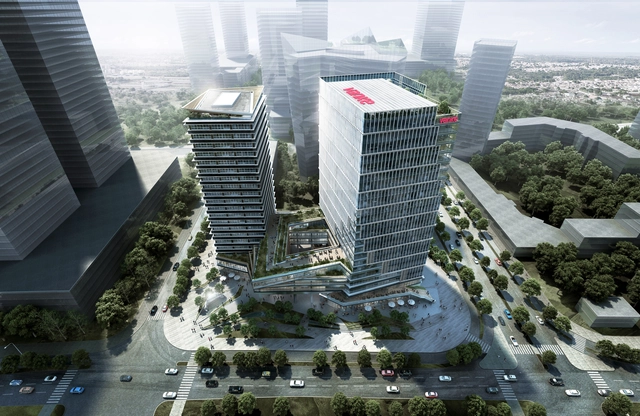
LWK & Partners (HK) has recently released their design for “Olympic Vanke Centre” in Hangzhou, China. Occupying 13,969 sqm at the city’s CBD and next to its 2022 Asian Games Village, the Centre, to be completed in 2021, includes two office towers sharing one podium for amenities and underground service area. The design features the rotating, lifted podium that opens up cascading outdoor terraces that extends further into the towers.
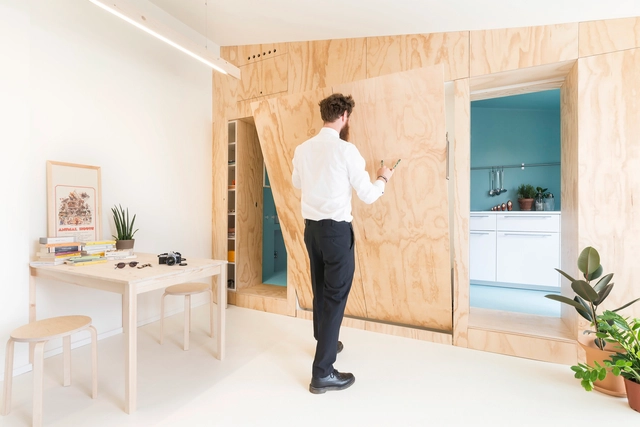
The lack of storage space is a recurrent problem in homes. In most cases, residual spaces or uncomfortable corners are used to solve the lack of shelves, drawers, and closets. To efficiently incorporate these type of spaces into your designs, here are 33 remarkable storage examples.
Mexico City's Chinatown originated in the 1960s near Alameda Central, forming around Chinese, Korean, Indonesian, and Filipino immigrants who established an increasingly strong presence in the city. The ephemeral and vibrant nature of this enclave has led to various design interventions, including the most recent one inaugurated in early 2018 by the Public Space Authority (Autoridad del Espacio Público), featuring urban furniture designed by the Mexican firm Obiect.
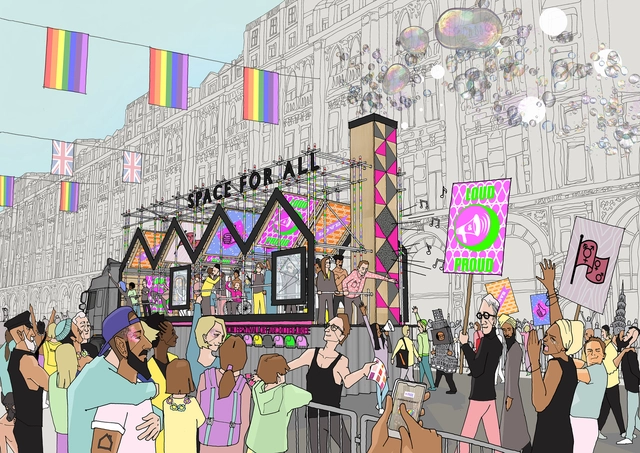
‘A Space For All’ by Hawkins\Brown has been announced as the winner of London Festival of Architecture (LFA) and Architects LGBT+’s Pride Float Competition, the design representing architecture in Pride London 2018. Forming a crucial part of the LFA’s 2018 program, the competition was open to students, graduates, emerging practices and established offices alike, with 'exploring identity' being the brief's core theme. The winning float advocates for increased LGBT+ acceptance and presence within the construction industry, combining “the dual identities of LGBT+ and being an architect.”
It is time to welcome @archdailyco to Instagram! Our dedicated account on this social network is a new showcase for Colombian architecture. It offers both a local and global perspective: classics and rising talents; historic works and must-see future projects; brick, guadua, and concrete; the Caribbean and the Pacific; you and us.
We invite you to follow our Instagram account and tag your photos of Colombian architecture with the hashtag #ArchDailyCo. On Tuesday, July 17, we will share the best photos uploaded by our readers!

.jpg?1531354161)


.jpg?1531865940)


.jpg?1531851210&format=webp&width=640&height=580)















.jpg?1531429636&format=webp&width=640&height=580)