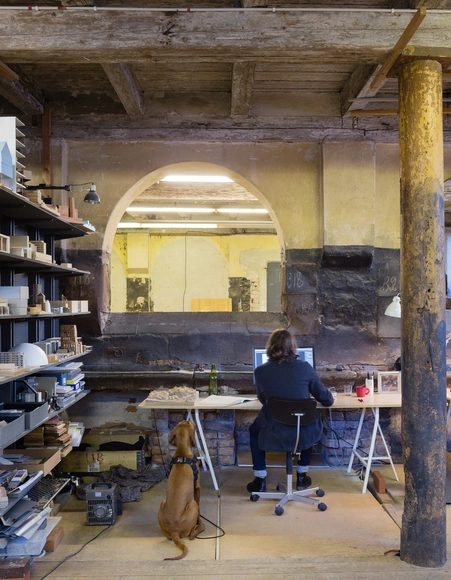
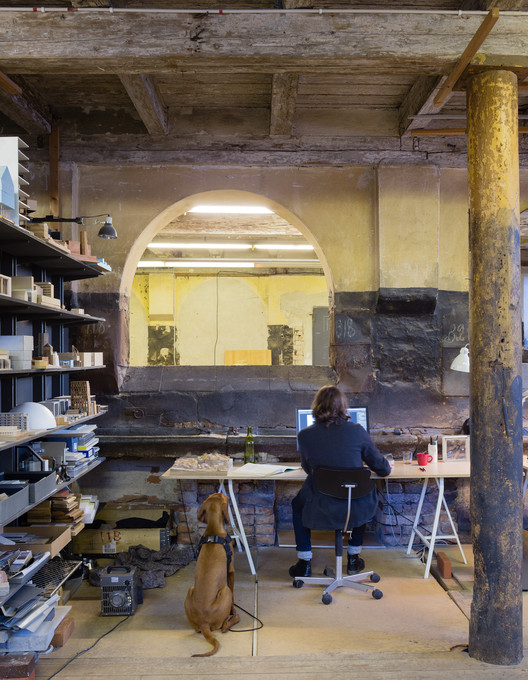
Architectural photographer Marc Goodwinhas recently completed "the ultra-marathon of photoshoots:" twenty-eight architectural offices in twenty-eight days, spread across four capital cities – Oslo, Stockholm, Copenhagen, and Helsinki. His aim was to understand what sort of spaces architects in the Nordic countries operate in, and how they differ between each respective country. From former boathouses to stables and coal deposits, Goodwin has captured some of the most unique working environments the profession has to offer.
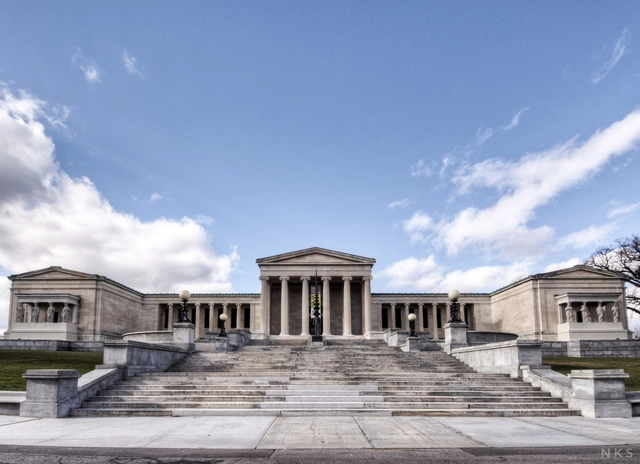
Five major firms have been shortlisted for the Albright-Knox Art Gallery's $80 million expansion in Buffalo, New York. Chosen for their "design intellect" and ability to collaborate, the competing firms will envision ways to expand the gallery's exhibition space and create a new public urban area that maximizes the site's potential, as the Albright-Knox campus is located on the edge of Delaware Park - one of Frederick Law Olmsted’s major works.
“The selection of the architects reflects that malleability, because none of them has a fingerprint style,” Albright-Knox director Janne Sirén said. “All of them, almost, specialize in an ability to build for a given context.”
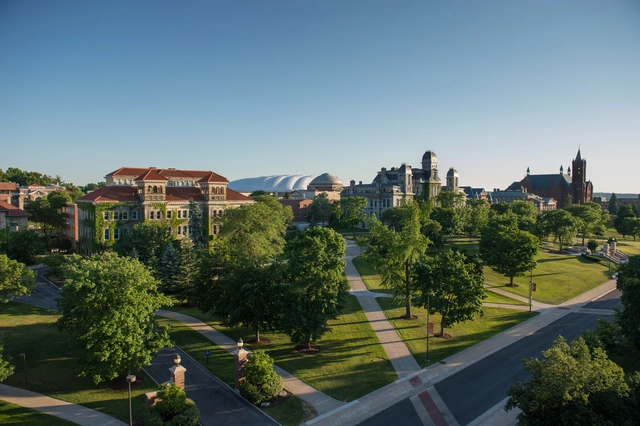
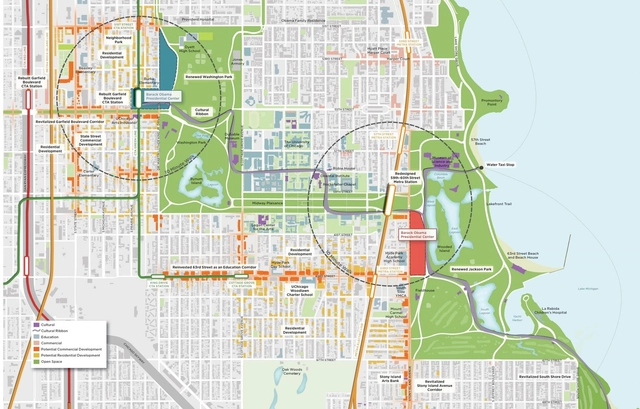
“The three finalist firms and their teams are outstanding,” says Thorne. “I have no doubt they will propose ideas that go beyond traditional academic buildings and make the NVRC a pioneering facility that will contribute to the University, as well as the broader community.”
“These finalists offer a variety of backgrounds and styles, and any one of them would be an excellent choice,” Obama Foundation chairman Martin Nesbitt, according to CBS Chicago. “We are excited to see this process moving forward because the Obama Presidential Center will be so much more than a library – this facility will seek to inspire citizens across the globe to better their communities, their countries, and their world.”
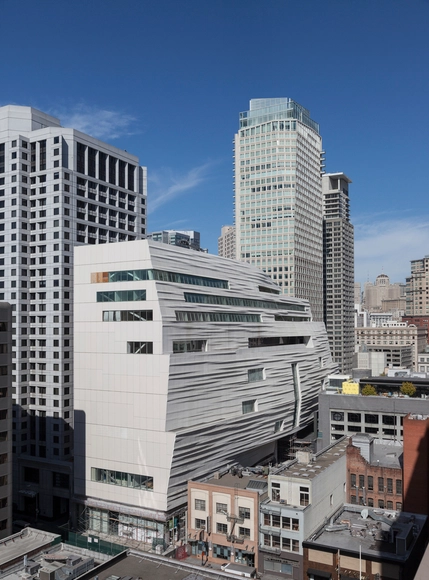
Snøhetta's 10-story expansion of the San Francisco Museum of Modern Art (SFMOMA) is nearing completion. As announced by SFMOMA, the "transformed" museum will reopen to the public on Saturday, May 14, 2016. Its new 235,000-square-foot addition (that nearly tripled SFMOMA's gallery space) was designed by Snøhetta to "weave" into the city and connect "seamlessly" to the museum's existing 225,000-square-foot building designed by Mario Botta.
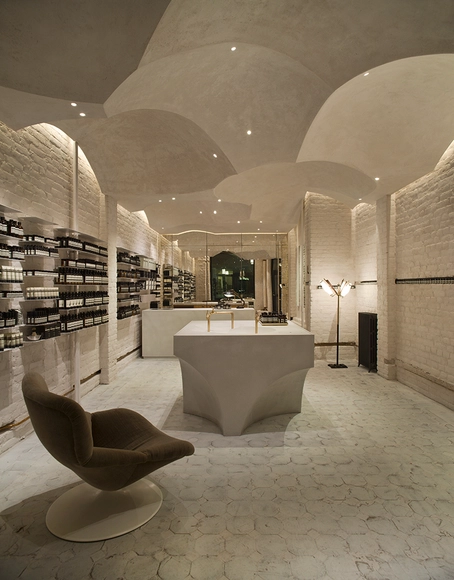
To pay "tribute to the creative processes, materials and features" that characterize each of its store designs, Aesop has a launched a new website called Taxonomy of Design. Inspired by the compendium, we’ve rounded up some of the best Aesop store designs, each of which is distinctly developed, largely by local designers who are inspired by the location of the store. Read on for nine Aesop shops that revitalize architectural simplicity.
Often, all that is needed for that big break in your career is getting experience at the right firm. But getting your foot in the door is daunting, especially if your ideal firm is one where thousands of other architects are applying constantly, regardless of whether a vacancy has been advertised. In this article originally posted on The Architect's Guide, Brandon Hubbard reaches out to some of the world's top architecture firms (Zaha Hadid Architects, Snøhetta, Perkins+Will, BDP and Callison) to find out how you can maximize your chances in the application process.
I recently reached out to several of the world’s top architecture firms and asked them a series of questions on what they look for in potential architecture job applicants.
After my discussions with these firms I discovered a common theme in how they acquire many new hires. As I covered in a previous article, Want a Great Architecture Job? Don't Send a Resume, many new employees are found through personal references and word of mouth. Developing these relationships within the architecture community is essential for a successful career.
The questions are structured to cover the various steps of the architecture job application process, from the first point of contact to the interview.
Former US President Theodore Roosevelt once said that play is a fundamental need — so much so that playgrounds should be provided for every child, just as schools are.
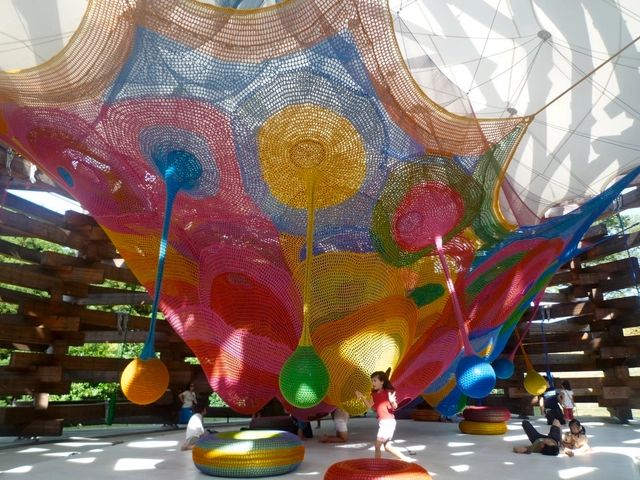
In countries around the world, architects are becoming increasingly innovative to create environments where children can explore their imaginations.
Today, playgrounds can float entirely on the ocean, or take the shape of an enormous, colorful crocodile.
Keep scrolling to see some of the best playground designs around the world that will make you want to be a kid again.
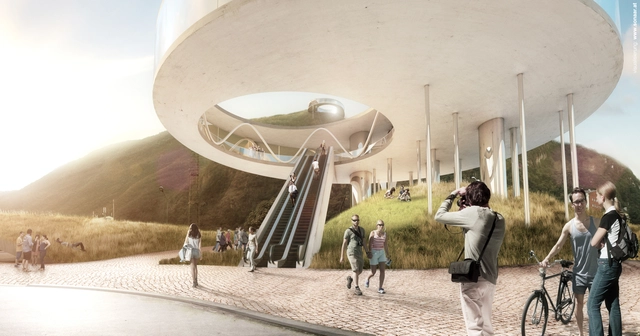
The Italian city of Bolzano, located in the foothills of the alps, has an intimate connection with the mountains that surround it. However, for almost 40 years, one of the most commanding views of Bolzano has been inaccessible, since the cable car which led up to the Virgolo mountain was closed in 1976. After winning an international design competition hosted by The SIGNA Group, Snøhetta has now been selected to replace that cable car, making the summit of Virgolo accessible once again and returning a valuable tourist asset to the city.
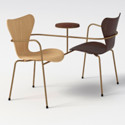
Bjarke Ingels Group. Image via www.fritzhansen.com
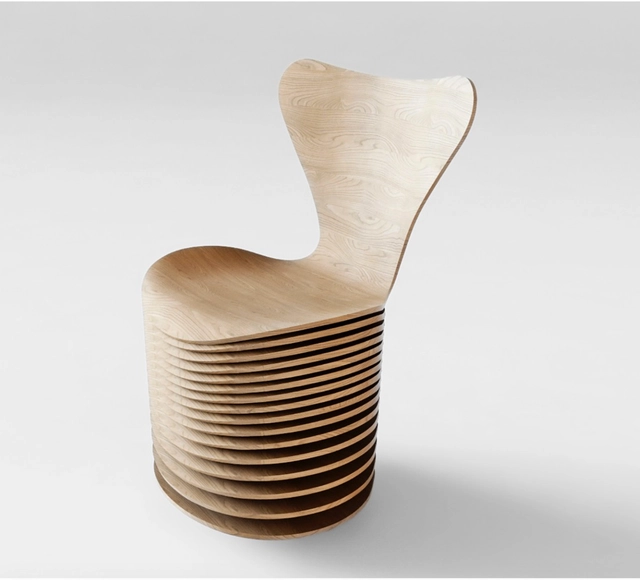
Sixty years ago Arne Jacobsen designed the Series 7 chair - the "Sevener." Unlike many other Jacobsen designs, the chair was not designed for a specific use, leaving it to interpretation. In light of the chair's 60th anniversary, Fritz Hansen commissioned "seven cool architects" - BIG, Zaha Hadid, Jean Nouvel, Snøhetta and three others - to recreate the chair. The results, after the break.
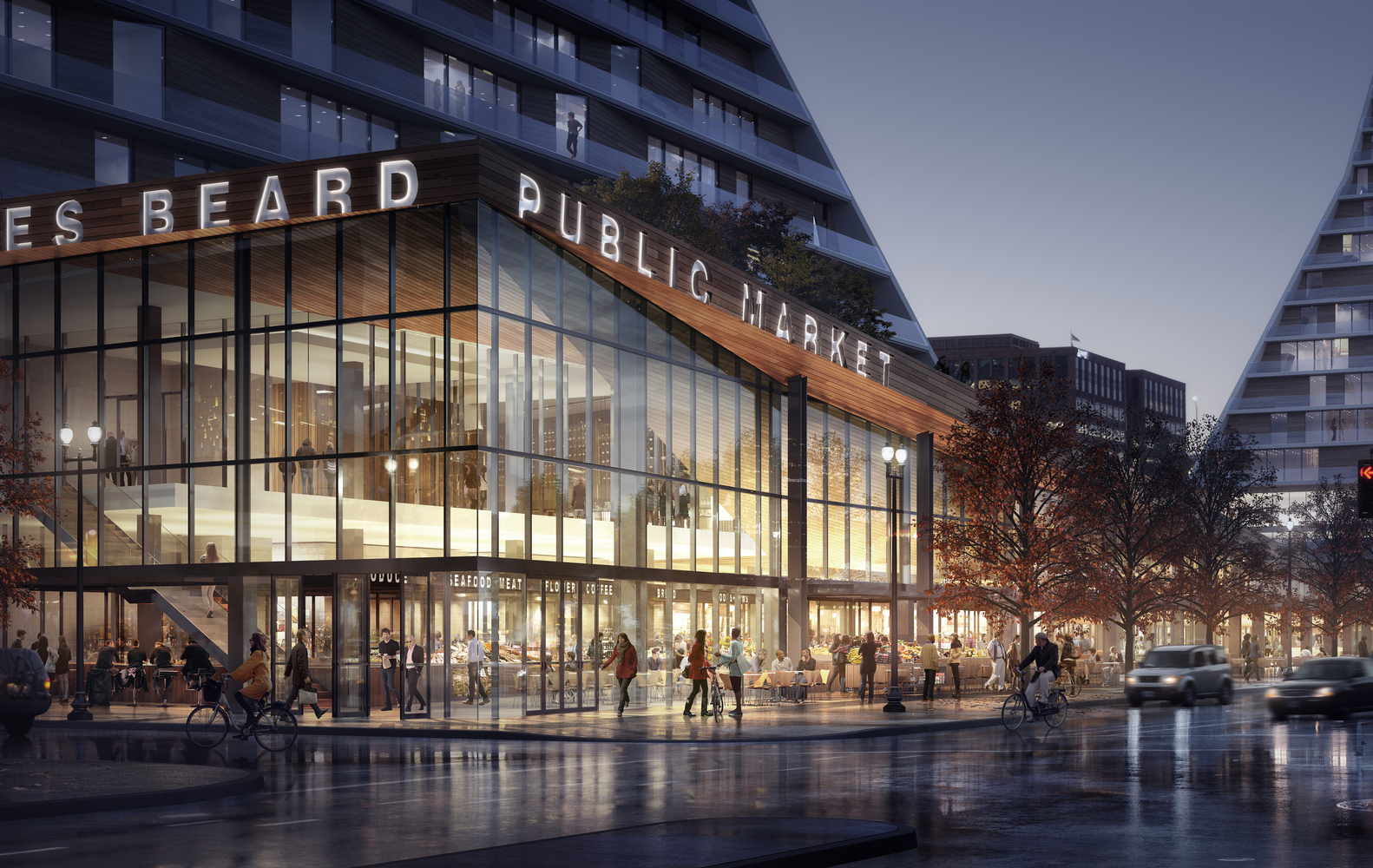
Snøhetta has unveiled plans for a flagship public market in Portland - the city's first in over 70 years. Named after a famous chef and Portland native who helped initiate the fresh food movement in the US, the James Beard Public Market will showcase Oregon's best cuisine within an "ambitious civic hub" that will reenergize an underutilized site in Downtown Portland.
"Linking the city to the river, the market will be an asset for residents and visitors alike," says Snøhetta. The market will feature more than 60 permanent vendors, 30 day tables, full-service restaurants, a teaching kitchen and event space.
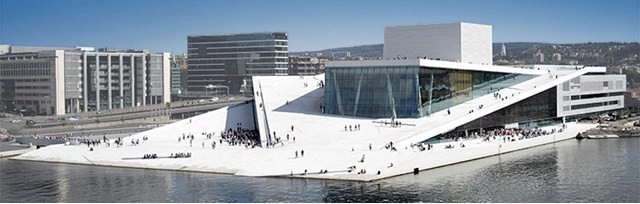
Oslo Opera by Snøhetta, Nowaye. Photo: Christopher Hagelund, Formdesign.no
Snøhetta wants design to be alive. Whether it is on paper or in wood or water, it is alive, diverse and difficult to capture.
Starting 18 June, an exhibition at The Danish Architecture Centre, titled 'Snøhetta - World Architecture' will center on how human nature interacts with a range of conditions - cultural, social, economic and environmental - in the world around us and how this thinking drives Snøhetta’s work.
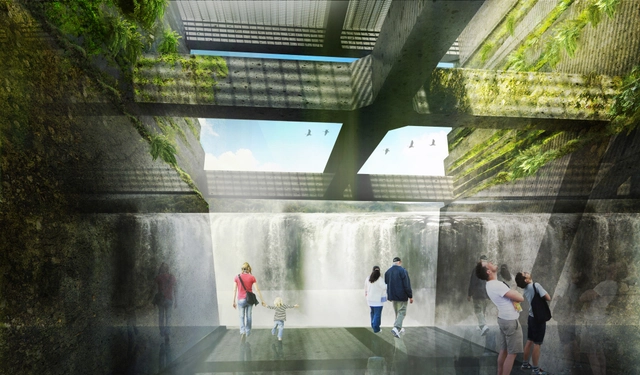
For the first time in 100 years, Oregon’s Willamette Falls will open to the public, with a Riverwalk proposed by Mayer/Reed, Snøhetta and DIALOG. The second largest waterfall in the US, Willamette Falls has a diverse history, and the proposed design seeks to celebrate and amplify the power of the falls, weaving the pedestrian through its rich cultural and geological history.
The final destination of many west-bound pioneers on the Oregon Trail during the 1800s, the falls also served as a gathering spot and source of fish for Native Americans. During the 19th and 20th century, it was an industrial powerhouse, accommodating woolen, lumber, flour and paper mills, and a brick making operation. Yet after the bankruptcy of the Blue Heron Paper Mill, the site has been inhospitable to the public, haunted by empty industrial buildings.
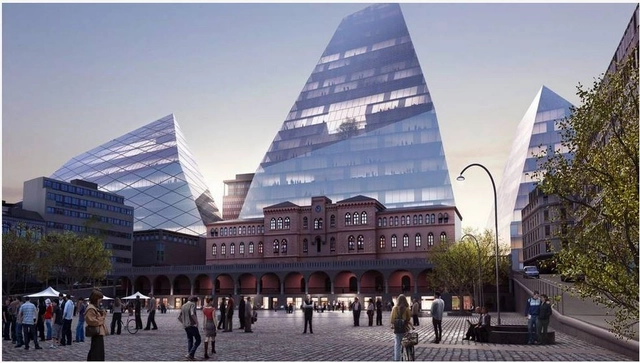
Nearly 100 architects, designers, and consultants have been developing designs for a competition for the new government quarter in Oslo. Drawing an initial 24 entries, the intent of the competition was to generate viable solutions for the future relocation of all government ministries (excluding the defense ministry), emphasizing an urban atmosphere and public elements. In the six shortlisted proposals from both local and international firms, including BIG, Snøhetta, and MVRDV, the themes of building tall and introducing green space emerged.
Now a ten-member committee of industry professionals will assist Statsbygg, the public construction advisers collaborating on the government's behalf, with the evaluation of each design. Take a look at the six proposals after the break.
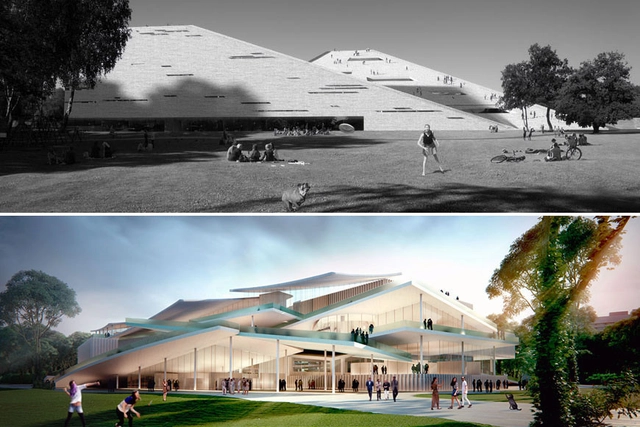
SANAA and Snøhetta have been jointly awarded first prize in a restricted competition to build a "New National Gallery - Ludwig Museum" in Budapest's 200-year-old Városliget (City Park). Lauded for their "equally outstanding" proposals, the winning teams will now meet with the jury to be judged "on professional and financial considerations."
Nieto Sobejano Arquitectos and the joint proposal of Balázs Mihály's Architect Studio and the Faculty of Architecture of Budapest University of Technology and Economics were awarded second prize.
The competition is part of a larger cultural project that aims to renew the city's Városliget by 2018 with five new museum buildings built inside the expanded park area.
A closer look at the winning schemes, after the break.
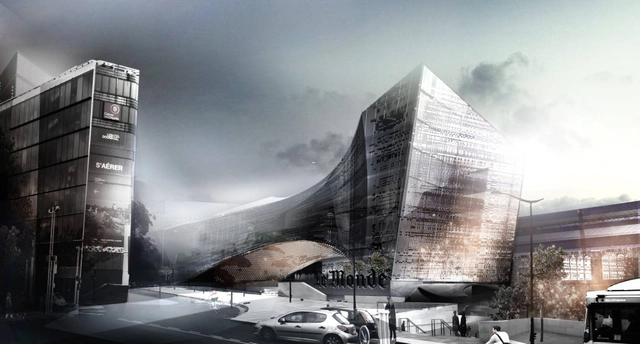
French media company Le Monde Group has chosen Snøhetta to design their new headquarters in Paris. Clad with a pixelated matrix of glass that offers varying degrees of transparency, the building’s distinct facade will be embedded with clusters of LEDs that project “abstracted levels of data,” symbolically representing the group’s continuous “flow of information.”
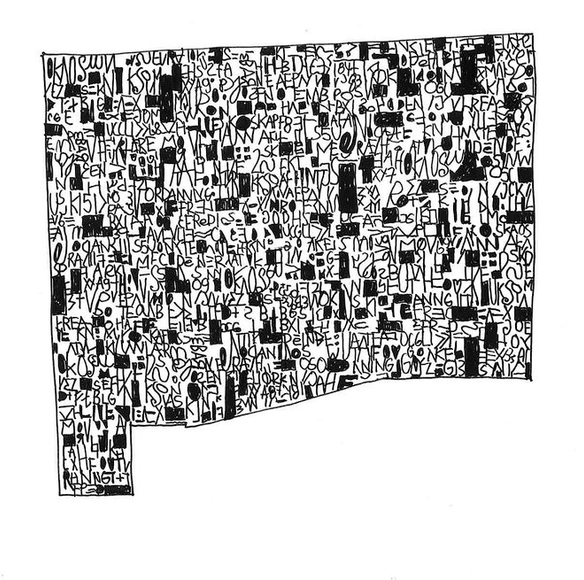
“The intention is that the façade gives the building a homogenous character when viewed from distance, but at the same time reveals a greater level of complexity as the view approaches – like headlines and detailed content in a news story,” says Snøhetta. “The façade patterns are intended to represent the building as a complete volume, while the distorted pixel map creates a rich tapestry from inside and out.”
Foster + Partners and FR-EE - Fernando Romero EnterprisE’s winning scheme for the Mexico City Airport expansion (click to learn more). Image Courtesy of DBOX for Foster + Partners
A global survey conducted by BD has deemed Foster + Partners to be world’s “most admired architect" for the ninth consecutive year. The London-based practice, led by Norman Foster, is the 16th largest practice in the world. Foster + Partners’ ranking was undeniable, as the survey revealed a significant seven percent lead over runner-up contender, Herzog & de Meuron.
“To be voted most admired practice by our peers is a great honor,” said Norman Foster. “It is a huge tribute to our talented and hard-working teams with their myriad skills and disciplines, both in our many studios around the world and our base in London, all working towards the common goal of bringing innovative design solutions to create a better built environment.”
See who else topped the list as the world’s “most admired,” after the break.
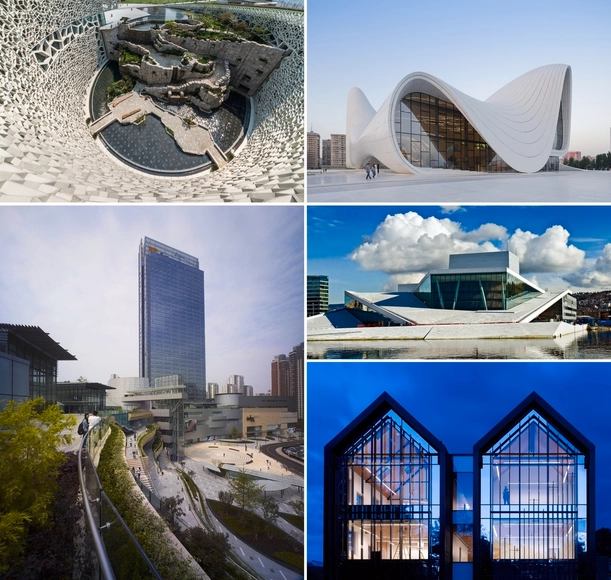
Sleek, contemporary, and unapologetically eclectic, the work of Norwegian firm Snøhetta is as diverse as it is synonymous with modern Scandinavian design. Spanning everything from architecture and master planning to installation art and product and packaging design, Snøhetta's projects are characterized by the marriage of efficiency, quirky charm, and an eye for beauty. Offering a broad selection of suggestions for visitors to Oslo, Snøhetta's guide to the nation's capital is no different. Reflecting the favorite attractions of architects, artists, and brand designers from within the firm, the guide includes a windowless bar, jazz-punk band, and the Norwegian National Opera and Ballet, even encompassing the work of Oslo-based design contemporary, Element Arkitekter, in Lærernes hus. Read the rest of the seven travel selections here.