Between advances in autonomous technology and urban population growth, transit is being reimagined on the street and in the air. From public transit transforming to more user-centric mobility services, to rethinking regulatory and organizational status quos, advances in technology are expanding transit opportunities in cities around the world.
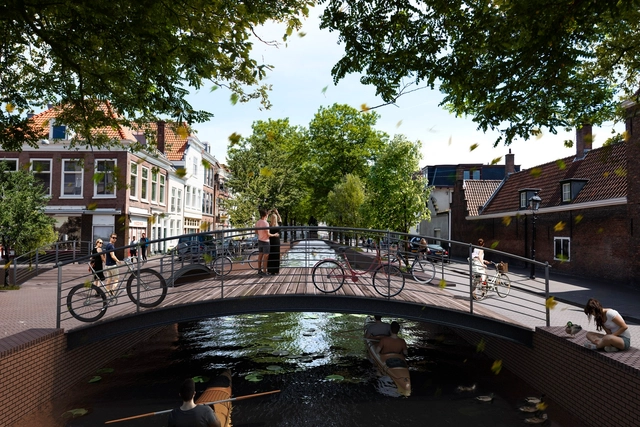
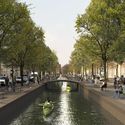
MVRDV has designed with local neighborhood organizations, a proposal to regenerate the canals of the city of The Hague, in the Netherlands. Filled-in during the 20th century, the canals will be reopened in order to revive the historic center and improve the city on the sustainable, economical and infrastructural levels.
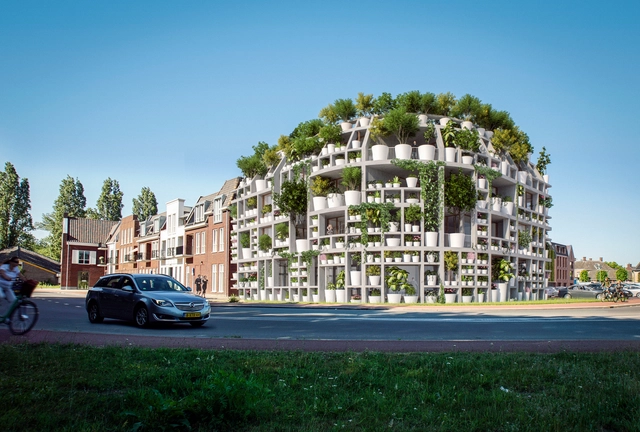
MVRDV has designed an office and residential building on a corner lot next to the Dommel river in the Dutch village of Sint-Michielsgestel. Made with a facade that takes the form of potted plants, the project uses a gridded “rack” system to cover the building’s entire exterior in a variety of plants. Designed with MVRDV’s co-architect, Van Boven Architecten, the team wanted to create a landmark project for the village while also being socially conscious and environmentally progressive.
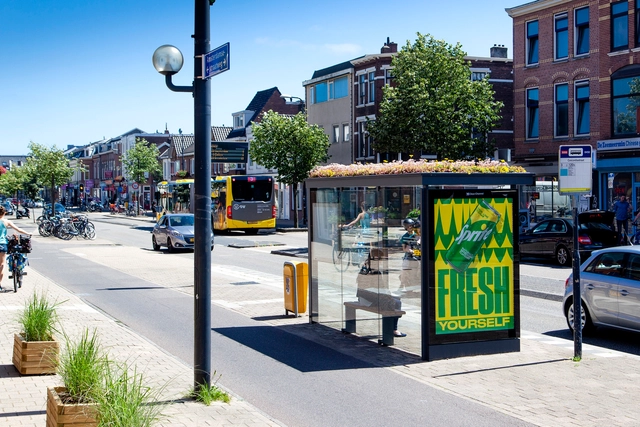
The City of Utrecht Council, in collaboration with advertising agency Clear Channel, has transformed 316 bus stops across the city into “bee stops.” The adaption involved installing green roofs onto the bus stops, creating bee-friendly spaces for the endangered species.
The definition of crime is culturally subjective. This subjectivity used to help us define law and punishment in a more rational manner in the past. Today, this subjectivity placed against pacing time and increasing globalization is not easy to rationalize anymore.
We see this in many walks of life where assets like gold which used to be the driving force of an economy. Where trade and even countries were valued based on how much gold reserves they had in the past. In today’s context, trade depends on technology and the currency here is information. The millions of gigabytes of data that flow over the internet fuels the economy today. Where stealing gold is deemed a crime and is identified by everyone as a crime. But when it comes to information, all the applications, internet service providers, devices like Alexa and corporations are running on this data.
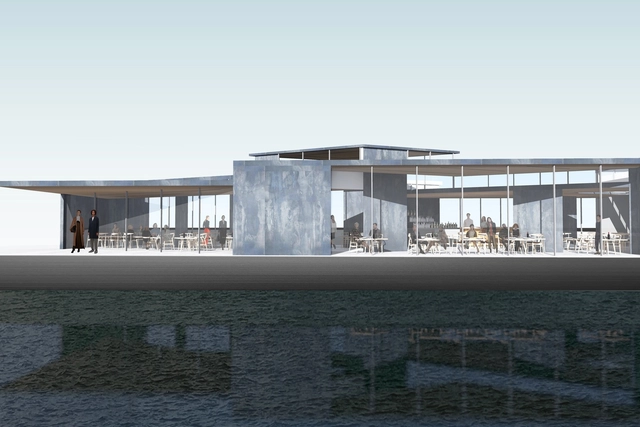
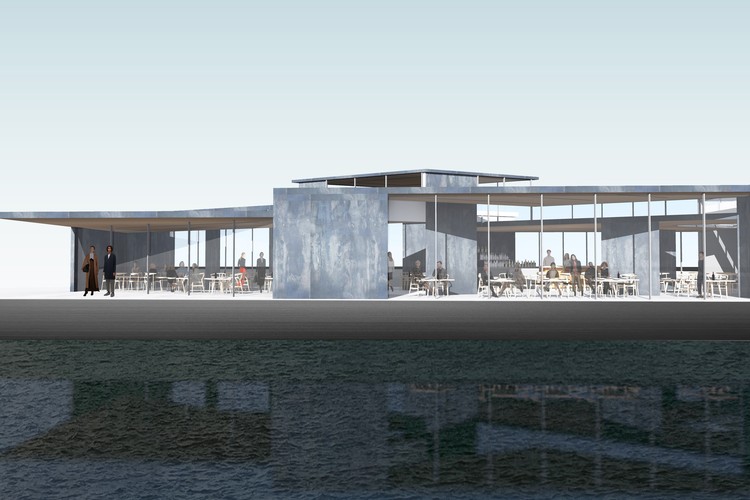
Architecture practice zU-Studio has created a proposal for a floating pavilion in Amsterdam's historic shipyard. Designed atop an old Dortmunder Ship, the project was made to be a sculptural object that creates connections between cultures. The structure is inspired by Richard Serra´s sculpture in Museumplein in Amsterdam. The pavilion aims to create a unique Dutch floating experience that brings art and history together.
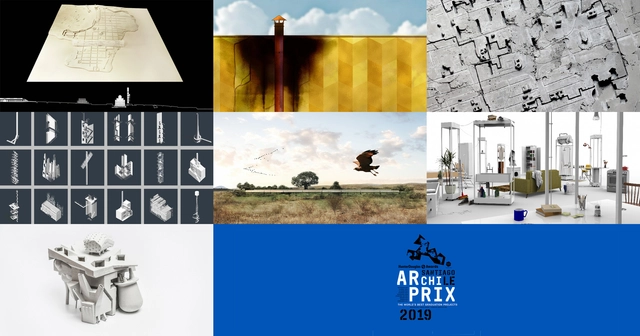
Winning projects of 2019 Archiprix International / Hunter Douglas Awards. Image Courtesy of Archiprix
321 graduation projects designed by 407 young architects, landscape architects and urban designers were submitted for the 2019 Archiprix International / Hunter Douglas Awards. Among 22 finalists announced in December 2018, an international jury selected 7 winning projects which spotlight international trends in architecture, urban design and landscape architecture.
For ten consecutive years, Vienna ranks first in the Mercer survey on cities with the best quality of life in the world. In this edition to the global ranking, eight Western European cities join the top ten, even when "trade tensions and populist undercurrents continue to dominate the global economic climate", as Mercer points out in its report.
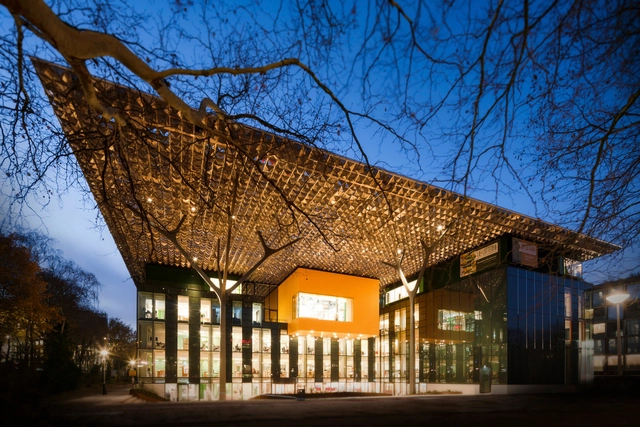
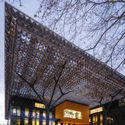
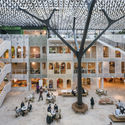
Dutch firm Benthem Crouwel Architects have transformed an office building in Amsterdam into the most sustainable renovated property in the Netherlands. Now the new head office for the Dutch Charity Lotteries, the building received BREEAM Outstanding rating for its sustainable design. The adaptive reuse features a series of slender, tree-shaped columns that support an iconic roof with nearly 7,000 polished aluminum leaves.
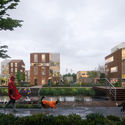
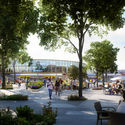
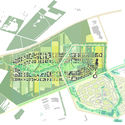
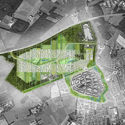
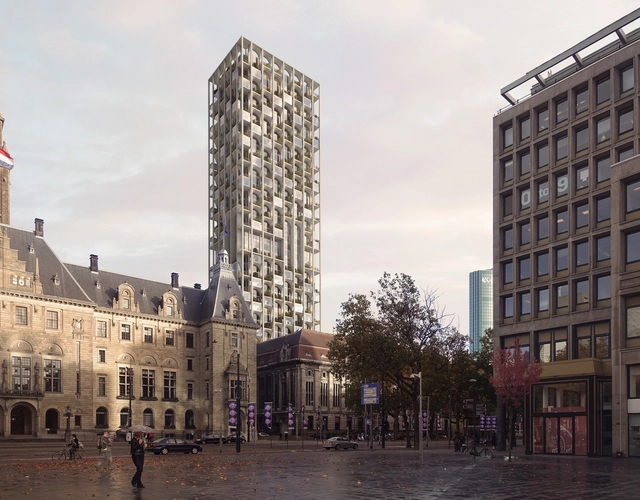
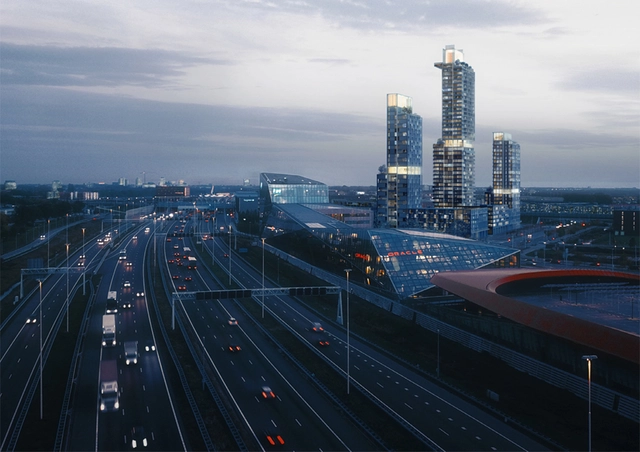
KCAP has released images of their proposed HS Kwartier urban vision for The Hague in the Netherlands. As cities such as The Hague face the challenge of providing more inner-city housing, former industrial and port areas are increasingly being reimagined as attractive areas for living and working. KCAP’s HS Kwartier scheme, situated in the post-industrial Laakhavens region, seeks to “give an impulse to both the environment around Hollands Spoor station and the connections with the center of The Hague."
Under KCAP’s urban vision, the area around the Hollands Spoor station will be characterized by excellent accessibility and a mix of various functions. A mixed-use urban program of 245,000 square meters will include large amounts of housing, offices, education, student housing, hotels, culture, restaurants, and retail.
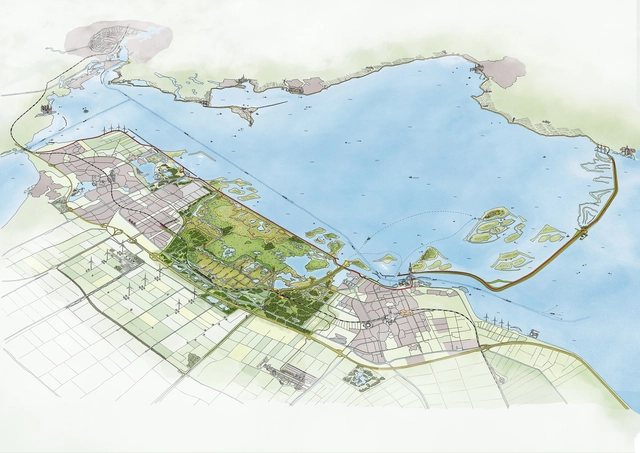
Nieuw Land National Park. Image Courtesy of Mecanoo
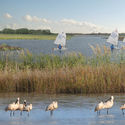
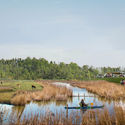
Dutch design practice Mecanoo has created a masterplan for the world's largest man-made nature park at Nieuw Land in the Netherlands. Last month, the Provincial Government approved the plan with an overwhelming majority. The National Park is located near the metropolitan region of Amsterdam and covers over 29,000 hectares. The new masterplan integrates four nature reserves to secure and protect the future of the National Park.
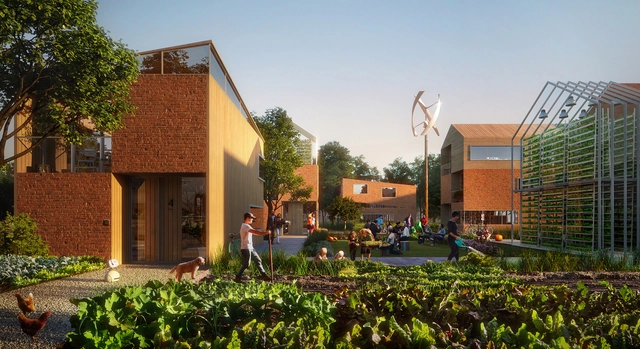
Brainport Smart District. Image Courtesy of UNStudio
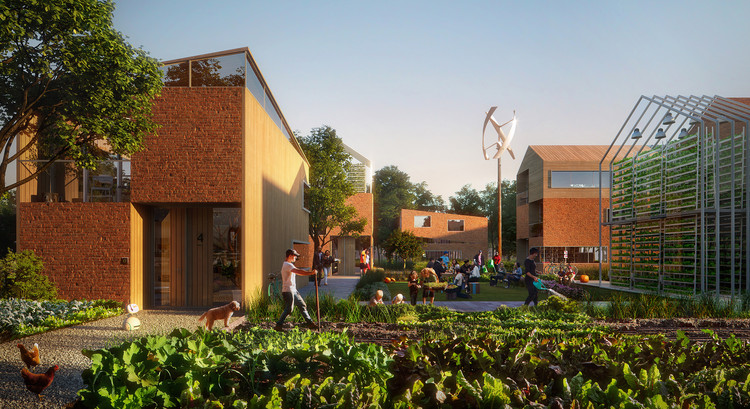
Dutch design practice UNStudio has created a new urban vision to create the world's smartest neighborhood in the Netherlands. Located in Helmond’s Brandevoort District, the project was imagined as a flexible grid that will be developed per users’ demand. Dubbed the Brainport Smart District, the project explores social cohesion and safety, health, data, new transport technologies and independent energy systems. The BSD is designed to be a living lab that embraces experimentation and ‘learning by doing’.
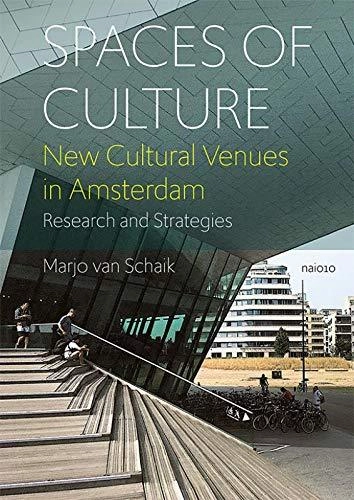
Cultural flagships, from trendy breeding grounds to iconic cultural palaces, form the core of many urban cultural landscapes. Spaces of Culture is about the new construction and redevelopment of cultural buildings in Amsterdam in the period 2000-2016.
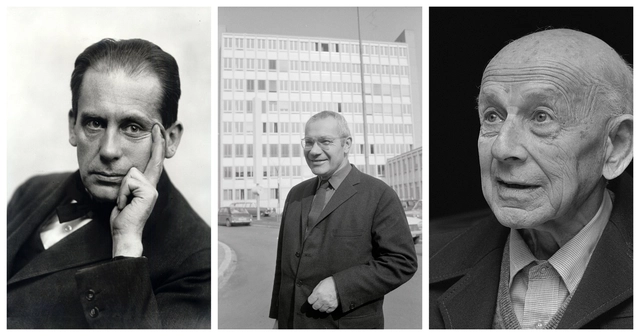
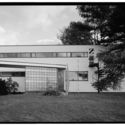
After the dissolution of the Bauhaus due to Nazi political pressure in April 1933, the ideas, teachings, and philosophies of the school were flung across the world as former students and faculty dispersed in the face of impending war. Of the numerous creative talents associated with the Bauhaus, many went on to notable careers elsewhere. Some made a living as artists or practitioners, others either continued or began careers as teachers themselves - and many did both throughout the course of their lives.
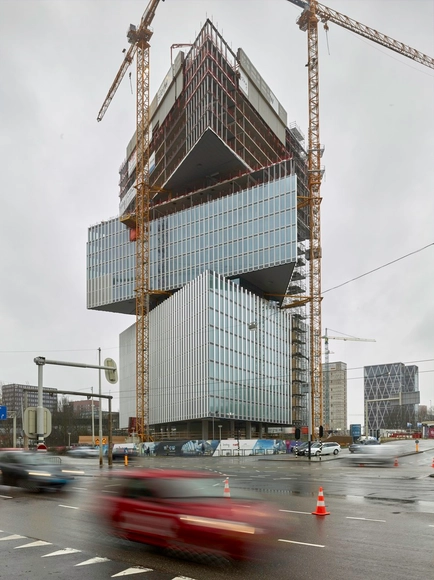
The OMA / Reinier de Graaf-designed Nhow Amsterdam RAI Hotel has topped out at its 91-meter height. The main hotel for the RAI Amsterdam convention and exhibition center, the scheme will offer 650 hotel rooms across 25 floors. Formed of three shifting triangular volumes, the scheme draws from a triangular advertising column on the Europaplein that once stood prominently on the site.
OMA was chosen ahead of eleven practices to design the project, which will operate as a hub for business travelers, tourists, and Amsterdam locals. The project has been 15-years in the making, as a larger 800-room proposal was once rejected by the city a few years back.
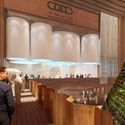
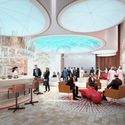
ODA New York has been selected to redesign the historic post office of Rotterdam in the Netherlands. The iconic Postkantoor has sat vacant for more than a decade, and now the adaptive reuse project aims to bring new life to the city center. Built in 1916, the post office was one of the only original structures still standing after the Rotterdam Blitz aerial bombardment in 1940. The city of Rotterdam hopes to re-energize the neighborhood by activating the site with residential, retail, and hospitality.
MARK Vertical Village. Image Courtesy of de Architekten Cie. Studio A2
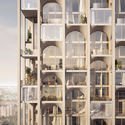
A team of Dutch design studios have won the competition for a new high-rise development next to the Leidsche Rijn station in Utrecht. Architekten Cie, Karres en Brands, KCAP and Geurst & Schulze joined together to create a development of three towers with over 1,000 residences. Mixing social housing with medium to high rent apartments, the project weaves together collective spaces around sustainable urban living. Redefining high-rise design, the vertical village aims to bring Utrecht's landscapes into the sky.
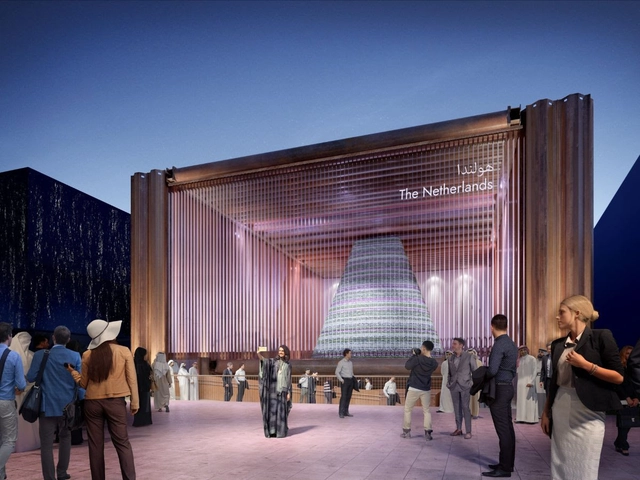
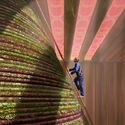
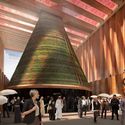
The Dutch pavilion for Expo 2020 Dubai has been unveiled, designed by a consortium, made up of Expomobilia, Kossmann.dejong, V8 Architects and Witteveen+Bos. The scheme has been designed “as a closed-loop climate system in which private and business visitors will enjoy an intense sensorial experience.”
Based on the Netherlands' chosen theme of “uniting water, energy, and food” the pavilion will be built using a construction method prioritizing closed-loop circularity, local materials, and a post-use recyclable agenda.








_Vienna_Tourist_Board_Christian_Stemper.jpg?1554392750&format=webp&width=640&height=580)


_KCAP_and_WAX.jpg?1552566646&format=webp&width=640&height=580)
_KCAP_and_WAX.jpg?1552566646 "© KCAP and WAX")
_KCAP_and_WAX.jpg?1552566575 "© KCAP and WAX")
_KCAP_and_WAX.jpg?1552566720 "© KCAP and WAX")
_KCAP_and_WAX.jpg?1552566559 "© KCAP and WAX")
_KCAP_and_WAX.jpg?1552566646)