As major cultural events, institutional transformations, and new architectural commissions unfold across different geographies, this week's discourse highlights how architecture operates at the intersection of public life, creativity, and long-term adaptation. With Milan Design Week 2026 foregrounding process, experimentation, and citywide participation, the projects and initiatives emerging this week point to a broader shift toward openness, accessibility, and experiential engagement across disciplines and urban contexts. Ongoing investments in cultural infrastructure, from new museums to large-scale renovations and competition-winning proposals, further underscore how institutions continue to recalibrate their spatial and social roles in response to evolving environmental, technological, and cultural demands.
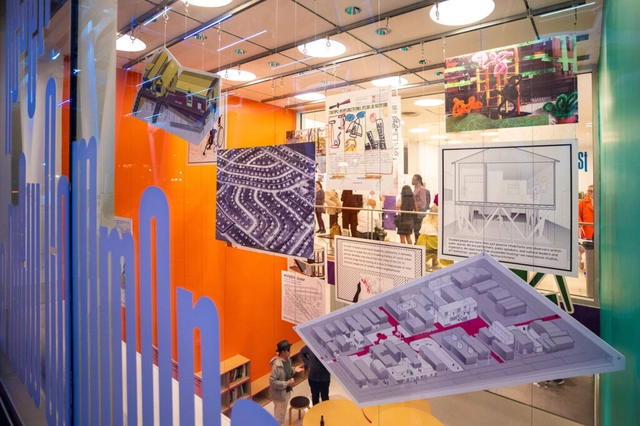
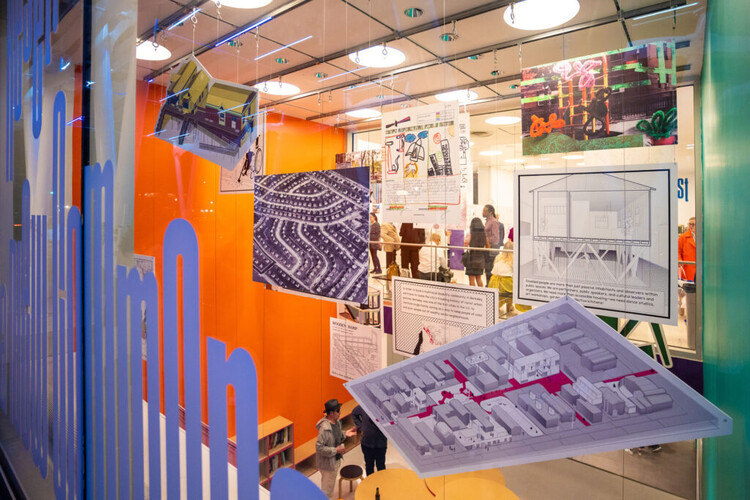
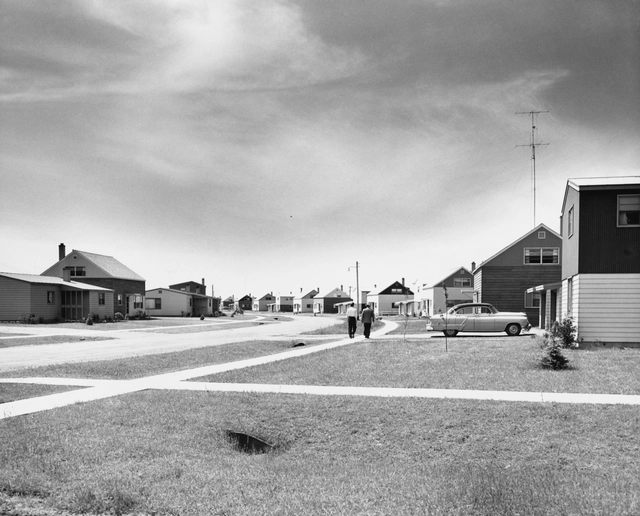
The exhibition Coming Together: Reimagining America's Downtowns, held at Washington, D.C.'s National Building Museum, explores the transformations underway in the United States' downtowns and the ways communities have organized to shape alternative urban scenarios. Curated by Uwe S. Brandes, Professor at Georgetown University, and designed by Reddymade and MGMT., it is the first of three major exhibitions within the Museum's Future Cities initiative, an interdisciplinary project examining the city as a hub, catalyst, essential building block, and reflection of society. Coming Together features examples from more than 60 U.S. cities, both large and small, highlighting lessons learned and opportunities embraced in the wake of the COVID-19 pandemic as communities adapt to lasting changes in work, housing, mobility, entertainment, and recreation. The exhibition is currently open to the public and will remain on view through Fall 2026.
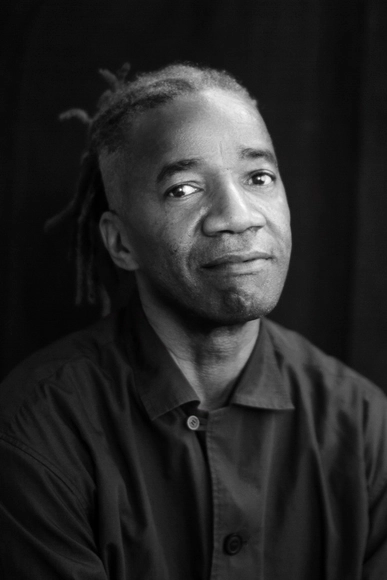
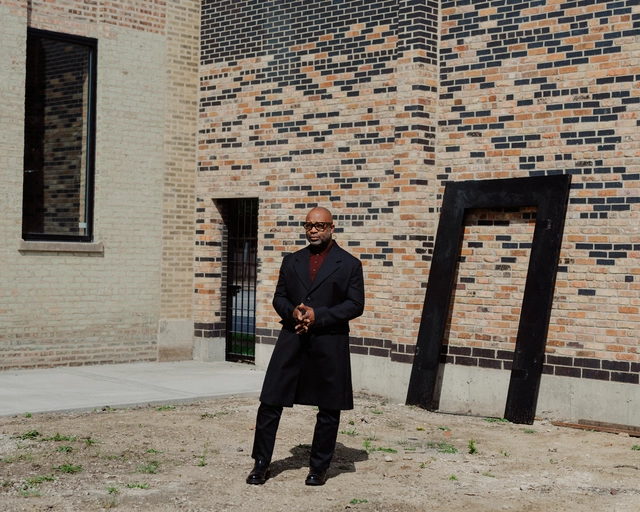
The National Building Museum in Washington, D.C. has just announced Walter Hood as the 26th recipient of the prestigious Vincent Scully Prize. Walter Hood is a celebrated landscape designer working in public spaces and urban environments. Established in 1999, this award honors outstanding contributions in architecture, historic preservation, and urban design through practice, scholarship, or criticism. Hood now joins the ranks of past notable winners like Theaster Gates, Dolores Hayden, and Mabel O. Wilson.
Brutalist buildings are a significant component of Washington, D.C.’s architectural identity. In the National Building Museum’s new exhibition, Capital Brutalism, this identity is explored further. Co-organized with the Southern Utah Museum of Art (SUMA), Capital Brutalism is a comprehensive exhibition of Brutalist architecture in Washington, D.C., to date, running until February 17th, 2025.
The National Building Museum has announced that Dolores Hayden, professor emerita of architecture, urbanism, and American studies at Yale University, is this year’s recipient of the Vincent Scully Prize. As an urban historian and architect, Dolores Hayden has focused throughout her career on the politics of place and the stereotypes of gender and race embedded in American-built environments. As the 24th recipient of the Vincent Scully Prize, Dolores Hayden joins esteemed past recipients, including Mabel O. Wilson, Elizabeth Meyer, Robert Campbell, and Inga Saffron.
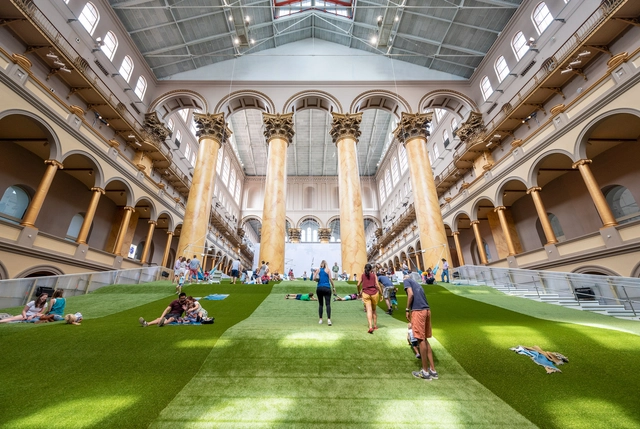
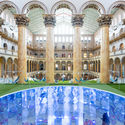
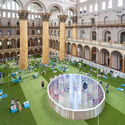
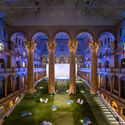
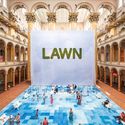
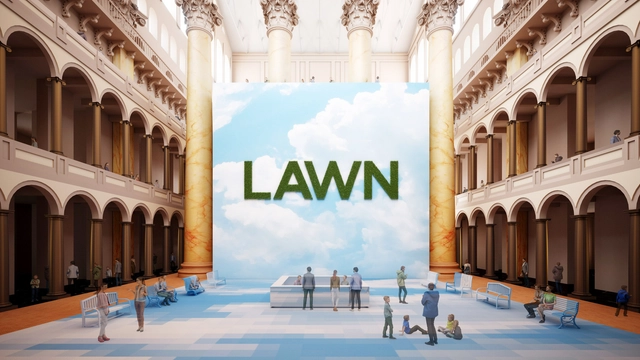
The LAB at Rockwell Group has partnered with The National Building Museum to present the 2019 Summer Block Party installation LAWN. Designed to be an immersive installation taking up the entirety of the Museum’s Great Hall, the project presents a series of interactive experiences for all ages. The lawn itself is programmed with summer entertainment and activities, including movie nights, yoga, and meditation. By creating custom software, the LAB also developed an Augmented Reality game alongside the installation.
The LAB at Rockwell Group has partnered with The National Building Museum to present the 2019 Summer Block Party installation Lawn. Designed to be an immersive installation taking up the entirety of the Museum’s Great Hall, the project will present interactive experiences for all ages. The lawn itself will be programmed and activated throughout the day with summer entertainment and activities, including movie nights, yoga, and meditation. By creating custom software, the LAB has also developed an Augmented Reality game alongside the installation.
The National Building Museum has announced critics Inga Saffron and Robert Campbell as the recipients of the 2018 Vincent Scully Prize. The award celebrates the pair's thoughtful, insightful, and clear journalistic observations and criticisms of the built environment. Both Pulitzer Prize winning journalists, the two are honored by the Museum for their ability to reveal how smart architecture criticism can raise the consciousness and expectations for the built environment.
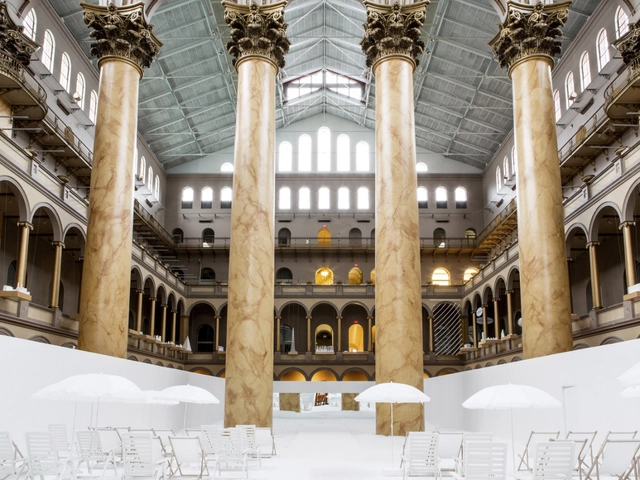
Snarkitecture’s “Fun House” has opened at the National Building Museum in Washington DC, an interactive exhibition forming part of the museum’s Summer Block Party series of temporary structures created inside its historic Great Hall.
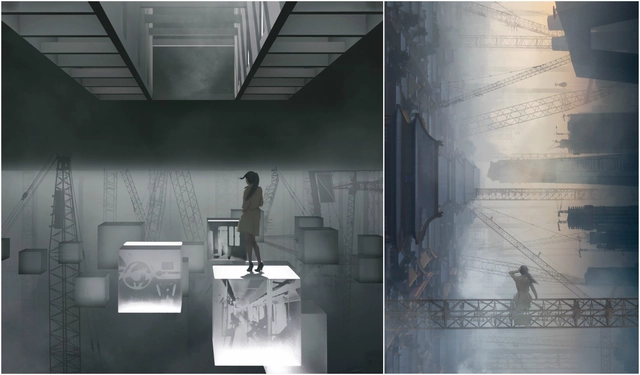
1st Place: Deep Pool That Never Dries. Image Courtesy of Blank Space
Blank Space, in collaboration with The National Building Museum, has announced winners of their fifth annual Fairy Tales competition, unveiled in front of a live audience at the Washington D.C. National Building Museum. The competition saw submissions from 65 countries, with 3 prize winners, a runner-up, and 9 honorable mentions chosen for their exploration of current events and the creative process through well-crafted short stories and artwork. The winners were chosen by a jury of 20 leading architects, including Daniel Libeskind, Bjarke Ingels, and Maria Aiolova.
https://www.archdaily.com/891849/a-tale-of-misplaced-trust-in-news-media-wins-2018-fairy-tales-competitionNiall Patrick Walsh
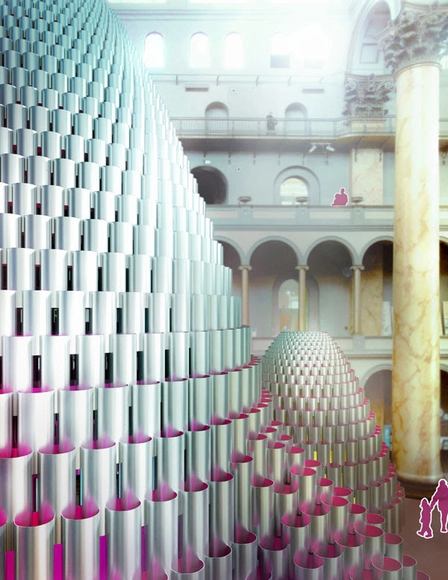
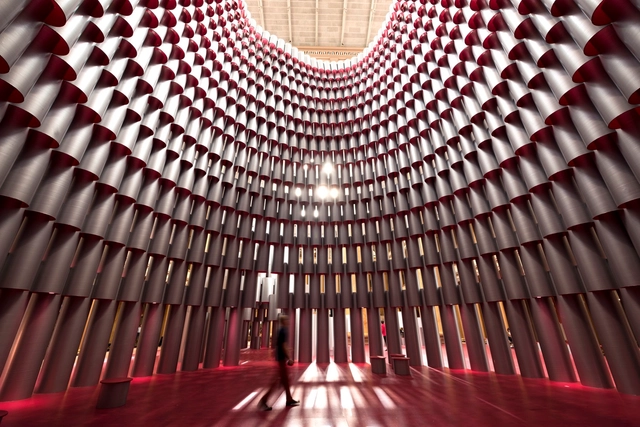
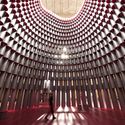
Previously home to a beach-like ball pit, a giant maze, and sea of icebergs, this summer the National Building Museum in Washington, D.C. will host the “Hive,” a 60-foot-tall domed structure made up of more than 2,700 individual paper tubes. Designed by Studio Gang, the installation is part of the museum’s Summer Block Party series, which invites architects to fill the building’s historic Great Hall with a temporary, immersive intervention.
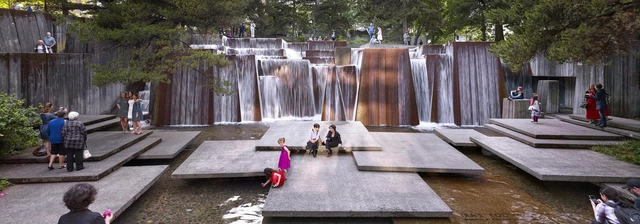
A traveling photographic exhibition about the life and work of influential Modernist landscape architect Lawrence Halprin (1916-2009). Organized on the 100th anniversary of the year of his birth, the exhibition, organized and curated by The Cultural Landscape Foundation in collaboration with the National Building Museum, is accompanied by a comprehensive website and full color, 92-page gallery guide. It features more than 50 newly commissioned photographs of his built works, as well as sketches, drawings, notebooks, models and other artifacts from the Architectural Archives at the University of Pennsylvania, and drawings from Halprin's personal collection courtesy Edward Cella Art & Architecture in Los Angeles.
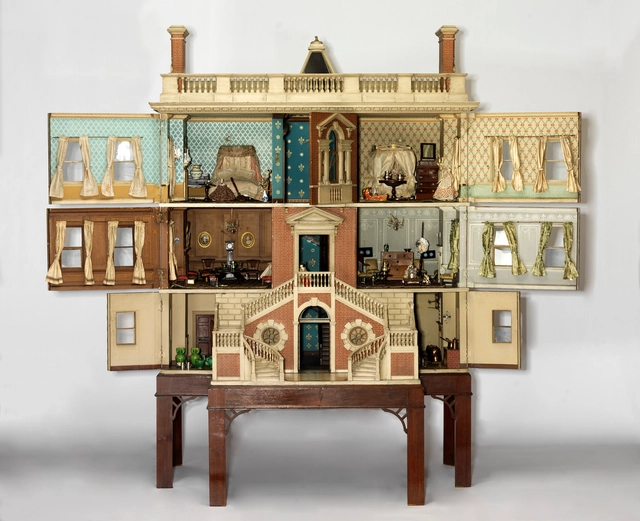
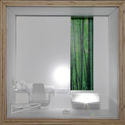
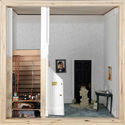
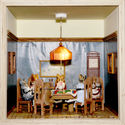
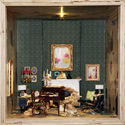
As part of a new exhibition at the National Building Museum in Washington D.C., twelve dollhouses tracing the history of British domesticity have been lent by London's Victoria & Albert Museum of Childhood. The show—Small Stories: At Home in a Dollhouse—spans 300 years and presents a miniature-sized, up-close-and-personal view of developments in architecture and design – from lavish country mansions, to an urban high-rise.
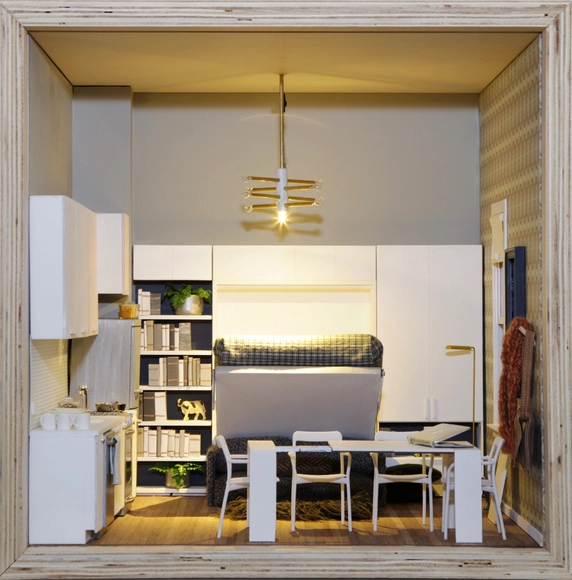
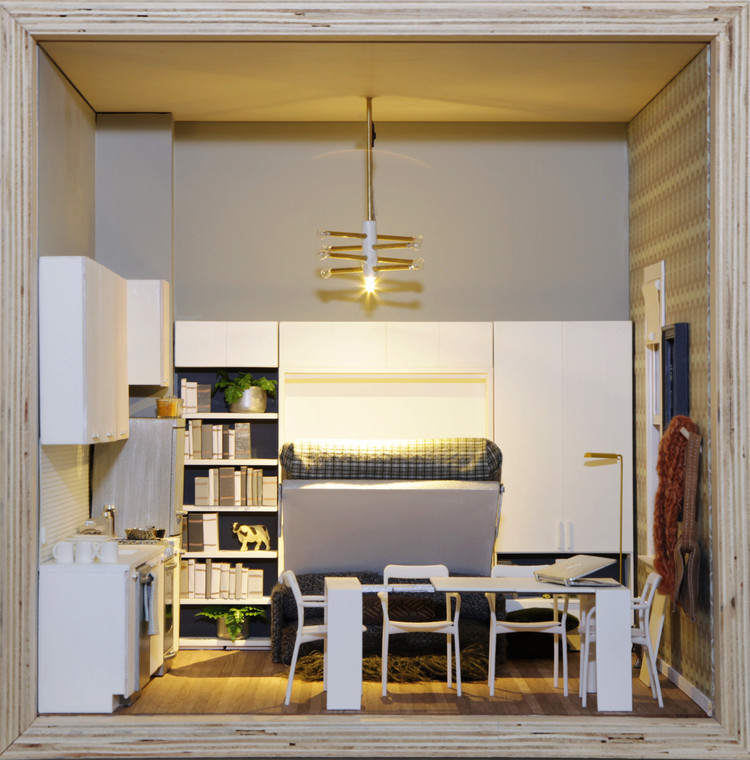
As part of a new exhibition at the National Building Museum in Washington D.C., a group of 24 American architects, designers and architects have been commissioned to create "dream homes" in the format of the contemporary dollhouse. Part of Small Stories: At Home in a Dollhouse, in which twelve historical dollhouses spanning the past 300 years from London's Victoria & Albert Museum of Childhood are being presented in the United States for the first time, these 21st Century interpretations intend to showcase a "diverse array of perspectives, demonstrating the limitless creativity of building in miniature."
Studio Gang has been selected to design next year’s installation of the Summer Block Party at the National Building Museum in Washington, D.C. The temporary exhibition will be the latest in the Museum’s annual series, after this year’s ICEBERGS by James Corner Field Operations, and previous installations like Snarkitecture’s The BEACH in 2015, and Bjarke Ingels Group’s BIG Maze in 2014.









.jpg?1530894708&format=webp&width=640&height=580)
.jpg?1530894765 "© Noah Kalina")
.jpg?1530894696 "© Noah Kalina")
.jpg?1530894809 "© Noah Kalina")
.jpg?1530894821 "© Noah Kalina")
.jpg?1530894708)
.jpg?1499456785 "© Tim Schenck")
.jpg?1499456766 "© Tim Schenck")
.jpg?1499456816 "© Tim Schenck")