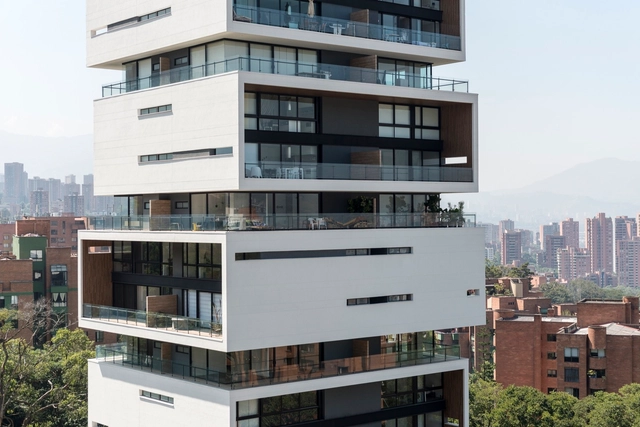
Medellín: The Latest Architecture and News
Energy Living / M+ Group


https://www.archdaily.com/794085/energy-living-m-plus-groupFlorencia Mena
Lusitania Paz de Colombia School / Camilo Avellaneda



-
Architects: Camilo Avellaneda
- Area: 12000 m²
- Year: 2015
https://www.archdaily.com/793564/lusitania-paz-de-colombia-school-camilo-avellanedaDaniela Cardenas
UVA Sol De Oriente / EDU
.jpg?1470016625&format=webp&width=640&height=580)
.jpg?1470016835 "© Alejandro Arango")
.jpg?1470016603 "© Alejandro Arango")
.jpg?1470016814 "© Alejandro Arango")
.jpg?1470016954 "© Alejandro Arango")
.jpg?1470016625)
-
Architects: EDU
- Area: 3719 m²
- Year: 2015
-
Professionals: Empresa CONCAVAS Ingenieria, Empresa EIP., Empresa PVG, Empresa ACUSTEC
https://www.archdaily.com/792402/uva-sol-de-oriente-eduDaniela Cardenas
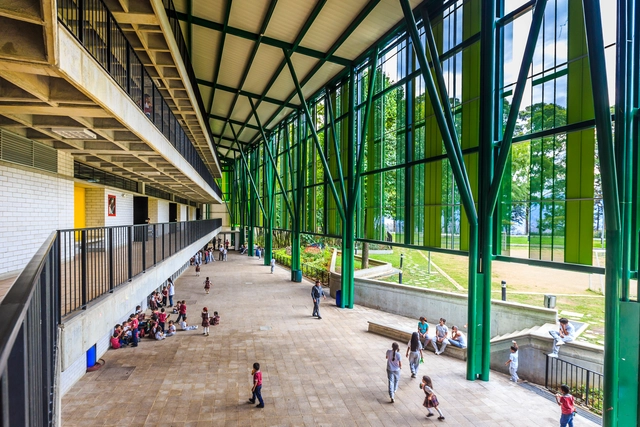
Educational Center 'Montecarlo Guillermo Gaviria Correa' / EDU - Empresa de Desarrollo Urbano de Medellín


-
Architects: EDU - Empresa de Desarrollo Urbano de Medellín
: Urban Development Enterprise EDU - Medellin - Design Workshop - Area: 5122 m²
- Year: 2012
-
Manufacturers: Calorcol, Colpisos, Concretodo, Hunter Douglas, Quasar S.A
-
Professionals: PVG architects
https://www.archdaily.com/790755/educational-centrality-montecarlo-guillermo-gaviria-correa-edu-empresa-de-desarrollo-urbano-de-medellinFlorencia Mena
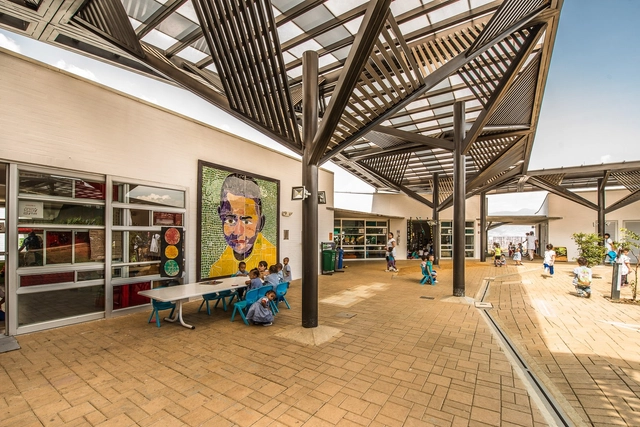
El Pinal Nursery / Felipe Bernal Henao + Javier Castañeda Acero + Alejandro Restrepo Montoya


-
Architects: Alejandro Restrepo-Montoya Arquitectura, Felipe Bernal Henao, Javier Castañeda Acero
- Year: 2012
https://www.archdaily.com/788209/el-pinal-nursery-felipe-bernal-henao-plus-javier-castaneda-acero-plus-alejandro-restrepo-montoyaIgor Fracalossi
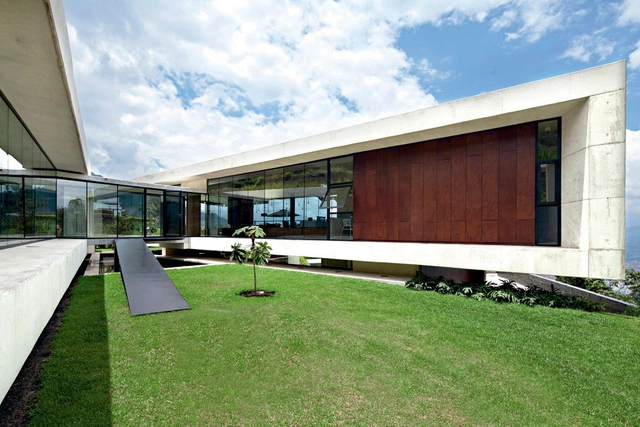
Air & Glass House / López Montoya Arquitectos


-
Architects: López Montoya Arquitectos
- Year: 2014
-
Manufacturers: Hunter Douglas
https://www.archdaily.com/783170/air-and-glass-house-lopez-montoya-arquitectosDaniela Cardenas
WIRED Looks at 8 Cities of the Future
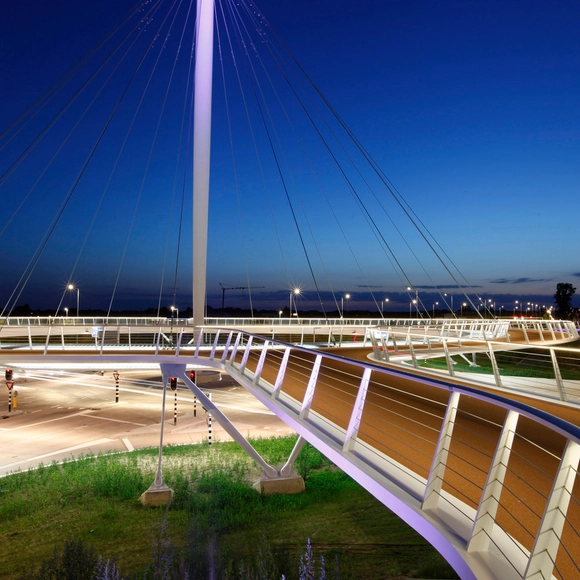
WIRED Magazine has created a list of Eight Cities That Will Show You What The Future Will Look Like in the latest edition of their design issue. In the relatively short span of time that humans have been planning cities, more and more decisions have been made that have shaped the path of new technologies and methods that will make cities better. Such projects—like new streetlights, bicycle infrastructure, and traffic-sensitive museums—highlight some of these advances in the urban lifestyle.
"The cities of tomorrow might still self-assemble haltingly, but done right, the process won’t be accidental. A city shouldn’t just happen anymore. Every block, every building, every brick represents innumerable decisions. Decide well, and cities are magic," writes Wired author Adam Rogers. Read on after the break to see how 8 different cities from around the world are implementing innovative projects.
https://www.archdaily.com/774965/wired-looks-at-8-cities-of-the-futureSabrina Santos

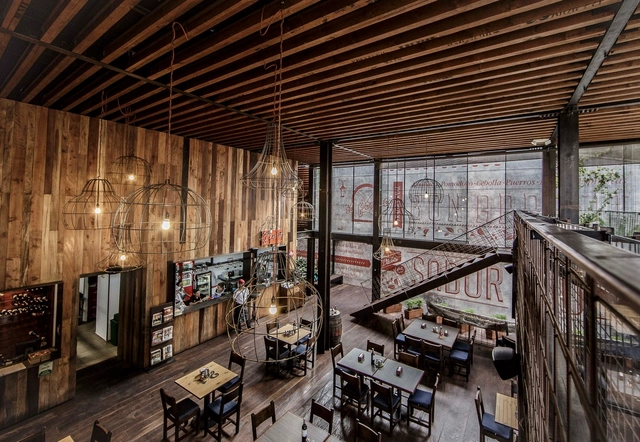
Restaurant IlForno / PLASMA NODO + Llano Arquitectos

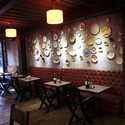

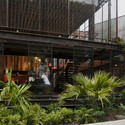

-
Architects: Llano Arquitectos, PLASMA NODO
- Area: 600 m²
- Year: 2013
-
Manufacturers: Alfa, Corona, Decorcerámica, Facolcreto, Icomallas, +3
-
Professionals: Péndulo Ingeniería
https://www.archdaily.com/700318/restaurant-ilforno-slash-plasma-disenoIgor Fracalossi
Casa de la Memoria Museum / Juan David Botero
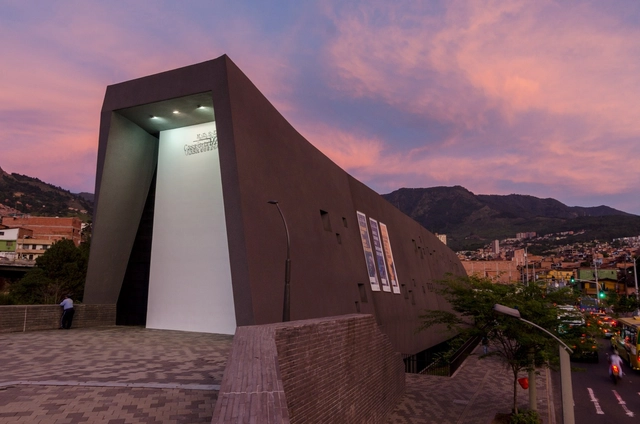


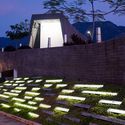

-
Architects: Juan David Botero
- Area: 21000 m²
- Year: 2011
-
Manufacturers: Sto
https://www.archdaily.com/772536/museo-casa-de-la-memoria-juan-david-boteroIgor Fracalossi
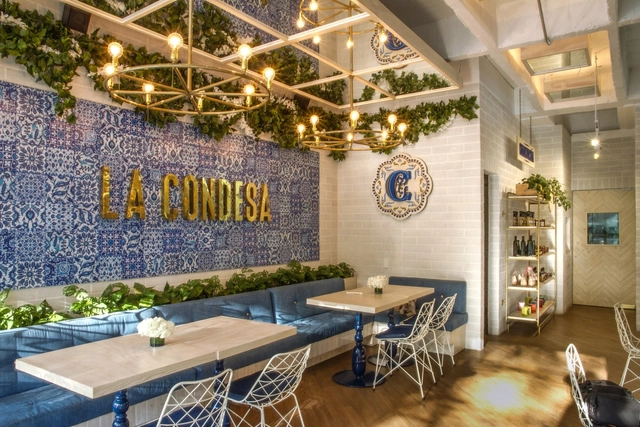
La Condesa / PLASMA NODO


-
Architects: PLASMA NODO
- Area: 100 m²
- Year: 2015
-
Manufacturers: Alfa, Corona, Decorcerámica, Diamantina & La Perla, Dmension Studio, +3
https://www.archdaily.com/771802/la-condesa-plasma-nodoIgor Fracalossi
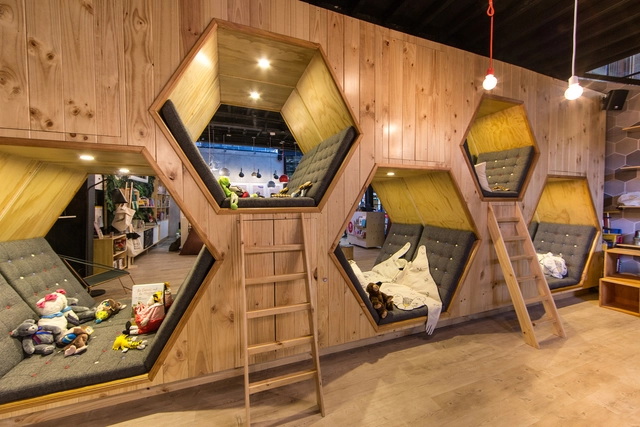
9 ¾ Bookstore + Café / PLASMA NODO





-
Architects: PLASMA NODO
- Area: 120 m²
- Year: 2015
-
Manufacturers: Alfa, Concrestone, Corona, Decorcerámica, Dmension Studio, +5
https://www.archdaily.com/770943/9-three-fourths-bookstore-plus-cafe-plasma-nodoIgor Fracalossi
How EPM Group Is Reclaiming Medellín's Infrastructure as Public Space
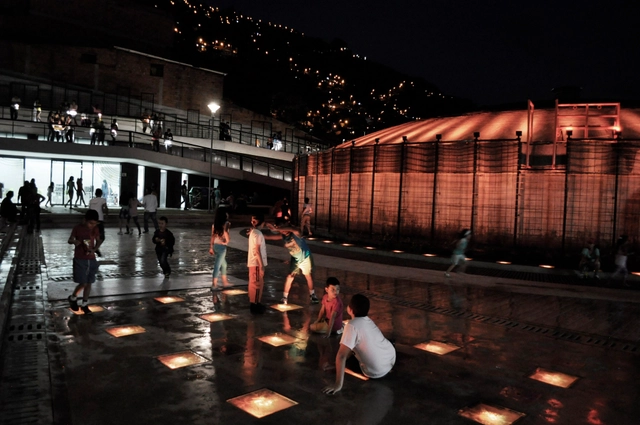
With a high-density population and a history of internal armed conflict, the city of Medellín in Colombia lacked substantial public space, but had an overwhelming amount of industrial infrastructure in place. But as profiled by The Architectural Review, recently architects and urban planners of the EPM group saw this imbalance as an opportunity, and so in the uninhabited patches of land surrounding over one hundred fenced industrial lots, the UVA or Unidades de Vida Articulada (Units of Articulated Life) program was born. Including initiatives to build public classrooms, launderettes and cafés, the UVA projects were conceived together with the local population through a series of workshops, where every resident was invited to express their vision for the new public square through writing and drawing. Medellín, existing at the convergence of several hills, provides a wide variety of unique landscapes for architects to experiment on - and through the UVA projects, EPM Group demonstrates how architecture can empower a community from the first day of design. Read more about how this project will continue to instigate positive change at The Architectural Review.

https://www.archdaily.com/642184/how-epm-group-reclaimed-medellin-s-infrastructure-as-public-spaceJoey Jacobson
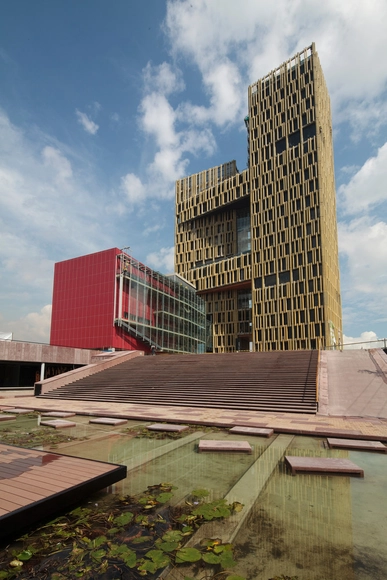
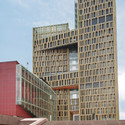
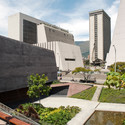
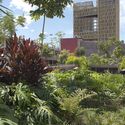
Plaza de La Libertad Civic Center / OPUS + Toroposada Arquitectos


-
Architects: OPUS, Toroposada Arquitectos
-
Manufacturers: Adoquinar, Agregados del Norte, Caputi & Vieira, Cimbrados, Durapanel, +3
https://www.archdaily.com/556939/plaza-de-la-libertad-civic-center-opus-toroposada-arquitectosIgor Fracalossi
Auditorio Colegio la Enseñanza / OPUS + MEJÍA / OPUS + MEJÍA
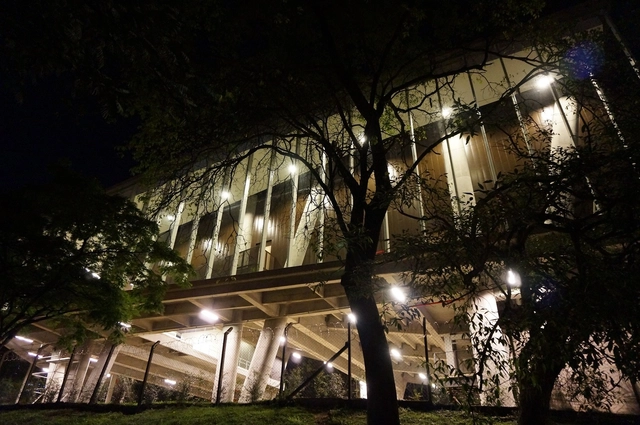

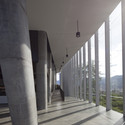
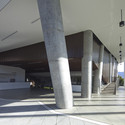
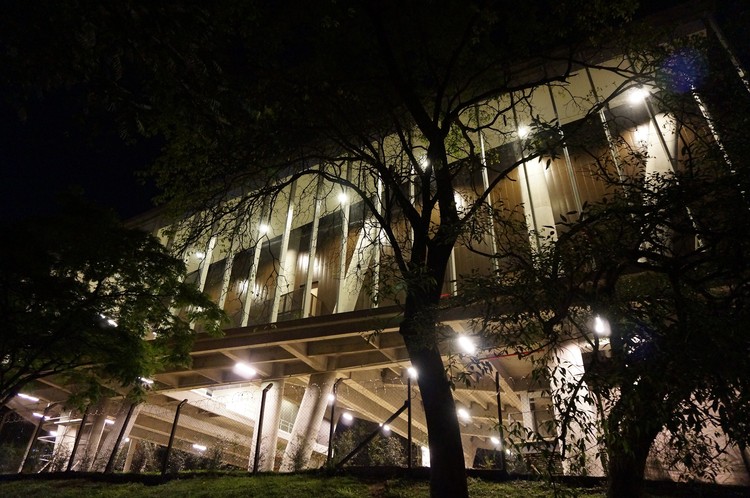
- Area: 2600 m²
- Year: 2013
-
Manufacturers: Argos, El Cedro Rojo, Estaco, Eternit, Hunter Douglas, +3
-
Professionals: Muros y techos S.A.
https://www.archdaily.com/633723/la-ensenanza-school-auditorium-opus-mejia-opus-mejiaIgor Fracalossi
Camilo Mora Carrasquilla School / FP arquitectura + Mauricio Montoya
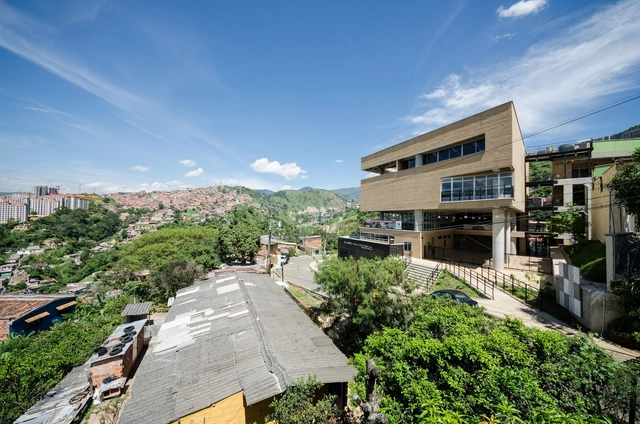

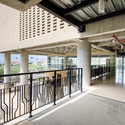

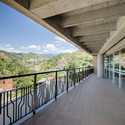
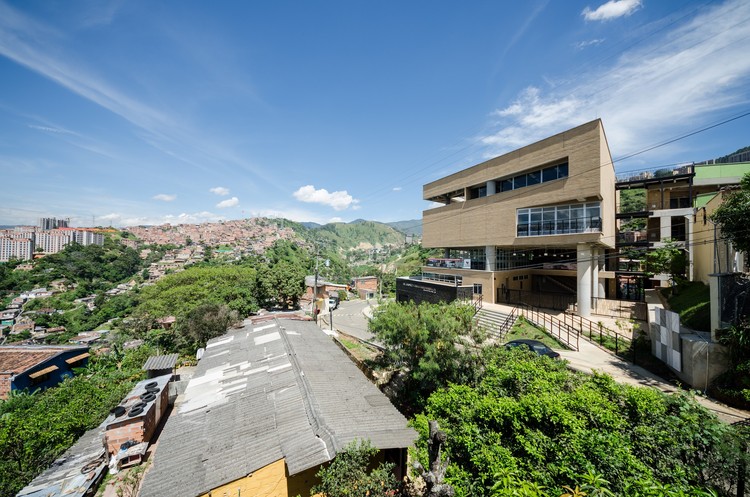
https://www.archdaily.com/588858/camilo-mora-carrasquilla-school-fp-oficina-de-arquitecturaIgor Fracalossi
Ask Arup: How to Build on a Site that is "Pretty Much a Pool"
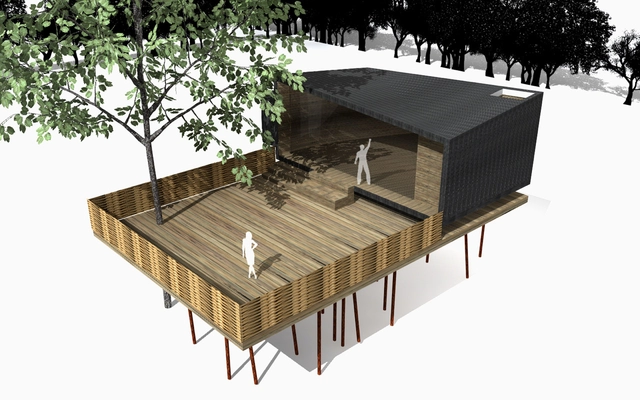
This article originally appeared on Arup Connect as “Ask Arup: Silty Sand Solutions.”
Architect Juan Esteban Correa Elejalde’s client tasked him with designing an off-the-grid getaway for a rural site near Medellín, Colombia. After completing the initial design concept, Correa Elejalde ordered a soil study of the client’s land.
Unfortunately, the results showed the site to be “pretty much a pool,” he said; the high water table and thick layers of loose soil would provide little capacity to support heavy objects above.
After seeing Arup Connect’s call for engineering-related questions on ArchDaily, he reached out to see if we could offer any insight.
https://www.archdaily.com/585854/ask-arup-how-to-build-on-a-site-that-is-pretty-much-a-poolArup Connect
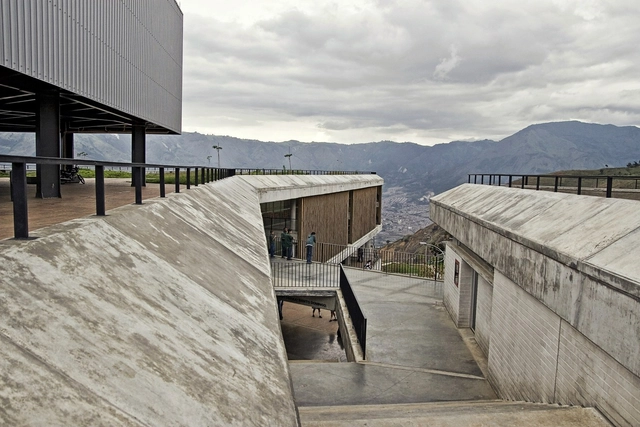
Antonio Derka School / Obranegra Arquitectos

-
Architects: Obranegra Arquitectos
: Carlos Pardo Botero, Mauricio Zuloaga Latorre, Nicolás Vélez Jaramillo - Area: 7500 m²
- Year: 2008
-
Manufacturers: Argos, Indural, Maderinco, Metecno, Pescadero
-
Professionals: A.I.A (Arquitectos e Ingenieros Asociados)
https://www.archdaily.com/550567/colegio-antonio-derka-santo-domingo-savio-obranegra-arquitectosIgor Fracalossi
Latin America's Top 8 Smart Cities
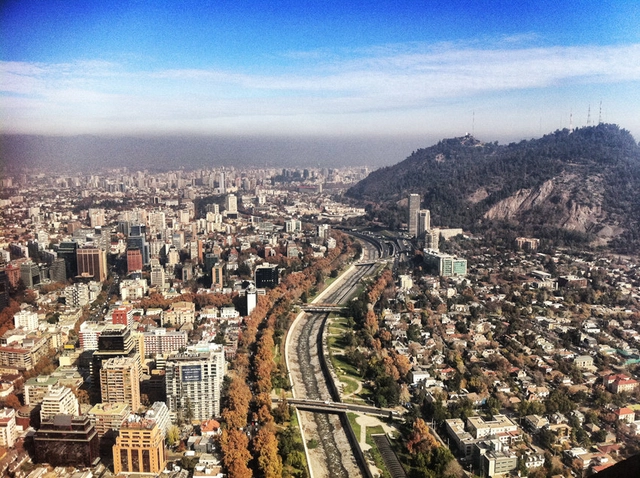
In this article for Fast Company, Boyd Cohen counts down the top 8 smart cities in Latin America. Using publicly available data and his own comprehensive framework to evaluate how smart a city is, he has generated a list which even he admits features a couple of surprises in the top spots. To see the list and discover what each city has achieved to deserve its ranking, you can read the full article here.
https://www.archdaily.com/455488/latin-america-s-top-8-smart-citiesRory Stott