

-
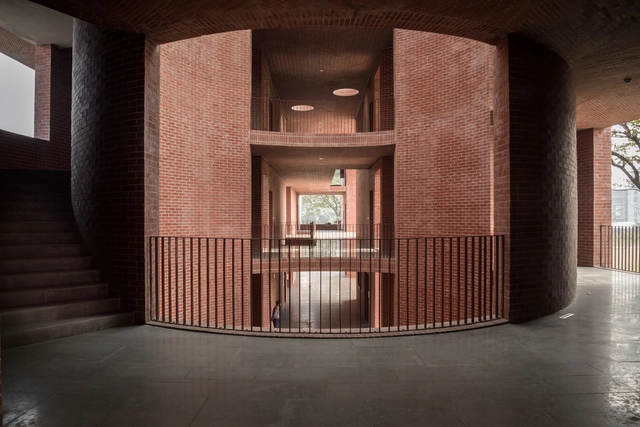
Architects: Kashef Chowdhury - URBANA
- Area: 66800 ft²
- Year: 2020
-
Manufacturers: COTTO, Chittagong Timber, KGE, Mirpur Ceramics, Platform Solution Ltd.
-
Professionals: M/S Rakin Enterprise
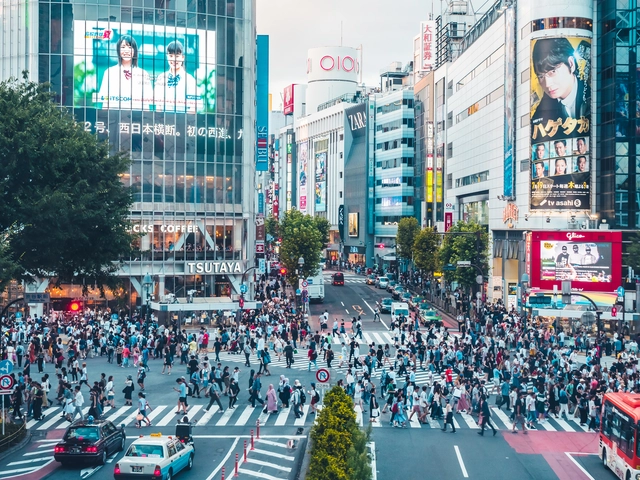
Half of the world’s population now lives in cities, according to UN-Habitat’s latest reports. While this number is set to increase to two-thirds by 2050, urban challenges are growing exponentially, making it more crucial than ever, to transform our cities. Annually, the world population review assesses the growth of cities and the number of residents living in metropolitan areas, to understand global evolution trends. In 2022, the list of the top 20 most populated countries remained similar to the 2021 edition, with a slight change in numbers and positions. Tokyo kept its status as the world’s largest city, with 37 million inhabitants, while Delhi and Shanghai, followed in second and third positions.
Comparing the results to the 2021 edition, the only decrease that can be seen in the top 20, involves both Japanese cities, Tokyo and Osaka. The rest of the list had, on average, a growth of 1.8% in the total of people residing in metropolitan areas. In fact, African cities Kinshasa in the Democratic Republic of Congo and Lagos in Nigeria gathered the highest rates, with respectively a 4.39% and a 3.54% increase in residents in 1 year. The largest city in the American continent is still Sao Paulo in Brazil, followed closely by Mexico City and Buenos Aires in Argentina, further down the table. In Europe, Istanbul is the most populous, with more than 14.5 million residents.
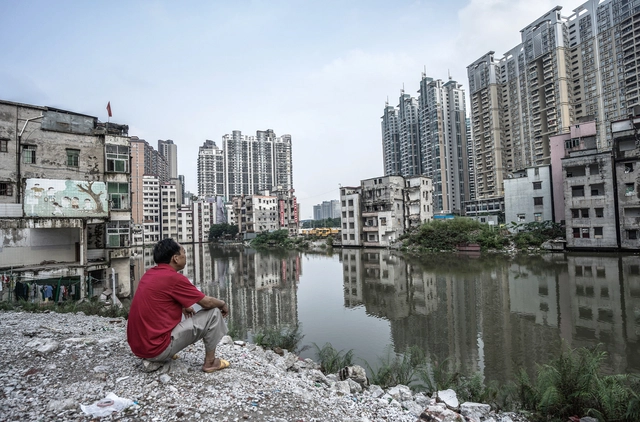
As is obvious to anyone with even a passing interest in demographics, cities are becoming denser—much denser. Rural life continues its steady emptying-out as urban life accelerates its explosive filling-in. The tilt has been apparent at least since the middle of the last century when the French geographer Jean Gottmann invented the word “megalopolis” to describe the continuous urbanization from Boston to Washington, D.C., then containing one-fifth of the United States’ population. But nowhere has the shift from countryside to city been more dramatic than in present-day Asia.

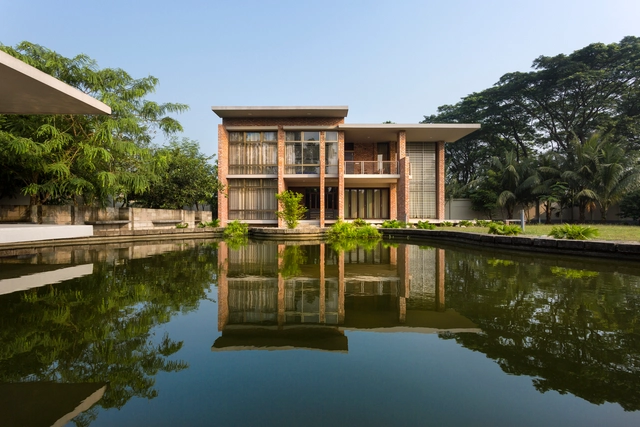
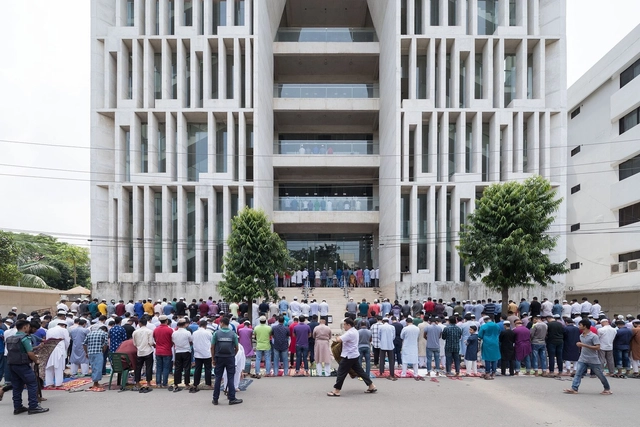
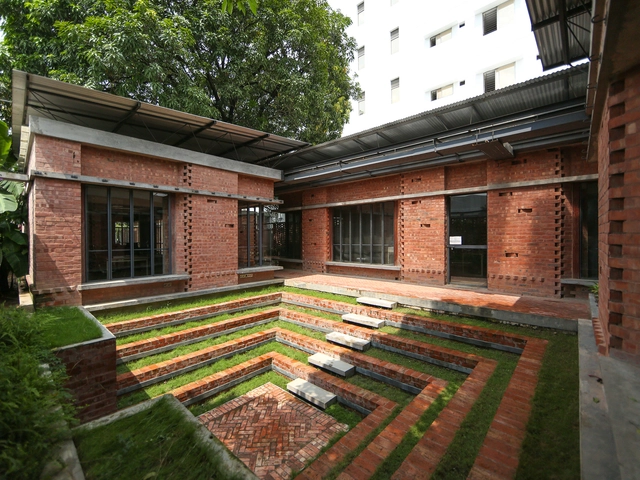
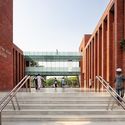
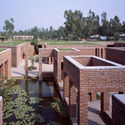
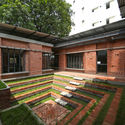
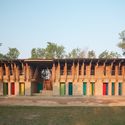
Bangladesh has built a new wave of cultural architecture over the last decade. Tied to design influences from across the Bengal region and the broader Indian subcontinent, the country's modern buildings stand alongside monuments dating back thousands of years. With an architecture rooted in religion, history and culture, contemporary projects build upon the past to imagine a new future for Bangladesh and its cities.
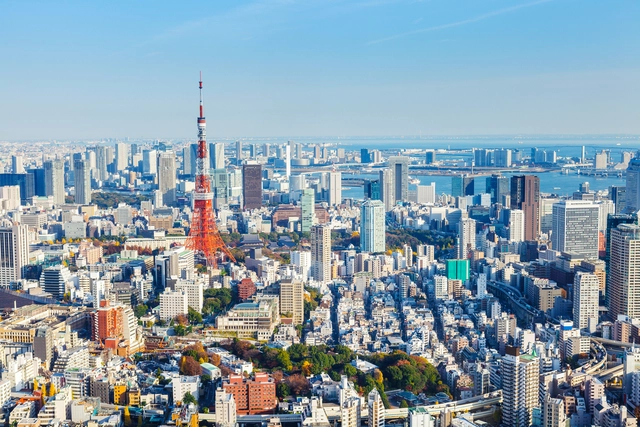
According to the United Nations’ latest report on populations in cities, by 2030, “urban areas are projected to house 60 percent of people globally and one in every three people will live in cities with at least half a million inhabitants”. Growing in both size and number, cities are hubs of government, commerce, and transportation, and in 2021, the world’s 20 largest cities are home to half a billion people. In fact, one in five people worldwide lives in a city with more than 1 million inhabitants.
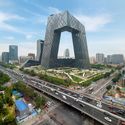
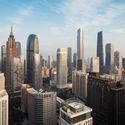
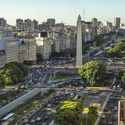
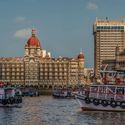
Below, we have rounded up the top 20 megacities in the world of 2021, according to the number of people that live in their metropolitan area. While Tokyo is the largest city on a global level, with a total of more than 37 million residents, the majority of the most populous cities in the world are in the two most populated countries, China and India. Among these, we have 5 metropolises in China, Shanghai, Beijing, Chongqing, Tianjin, and Guangzhou, and 3 in India, Delhi, Mumbai, and Kolkata. The largest city in the American continent is Sao Paulo in Brazil with 22 million people, followed by Mexico City and Buenos Aires in Argentina. Istanbul takes the 13th position with one part of the city lying in Europe and the other part in Asia.
(1).jpg?1614161719&format=webp&width=640&height=580)
The Un-Habitat or the United Nations agency for human settlements and sustainable urban development, whose primary focus is to deal with the challenges of rapid urbanization, has been developing innovative approaches in the urban design field, centered on the active participation of the community. ArchDaily has teamed up with UN-Habitat to bring you weekly news, article, and interviews that highlight this work, with content straight from the source, developed by our editors.
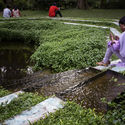
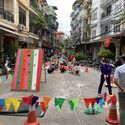
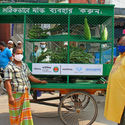
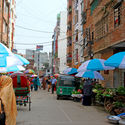
“During this pandemic, public spaces have played a vital role in the health and sustainability of urban communities around the world” states James Delaney, Block by Block chair. In fact, people need to go outside, now more than ever. In order to equip these public spaces to face the challenges of Covid-19, UN-Habitat with the Block by Block Foundation has been supporting ten cities, throughout this past year. With the help of local governments and the community, the initiatives helped covid-proof open urban entities, especially in poor neighborhoods, where there are few shared and green spaces. From creating mobile pop-up playgrounds for children in Hanoi, Vietnam, improving livelihood for street vendors in Dhaka and Khulna, Bangladesh to Covid Proofing of Public Spaces in Bhopal informal settlements, India, these responses have provided help to those who need it the most.

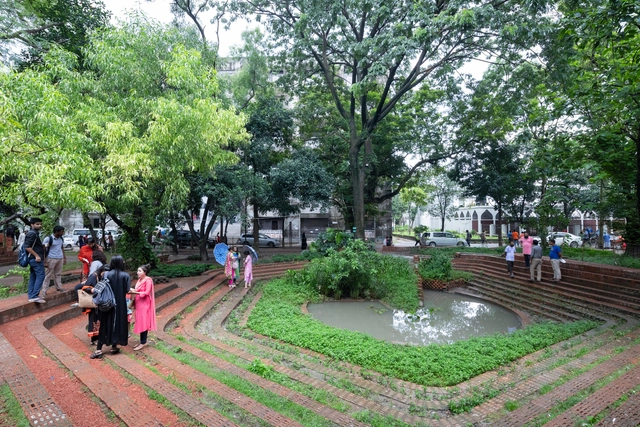

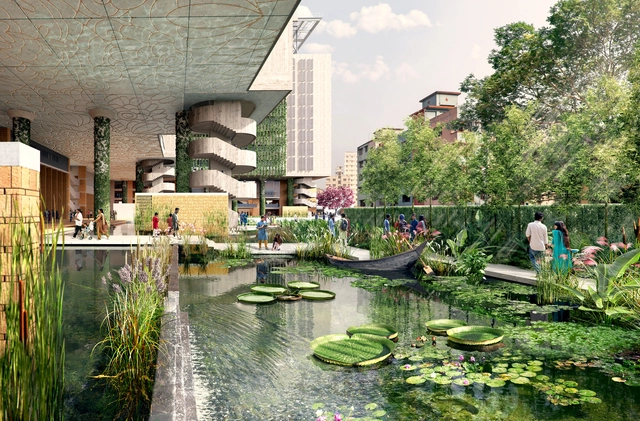
WOHA and BRAC University have unveiled the latest images from the 5.3-acre university campus, scheduled for completion in 2021. Located in Dhaka, Bangladesh, the intervention will transform a polluted and flooded wasteland into a sustainable inner-city campus and public park.
MikeKelley.jpg.jpg?1578573134&format=webp&width=640&height=580)
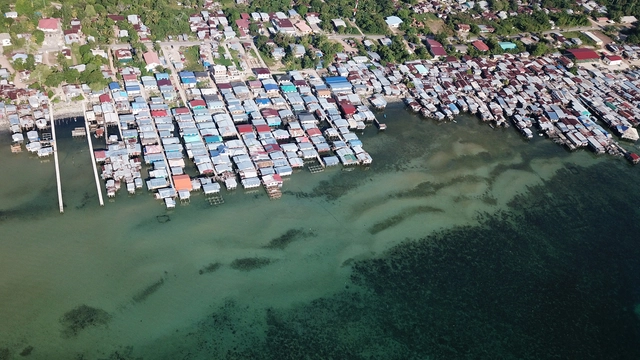
Goldman Sachs has released a report on the effects of climate change on cities across the world. The study explored the major changes that will transform the planet and highlighted several metropolises that will be at risk of flooding.









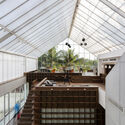


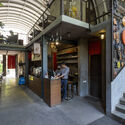


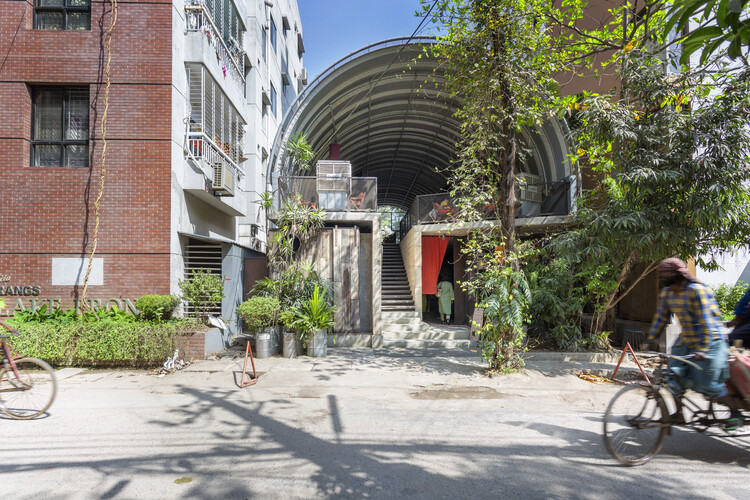

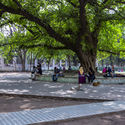
.jpg?1617799520 "© Saiqa Iqbal Meghna")

.jpg?1614161736 "Mobile playground in Vietnam. Image Courtesy of UN-Habitat, Global Public Space Programme")
(1).jpg?1614161719)










MikeKelley.jpg.jpg?1578572720 "© Mike Kelley, Will Scott")
MikeKelley.jpg.jpg?1578572798 "© Mike Kelley, Will Scott")
MikeKelley.jpg.jpg?1578572856 "© Mike Kelley, Will Scott")
MikeKelley.jpg.jpg?1578572914 "© Mike Kelley, Will Scott")
MikeKelley.jpg.jpg?1578573134)