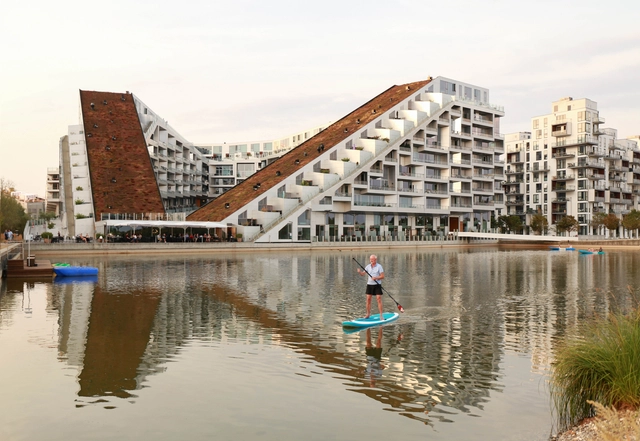
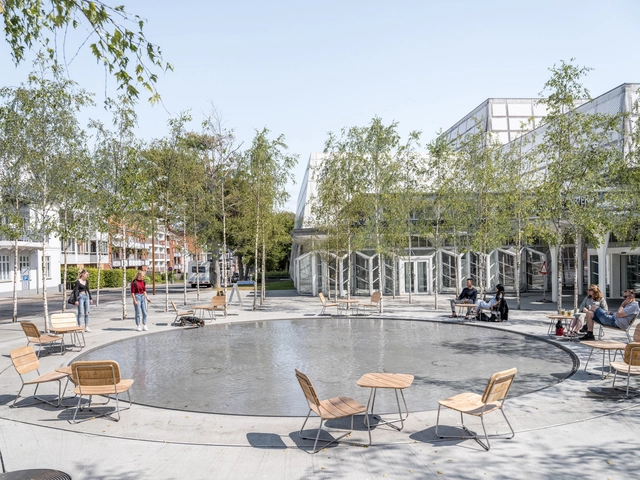
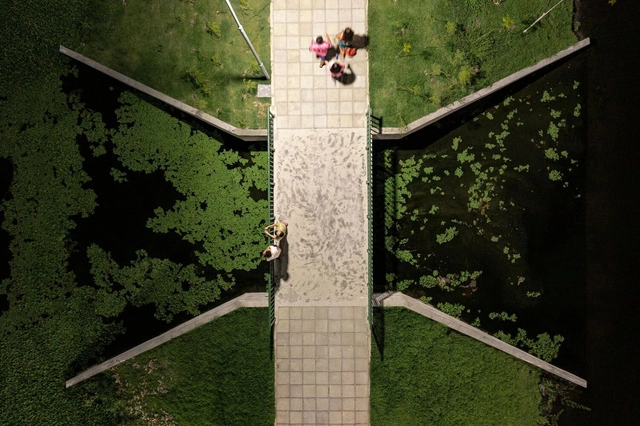
Water is indispensable for all forms of life on Earth, as it plays a vital role in maintaining biological processes, supporting ecosystems, and contributing to human well-being. Additionally, water holds cultural significance in many societies, being associated with rituals and ceremonies and carrying diverse symbolic meanings.
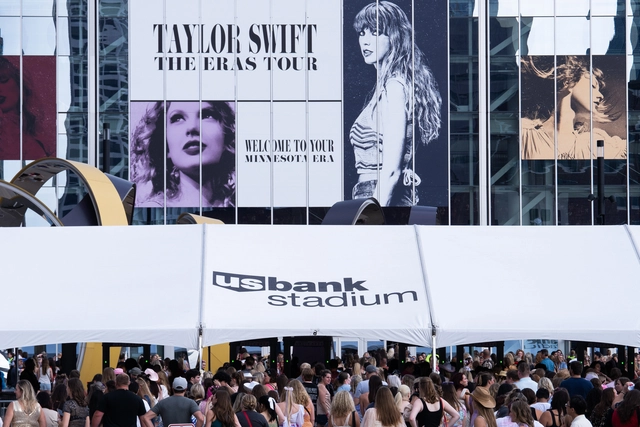
When internationally acclaimed music icons like Beyoncé, Taylor Swift, and Paul McCartney announce their global tours, the anticipation sparked by revealing the countries and respective host cities is met with thorough preparations. These preparations aim to adapt to the array of changes that will unfold in the urban spaces of these cities due to the impact of these events. These mega-concerts extend beyond the musical realm; they transcend the stage to mobilize significant financial figures and result in various transformations in the everyday urban life of these cities. Even though these events do not last long, they instigate alterations in diverse spheres and urban sectors, including tourism, hospitality, food, and transportation.
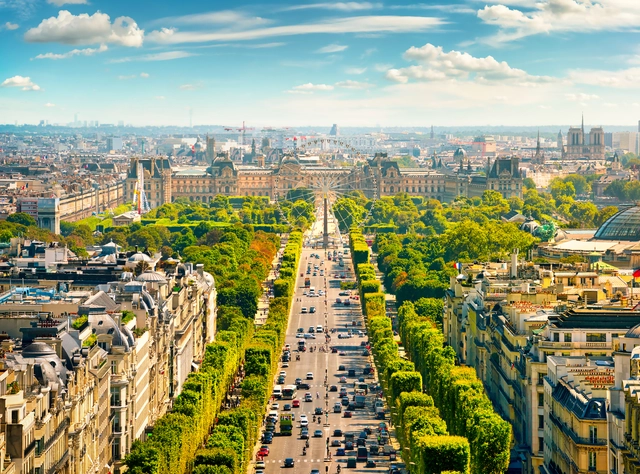
via Shutterstock | givaga | View on Avenue des Champs Elysses
As the countdown to the XXXIII Olympic Games in Paris ticks away, the city is making preparations that will completely shift its urban landscape and infrastructure. Set to be the largest event ever organized in France, the games will start on 26 July and continue till 11 August 2024. With only 200 days left, the Paris City Council has approved around 43 new initiatives acting as a catalyst for the city's transformation – aiming for a greener, healthier, and mobile Paris. From cleaning the Seine River to building a cycling lane, activating a transit line, and banning non-essential city traffic, the heart of the French capital is on a mission against time to revitalize its historic urban core.
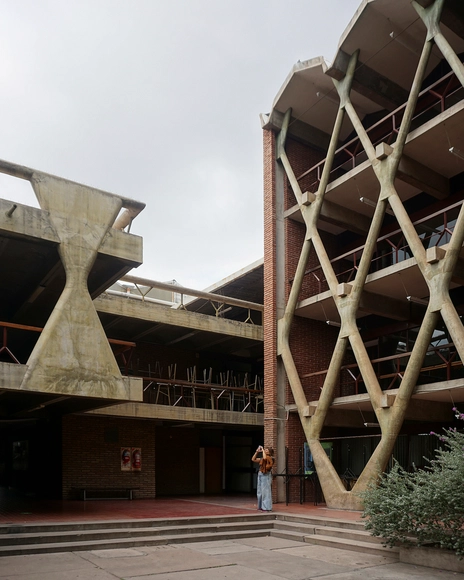
There are reasons to visit the city of Mendoza: it serves as both the gateway to Argentine wine tourism and a diverse collection of historically and architecturally significant buildings. From the Museum of the Foundational Area to the renowned Faculty of Architecture at the University of Mendoza, this guide invites you to explore a cultural and scenic richness reflected in every facade and every street. The city's public spaces not only blend with the natural surroundings of the vast Andes but also harmonize with a system of irrigation channels and urban greenery that can be appreciated at every moment of the journey.
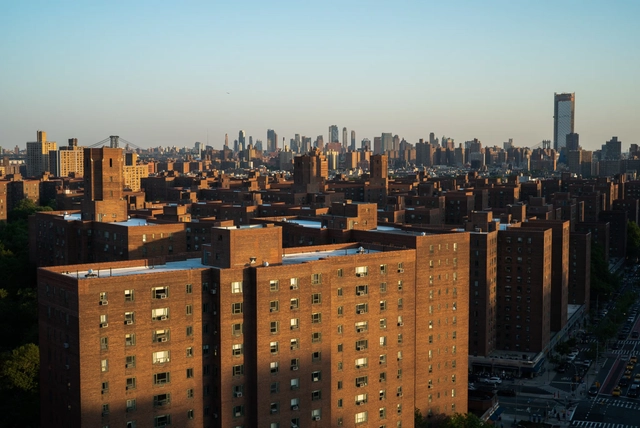
In the ever-evolving landscape of urban development, cities are faced with an array of challenges that demand quick and innovative solutions, ranging from the critical issue of affordable housing to the pressing need for efficient and decongested infrastructure and sustainable energy practices. As the demands of the built environment expand, local authorities worldwide are redefining policies and regulations to shape their cities. These innovative regulations can drive sustainable and consistent progress as cities stand at the intersection between their present challenges and future aspirations.
A few days before the end of November, Gramado, a city known as one of the most sought-after tourist destinations in southern Brazil, grabbed the attention of national and international media. Unfortunately, it wasn't due to its film festival or the traditional lavish Christmas festivities. The city, already suffering from weeks of persistent rain, witnessed the emergence of massive geological rifts tearing through its streets, creating a post-apocalyptic movie-like scenario.
The imminent danger of ground movement alerted the population and the authorities, who promptly evacuated the buildings on the hills of the condemned neighborhood. This course of action proved entirely effective and responsible, as one of the buildings within the designated area did indeed collapse three days after the evacuation. However, it is worth noting a detail: the affected neighborhood consisted of upscale residences and luxury hotels and inns, which raises a question: would the efforts have been the same if the situation occurred in lower-income peripheral neighborhoods?
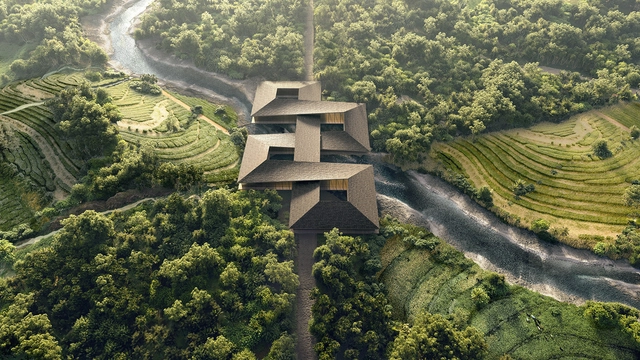
BIG has just unveiled “Gelephu,” an envisioned master plan that draws from Bhutanese culture, Gross National Happiness principles, and spiritual heritage. During the 116th National Day of Bhutan, His Majesty King Jigme Khesar Namgyel Wangchuck introduced the plans for the prospective economic center in the country. Designed in collaboration with Arup and Cistri, the master plan is adhering to the sustainable standards of the world’s first official carbon-negative country, Bhutan.
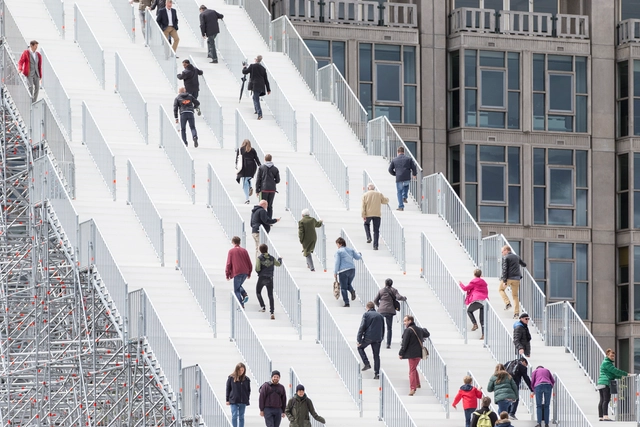
Staircases facilitate transit and movement within cities, influencing how communities interact and navigate their urban surroundings. Despite often going unnoticed within the cityscape, these staircases are significant witnesses to history. Beyond their architectural function, they are essential connectors, providing spaces where the pulse of urban life unfolds. Amidst buildings, hills, slopes, and bustling streets, staircases emerge as dynamic stages for movements, encounters, and disconnections, intertwining with the narratives embedded in each step.
2023 witnessed major conflicts and political crises, catastrophic natural disasters, and global turmoil. It has also seen the decline in the severity of the COVID-19 pandemic, the continuous rise of generative AI models, as well as the emergence of India as the world's most populous country, surpassing China. 2023 has also sparked worldwide discussions in the architectural realm. The 18th International Architecture Exhibition – La Biennale di Venezia challenged its audience to think in a different, more empathetic way, taking a broader perspective on architecture and shifting its focus towards the discipline rather than just the profession. This shift also created space for voices and discussions often overlooked in global exhibitions. The 2023 Sharjah Architecture Triennial celebrated everything that exists, especially in the global south where places thrive amidst scarcity. The main themes of the year centered on decarbonizing the built environment, resources and production, traditional materials and know-how, consumer culture and waste, as well as decolonization, local narratives, and identities, among others.
ArchDaily has closely followed all these stories, consistently examining them through an urban and architectural lens to address global issues. Aligned with our commitment to "empowering everyone involved in shaping architecture to enhance the quality of life," the 2023 ArchDaily's Best Articles selection showcases a broad spectrum of current topics.
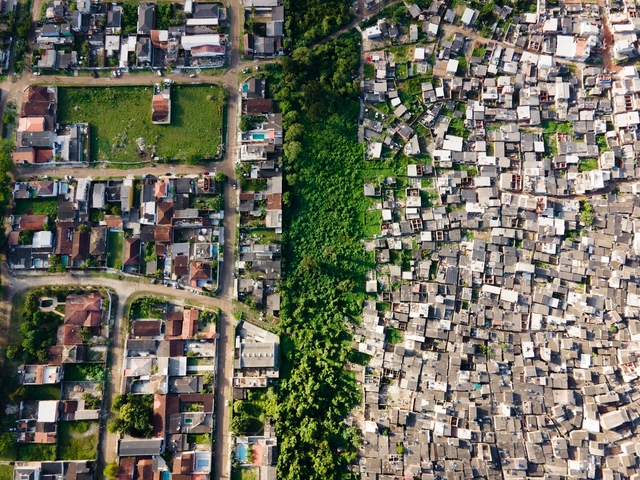
In the rapidly evolving landscape of the 21st century, cities have emerged as models of innovation in terms of sustainable development goals. Cities creatively address pressing urban challenges, including density, transportation, housing, and resilience. They hold the potential to pioneer a comprehensive climate agenda, serving as laboratories for sustainable initiatives, cross-sectoral innovations and community-oriented strategies. Cities act as catalysts for revolutions, implementing impactful solutions that can be applied worldwide.
We are on the brink of concluding the hottest year in the past 125,000 years. Recently, elevated temperatures have adversely impacted the daily routines of a significant portion of the population, particularly those who spend most of their day outdoors without access to air-conditioned environments. Excessive heat stems from various sources, both natural and human-induced. Given the grim outlook on this matter, it becomes imperative to explore structural measures to address and mitigate the potential deterioration of public health caused by escalating temperatures.
In several cities in Brazil, the amount of rainfall has already surpassed the total accumulated for the rest of the year. Flooding, inundations, and landslides are commonplace news in regional newspapers. In this chaotic scenario, a study presented by the National Confederation of Municipalities states that, amidst the rains in the south and drought in the north, 5.8 million Brazilians have been directly affected by disasters in 2023, whether by loss of lives, displacements, or significant economic damages.
Unfortunately, the outlook is not promising either. The national version of the renowned IPCC climate change report, compiled by the Brazilian Panel on Climate Change (PBMC), has already warned that Brazil, along with other countries in Latin America, will not only experience rising temperatures due to climate change but will also witness a drastic shift in its rainfall patterns. In other words, here in the south, we better get used to the sound of rain on our windows, while the north should brace for historic droughts.
In 2022, a wider audience gained access to unexpectedly powerful AI tools, including Stable Diffusion, Midjourney, and DALL-E 2 for text-to-image generation, as well as the human-like chatbot OpenGPT.
One year later, pundits, organizations, and governments have stated these technologies will pose profound risks to society and humanity—from automation-spurred job loss to disrupting democratic processes to the automatization of weapons.
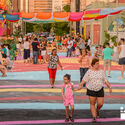
One of the most radical instances of public space transformation happened recently. During the early months of the Covid-19 pandemic, public space transformed into “a medical resource, a distribution hub, an overflow space, a center of protest and resistance, a gym, a senior center, a community center, a daycare center, a schoolyard, a night club, a transportation corridor, an outdoor restaurant, a shopping mall, a children’s playground, an outdoor theater, a music venue, a nature center, and a place of belonging and ‘being at home.’”
https://www.archdaily.com/1010271/socially-just-public-spaces-are-crucial-to-flourishing-societiesGrace Mitchell Tada
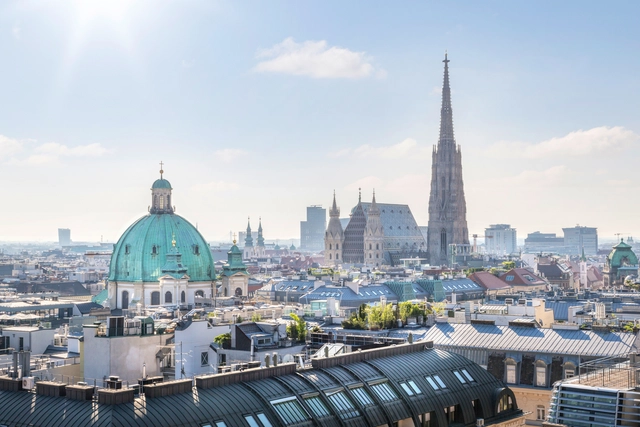
Often referred to as the “City of Music,” Vienna stands as a living testament to architectural evolution across centuries. Bring together an array of styles, ranging from the grandeur of Baroque palaces to the innovative Art Nouveau designs and the Vienna Secession movement, visitors are drawn to the city for its architectural marvels. Vienna's eventful past is reflected in its architectural landscape, which has withstood wars, imperial expansions, and the changes of numerous artistic trends while managing to maintain its unique identity as a symbol of resilience and reinvention.
From Adolf Loos, whose radical ideas challenged the trends of his time, to Otto Wagner, a pioneer of Viennese Modernism, Vienna's architectural legacy continued to evolve. Fast-forwarding to contemporary times, Vienna's skyline bears the mark of internationally renowned architects like Zaha Hadid, whose fluid and futuristic designs push the boundaries of architecture. Hadid's work, including the Library and Learning Center at the University of Economics and Business, offers a dynamic contrast to the city's historic landscape. Moreover, firms like CRAB Studio, founded by Sir Peter Cook and Gavin Robotham, bring experimentalism to Vienna's architecture, infusing contemporary concepts into the urban fabric. These architects and firms contribute to Vienna's architectural richness, adding new chapters to its storied history while honoring its innovation and artistic legacy.
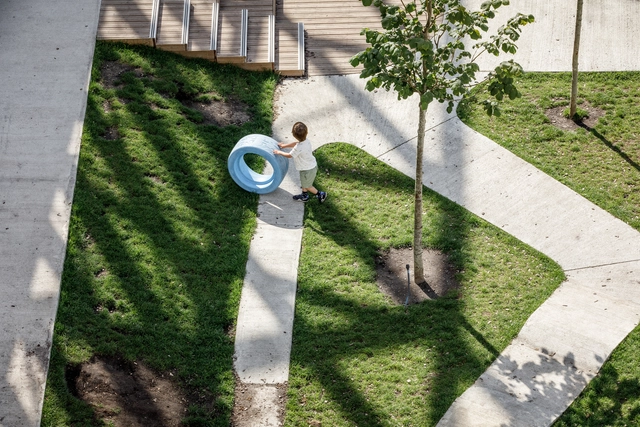
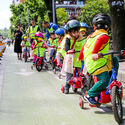
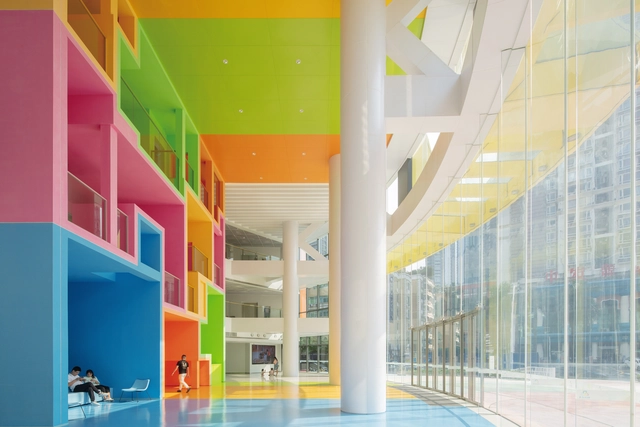
Have you ever considered how spaces are perceived, experienced, and enjoyed from a height of 95 cm? Considering urban design from the child's perspective is essential for fostering inclusive, healthy, and secure cities. Components tailored to these needs benefit children and enhance the experience for adults, the elderly, and people with disabilities. Blocks play a pivotal role in this discourse as key urban elements. These spaces provide several opportunities for utilization and adaptation within urban environments. They can be modified and designed in diverse ways, incorporating strategies to better cater to the specific needs of children.
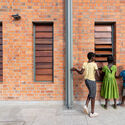
Respecting others seems like something still distant from prevailing in humanity. In a world where news bombards us with various forms of violence, it is always necessary to find ways to recognize the worth and dignity of each person and to respect differences. We need to cultivate tolerance towards what we don't know, and in this regard, architecture can be an important ally.
Moving away from top-down approaches, contemporary practices embrace more inclusive and participatory models and design processes. Participatory planning, a notion that prioritizes involving the entire community in the decision-making process, has earned widespread recognition and popularity globally. Cities across the world have interpreted participatory planning to fit their unique needs, using technology and government resources to expedite and enhance the process.