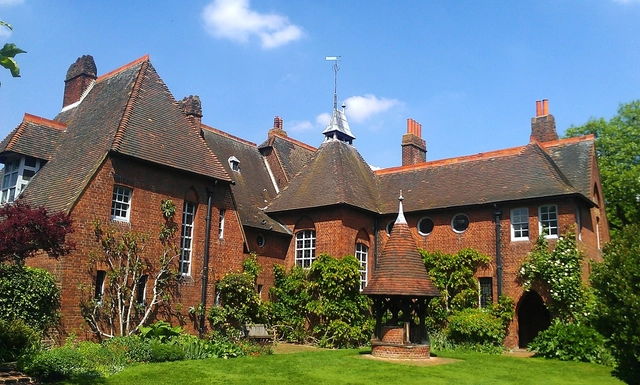
Red House. Photo by Ethan Doyle White, via Wikipedia. Licensed under CC BY-SA 3.0
William Morris was one of the leading figures of the 19th-century Arts and Crafts movement. Guided by his political ideals, his practice spanned architecture, decoration, and design, eventually extending to writing—always striving to foster workplaces as spaces of pleasure and contemplation.
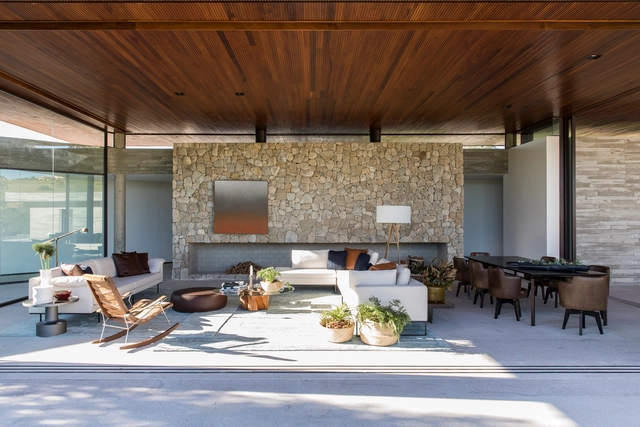
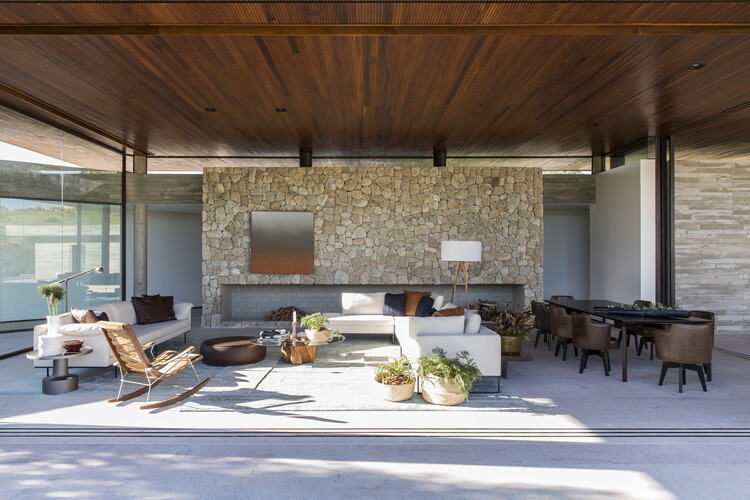
Ancient builders had deep knowledge about environmental conditions and the physical needs of humans in their search for shelter. Regardless of technological advances and the evolution of our perception of the world around us, this kind of knowledge and relationship with our surroundings can still be applied today and adapted to our current context. Natural stone, when used in architecture shows just that, as we explore its many different styles and applications.
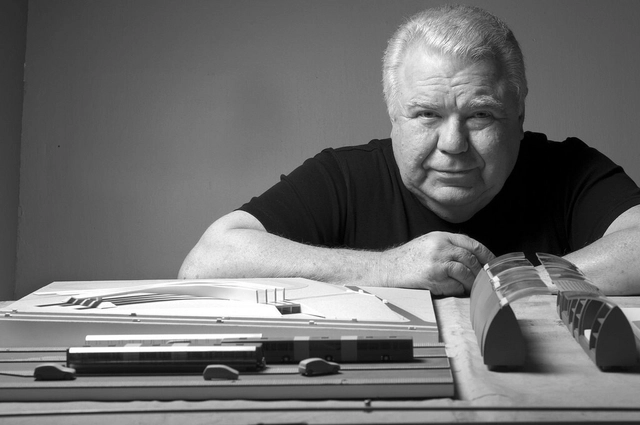
The prominent Brazilian urbanist Jaime Lerner has passed away this Thursday, May 27, at the age of 83. Trained as an architect, Lerner was chosen by the American magazine Planetizen as the second most influential urban planner of all time, only behind Jane Jacobs. In addition to his career linked to architecture and urban planning, Lerner was three times mayor of Curitiba and twice governor of Paraná (1995-1998 and 1999-2002). Lerner graduated in Architecture in 1964 from the Federal University of Paraná (UFPR) and worked at the Curitiba Institute for Research and Urbanism (Ippuc) since its creation in 1965.
It would be an understatement to say that architecture is a profession that closely mirrors economic conditions. In this practice, we’ve all heard the stories or felt the experiences of recessions that were quickly followed by projects put on hold, a decreased pipeline of new business, and the unfortunate impact of layoffs and furloughs. The cyclical nature of the design field, paired with the pressure to meet the spatial needs for a growing global population in a time where the value of land has continued to sky-rocket means that architecture is naturally subjected to economic impacts in a significant way. But some economic theories predict that instead of the economy dictating the ebbs and flows of the design profession, architecture might be one of the influences causing economic downturns.
Contrary to popular belief, it is impossible to separate law and urban planning. Both disciplines have served as instruments to establish the rampant inequalities we live in—one through the administration of state force, the other through the accumulation of territorial power. Yet both also hold the keys to creating more equitable cities. The only way to build a true right to the city is through interdisciplinary dialogue, particularly now that a reform proposal seeks to recognize this right in the Political Constitution of the United Mexican States. This article aims to open a space for dialogue among those of us working in law, architecture, and urban planning.
If a person were to imagine a setting of complete relaxation, odds are the first image that comes to mind is a place surrounded by nature, be it a forest, the mountains, the sea, or a meadow. Rarely does one imagine an office or a shopping mall as a source of comfort and relaxation. Still, the majority of people spend almost 80-90 % of their time indoors, going back and forth from their houses to their workplaces.
Architects and designers are now searching for design solutions that will resonate well into the future, turning to 'biophilia' as an important source of inspiration that promotes well-being, health, and emotional comfort.
Various authors such as Michel Foucault, Maurice Merleau-Ponty, and contemporary thinkers Marina Garcés and Judith Butler have brought the body to the forefront of global philosophical discussions. This has gradually permeated different disciplines where the body is the focus of study, and even some where this relationship seems less obvious.
This article is part of "Eastern Bloc Architecture: 50 Buildings that Defined an Era", a collaborative series by The Calvert Journal and ArchDaily highlighting iconic architecture that had shaped the Eastern world. Every week both publications will be releasing a listing rounding up five Eastern Bloc projects of certain typology. Read on for your weekly dose: Cinemas.
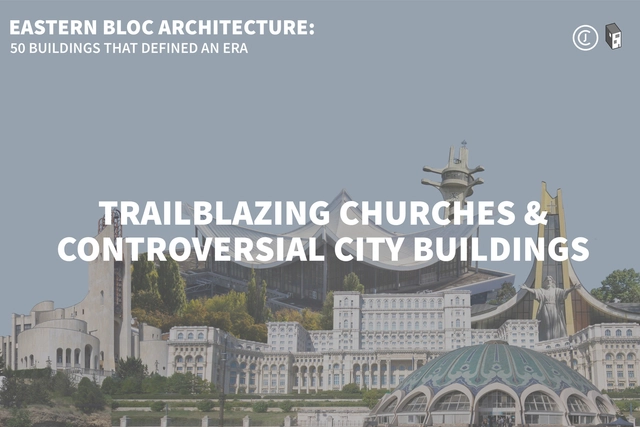
This article is part of "Eastern Bloc Architecture: 50 Buildings that Defined an Era", a collaborative series by The Calvert Journal and ArchDaily highlighting iconic architecture that had shaped the Eastern world. Every week both publications will be releasing a listing rounding up five Eastern Bloc projects of certain typology. Read on for your weekly dose: Trailblazing Churches and Controversial City Buildings.
https://www.archdaily.com/945948/eastern-bloc-architecture-trailblazing-churches-and-controversial-city-buildingsLucía de la Torre
As far as written records report, “prehistory” dates back between 35,000 BCE and 3000 BCE in the Middle East (2000 BCE in Western Europe). Ancient builders had a profound understanding of human responses to environmental conditions and physical needs. Initially, families and tribes lived together in skin-covered huts and bone structures. Thousands of years later, human settlements evolved into fortified mud-brick walls surrounding rectangular volumes with pierced openings for ventilation and sunlight.
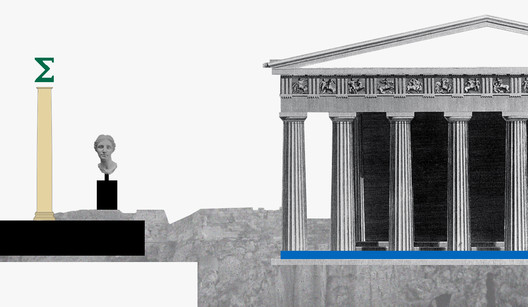
During the upcoming months, we will be publishing short articles on the history of architecture and how it evolved to set the fundamentals of architecture we know today. This week, we are going back to one of the most prominent and influential periods known to architecture: Greece; Aegean, Archaic, classical, and Hellenistic periods.
My decision to study architecture was a naive one, made after having taken several vocational tests I found on Google. When I found out it was one of the toughest courses in Brazilian public universities, I thought about giving up. But I was already hooked by the history of architecture and its social role.
However, nothing is perfect. Architecture and Urban Planning is one of the most elite courses in the most renowned Brazilian universities, something that is reflected outside of the classroom as well. The architects went on to serve the rich, casting aside the needs of the cities and the poor.
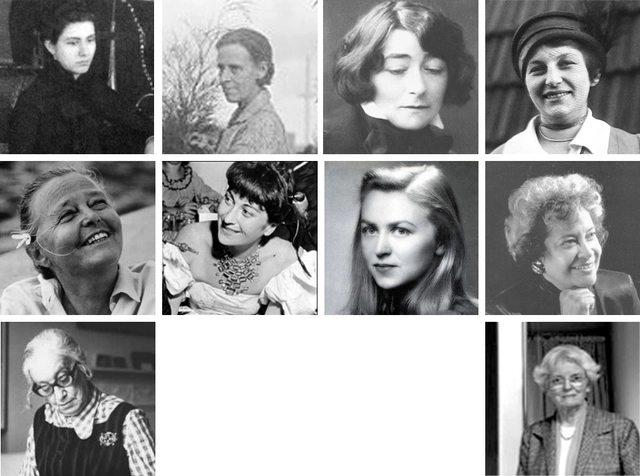
Looking back on architectural history, you could be forgiven for thinking that women were an invention of the 1950s, alongside spandex and power steering - but this couldn’t be further from the truth. Big names like Le Corbusier, Mies, Wright, and Kahn often had equally inspired female peers, but the rigid structure of society meant that their contributions tended to be overlooked.
"When I am asked what I believe in, I say that I believe in architecture. Architecture is the mother of the arts. I like to believe that architecture connects the present with the past and the tangible with the intangible."
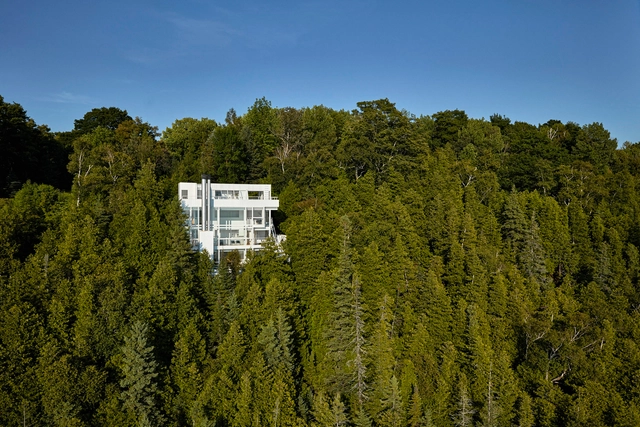
Richard Meier, the Pritzker Prize and AIA Gold Medal-winning architect, is well known for his abstracted, often white, buildings and unrelenting personal design philosophy. Citing Bernini and Borromini as influences as well as Le Corbusier and Louis Kahn, Meier received his Bachelor in Architecture from Cornell University in 1957 and took jobs with Skidmore Owings & Merrill and Marcel Breuer soon after his graduation. He began his own private practice in New York in 1963 and rocketed to architectural fame in the early 1970s, after being named as one of the "New York Five."
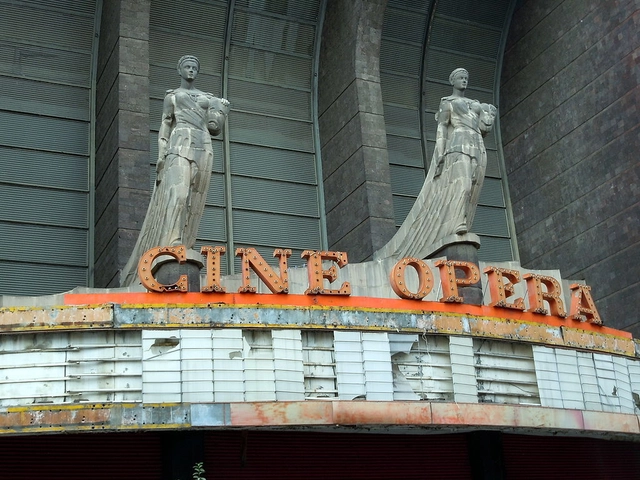
The history of Cine Ópera dates back to 1949, when the iconic venue—designed by architect Félix T. Nuncio with interiors by set designer Manuel Fontanals—held its first screening, quickly becoming one of Mexico City's most popular movie theaters. Located at 9 Serapio Rendón Street in the San Rafael neighborhood, the Art Deco building features a facade framed by a large window with two stone-carved sculptures depicting the comedy and tragedy masks.
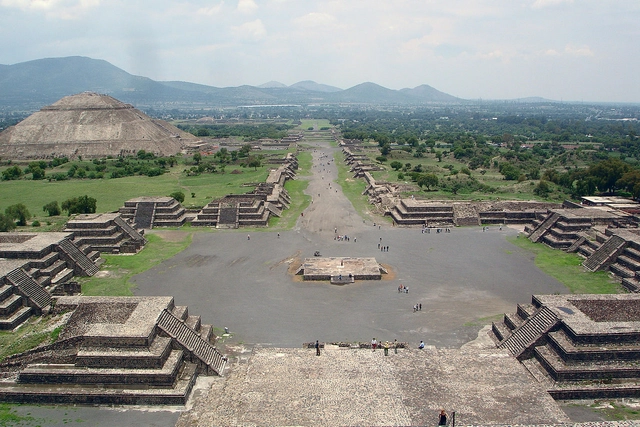
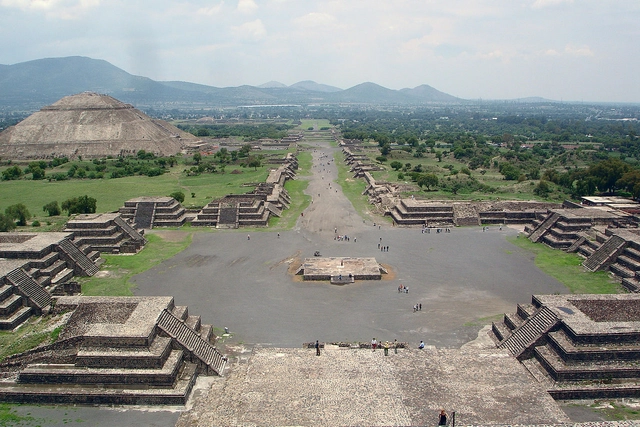
According to announcements on the UNESCO website, the World Heritage List represents an invaluable legacy of monuments, natural beauty, and cultural treasures belonging to all humanity. The sites inscribed on this list serve as milestones on our planet, symbolizing regional and national awareness of the significance of place and shared wealth, while preserving this collective heritage for future generations.
According to a statement published on the UNESCO page, the UNESCO World Heritage List is a legacy of monuments and sites of great natural and cultural wealth that belongs to all of humanity. The Sites inscribed on the World Heritage List fulfill a function of milestones on the planet, of symbols of the awareness of States and peoples about the meaning of those places and emblems of their attachment to collective property, as well as of the transmission of that heritage to future generations.
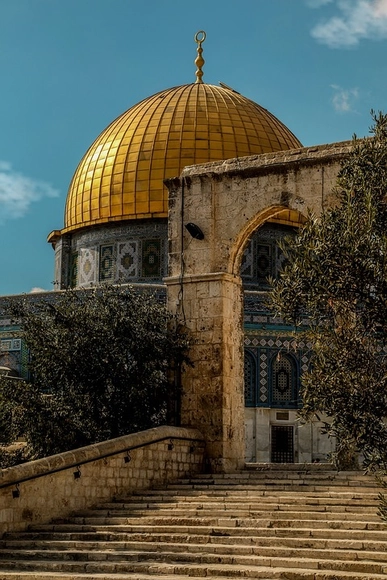
While French firefighters were putting out the destructive blaze at the Notre Dame Cathedral, another holistic site was also up in flames. Jerusalem's Al-Aqsa Mosque, which is among the holiest sites in Islam and was built almost 1,300 years ago, was struck by blaze while the monumental Catholic Church was also devastated with fire.
The fire is said to have started in the Al-Marwani Prayer Hall - also known as Solomon's Stables - part of the same compound as Al-Aqsa mosque and the Dome of the Rock. Fortunately, firemen of the Islamic Waqf department of the city were able to control the fire before any harm was done to the individuals or the other prayer halls. While the cause remains unknown, sources claim that the fire could have been ignited accidentally by children who were near the prayer hall at the time.