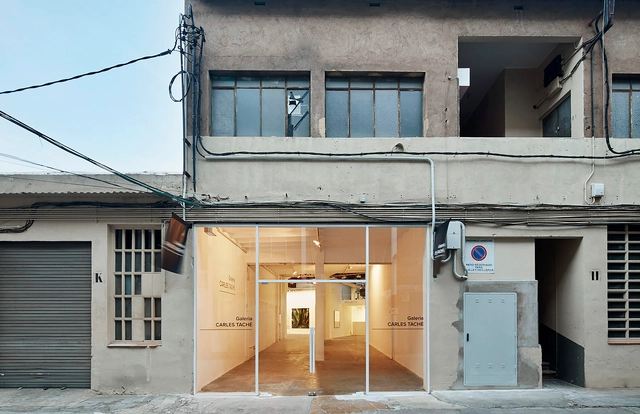
The relationship between art and humanity dates back to the origins of civilization. Museums have become spaces where vast collections of art and artifacts narrate the history of time, humankind, cities, and countless stories about cultures and societies. Over the years, the museum's role has evolved, taking on different forms and scales, including the modern-day art gallery. The importance of art and culture in contemporary cities and neighborhoods is undeniable. However, galleries serve multiple roles in integrating art and culture into daily life. Why are these spaces valuable to communities? How do they support emerging artists? How can galleries revitalize neighborhoods?
As the new year begins, we look forward to the most exciting projects planned to open in 2023. The world's second-tallest tower is currently under construction in Malaysia; Egypt is almost ready to open its largest archeological museum, while MVRDV is currently renovating a large-scale brutalist landmark in Albania. Featuring internationally renown architectural offices such as Snøhetta, OMA, Studio Gang, Zaha Hadid Architects, BIG, along with the latest winner of the Pritzker Prize, Francis Kéré, the following selection presents projects from all around the world. They also range in scale and program, from international airports to sculptural arts galleries or museum expansions.
Several projects presented here have also featured in the previous year's compilation. Resource availability and labor issues generated by the pandemic have also continued to influence opening schedules, but with a diminishing impact. Following the predicted trends for 2023, more and more projects involve the adaptive reuse of existing structures. An underlying theme is visible in the increased interest in expanding artistic and cultural venues and integrating historical heritage into the expression of contemporary architecture.
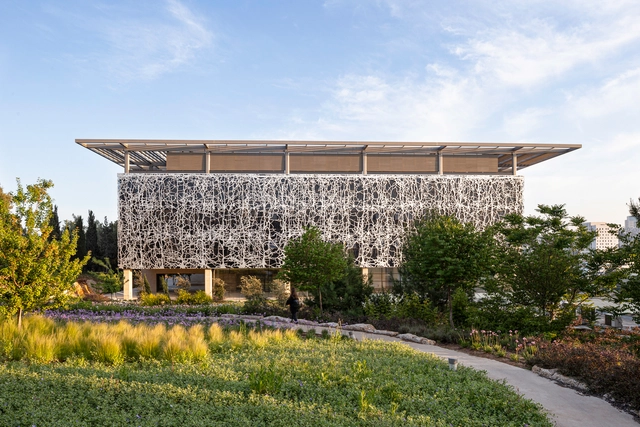
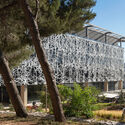
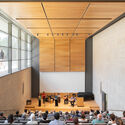
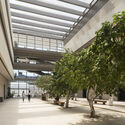
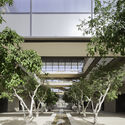
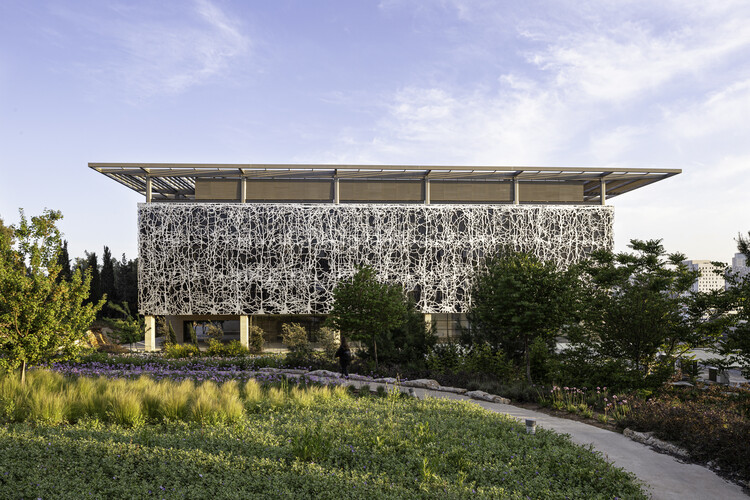
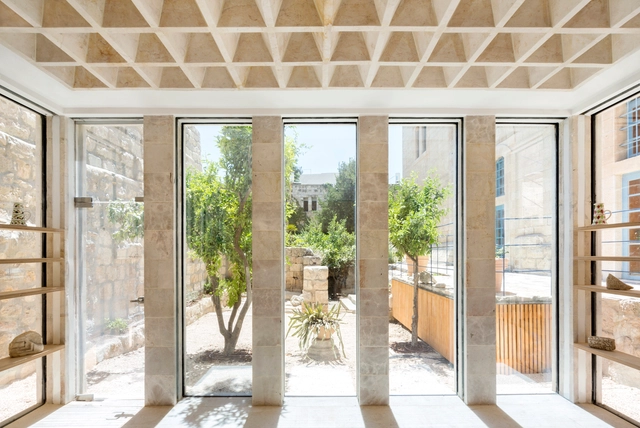
Foster + Partners has recently completed the Edmond and Lily Safra Center for Brain Sciences, a new research facility within the Hebrew University of Jerusalem campus. The design features an array of flexible laboratories arranged in two parallel wings around an open central courtyard, which recreates the surrounding landscape through its citrus trees and water stream. The distinctive facade screen represents the neurological brain structure, as drawn by Spanish neuroscientist Santiago Ramon y Cajal at the beginning of the 20th century.
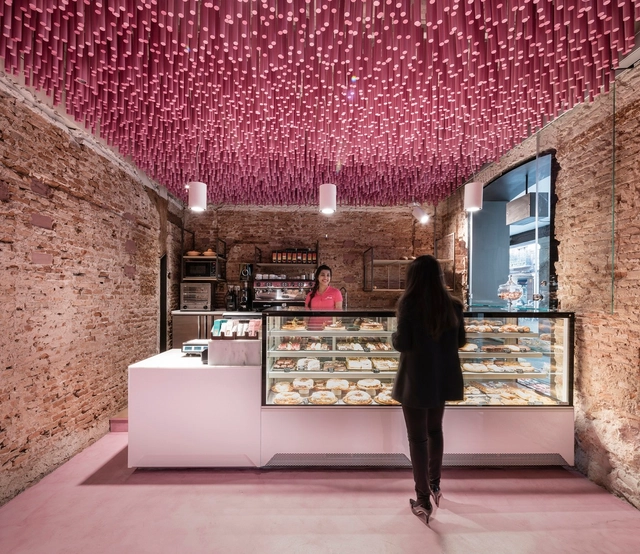
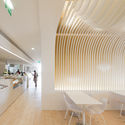
Few architectural typologies are as timeless as bakeries. A practice spanning thousands of years, the art of baking has diverse roots. Today, bakeries combine areas to gather, socialize, shop, and work. While industrialization and commercialization transformed the art of baking and baked goods, bakeries remain important community spaces for gathering and defining neighborhood identity.
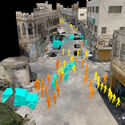
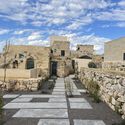
As the trend of migration from rural to urban areas continues, it is estimated that by 2050, one billion people with disabilities will live in cities. Many of these urban centers, with cores dating back hundreds or even thousands of years, are currently ill-equipped to respond to this demand. There is, therefore, an immediate challenge for architects, urban planners, and city officials to address the inaccessibility of historic cities, from uneven cobblestones to narrow, stepped alleys, creating an urban realm that offers universal mobility without detracting from their historic charm.
https://www.archdaily.com/923725/how-ancient-cities-become-accessible-citiesNiall Patrick Walsh
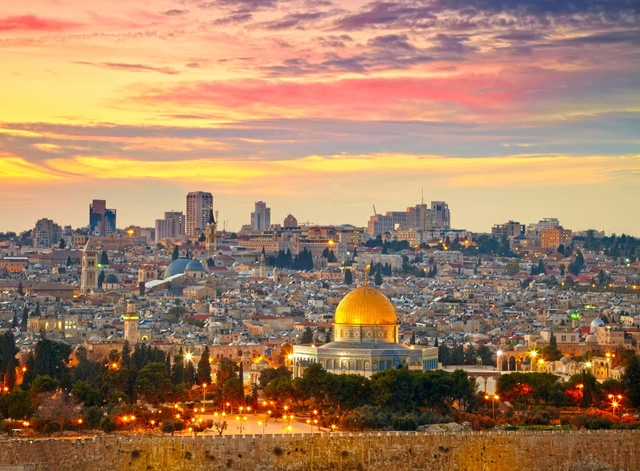
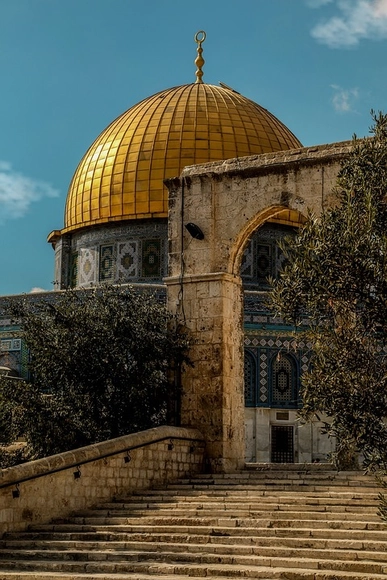
While French firefighters were putting out the destructive blaze at the Notre Dame Cathedral, another holistic site was also up in flames. Jerusalem's Al-Aqsa Mosque, which is among the holiest sites in Islam and was built almost 1,300 years ago, was struck by blaze while the monumental Catholic Church was also devastated with fire.
The fire is said to have started in the Al-Marwani Prayer Hall - also known as Solomon's Stables - part of the same compound as Al-Aqsa mosque and the Dome of the Rock. Fortunately, firemen of the Islamic Waqf department of the city were able to control the fire before any harm was done to the individuals or the other prayer halls. While the cause remains unknown, sources claim that the fire could have been ignited accidentally by children who were near the prayer hall at the time.
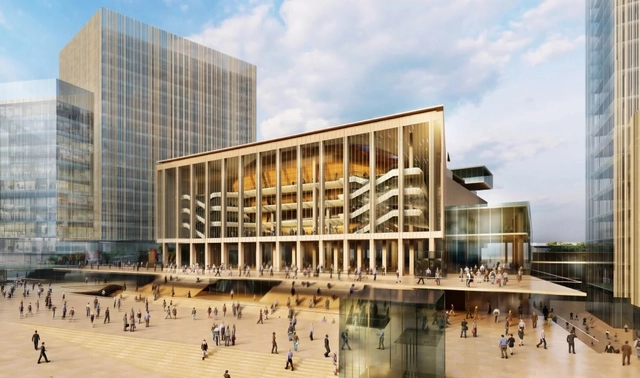
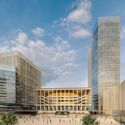
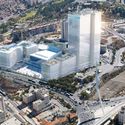
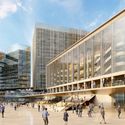
International Congress Centre. Image Courtesy of Studio Fuksas
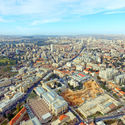
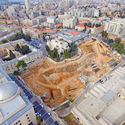
Italian practice Studio Fuksas has been selected to build the new International Congress Center of Jerusalem. Sited in the “City Gateway”, the project is part of a larger expansion of the city's central business district. The new Congress Center will be built around the existing Ussishkin Hall Building, which will be redesigned to host international shows and conferences. The expansion will make the Jerusalem ICC the largest conference center in the Middle East.
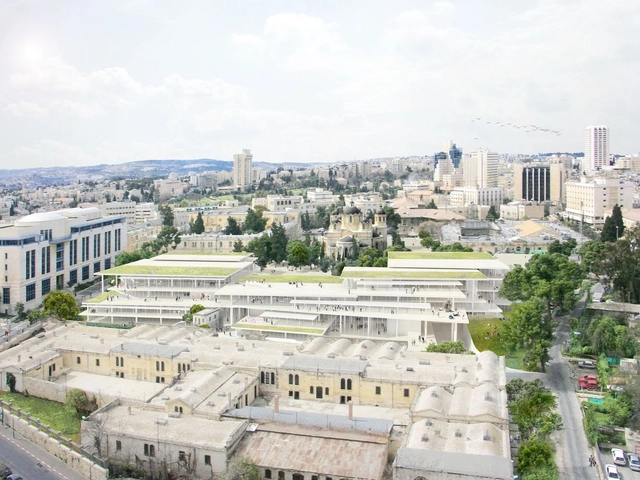
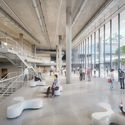
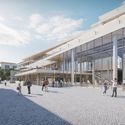
Bezalel Academy of Art and Design. Image Courtesy of SANAA
SANAA's new campus for the Bezalel Academy of Arts and Design in Jerusalem is now set for a 2022 opening. Initially proposed in 2013, the new project for Israel’s national school of art broke ground back in 2015. The campus is being built in the Russian Compound in Jerusalem’s City Center. The design will bring together 2,500 students and 500 faculty members as the school moves from the current Mount Scopus Campus. The new campus aims to revitalize the city center and connect to the urban fabric of Jerusalem.
The Academy Bezalel students' bamboo project, in Jerusalem, is a proposal that approaches the construction in real scale and the experimentation with materials as an important driving force of architectural design.
The project, a suspended bamboo pavilion, can be reused with different configurations in different places with its joints made up of ropes and 3D printed pieces.
Located in Zion Square parallel to the tramway line, the pavilion creates a space to host art programs including lectures, concerts, dance performances, video screenings, and theater productions. The structure beautifully frames a dialogue between the urban routine and cultural experiences, giving users a new understanding of the Israel Festival, and of the potential of the spaces within their city.