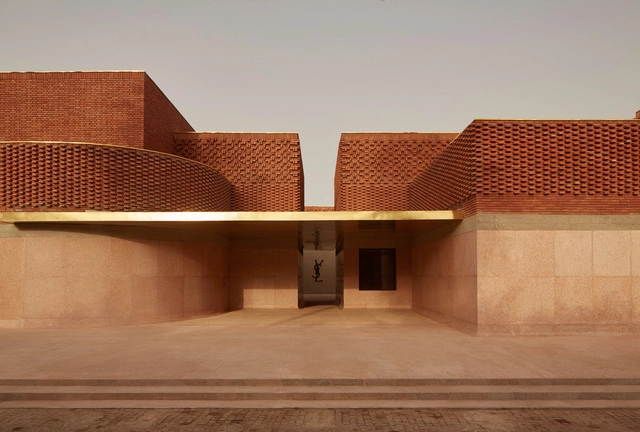
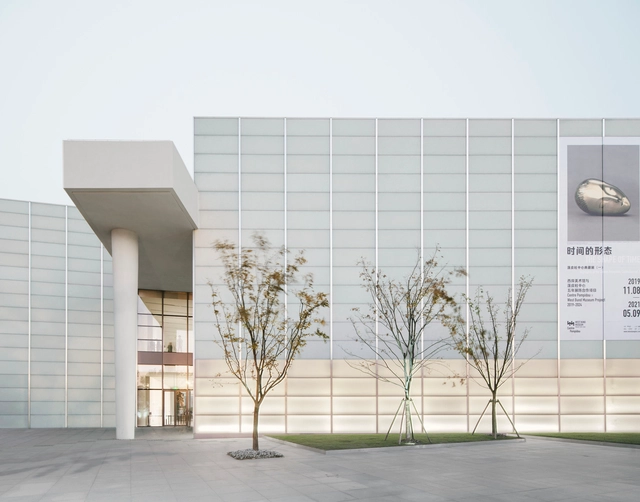
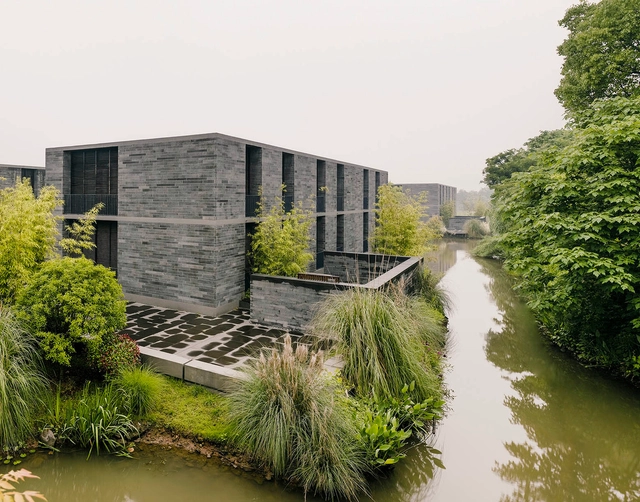
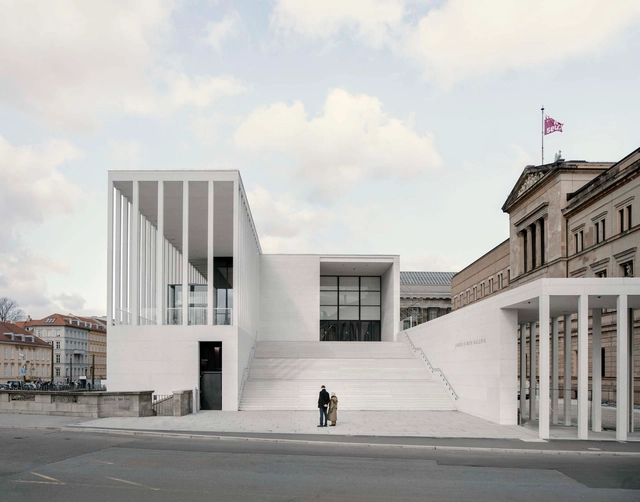
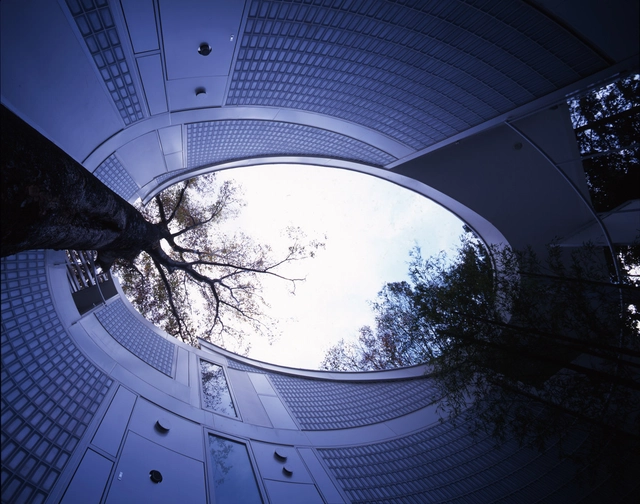
With a mission to provide tools and inspiration to improve the quality of life in our built environment, ArchDaily curators constantly track and share with our audience the best "built projects" in the world. In order to celebrate these achievements and thank our readers for actively participating in our community, we selected the 50 best architectural works published during 2019.
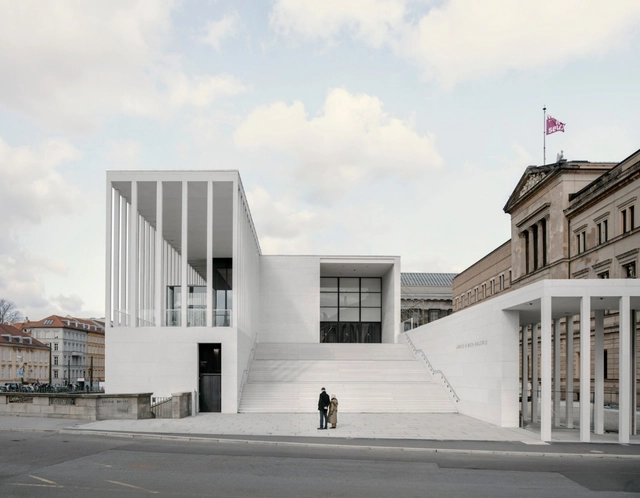
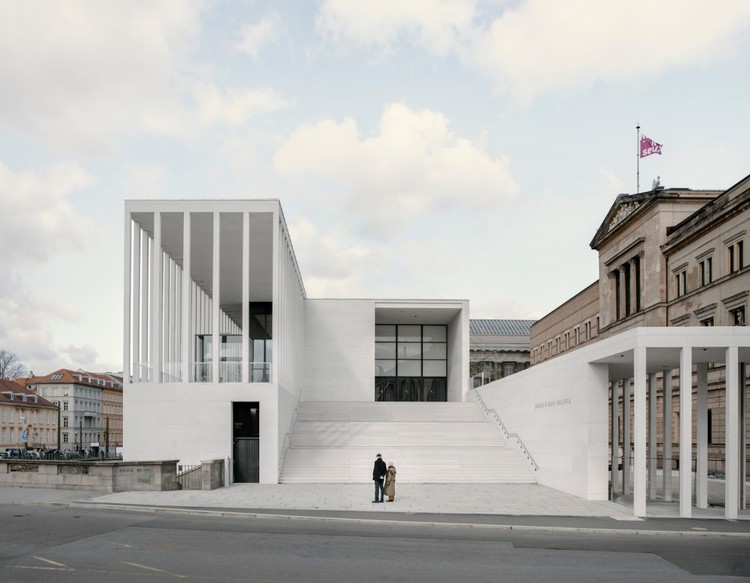
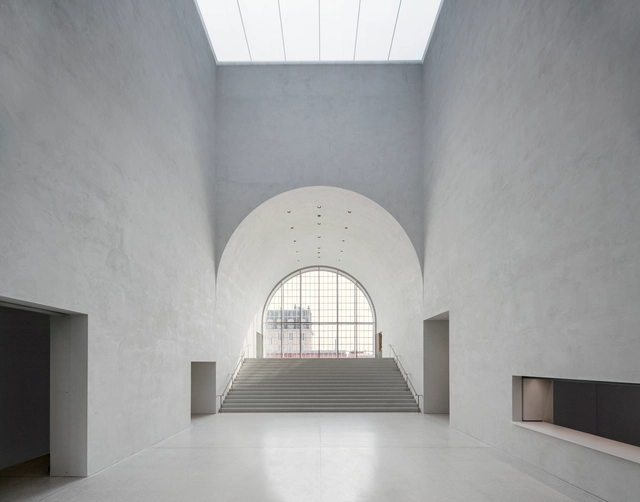
David Chipperfield's James-Simon-Galerie has opened on Museum Island in Berlin. The project serves as a new entrance between the Kupfergraben canal and the Neues Museum. The design was made to welcome large numbers of visitors while housing all the additional facilities needed by the museum. Featuring an iconic colonnade above a stone plinth, the project was made to express a classical piano nobile.
Originally published in Metropolis Magazine as "Inside the Homes and Workspaces of 8 Great Architects", this article shows the spaces occupied by some of the best-known architects in the world. Documented for an exhibition that will be featured at the Milan Design Week 2014, the images give a glimpse inside the private worlds of some of our favorite designers.
It's a cliche that architects have messy workspaces. From chaos comes creation, so the phrase goes. But an upcoming exhibition at this year's Salone del Mobile intends to dispel the myth. Studio Mumbai.
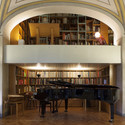
Curator Francesca Molteni interviewed each of the designers in their private homes and came away with one finding: architects are actually quite tidy. The studios are all pristinely ordered; books are neatly stowed away, figurines and objets astutely displayed, and table tops swept clean. The photographs below are part of the exhibition materials, produced with the help of scenographer Davide Pizzigoni, which faithfully document the physical environments in images, video, and audio. These will be used to recreate the architects’ “rooms” at Salone del Mobile in April.
Where Architects Live is not limited to satisfying our curiosity about what these architects’ homes look like. Richard Rogers’ affirmation that “a room is the beginning of a city” resonates with the project’s aim in trying to articulate its subjects’ personal tastes and obsessions, and how those are reflected in their architectural work.
Read on to see more images of the inside of architects' homes and studios
Past, Present, Future is an interview project by Itinerant Office, asking acclaimed architects to share their perspectives on the constantly evolving world of architecture. Each interview is split into three video segments: Past, Present, and Future, in which interviewees discuss their thoughts and experiences of architecture through each of those lenses. The first episode of the project featured 11 architects from Italy and the Netherlands and Episode II is comprised of interviews with 13 architects from Spain, Portugal, France, and Belgium.
The goal of the series is to research these successful firms and attempt to understand their methods and approaches. By hopefully gaining a clearer picture of what it means to be an architect in the 21st century, the videos can also serve as inspiration for the next generation of up-and-coming architects and students as they enter the field.
Light is an important, if complex, tool in architecture. Not only does it lend atmosphere, texture, and vibrancy, but it is increasingly essential in an age where technology alienates us from nature. In this excerpt from Mary Guzowski's new book, The Art of Architectural Daylighting, she introduces the science and art of daylighting - and details six ways the masters approach the challenge.
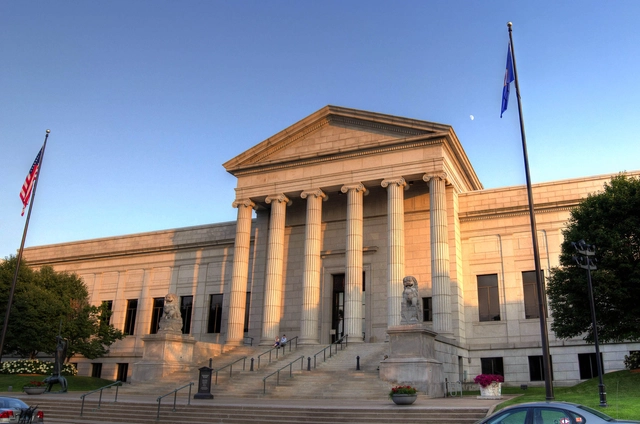
The Minneapolis Institute of Art (MIA) has selected David Chipperfield Architects to lead the design of a new masterplan for the museum that will “enhance the visitor experience and to expand the community’s access to the museum as a community resource.”
The planning process will aim to diagnose potential improvements and provide a conceptual solution for a long-term growth plan for the Museum. Several pressing needs have already been identified, including improved parking facilities, additional art storage and increased and improved public gathering spaces. The Museum also hopes to question the current visitor circulation, as well as consider upgrades to their restaurant and auditorium.