

-
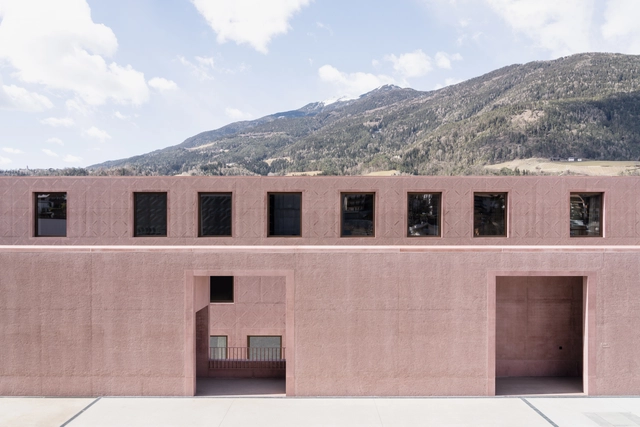
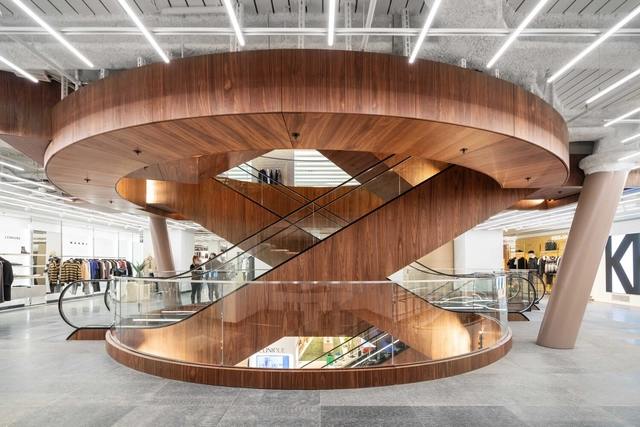
Architects: Alvisi Kirimoto + Partners, Studio Gemma
- Area: 1500 m²
- Year: 2022
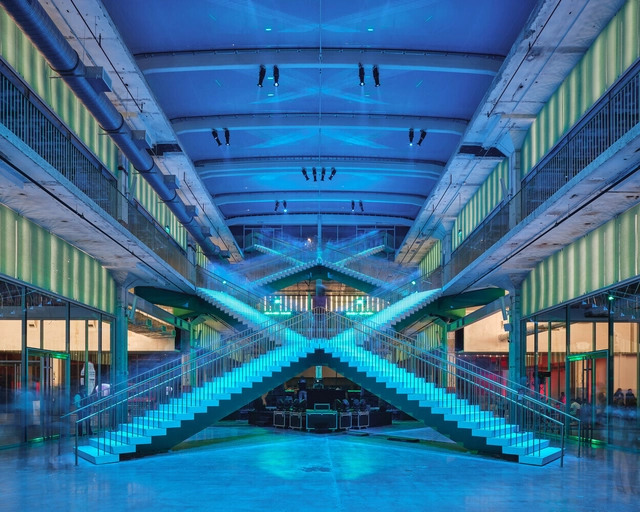
Now in its eighth edition, the Prix Versailles awards are presented to honor the best achievements in the field of architecture and design worldwide, promoting architectural production as a vector of intelligent sustainable development and considering ecological, social, and cultural impacts.
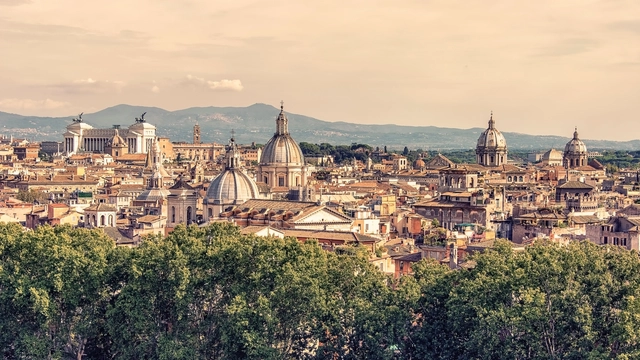
In line with the United Nations agenda of climate neutrality by 2050, the Rome City Council has announced the establishment of a Laboratory titled “Laboratorio Roma050 – il Futuro della Metropoli Mondo", a project proposed and led by Italian architect Stefano Boeri, which aims to draw up an ecological vision for Rome in 2050. The urban regeneration project consists of 12 young architects and urban planners under the age of 35, along with 4 renowned architects as mentors, who collectively have specific experience in terms of studies and research regarding the Italian capital.


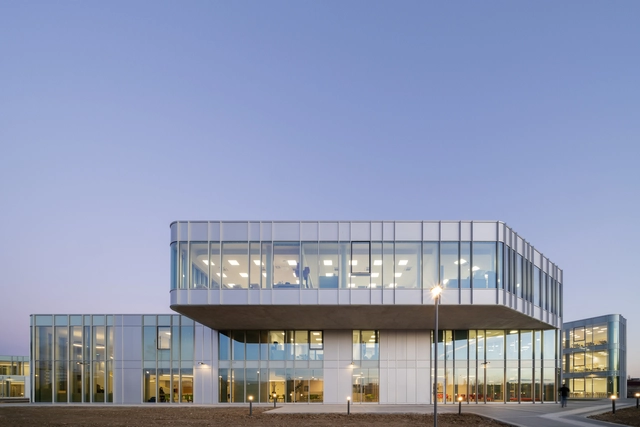
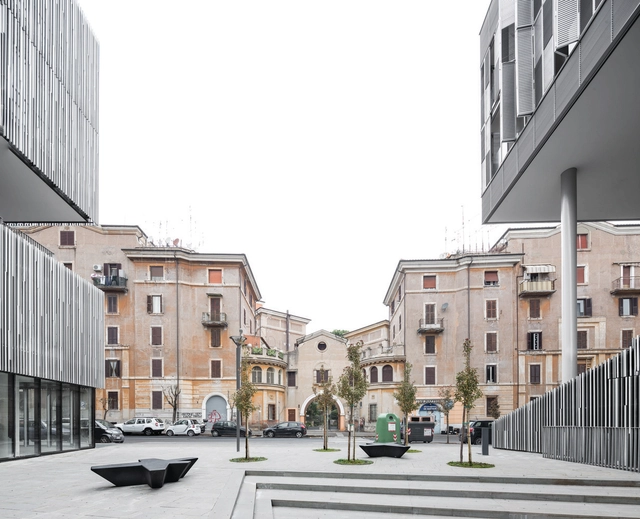
Spanning over 3 millennia with one of the highest concentrations of architecture in the world, Rome is a transcendental influence on the world's culture. A city rich in history, academia, and arts, the Italian capital is considered as one of the oldest continuously-occupied cities in Europe, and has maintained its countless layers of history to become a perfect depiction of old meets new, earning its nickname of "The Eternal City".
Rome's historic center, which stretches from Piazza del Popolo to Piazza Venezia and from the the east bank of the Tiber up to Piazza di Spagna, is listed as a UNESCO World Heritage Site. Along with its historical significance, the presence of renowned contemporary architects and designers in the city has made Rome an influential design destination. In 2019, it was the 14th most visited city in the world, welcoming over 8.6 million tourists to make it the third most visited in the European Union, and the most popular tourist destination in Italy.

Following nearly 50 years of rapid urbanization, urban renewal has transitioned from an era of incremental growth to one of existing stock. Urban planning has shifted from expansion toward the high-quality renovation of existing assets to reactivate spaces. Looking back at recent adaptive reuse projects by Pritzker Prize laureates, we examine how these masters respond to today's challenges of urban stock renewal.
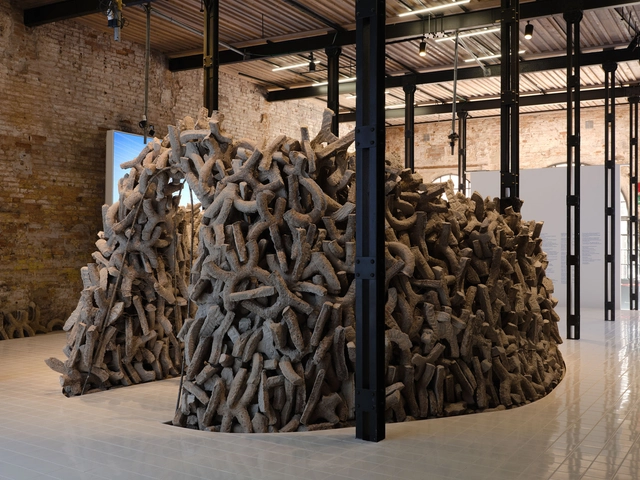
The United Arab Emirates has won the Golden Lion for Best National Participation at the 2021 Venice Biennale, with its contribution entitled Wetland curated by Wael Al Awar and Kenichi Teramoto. Selected by a jury that consists of Kazuyo Sejima (president-Japan), Sandra Barclay (Peru), Lamia Joreige (Lebanon), Lesley Lokko (Ghana-Scotland), and Luca Molinari (Italy), the winning contribution at the 17th Venice Architecture Biennale explores the local geography of the United Arab Emirates to find alternatives to cement, one of the key emitters of the world's carbon dioxide.
The award ceremony, broadcasted live on the Biennale’s official page also presented the Golden Lion for Best Participant in the International Exhibition How will we live together? to RAUMLABORBERLIN- Instances of Urban Practice while the Silver Lion for a promising young participant in the International Exhibition How will we live together? went to Border Ecologies and the Gaza Strip- Foundation for Achieving Seamless Territory (FAST). Other recognitions included a special mention for the national participation of the Philippines and Russia, and to Cave_bureau for the Anthropocene Museum: Exhibit 3.0 Obsidian Rain.
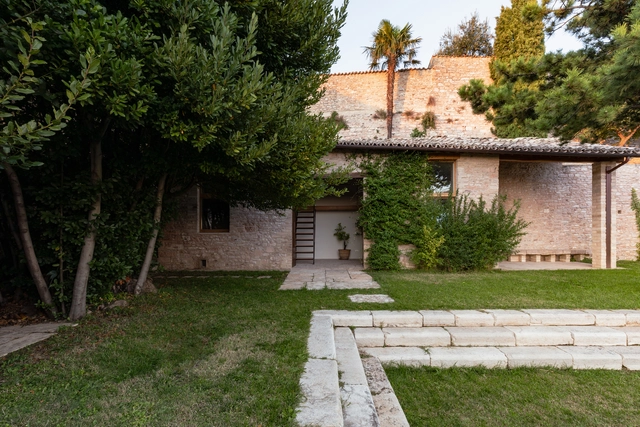
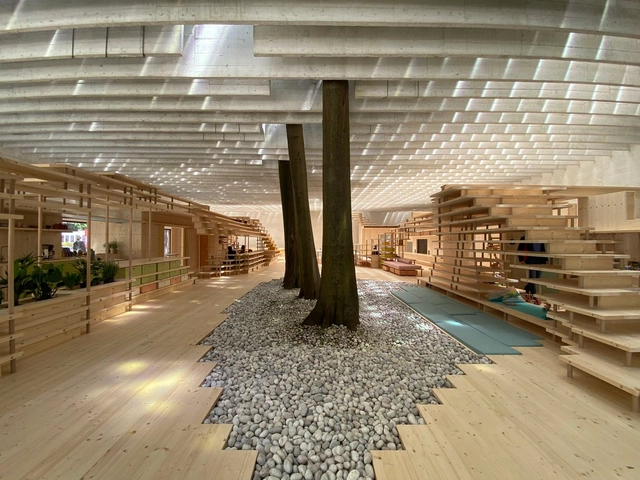
Due to the complex worldwide pandemic situation that erupted in 2020, the Venice Biennale 2020 declared a one-year postponement. Finally, the Venice Biennale 2021 will be holding the 17° International Architecture Exhibition —How will we live together?— curated by Hashim Sarkis, from May 22 to November 21, 2021.
The 2021 edition of La Biennale di Venezia also includes 112 participants in competition from 46 countries, with 60 national participants in the Giardini, at the Arsenale, and in the historic city center of Venice, Italy. Moreover, the international exhibition welcomes three countries, being part of the most important architectural biennale of the world for the first time: Grenada, Iraq, and Uzbekistan.
To answer the Biennale's question of "How Will We Live Together", curators of the national pavilions explored what the future would look like in an architectural, cultural, and environmental context. Many saw the future as an entirely virtual environment whereas other highlighted the cruciality of physical coexistence with neighbors. ArchDaily met with Ippolito Pestellini Laparelli, curator of the Russian Pavilion, to discuss how the idea of the pavilion came together throughout the year as a virtual platform for interdisciplinary creative thinkers, the role of cultural institutions across physical and digital spaces, and how digitalization is always part of the conversation.
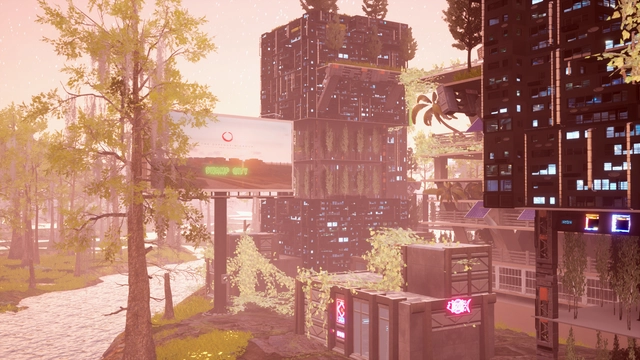
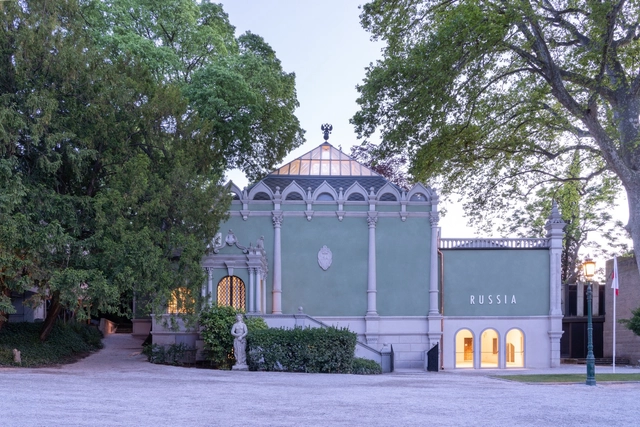
The Russian Federation Pavilion for the 2021 Venice Biennale explores the role of cultural institutions across physical and digital spaces. Titled Open, the program investigates the subject on multiple fronts, from the renovation of its physical architecture to the research into the social role of virtual environments and a collection of perspectives on the new ways of thinking in the institutional realm. The contribution builds on the Open? project, which debuted in May 2020 and continued throughout the year as a virtual platform for creatives and thinkers.