Iwan Baan

BROWSE ALL FROM THIS PHOTOGRAPHER HERE
↓
Subscriber Access

Diffused Light: How to Design 'Lantern Buildings' With Self-Supporting Glass Walls

Diffused Light: How to Design 'Lantern Buildings' With Self-Supporting Glass Walls - More Images+ 23

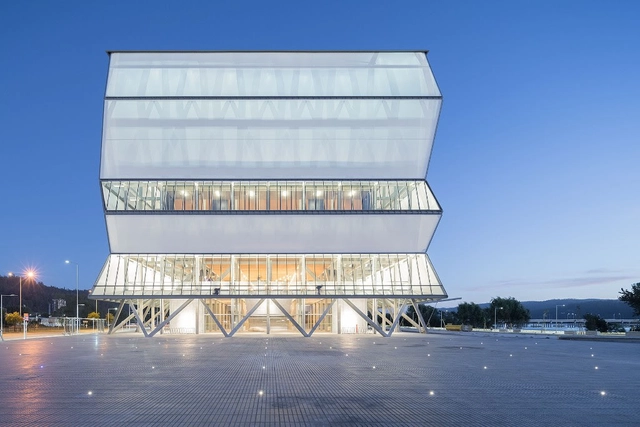
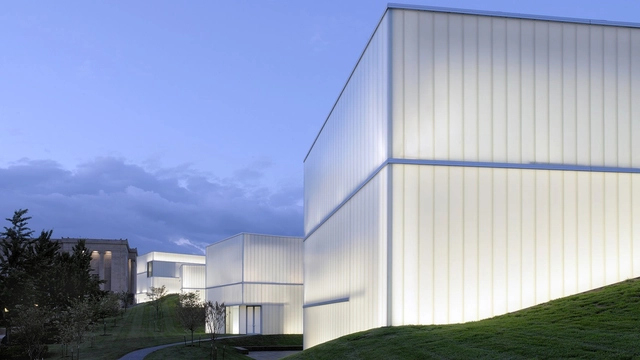
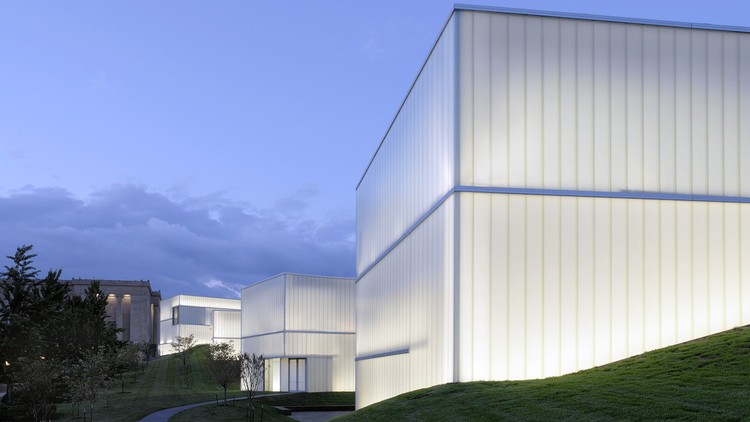
Recurrently we see how architects opt for translucent facades to create the envelopes of their buildings, promoting the entry of a large amount of natural light, while simultaneously controlling it during the day. Illuminated during the night, many of these projects can be seen in the dark, appearing as lanterns or lighthouses for their neighbors and community. Being exposed to changing conditions – day or night – to choose the right material, it's necessary to study in detail the orientation and location of the building, the pre-existing context, and the configuration of the interior spaces.

We present a system of glass panels that allow buildings with this type of façade –spanning from floor to ceiling without interruptions – with minimal frames and different colors, textures, thermal and acoustic performances. 

Subscriber Access

Why Architects are Super Well-Suited for Startups

This article was originally published by Jude Fulton on Medium under the title "Why Architects are Super Well-Suited for Startups". You can see the original post here.

Rem Koolhaas on Identity and Conformity in the Digital City

As identity-based politics continues to grow in influence, we may do well to examine the effect it has on the way we think about and design our cities. In a recent interview with the Washington Post, Rem Koolhaas discusses these changes - and how they mark an evolution from the generic city concept he introduced in S,M,L, XL.

Subscriber Access

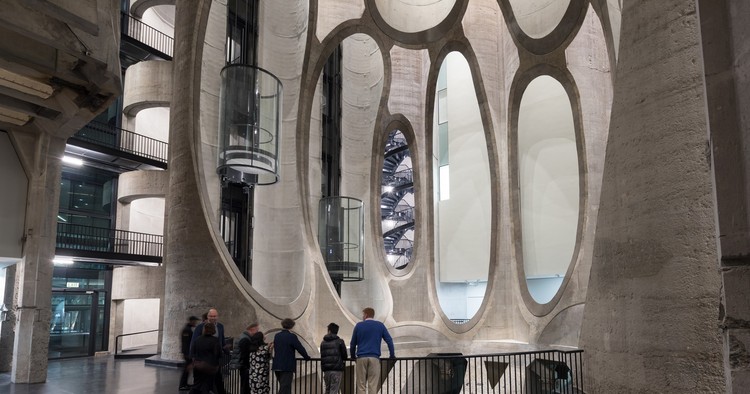
Why Heatherwick Studio's Zeitz MOCAA Is "A Call to Arms" For African Museums

Why Heatherwick Studio's Zeitz MOCAA Is "A Call to Arms" For African Museums - Image 8 of 4
© Iwan Baan

The Zeitz Museum of Contemporary Art Africa—or Zeitz MOCAA for short—recently received first place in ArchDaily's Refurbishment in Architecture awards, with its striking design transforming a formerly derelict industrial building into an iconic landmark in South Africa’s oldest working harbor. Developed by the V&A Waterfront in Cape Town and designed by Heatherwick Studio, the mixed-use project is now “the world’s largest museum dedicated to contemporary art from Africa and its diaspora.” To celebrate the award, we sat down with group leader Matthew Cash to discuss the challenges faced during the project, its cultural importance to Africa, and the practice’s interest in refurbishment as a whole.

Why Heatherwick Studio's Zeitz MOCAA Is A Call to Arms For African Museums - More Images+ 6

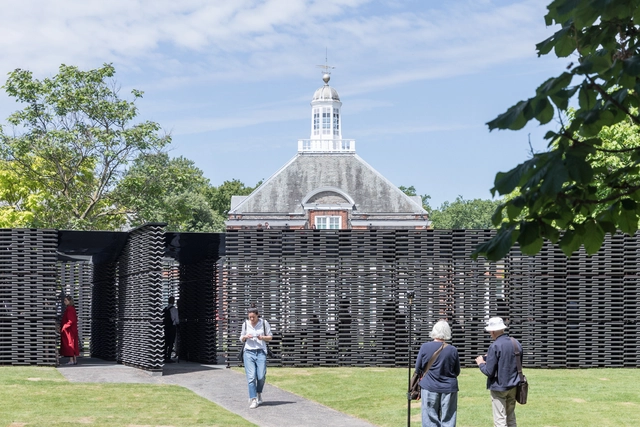
Frida Escobedo's 2018 Serpentine Pavilion Opens in London

The 2018 Serpentine Gallery Pavilion, designed by Frida Escobedo, was unveiled today in London's Hyde Park. Escobedo's design, which fuses elements typical to Mexican architecture with local London references, features a courtyard enclosed by two rectangular volumes constructed from cement roof tiles. These tiles are stacked to form a celosia, a type of wall common to Mexican architecture which is permeable, allowing ventilation and views to the other side.

Frida Escobedo's 2018 Serpentine Pavilion Opens in London - More Images+ 6

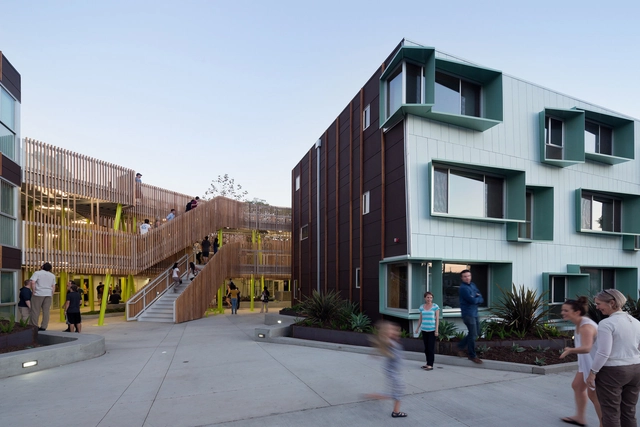
7 Lessons from New York's New Affordable Housing Design Guide

When we think of public housing architecture in the United States, we often think of boxes: big, brick buildings without much aesthetic character. But the implications of standardized, florescent-lit high-rises can be far more than aesthetic for the people who live there. Geographer Rashad Shabazz, for one, recalls in his book Spatializing Blackness how the housing project in Chicago where he grew up—replete with chain link fencing, video surveillance, and metal detectors—felt more like a prison than a home. Accounts of isolation, confinement, and poor maintenance are echoed by public housing residents nationwide.

But American public housing doesn’t have to be desolate. A new set of design standards from the New York City Public Design Commission (PDC)—in collaboration with The Fine Arts Federation of New York and the American Institute of Architects New York Chapter—hopes to turn over a new leaf in affordable housing architecture.

7 Lessons from New York's New Affordable Housing Design Guide  - More Images+ 11

Smiljan Radic Receives the Arnold W. Brunner Memorial Prize 2018

Chilean architect Smiljan Radic was announced the winner of the Arnold W. Brunner Memorial Prize 2018 Architecture Awards from The American Academy of Arts and Letters in New York.

The academy's annual architecture awards program began in 1955 with the opening of the Arnold W. Brunner Memorial Prize. The prize is given to an architect of any nationality who has made a significant contribution to architecture as an art. The program has since been expanded to include four Arts and Literature Awards for American architects that explore ideas in architecture through any medium of expression.

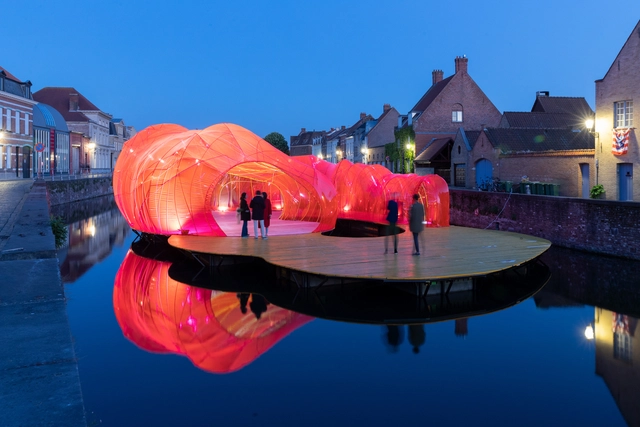
SelgasCano Adds a Splash of Color to the Bruges Triennale with New Installation

In our rapidly changing world where ideologies and forms of life are under threat, history is being disregarded. The 2018 Bruges Triennale proposes one question: “How flexible, liquid, and resilient can a historic city like Bruges be in an age when nothing seems to be certain any longer?” In parallel, the inspiration behind the concept lies in the geography of the city itself. Bruges is a city wrapped and braided with water and has been a metaphor for Liquid City since early times. Till-Holger Borchert and Michel Dewilde, curators of the 2018 Bruges Viennale, have asked artists and architects to translate the city’s fluidity and artistic legacy into picturesque installations, allowing visitors to become part of the creative process.

Toshiko Mori Pursues Dialogue That Transcends Time and Space

Continuing their Time-Space-Existence series of monthly videos leading up to this year’s Venice Biennale, PLANE—SITE have released a new conversation with architect and former Harvard GSD chair of architecture Toshiko Mori. Each video highlights the ideas that drive the work of well-known designers, with this episode focusing on Mori’s philosophy of visual communication, dialogue with history and considering the future in her work.

Toshiko Mori Pursues Dialogue That Transcends Time and Space   - More Images+ 10

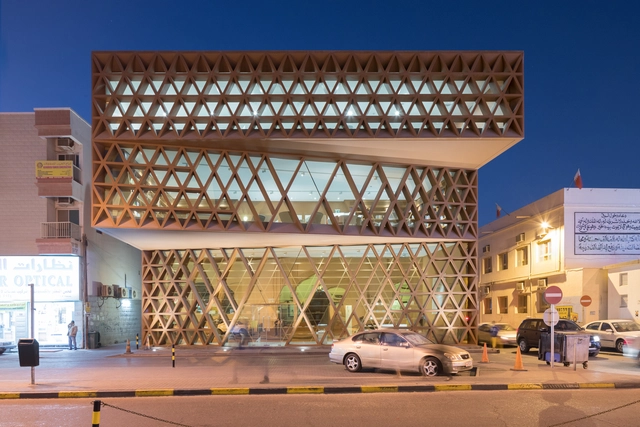
Khalifeyah Library / SeARCH

Khalifeyah Library / SeARCH - More Images+ 14

•
Muharraq, Bahrain
  • Architects: SeARCH
  • Area Area of this architecture project Area:  600 m²
  • Year Completion year of this architecture project Year:  2016
  • Manufacturers Brands with products used in this architecture project
    Manufacturers:  dormakaba, Moooi, Rider glass, SARMAT, Vitra

AIA Announces Winners of 2018 Education Design Facility Awards

The American Institute of Architects Committee on Architecture for Education has announced the winners of this year’s Education Facility Design Awards. The eight winners and two merit honors were awarded this year’s best educational facilities that not only demonstrate excellence in contemporary architectural design but also further education in innovative ways and serve as an inspirational learning space. This year’s projects are designed for students of all ages, from childhood facilities to higher education buildings.

“Education continues to evolve, and the projects from this year’s Education Facility Design Awards program—presented by the AIA and the Committee on Architecture for Education—represent the state-of-the-art learning environments being developed in today's learning spaces. These projects showcase innovation across the entire learning continuum, displaying how architects are creating cutting-edge spaces that enhance modern pedagogy.”

Read more about the winners below.

AIA Announces Winners of 2018 Education Design Facility Awards - More Images+ 45

Elizabeth Diller of Diller Scofidio + Renfro Named Again in Time's 100 Most Influential People List

Architect Elizabeth Diller of firm Diller Scofidio + Renfro has once again been named one of TIME’s most influential people in 2018. TIME Magazine’s annual ‘Time 100’ List recognizes the achievement of artists, leaders, activists, entrepreneurs, and athletes who are exemplary in their fields. Diller has been named to the category of “Titans,” along with Roger Federer, Oprah Winfrey, Jeff Bezos, Elon Musk and Kevin Durant. This is Diller’s second time on the list but the first time being honored as a "Titan."

Other honorees this year include Shinzo Abe, Justin Trudeau, Xi Jinping and Jimmy Kimmel. 

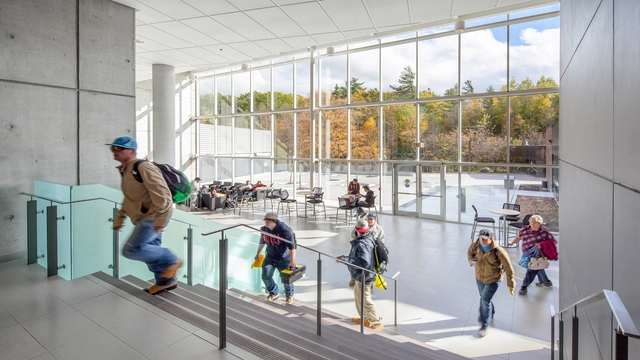
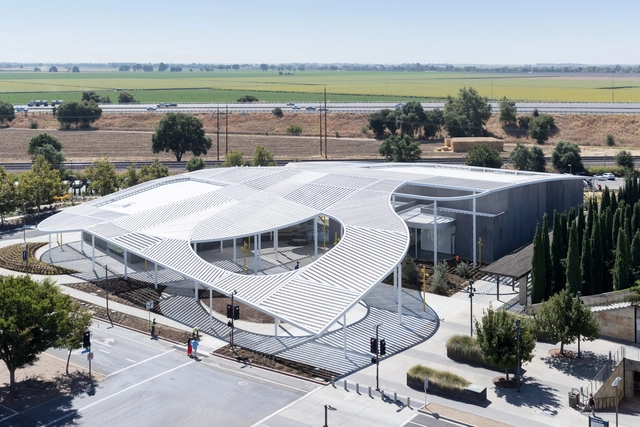
Jan Shrem and Maria Manetti Shrem Museum of Art / SO-IL

Jan Shrem and Maria Manetti Shrem Museum of Art / SO-IL - More Images+ 4

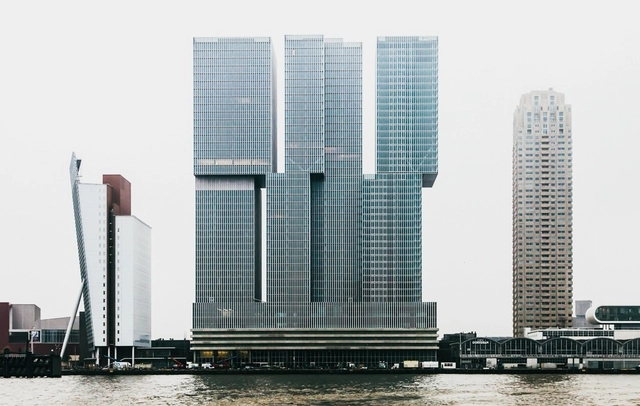
DUO Twin Towers / Büro Ole Scheeren

DUO Twin Towers / Büro Ole Scheeren - Office Buildings, Facade, Cityscape
© Iwan Baan

DUO Twin Towers / Büro Ole Scheeren - More Images+ 5

  • Architects: Büro Ole Scheeren
  • Year Completion year of this architecture project Year:  2018
  • Manufacturers Brands with products used in this architecture project
    Manufacturers:  Coulisse, Elmich

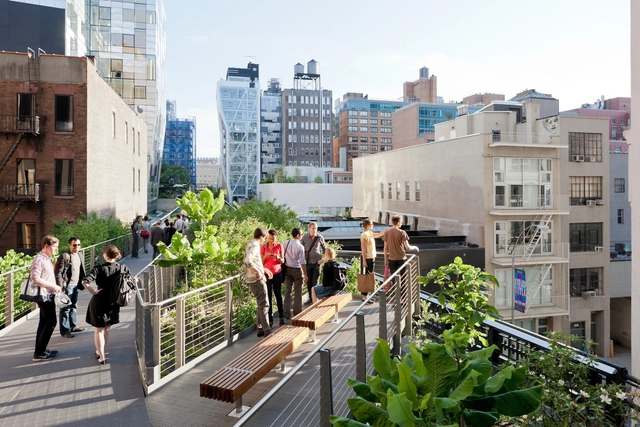
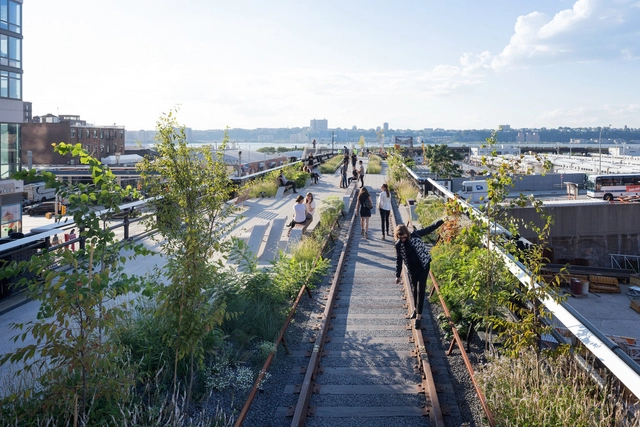
NYC's High Line Wins the 2017 Veronica Rudge Green Prize in Urban Design

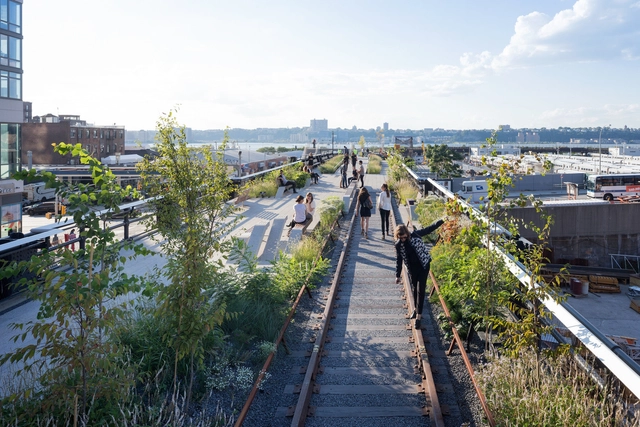
Eight long and prosperous years have passed since the first part of the New York High Line opened in 2009. As a prominent piece New York's architectural and urban identity, it is no wonder that it has been awarded the Harvard GSD Veronica Rudge Green Prize in Urban Design, recognising the ongoing efforts of the Friends of the High Line for their adaptivity to the changing context of the park and their support from the beginning for design excellence.

The jury was particularly inspired by the multidisciplinary project between James Corner Field Operations, Diller Scofidio + Renfro, and Piet Oudolf, spanning the public and private domains as a model of collaborative design. It was also commented on the social and political relevance of the High Line in saving a piece of American history from ruin and interacting through community outreach programs and a wider dissemination program for cities across the US.

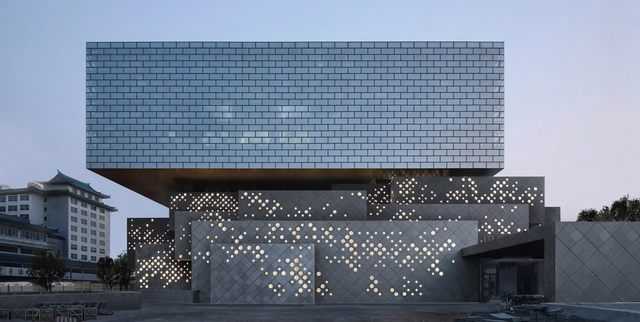
Guardian Art Center in Beijing / Büro Ole Scheeren

Guardian Art Center in Beijing / Büro Ole Scheeren - More Images+ 10

Subscriber Access

Placemaking: Movement, Manifesto, Tool, Buzzword—or What?

Amongst other placemaking-related news this year, the Boston Society of Architects’ Placemaking Network celebrated its 10-year anniversary by launching the Placemaking Manifesto in November. Co-authored by Christina Lanzl, Robert Tullis, and Anne-Catrin Schultz, the document set down six key ideas: “quality of life,” “sense of place,” “community identification,” “collaboration and communication” between “individuals of all backgrounds, interests and talents,” “inclusivity” and “greater civic engagement,” and “awareness of tradition with an embracing of new and emerging technologies.” While the basic principles that placemaking espouses are often hard to question, this manifesto in particular begs one question: Is placemaking understood and defined clearly enough for it to be a useful tool for urbanists?

In the past decade or so, placemaking has gained considerable momentum, spewing forth an array of approaches, countless lists of best practices (including, in essence, this new manifesto), and complicated sub-categorizations. It is simultaneously a much-lauded global movement, an academic discipline, a field, discourse, process, and tool, but is also, among other charges, heavily criticized for being an “ill-defined buzzword.”

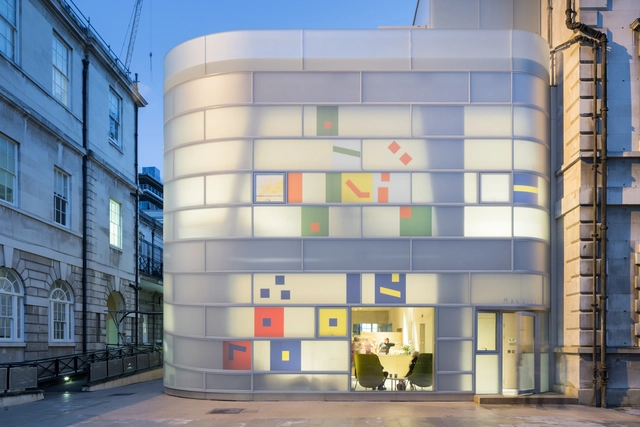
Maggie's Centre Barts / Steven Holl Architects

Maggie's Centre Barts / Steven Holl Architects - More Images+ 9