-
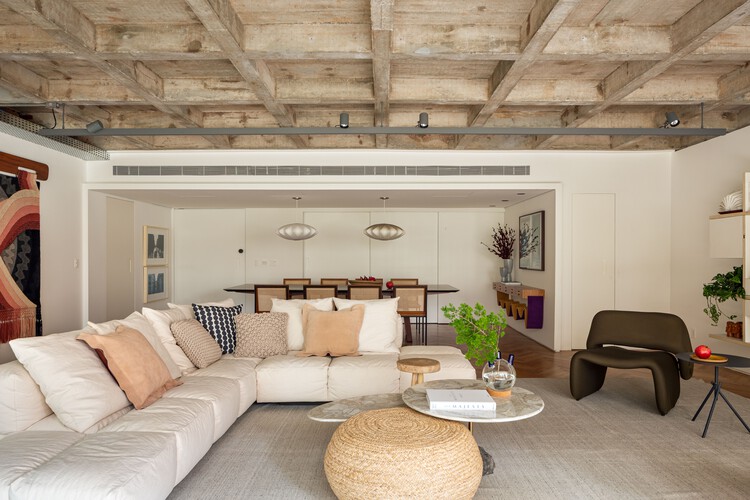
Architects: Ana Sawaia Arquitetura
- Area: 241 m²
- Year: 2025
-
Manufacturers: Baraúna, By Kamy, Carbono, Dpot, Estúdio Bola, +5
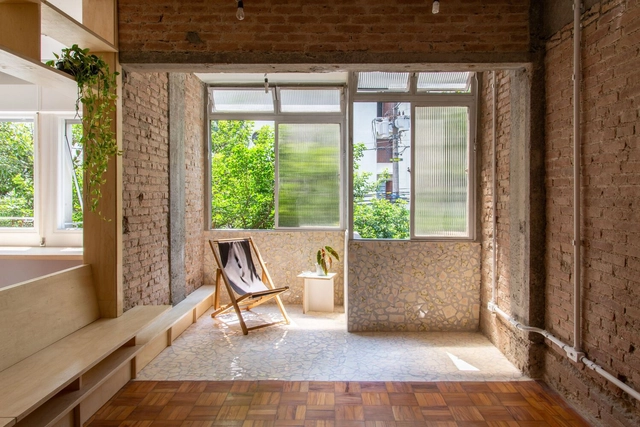
From the field of architecture and construction, the concept of material reuse is closely tied to circular economy and the reduction of carbon footprints, paving the way toward a more sustainable and responsible future. By incorporating recycling practices, recovery, restoration, and/or the reuse of demolition materials, resource efficiency along with the reduction of energy consumption makes it feasible to experiment with techniques, applications, and new materials that honor the memory of spaces while also bringing new life to both interiors and exteriors.
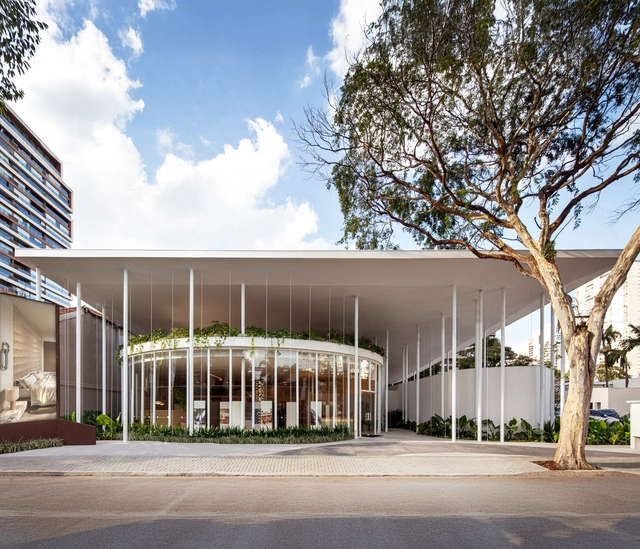
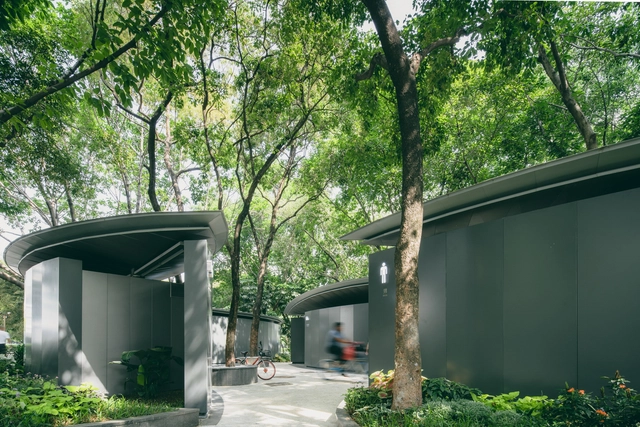
Contemporary city life demands increasing amounts of infrastructure to meet everyday needs, ranging from parks and efficient transportation to the incorporation of public restroom facilities. However, these spaces often come with discomforts, including lack of accessibility, absence of privacy, and poor cleanliness. Recognizing these issues, various architects have taken on the challenge of transforming these spaces into functional and pleasant environments, experimenting with innovative proposals to address these needs.
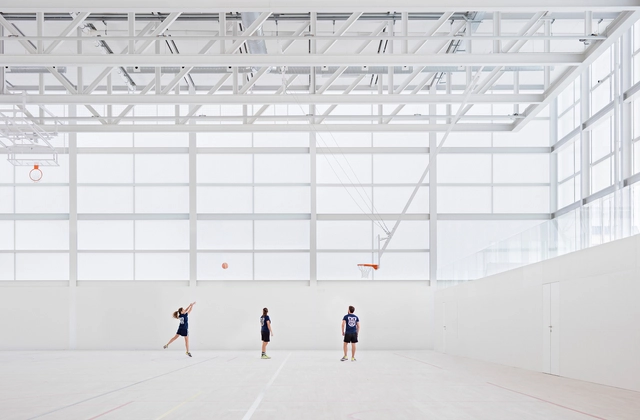
The Roman Colosseum is arguably the most iconic versatile venue in the world. Although this structure was not intended for sporting activities, it hosted various events, from the well-known gladiatorial combats to theatrical performances and the dramatic naumachia (naval battles). This demonstrates that flexible use of space has been relevant since ancient times. Centuries later, in the context of the ever-changing built environment and urban development, sports venues have similarly evolved, becoming outstanding examples of multi-purpose spaces.
These athletic complexes have transformed from highly specialized venues into dynamic, multifunctional structures. Whether hosting major international events such as the Olympic and Paralympic Games or serving as gathering spots for local communities, these spaces strike a delicate balance between addressing the needs of specific sports and maintaining the flexibility to accommodate a range of activities. How do these diverse functions coexist and interconnect? This analysis will explore how sports facilities are configured as flexible hubs for other disciplines and everyday activities.
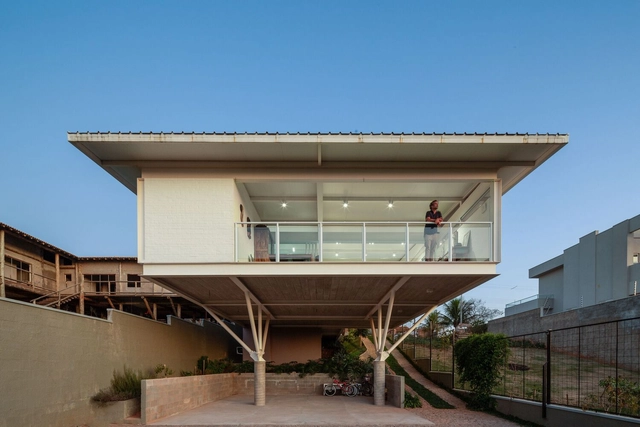
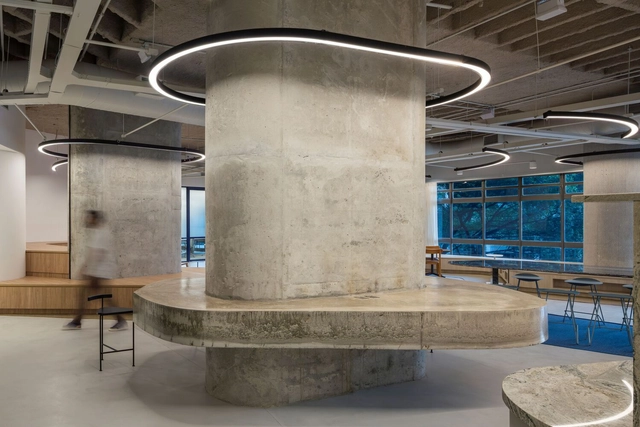
The Monadnock Building in Chicago began construction in 1891 and is still in use today. The building features a somber facade without ornamentation and a colossal height - at the time - of 16 floors. It is considered the first skyscraper built in structural masonry, with ceramic bricks and a granite base. To support the entire load of the building, the structural walls on the ground floor are 1.8 meters thick, and at the top, 46 centimeters. One hundred and thirty years later, this construction system remains common and allows for the erection of taller buildings with much thinner walls, accomplishing even new architectural works economically and rationally. But what is structural masonry about, and how can designers use it in architectural projects? And for what kinds of buildings is this system most suitable?
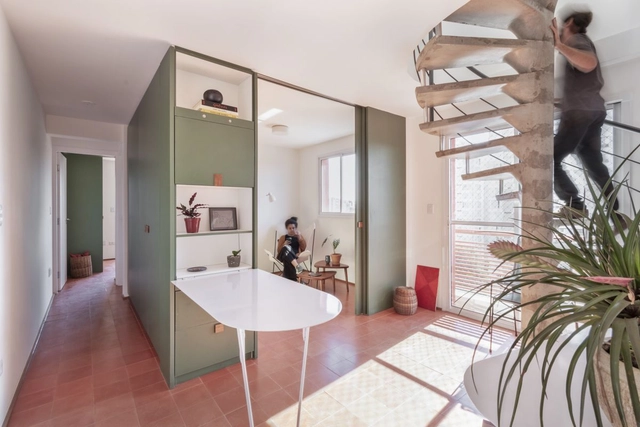
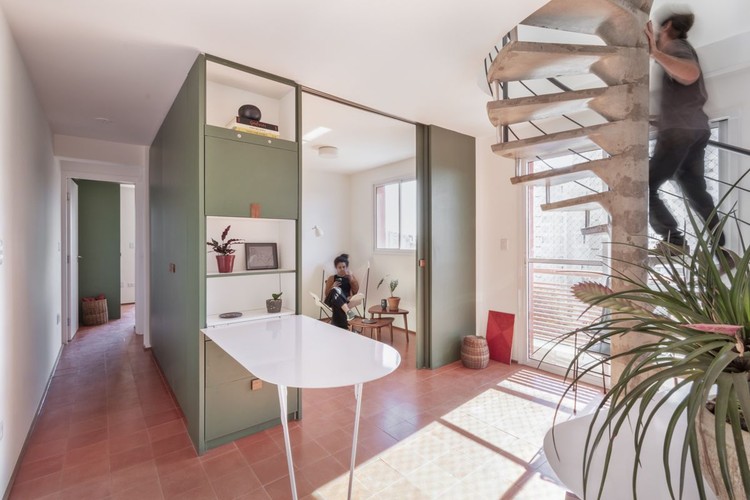
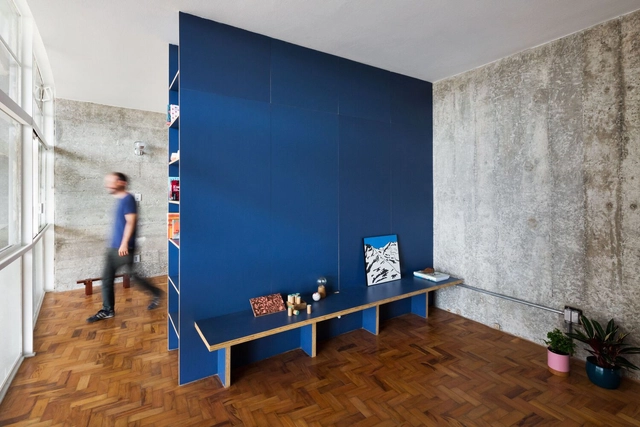
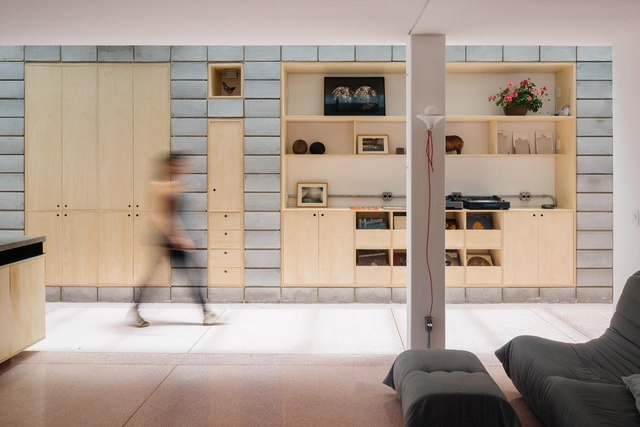
Many architectural projects have been giving special attention to cabinetry and built-in furniture. These custom-made wood pieces are designed for specific purposes and can be used to organize the space, which can be living rooms, bedrooms, studies, kitchens, and bathrooms. Besides functionality, these elements also introduce different materials, textures, and colors into the environments. This article will explore some examples of how colorful cabinets and furniture can make architectural projects more vibrant.
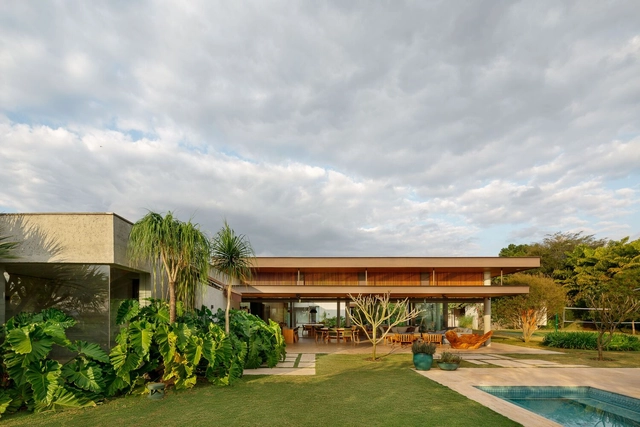

Last week, we announced the 15 finalists for the 2023 Building of the Year, an award celebrating the best of Portuguese-speaking architecture by inviting our readers to select their favorite projects built in Portuguese-speaking countries. The day has come to reveal the winners of the 2023 ODA.
The 2023 Building of the Year Award is presented by Dornbracht, an internationally renowned brand for kitchen and bathroom design.