
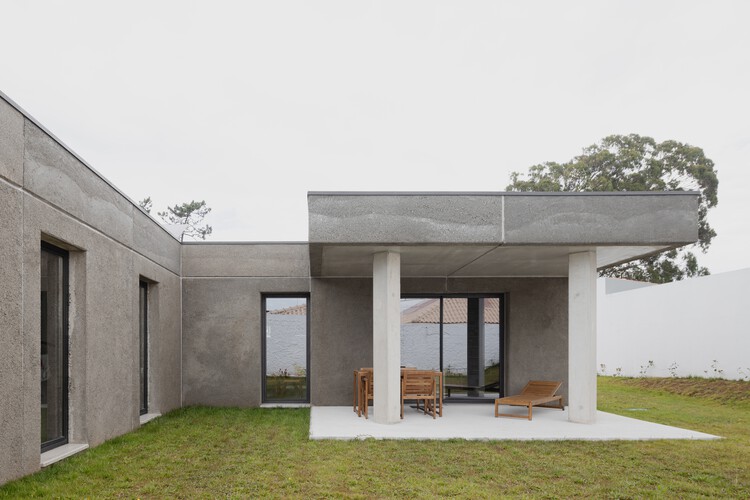
Rice Husk House / SUMMARY


https://www.archdaily.com/1185918/rice-husk-house-summarySusanna Moreira
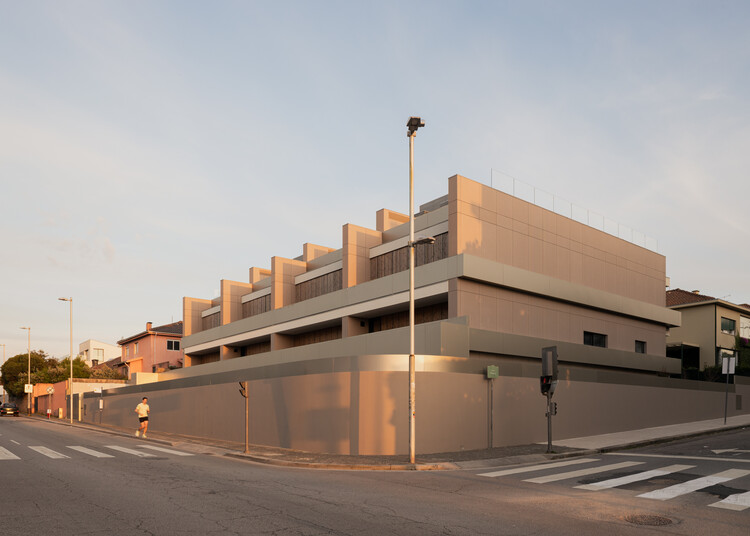
Boavista Housing / A43


https://www.archdaily.com/1042611/boavista-housing-a43-ldaSusanna Moreira
Art Nouveau Revisited: Craft, Materiality, and Detail in Contemporary Hospitality Spaces

At the turn of the 20th century, parallel, yet connected movements around the world ushered in a new style and architectural era. From the Arts and Crafts in England, Art Nouveau, then Art Deco in France, or the Jugendstil in Germany/Austria, these design and artistic developments spread around the world and took on different forms depending on their context. The basis remained similar, though, with a focus on artisanal value and craftsmanship; the use of wood, glass, and various metals; the integration of organic forms into the exterior facade and interior structure; and the refined incorporation of ornamentation as an architectural element, often as vegetation or geometric patterns.
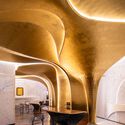
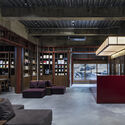
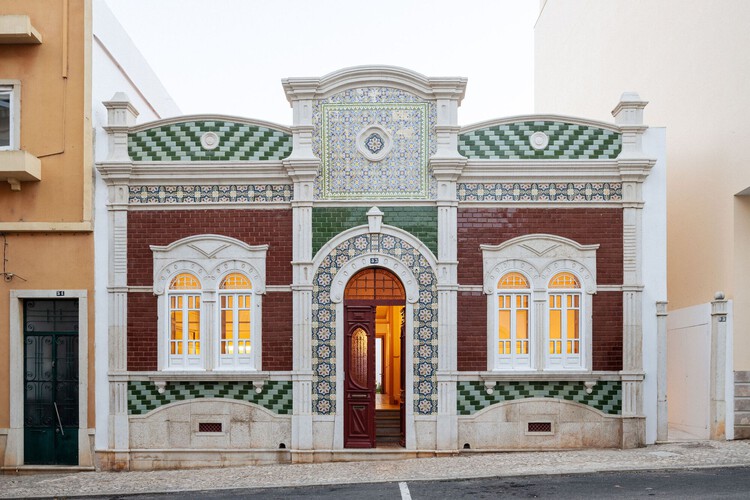
https://www.archdaily.com/1041091/art-nouveau-revisited-craft-materiality-and-detail-in-contemporary-hospitality-spacesHana Abdel
Shaping Architectural Continuity: 25 Revitalization Projects Across Historic, Industrial, and Natural Sites

Heritage sites constitute complex spatial archives in which architecture, history, and collective memory converge. They encompass a wide spectrum of contexts—from archaeological remains, ancient and historic townscapes, UNESCO-listed landscapes, to early modern civic structures and industrial infrastructures. Yet these environments confront challenges: climate change, urban transformation, disaster, shifting social needs, and the gradual erosion of material fabric. Revitalization and restoration projects respond to these conditions by positioning architectural and spatial practice as an active mediator between preservation and the contemporary topologies.
In current practice, conservation is understood as a creative process of adaptation and reinterpretation that serves both communities and inhabitants. At the same time, monumental architecture continues to define the identity and landscape of a place for wider audiences and future generations. Architects and planners are called upon to negotiate sensitive historic contexts while introducing new programs, techniques, and spatial experiences. They exemplify diverse design approaches, including precise structural interventions, climate-responsive strategies, and meticulous material restoration, alongside the thoughtful insertion of new architectural elements. Equally important is their engagement with vernacular knowledge and materiality, which preserves the locality and cultural specificity of each site.


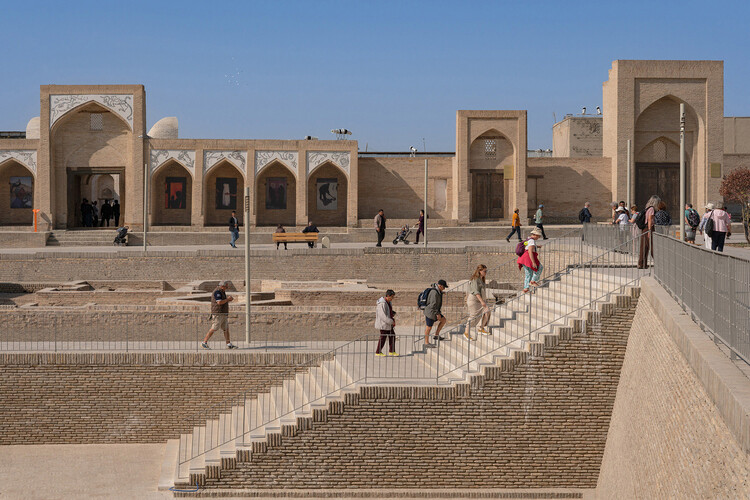
https://www.archdaily.com/1038703/shaping-architectural-continuity-25-revitalization-projects-across-historic-industrial-and-natural-sitesMiwa Negoro
Canal Beach Nature Resort / Atelier Bugio
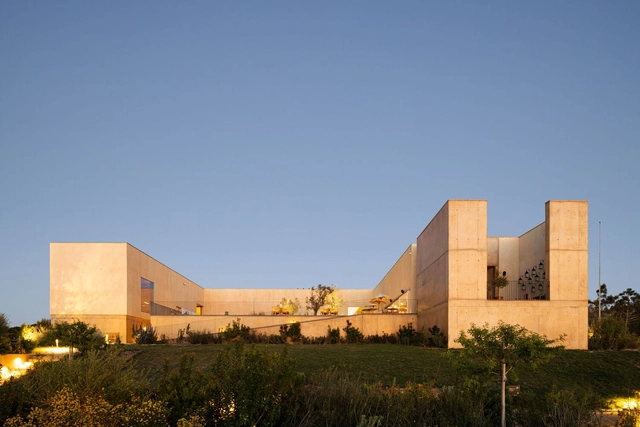


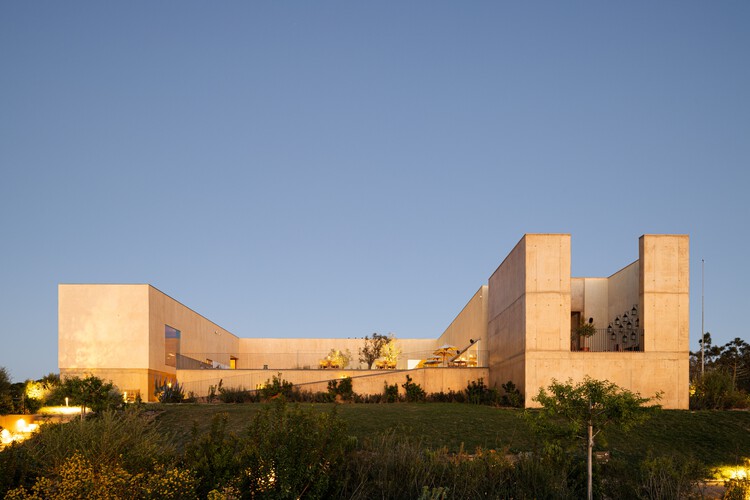
-
Architects: Atelier Bugio
- Area: 3316 m²
- Year: 2023
https://www.archdaily.com/1036166/canal-beach-nature-resort-atelier-bugioSusanna Moreira
House in Besteiros / Rasura Arquitetos
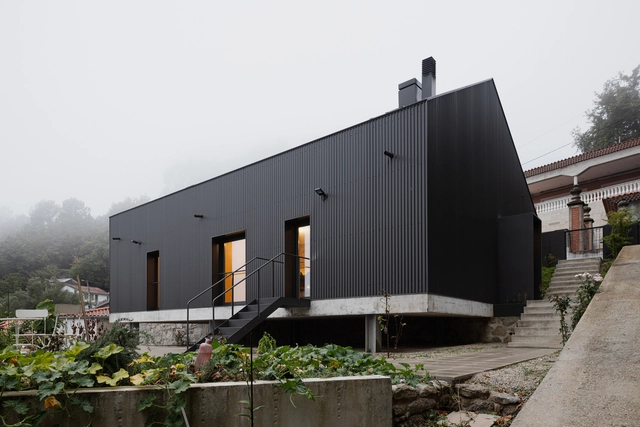


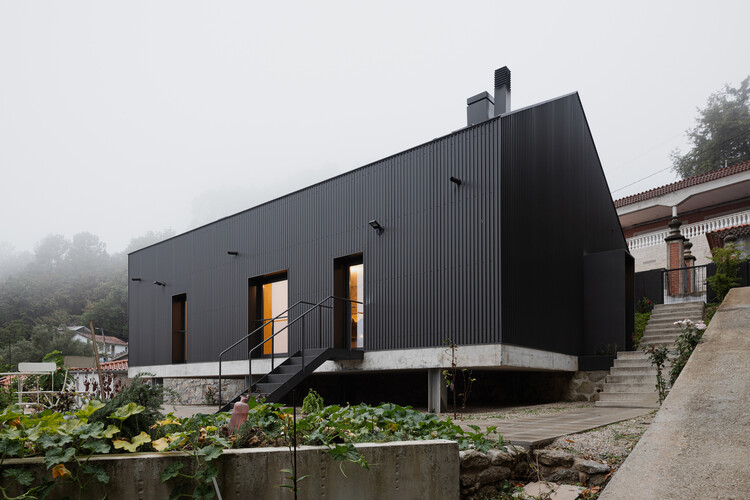
-
Architects: Rasura Arquitetos
- Area: 198 m²
- Year: 2025
-
Manufacturers: FARO Barcelona, LUNAWOOD
https://www.archdaily.com/1068580/house-in-besteiros-rasura-arquitetosSusanna Moreira
Bridging Disciplines, Connecting Cities: The Interdisciplinary Approach to Urban Mobility in Portugal

An architecture degree may provide a vast curriculum, but many of the skills needed for a project lie outside the discipline. This is especially true for urban-scale projects. They demand expertise in areas like traffic studies, structural calculations, landscape design, and technical installation forecasting. These are often seen as "complementary" but are, in fact, fundamental to the overall design.
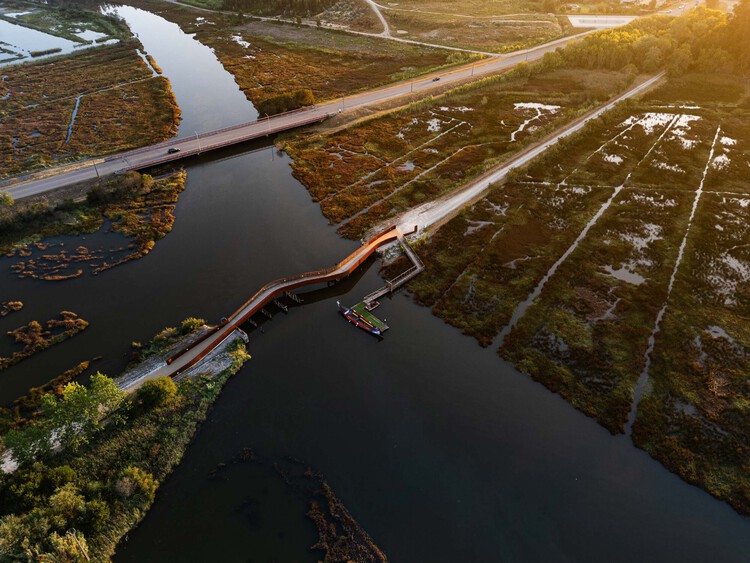
In a country like Portugal, with a relatively small but geographically diverse territory, the challenge of connecting different parts of the territory – whether to cross a river or link one level of a city to another – is a constant one. Its largest metropolitan areas, such as Lisbon and Porto, share a rugged geography of steep valleys and hills. These features led to the development of elevators and funiculars, like the Santa Justa Lift and the Bica Funicular in Lisbon, and the Guindais Funicular in Porto. Today, besides improving urban mobility, they have become tourist landmarks.


https://www.archdaily.com/1033799/bridging-disciplines-connecting-cities-the-interdisciplinary-approach-to-urban-mobility-in-portugalSusanna Moreira
G – 5 Houses / SUMMARY


-
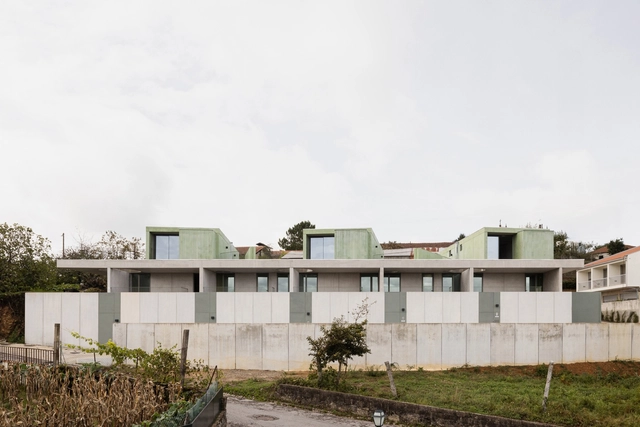
Architects: SUMMARY
- Area: 835 m²
-
Professionals: FTS, Technical Solutions, Arouconstroi SA
https://www.archdaily.com/1034091/g-5-houses-summaryPilar Caballero
Santa Clara 114 / Atelier 126


-
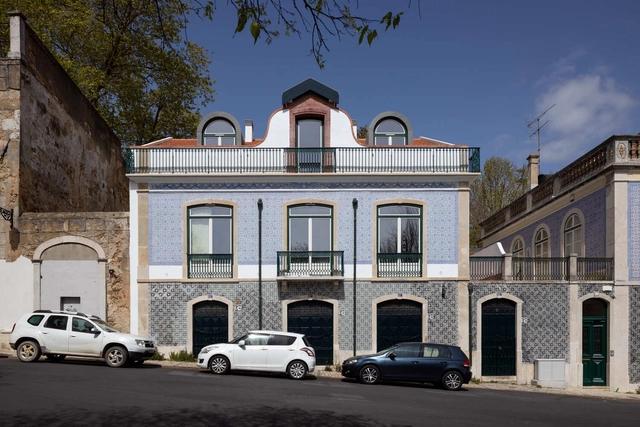
Architects: Atelier 126
- Area: 320 m²
- Year: 2022
https://www.archdaily.com/1151977/santa-clara-114-atelier-126Susanna Moreira
The Kitchen in the New Spatial Economy: 5 Contemporary Design Approaches
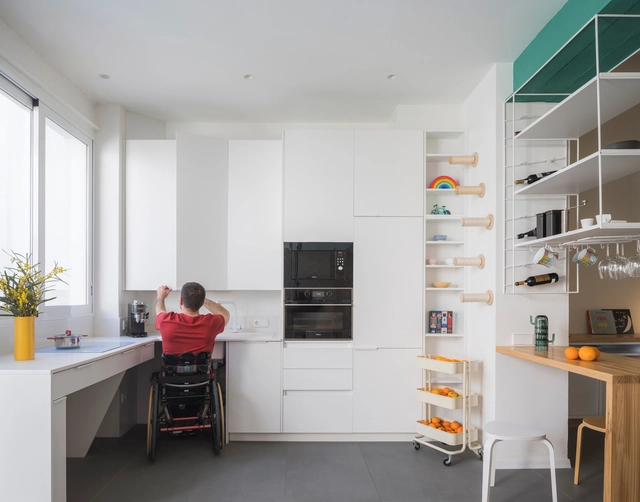
Space has become a luxury in many of the world's most densely populated cities—a growing reality that's hard to ignore. Megacities like Tokyo, Shanghai, Mumbai, Mexico City, and São Paulo already have populations exceeding 20 million, while other urban centers across Asia and Africa continue to expand rapidly. Among these, Delhi stands out: if current trends continue, it is projected to become the most populous city by 2028. As these cities expand, housing—especially new developments—follows a new logic: as square meters shrink, furniture adapts, and daily life learns to fit and thrive in high-density environments. This change isn't just about size; it reflects a new way of living. Where spaciousness once dominated, density now rules. Every corner gains spatial and commercial value, with the kitchen emerging as one of the biggest challenges in housing design today.


https://www.archdaily.com/1030485/the-kitchen-in-the-new-spatial-economy-5-contemporary-design-approachesEnrique Tovar


Graça Funicular / Atelier Bugio
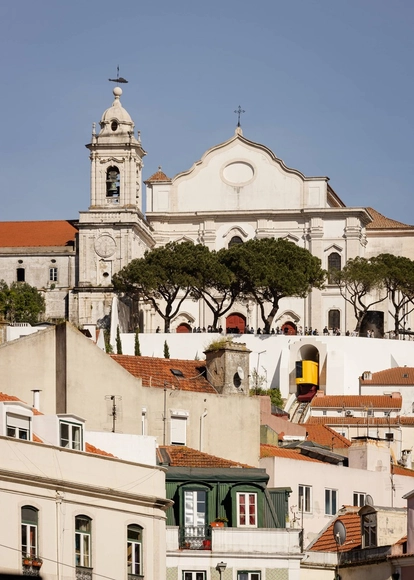


https://www.archdaily.com/1027156/graca-funicular-atelier-bugioAndreas Luco
Parque Botânico e Fluvial do Rio Paiva - Cinfães / Paradoxo Arquitectura
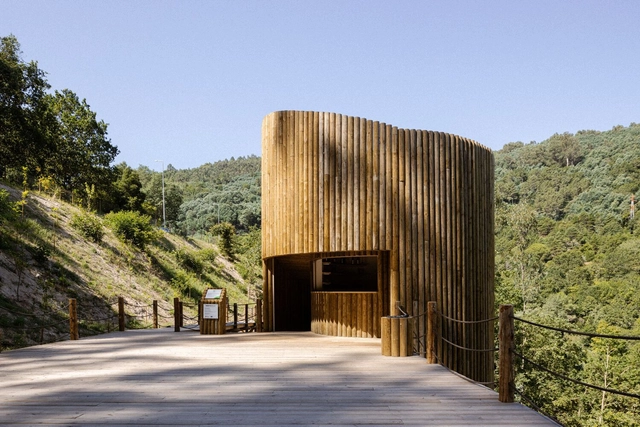


https://www.archdaily.com/1026907/parque-botanico-e-fluvial-do-rio-paiva-cinfaes-paradoxo-arquitecturaAndreas Luco
São Pedro do Sul Roman Baths / João Mendes Ribeiro
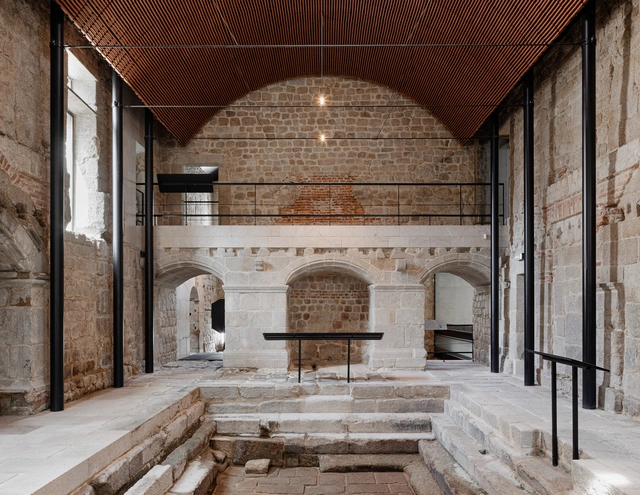


-
Architects: João Mendes Ribeiro
- Area: 618 m²
- Year: 2019
https://www.archdaily.com/1019804/sao-pedro-do-sul-roman-baths-joao-mendes-ribeiroSusanna Moreira
16 Multi-Colored Office Spaces That Use Chromaticism to Organize and Inspire Their Workforce
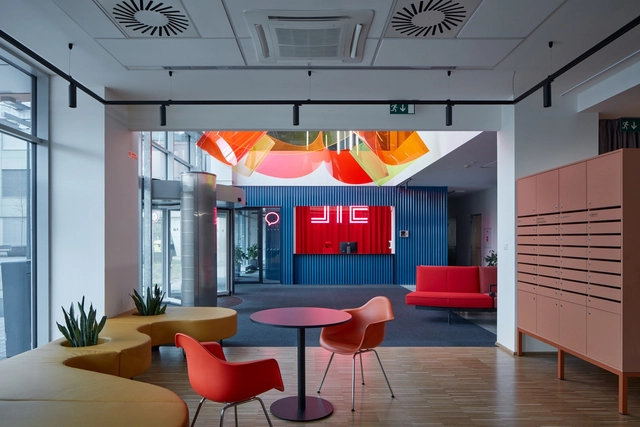
When a brief to design a new office space asks for something fresh, energetic, and modern – a space where employees enjoy being and, crucially, enjoy working in, which helps them to focus on individual tasks but also to relax, collaborate, and create – there are few better places to begin than a color wheel. As the world of work and the varied environments it takes place in become less formal and restricted in their design, architects, designers, and, more importantly, their clients are handing the boring, monotone office its redundancy papers and looking outside the establishment at more expressive colorful options.
While blue’s ability to improve concentration, stimulate thinking, and provide mental clarity helps to increase productivity, the human body needs regular periods of rest and relaxation, too. For this, warm colors like yellows provide relaxation through warmth and comfort – perfect for break-out areas. Meanwhile, reds and oranges promote creativity and expression, meaning they can be useful for areas designated for social collaboration, whilst green encourages a calmer, more balanced approach, for a different kind of meeting.


https://www.archdaily.com/1014908/16-multi-colored-office-spaces-that-use-chromaticism-to-organise-and-inspire-their-workforceJames Wormald


"Music is an important part of our lives as architects": Interview with Arquitectos Aliados
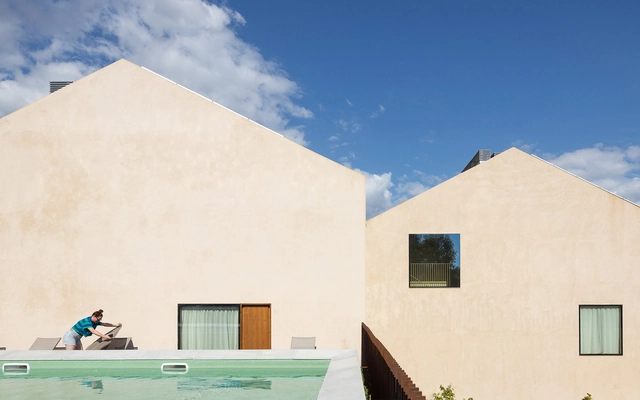
No País dos Arquitectos is a podcast created by Sara Nunes, who is also responsible for the architectural film production company Building Pictures. The podcast aims to profile the professionals, projects, and stories behind leading contemporary Portuguese architecture. With just over 10 million inhabitants, Portugal is a fascinating country regarding this professional field, and its architectural output punches far above its population or territorial scale.
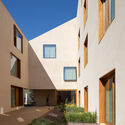
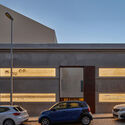
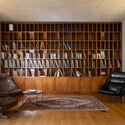
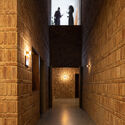
In this episode of the sixth season, Sara talks with architects Susana Leite and Luís Barbosa e Silva, from the firm Arquitectos Aliados, about the design for the Hotel Apartamento e Sala Espetáculos - M.OU.CO. Listen to the conversation and read an excerpt of the interview below.

https://www.archdaily.com/1136512/music-is-an-important-part-of-our-lives-as-architects-interview-with-arquitectos-aliadosRomullo Baratto
House in Douro Valley / Logoexisto by Paz da Costa | Arquitetura + Interiores
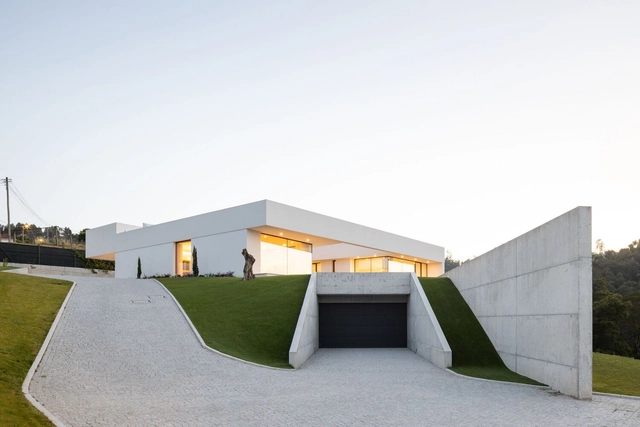


https://www.archdaily.com/1007710/house-in-douro-valley-logoexisto-by-paz-da-costa-arquitetura-plus-interioresSusanna Moreira