«In Conflict Vol. 1», published by Circo de Ideias and edited by depA architects, Carlos Azevedo, João Crisóstomo, Luís Sobral, and Miguel Santos, presents the research conducted for the Portuguese representation at the 17th International Architecture Exhibition of the Venice Biennale. The book responds to the question posed by Hashim Sarkis, general curator of the 2021 Biennale Architettura: ‘How will we live together?’, by revisiting a selection of Portuguese architectural processes in democracy, shaped by broad public debate between political power, the press, and civil society.
Cities play a fundamental role in the search for solutions and policies to mitigate the problems driving global climate change. Today, urban areas account for more than 70% of carbon dioxide (CO₂) emissions—one of the main causes of the greenhouse effect and its consequences for the environment and human life.
Just like much of popular culture, for most of the twentieth century, architectural media relied on magazines sold at newsstands and supermarkets. Through them, readers discovered what was being built, tracked technological innovations, and, to some extent, popularized architectural discourse, taking it beyond the academic and elitist confines of universities and conferences. With the rise of the internet, the format of this information shifted, finding new ways to reach the public. Social media and specialized websites became crucial channels for sharing information and services, expanding public access to architectural issues. Today, every major social network hosts profiles dedicated exclusively to architecture, tailoring their content to each specific platform.
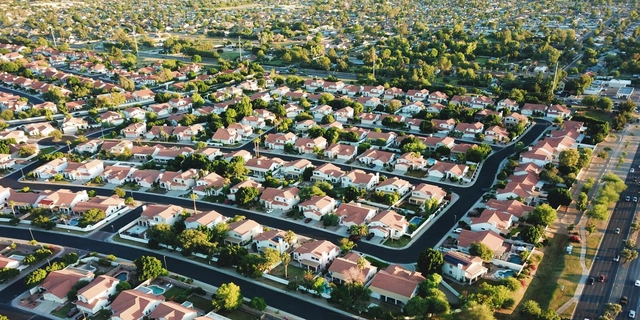
In his most recent book, Survival of the City, economist Edward Glaeser diagnoses the conflicts of interest that permeate the urban debate. According to him, there is a fundamental opposition between insiders—longtime residents interested in maintaining the status quo and increasing their property values—and outsiders—new residents looking for affordable housing and new opportunities for work, consumption, and urban space.
https://www.archdaily.com/1132011/nimby-and-yimby-two-visions-of-the-cityAndrey Barbosa, Gabriel Nunes, Guilherme Pereira e Pedro Portes
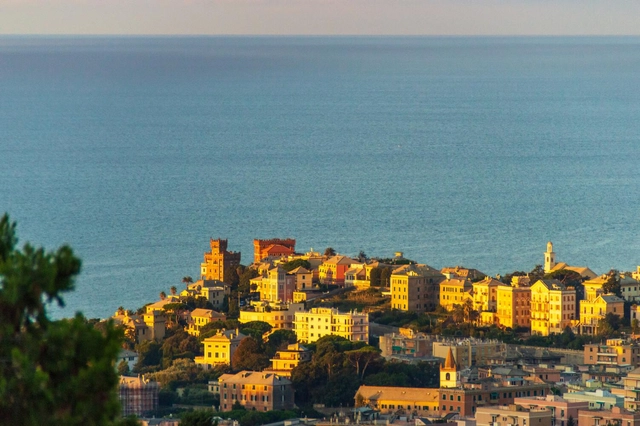
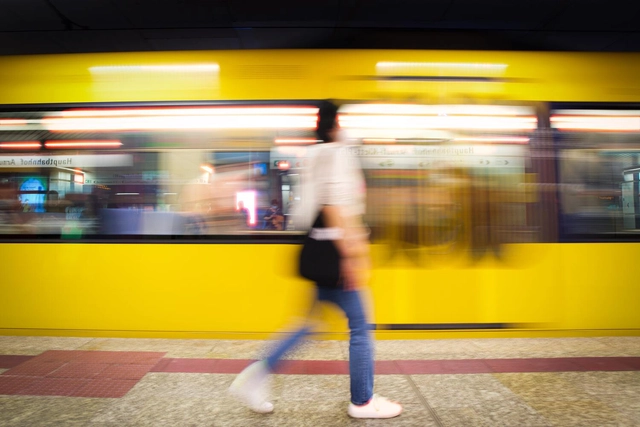
Genoa, Italy. Photo by Philip Schroeder via Unsplash
At the end of 2021, the port city of Genoa, Italy, introduced free public transit. Following the success of the initiative, the experiment, originally scheduled to end on March 31, 2022, was extended for another four months.
Vertical transit systems (such as elevators and funiculars) will remain free seven days a week with no time restrictions, while free subway access is available during two specific windows: daily from 10:00 a.m. to 4:00 p.m. and from 8:00 p.m. to 10:00 p.m. This free access will be valid until July 31.
Bringing lighting to those in need using solar energy and affordable materials. This is the mission of the NGO Litro de Luz, which, during a three-day campaign, positively impacted the quality of life of 173 families from riverside communities living along the banks of the Rio Negro in the Amazon.
One of the great theorists of architecture, the city, and nature recently passed away on March 17, 2022, at the age of 85. Born in Vienna on October 4, 1936, Christopher Alexander lived a long life of singular contributions, offering visionary ideas about cities that challenged the mainstream of architectural practice.
https://www.archdaily.com/1132139/christopher-alexander-the-legacy-of-a-visionary-urbanistVinicius M. Netto
Summer, carnival, and transit fare hikes: the beginning of the year in Brazil is typically when municipal and state governments announce increases in public transportation fares. While these fares were frozen in 2021 due to the coronavirus pandemic, many cities have faced hikes once again in 2022. Understanding the impact of rising public transportation fares on our society is crucial.
On May 3 at 11 a.m., Portobello will host the UNLTD Dreams Exhibition, an event that promotes discussions on art, architecture, and sustainability, while showcasing the diverse possibilities of space design through the eyes of leading professionals.
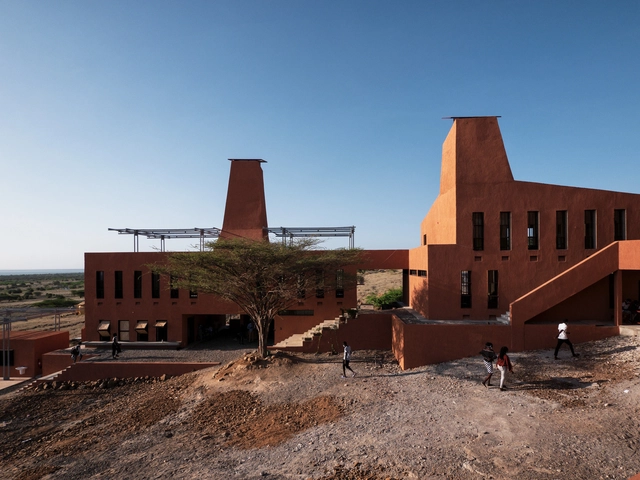
Startup Lions Campus / Kéré Architecture. Courtesy of Kéré Architecture
African architect Diébédo Francis Kéré, known worldwide for work guided by a social vision of architecture and design practice as a tool for inclusion and transformation, was this year's Pritzker Prize laureate. To discuss the award, the jury's selection, and its implications for architectural culture as a whole, Arquicast invited Caio Dias and Bruno Sarmento.
Two thousand five hundred reais is the average price of a good virtual reality headset. If you opt for the full experience, shell out another four thousand reais to add sensors and controllers. These models must be connected to a high-performance computer to process information and transform spaces into 3D models, costing at least five thousand reais. In addition to the headset, sensors, and computer, software is also required, with annual licenses that likewise run into the thousands. In short, keeping up with technology nowadays is quite a costly endeavor.
There is no shortage of filmmakers trained in architecture, nor of architects passionate about cinema. On the Betoneira Podcast, architect and filmmaker Marcio Kogan joined hosts Marcelo Barbosa and André Scarpa, both architects and cinephiles, to discuss the films that have shaped their lives and influenced their architecture.
The world's population is aging, and one of the major questions raised by this demographic shift—with more older adults than young children—is whether municipalities are equipped for these citizens to use urban spaces safely and accessibly, and to feel included in the social and civic life of their communities.
A United Nations (UN) report estimates that the number of individuals aged 65 or older is expected to double by 2050, growing from 727 million in 2020 to approximately 1.5 billion—representing 16% of the global population.
https://www.archdaily.com/1132240/how-to-make-a-city-age-friendlySomos Cidade
From May 10 to 15, the second edition of the Barcelona International Architecture Film Festival (BARQ) will take place. The event will be hosted within the MODEL. Barcelona Architectures Festival. It will feature seven feature films and twelve short films in competition, which will be screened at Barcelona's Cines Girona and the Disseny HUB. During the festival, the selected films will also be available on the Filmin platform.