
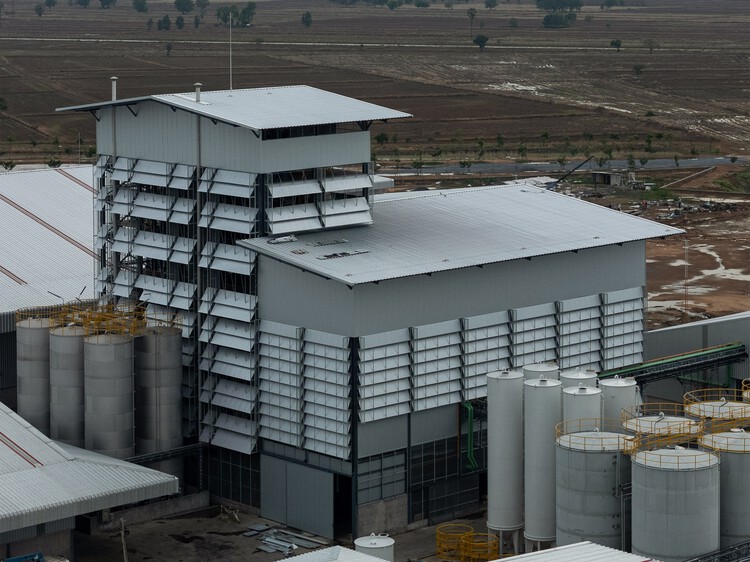
LPP Rice Bran Oil Refinery / PHTAA
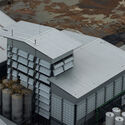
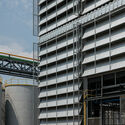
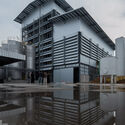
https://www.archdaily.com/1183945/lpp-rice-bran-oil-refinery-phtaaMiwa Negoro
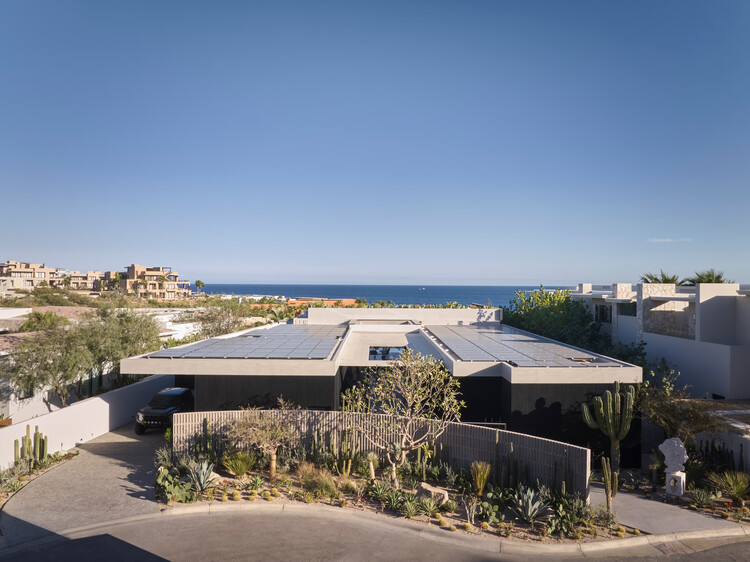
Casa Loto / Ezequiel Farca Studio

-
Architects: Ezequiel Farca Studio
- Area: 1110 m²
- Year: 2024
-
Manufacturers: Dornbracht, Cemex, Piacere, Sunbrella
https://www.archdaily.com/1183850/casa-loto-ezequiel-farca-studioCristina Popescu
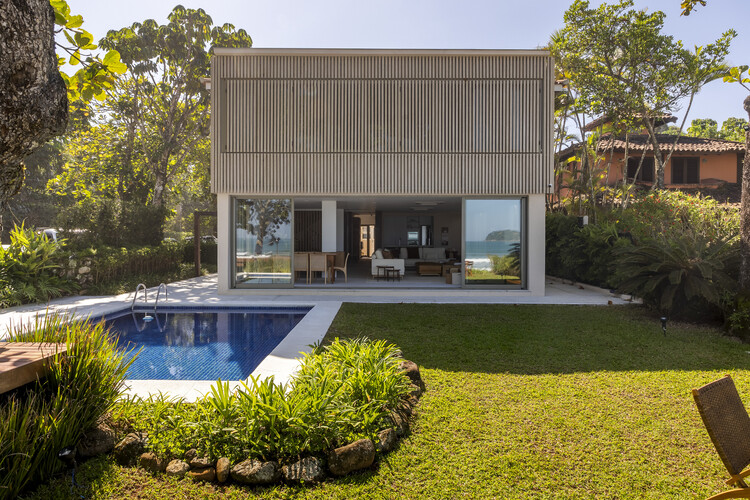
ADS House / VOA Arquitetura

-
Architects: VOA Arquitetura
- Area: 785 m²
- Year: 2023
https://www.archdaily.com/1184157/ads-house-voa-arquiteturaNana Dokua
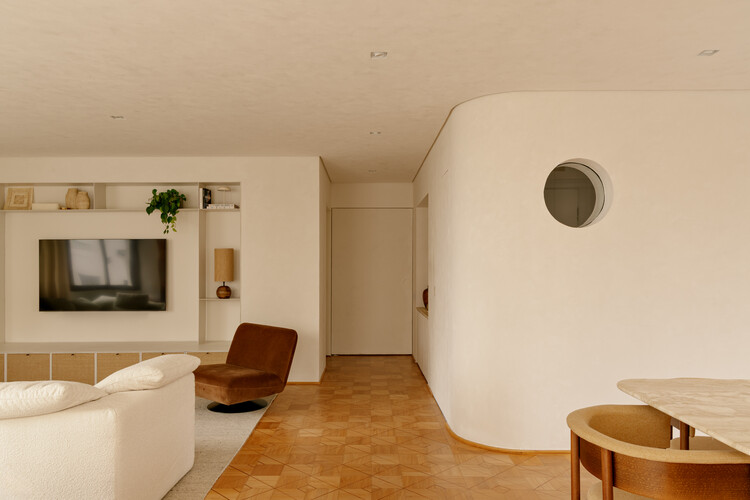
Sergipe Apartment / Terra Arquitetura





-
Architects: Terra Arquitetura
- Area: 230 m²
- Year: 2025
-
Manufacturers: Concresteel, Deca, Donata Brazilian Stones, JC Cortinas e Cia, Jacqsa Vidros, +10
https://www.archdaily.com/1184143/sergipe-apartment-terra-arquiteturaNana Dokua
Rehabilitation of the Orrios Exchange building / Oscar Escuder Arquitectura

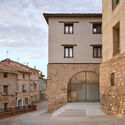
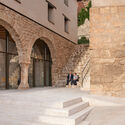

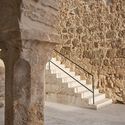
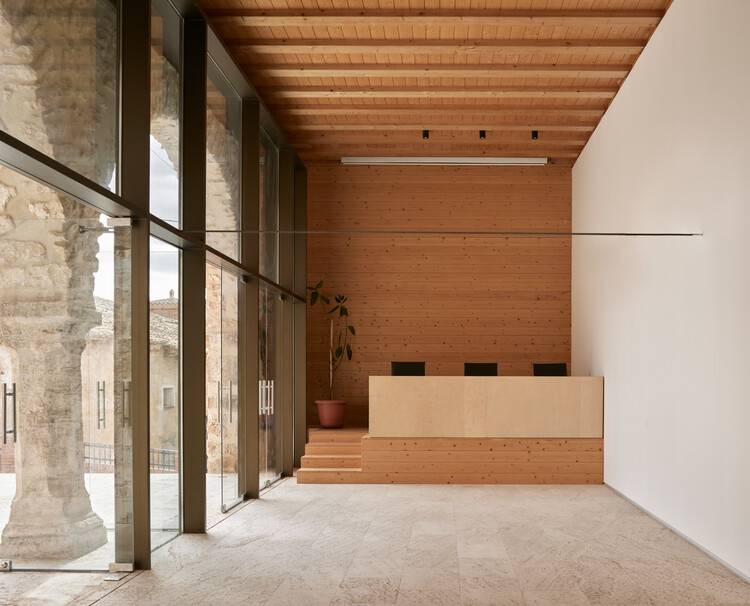
-
Architects: Oscar Escuder Arquitectura
- Area: 325 m²
- Year: 2023
https://www.archdaily.com/1183852/rehabilitation-of-the-orrios-exchange-buildingCristina Popescu
Radically Collective: The Legacy of Cuba's Microbrigadas Housing Program

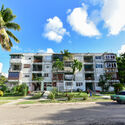
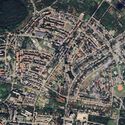
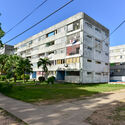
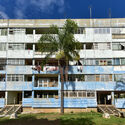
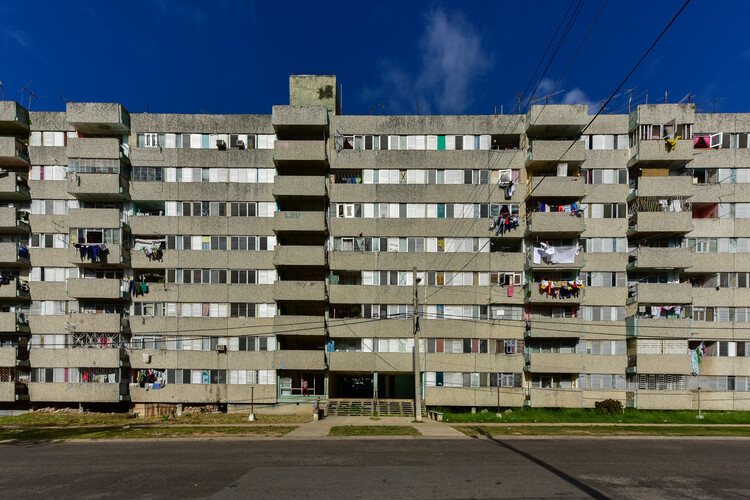
In the 1970s, Cuba faced a severe nationwide housing shortage due to population growth, rural-to-urban migration, and the degradation of existing housing stock. The government's answer was a system that pulled ordinary workers off their regular jobs and put them on building sites instead. This program, known as the Microbrigadas (microbrigades), reshaped entire districts of Havana, where they combined collective self-construction and state-backed technical knowledge, which left a mark on the urban grid of its capital city that persists until today.
https://www.archdaily.com/1183812/radically-collective-the-legacy-of-cubas-microbrigadas-housing-programMoises Carrasco
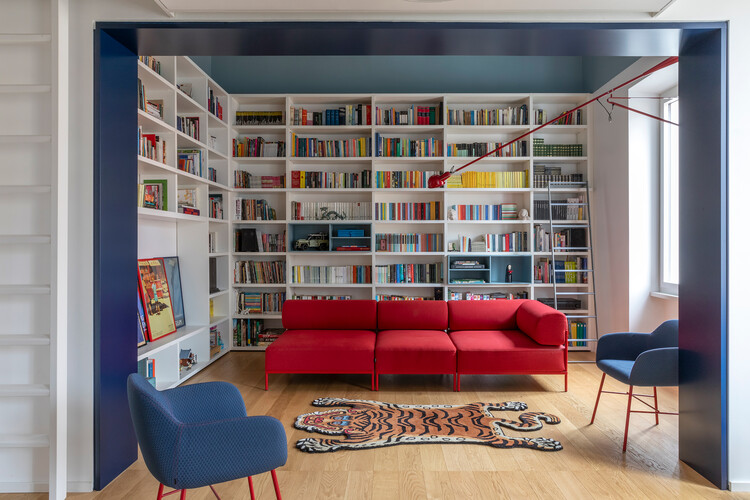
A12 Apartment / DKA





-
Architects: Diele Kerciku Architetture
- Area: 100 m²
- Year: 2026
https://www.archdaily.com/1183511/a12-apartment-dkaCristina Popescu
Semi-construction Site Office / ARCHWASTE

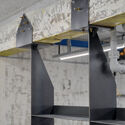
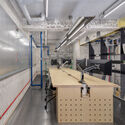
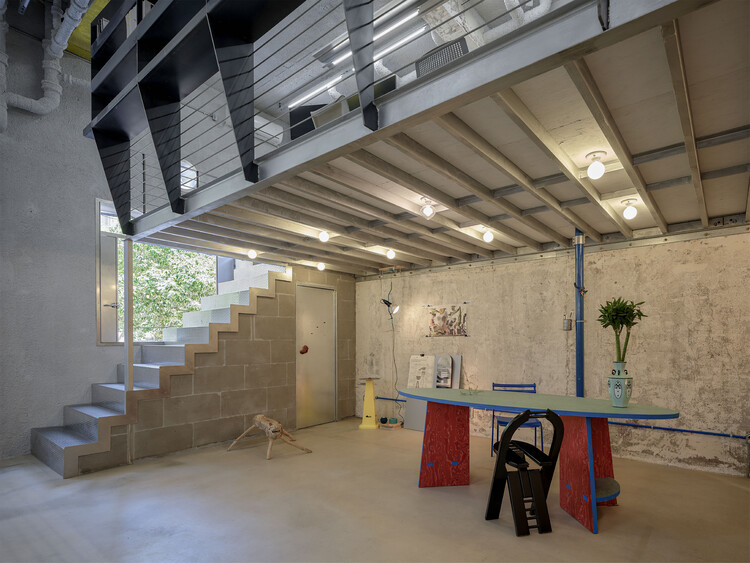
https://www.archdaily.com/1184064/semi-construction-site-office-archwaste韩爽 - HAN Shuang
Animà Village / Sordo Madaleno Arquitectos

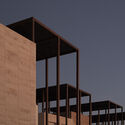
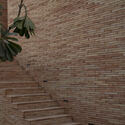
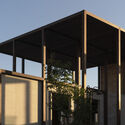
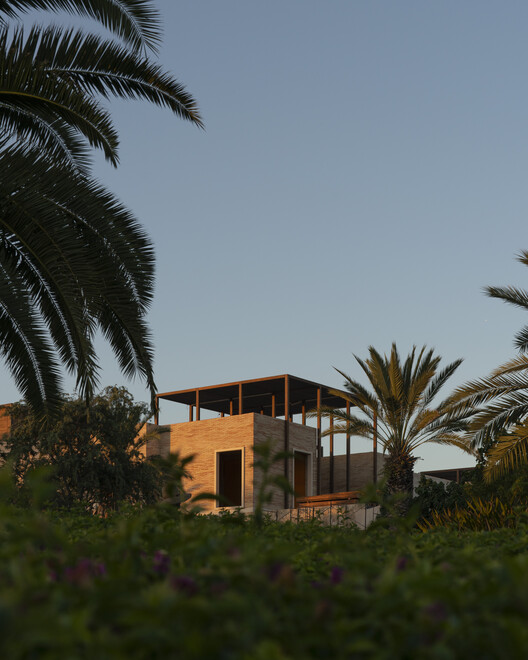
-
Architects: Sordo Madaleno Arquitectos
- Area: 24000 m²
- Year: 2025
https://www.archdaily.com/1183857/anima-village-javier-sordo-madaleno-bringasCristina Popescu
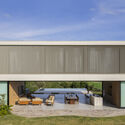
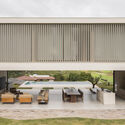
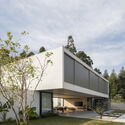
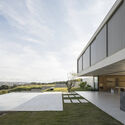
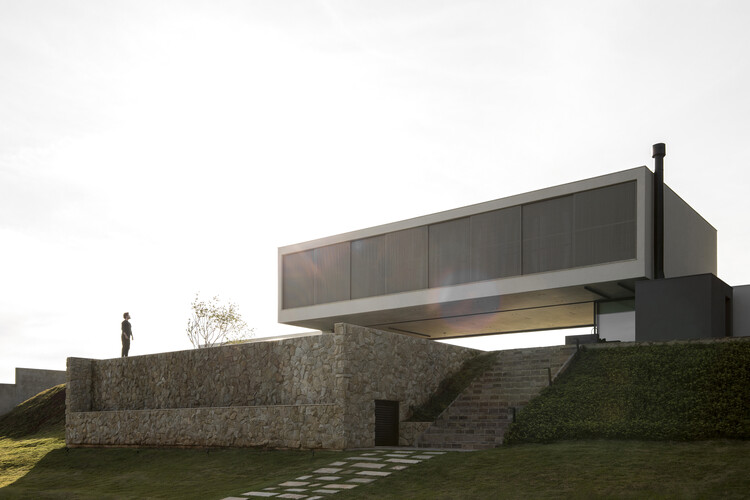
Bom Retiro House / Michel Macedo Arquitetos

-
Architects: Michel Macedo Arquitetos
- Area: 404 m²
- Year: 2025
https://www.archdaily.com/1184138/bom-retiro-house-michel-macedo-arquitetosNana Dokua
House in Estancia El Terrón / Santiago Bertotti

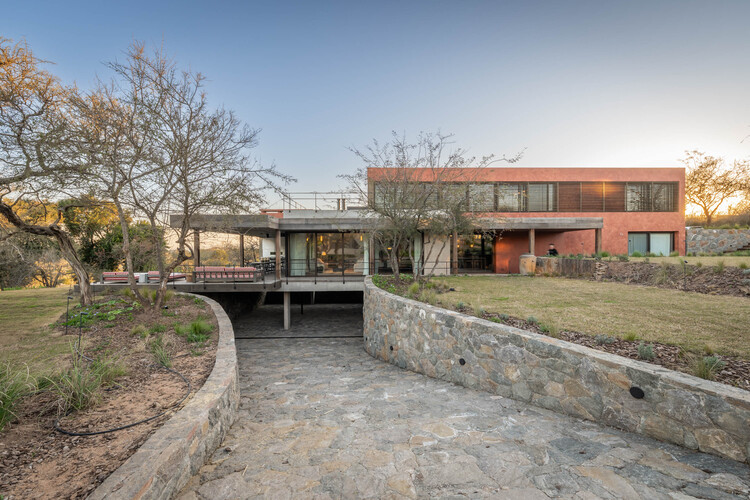
-
Architects: Santiago Bertotti
- Area: 600 m²
- Year: 2026
https://www.archdaily.com/1184087/house-in-estancia-el-terron-santiago-bertottiValentina Díaz
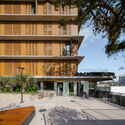
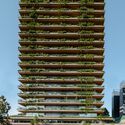
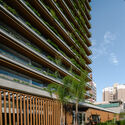
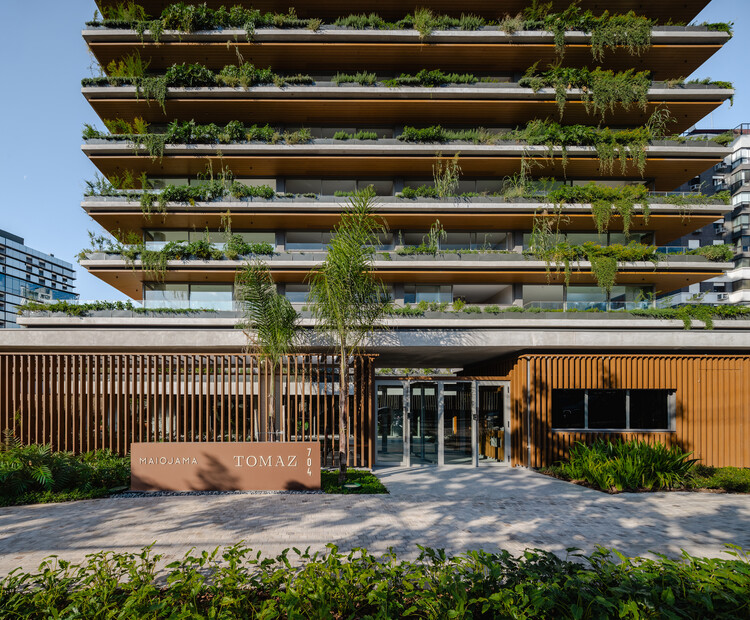
Tomaz Building / IDEIA1
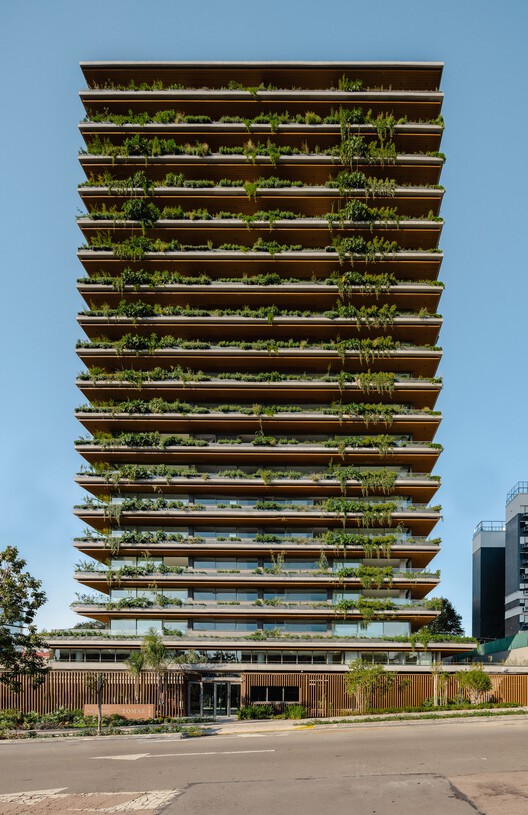
-
Architects: IDEIA1
- Area: 12250 m²
- Year: 2026
-
Manufacturers: GRAPHISOFT, OlgaColor, Schuco, Suvinil
https://www.archdaily.com/1184135/tomaz-building-ideia1Nana Dokua
Autocamp Sequoia / Waechter Architecture

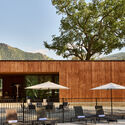
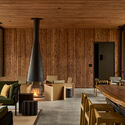
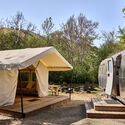
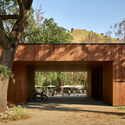
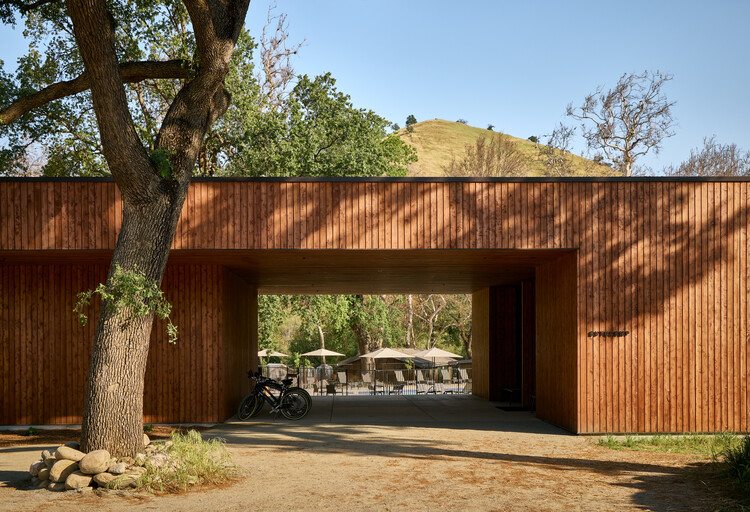
-
Architects: Waechter Architecture
- Area: 7800 ft²
- Year: 2025
https://www.archdaily.com/1183669/autocamp-sequoia-waechter-architectureNana Dokua
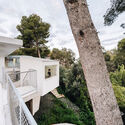
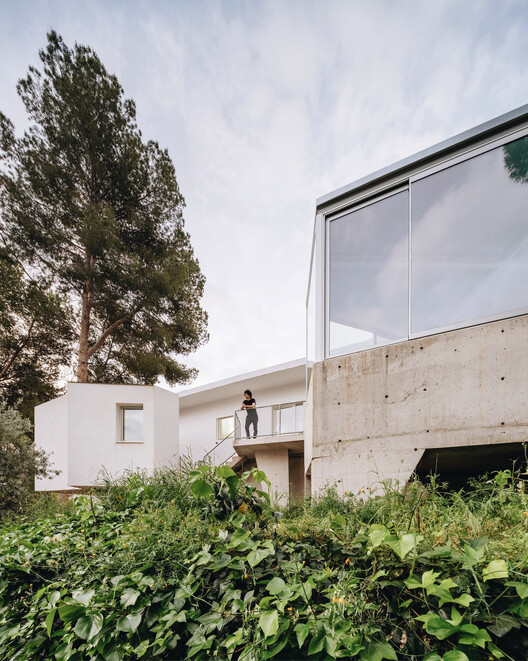
Casa PB16 / ESPECIE arquitectura

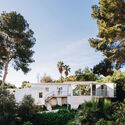
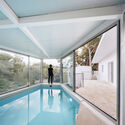
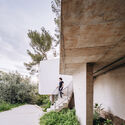
-
Architects: ESPECIE arquitectura
- Area: 156 m²
- Year: 2026
https://www.archdaily.com/1183846/casa-pb16Cristina Popescu
Lina Bo Bardi and Popular Making: Craft and Accessibility in Design

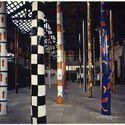
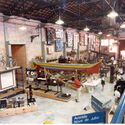
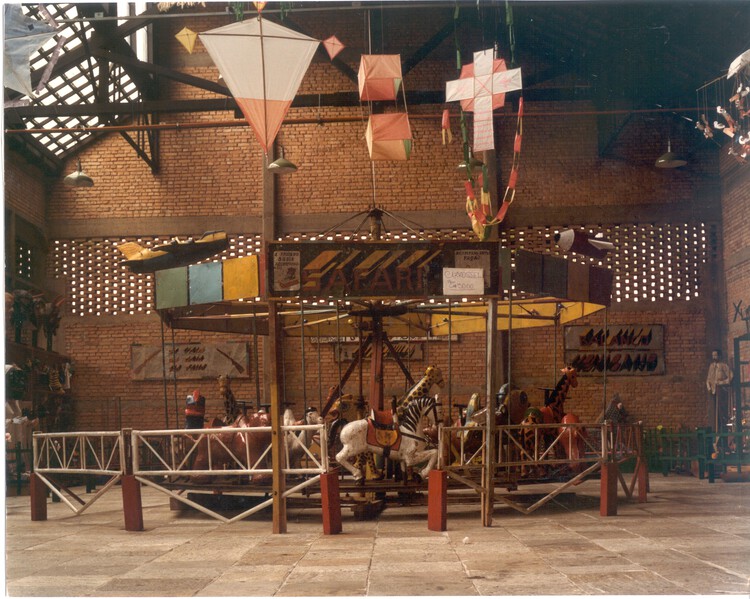
In an era where digital fabrication and automation are increasingly present in architectural practice, manual craft is often seen as a luxury item—restricted to high-end projects whose clients can afford extended deadlines and collaborative processes requiring constant dialogue with artisans. This scenario might have sounded contradictory a few decades ago, when Lina Bo Bardi denounced that a process of "deculturation" was underway and that an appraisal of "popular" Brazilian civilization was urgently needed to confront totalizing universalisms and *folklore*—the latter viewed by her as an instrument of state alienation designed to neutralize the subversive and transformative character of popular culture:

https://www.archdaily.com/1184102/lina-bo-bardi-and-popular-making-craft-and-accessibility-in-designSusanna Moreira
Latin America in Focus: This Month in Architecture, Environmental Design, Social Infrastructure, and Practice

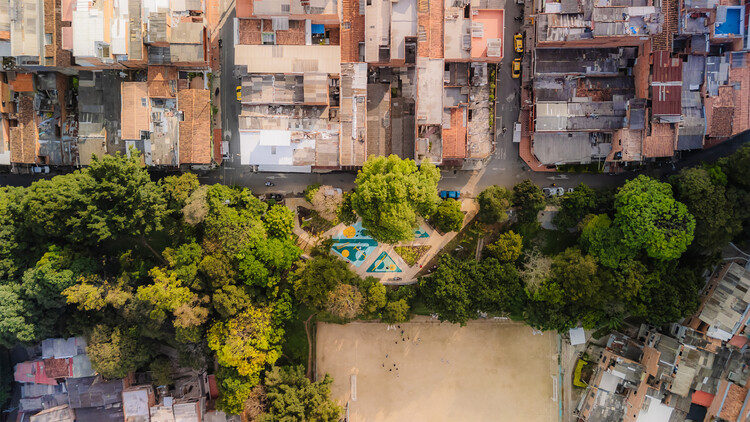
Architecture across Latin America this month reflects an ongoing negotiation between environmental challenges, cultural heritage, and changing approaches to public and professional life. From Colombia's earthquake and its impact on historic architecture to new cultural projects in Argentina and environmentally responsive design in Ecuador and Medellín, recent developments highlight how architecture continues to respond to both regional conditions and broader global challenges. Questions of heritage and infrastructure also remained prominent, as UNESCO raised concerns over the impacts of the Tren Maya on Mexico's Calakmul World Heritage site, while new initiatives in Chile and Costa Rica explored ecological design and sustainable practice. The month's stories point to a regional architectural landscape shaped by resilience, adaptation, and the relationship between built environments and their wider social and natural contexts.
https://www.archdaily.com/1184123/latin-america-in-focus-this-month-in-architecture-environmental-design-social-infrastructure-and-practiceReyyan Dogan
Katūvu Hut / HUT atelier d'architecture

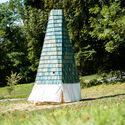

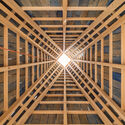
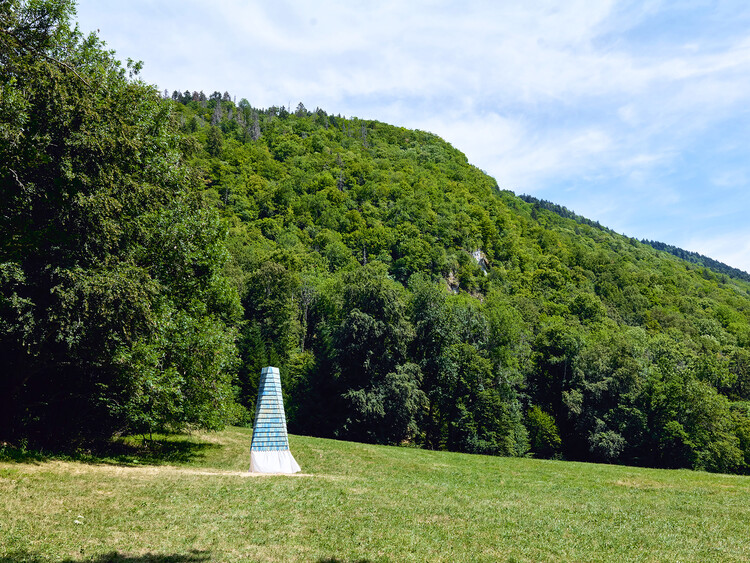
-
Architects: HUT atelier d'architecture
- Area: 10 m²
- Year: 2026
https://www.archdaily.com/1183732/katuvu-hut-hut-atelier-darchitectureCristina Popescu
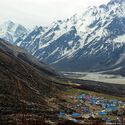
Himalayan Glacier Collapse Triggers Flash Floods and Infrastructure Destruction in Nepal

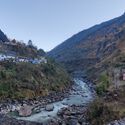
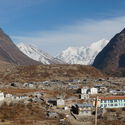
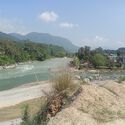
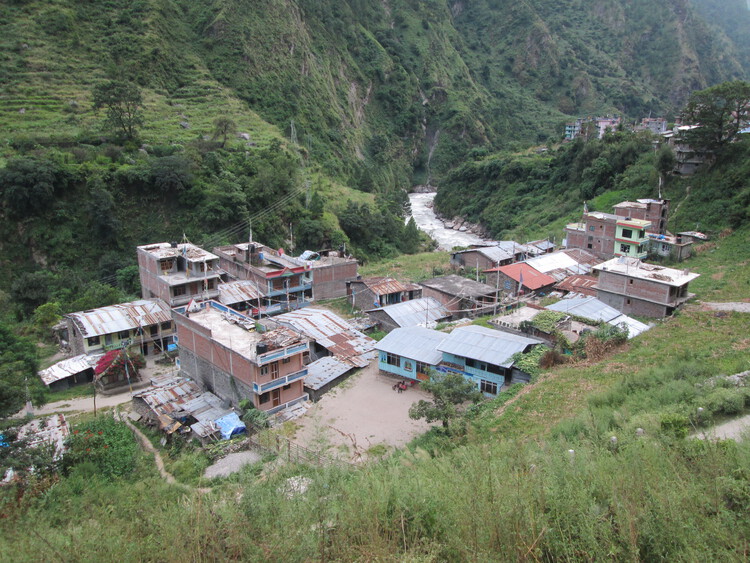
A lower section of a Himalayan glacier collapsed on Wednesday, August 26, creating an ice and rock avalanche down the Lhende River valley that triggered severe flash floods on the Nepal-Tibet border. The floods destroyed entire villages, with at least 350 confirmed dead and more than 1,300 people still missing. Characterized by their sudden and violent nature, flash floods occur within the first six hours after heavy rainfall or another floodwater source. In this case, the event has been attributed to a glacier collapse higher in the Himalayas, linked, in some scenarios, to a heat wave in the area. The speed of the movement is also distinctive of this type of flood, whose path of destruction in this case follows the Trishuli River basin in Nepal. According to the International Federation of Red Cross, the most affected areas are the Nepalese Rasuwa and Nuwakot districts. A more detailed assessment is expected in the coming days as floodwaters recede; in the meantime, it is already possible to outline some of the evidence from a territorial point of view.
https://www.archdaily.com/1184100/himalayan-glacier-collapse-triggers-flash-floods-and-infrastructure-destruction-in-nepalAntonia Piñeiro