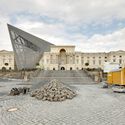
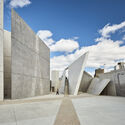
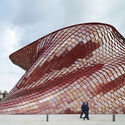
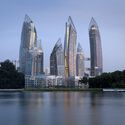
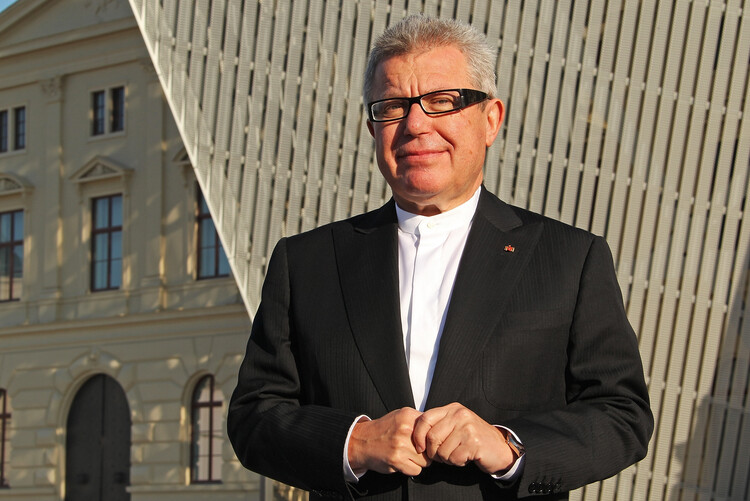
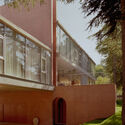
The Praemium Imperiale is a global arts prize that recognizes exceptional achievements in architecture, painting, sculpture, music, and theater or film. The award has been presented annually since 1988 by the Japan Art Association, with one postponement in 2020 due to the COVID-19 pandemic. Previous laureates include Portuguese architect Eduardo Souto de Moura, Japanese architect and humanitarian Shigeru Ban, and Burkinabé-German architect Francis Kéré, recognized by the association as professionals "who transcend national and ethnic boundaries, embodying the culture and arts of our time." This year, the laureate in the architecture category is Polish-American architect Daniel Libeskind, co-founder of Studio Libeskind, known for the design of the Jewish Museum in Berlin and the World Trade Center Master Plan in New York City.
Throughout the history of architecture, the circle has been associated with multiple meanings—from the cosmic geometry of ancient temples and the oculus of classical buildings to the rose windows of Gothic cathedrals and the portholes of ships. However, in the 20th century, the circle acquired a new cultural meaning. As aviation, space exploration, and technological innovation transformed the way society imagined the future, circular forms began to evoke machines, spacecraft, capsules, and even new forms of habitation.
The original promise of BIM (Building Information Modeling) went far beyond the three-dimensional representation of a building. Its ambition was to turn the model into a coordinated information structure, in which geometry, components, systems, and data remained connected as the project evolved. Changes to one element could be reflected across corresponding plans, sections, elevations, and quantities; clashes between different disciplines could be identified before construction; and information associated with building components could follow the project through different stages of its life cycle.
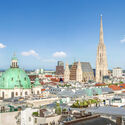
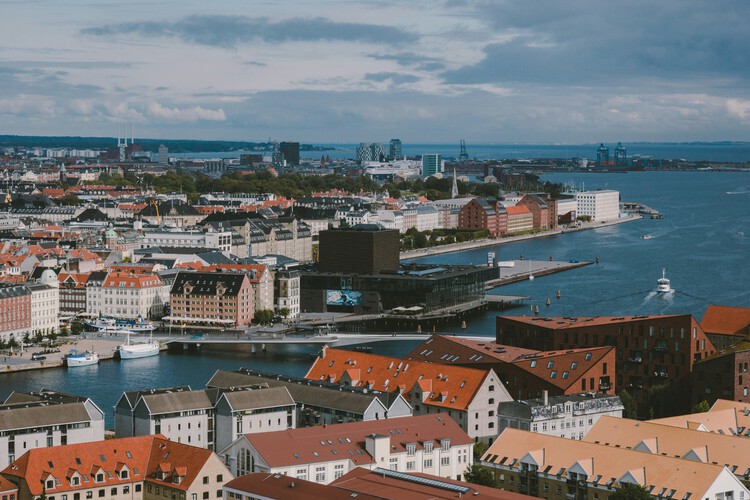
Global city rankings offer one way of looking at how urban environments support everyday life. The Economist Intelligence Unit's (EIU) Global Liveability Index evaluates 173 cities across stability, healthcare, culture and environment, education, and infrastructure, highlighting both long-term patterns and changes from one year to the next. In the 2026 edition, Copenhagen has been named the world's most liveable city for the second consecutive year, followed by Vienna and Melbourne. The Danish capital scored 98 out of 100 overall, receiving perfect scores in stability, education, and infrastructure. The global average remains unchanged at 76.1, with improvements in healthcare, education, and infrastructure offsetting continued declines in stability.
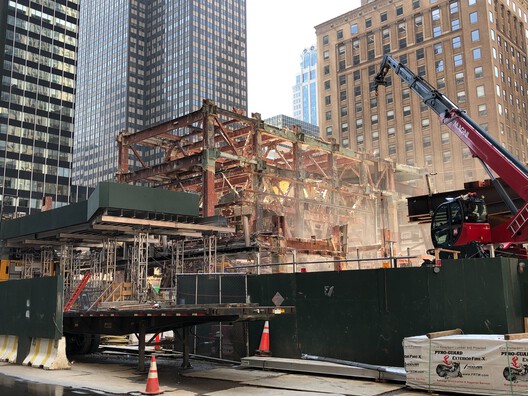
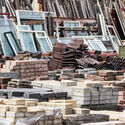
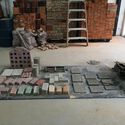
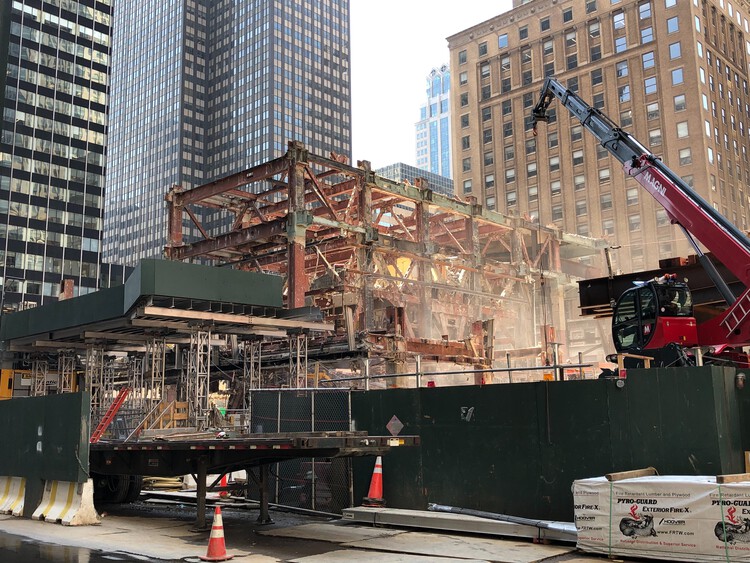
During the last week of August, the New York City government announced a new project for the MADE Bush Terminal in Sunset Park, Brooklyn. It involves the transformation of the old industrial building into a center for the recovery, storage, sorting, and redistribution of construction materials during a one-year pilot program. The initiative echoes a wave of similar circular construction hubs recently launched or announced across Europe: a converted warehouse in Brussels, an industrial site adaptation in East London's Royal Docks, and a cross-border network supported by CirCoFin spanning Munich, Copenhagen, Lisbon, and Scotland, each repurposing industrial buildings and infrastructure to support the reuse of construction materials.