-
Architects: COLAR Colectivo de Arquitectura
- Area: 36 m²
- Year: 2025
-
Manufacturers: Ternium


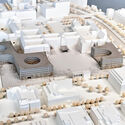
This week's news focused on how architecture engages with what already exists and communicates beyond the building itself. Several stories explored restoration and reuse, from the renewal of a historic university hall to the preservation of an artist's exhibition spaces and the incorporation of reclaimed materials into new construction. Elsewhere, architecture continued to serve as both subject and setting for exhibition, with new museum and cultural venue announcements examining architecture's broader social, technological, and ecological contexts. On the radar, three projects to watch: in Berlin, sauerbruch hutton has won the competition to extend the Federal Ministry of Defense's headquarters at the Bendlerblock; in Santa Barbara, SOM and Mithun have unveiled designs for a major new student housing complex at UC Santa Barbara; and, addressing a different kind of construction altogether, Paulo Tavares' practice Autonoma has launched Documental, an open-source platform that lets journalists, researchers, and civil organizations turn data, images, and satellite imagery into geolocated digital stories in defense of human and environmental rights.
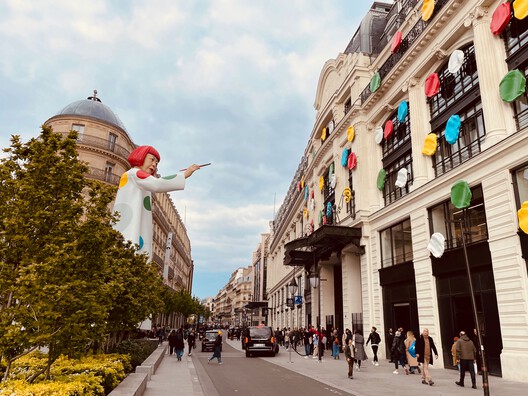
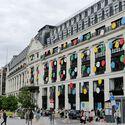
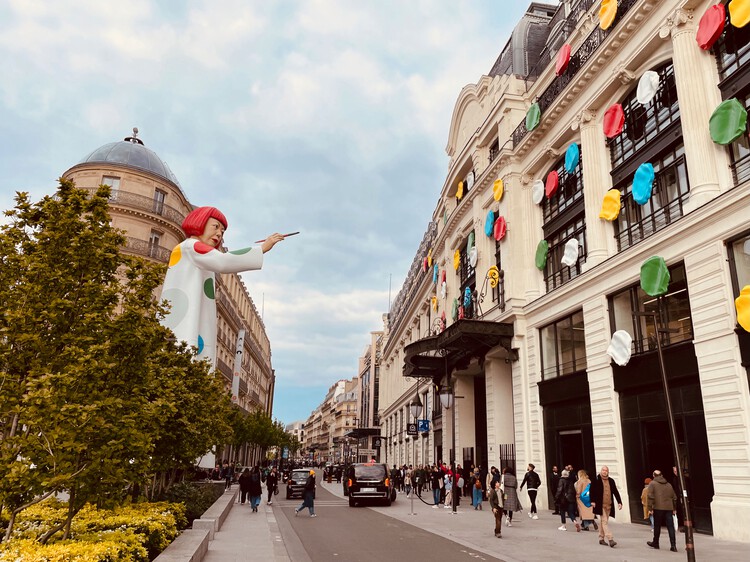
Japanese artist Yayoi Kusama, whose seven-decade career encompassed painting, sculpture, installation, performance, literature and film, has died at the age of 97. Kusama died at a hospital in Tokyo on August 14, 2026, according to a statement from Yayoi Kusama Inc. and Yayoi Kusama Studio Inc. Known internationally for her polka dots, pumpkins and Infinity Mirror Rooms, Kusama developed a distinctive artistic language around repetition, infinity, self-obliteration and the relationship between the individual and the world.
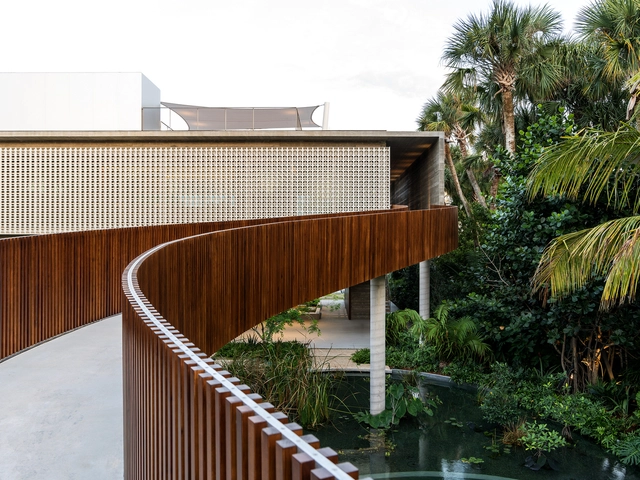
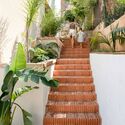
In modern architecture, the promenade architecturale stood out as an essential design strategy to realize the principles of functionality, aesthetics, and integration with the urban context. Iconic projects by Le Corbusier, such as Villa Savoye (1929), illustrate this concept by guiding the visitor along an upward path that culminates in the contemplation of the roof garden, an open space where the building dialogues harmoniously with nature. A century later, the concept continues to influence contemporary projects, exploring the relationship between movement and space across various architectural typologies such as houses, museums, libraries, and parks.